Azelaic Acid FAQ: Benefits for Acne, Rosacea & Hyperpigmentation


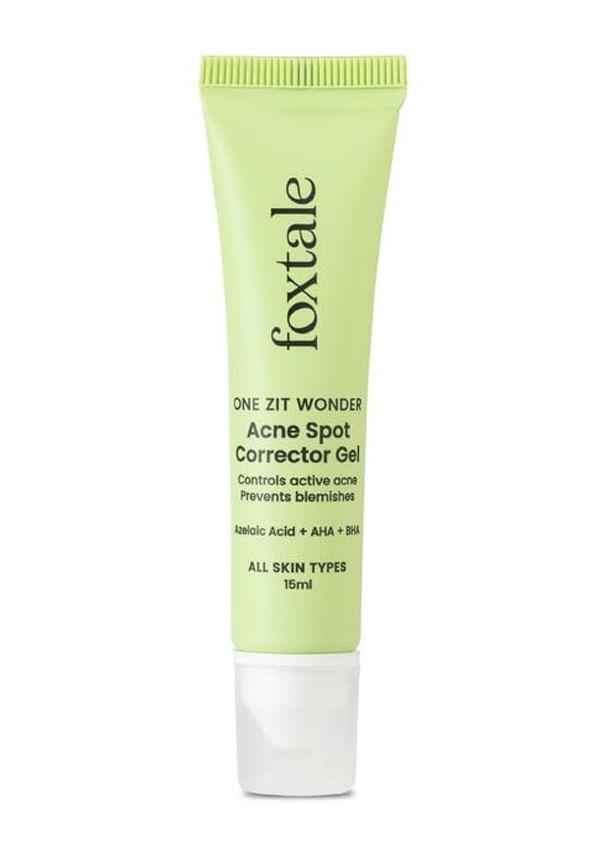
Acne Spot Corrector with Salicylic Acid & Azealic Acid
Really liked product
 5
5“i really liked this product a lou”
Really liked product
5“i really liked this product a lou”
Effective for Acne Reduction
5“I've been using this since years overnight acne reduction”
If you've been scrolling through skincare communities lately, you've probably seen azelaic acid mentioned everywhere. Maybe you're dealing with stubborn post-acne marks that won't budge, or perhaps your rosacea flares up every time the weather changes. Real talk—finding an ingredient that actually works for multiple skin concerns without causing irritation feels like striking gold. Azelaic acid might just be that gentle powerhouse you've been searching for. Unlike harsh acids that leave your skin feeling raw, this naturally-derived ingredient works quietly behind the scenes to tackle acne, calm redness, and fade dark spots. Whether you're new to active ingredients or looking to switch up your routine, understanding what azelaic acid is good for can help you make smarter skincare choices. At Smytten, we've seen countless users discover this ingredient through trial-sized products, allowing them to test its benefits before committing to full-size versions.
TL;DR: Azelaic acid is a gentle, naturally-derived ingredient that effectively treats acne, rosacea, and hyperpigmentation without harsh side effects. It works by killing acne-causing bacteria, reducing inflammation, and inhibiting excess melanin production. Available in serums (10%) and creams (15-20%), it's suitable for sensitive skin and safe during pregnancy. Results typically appear within 4-8 weeks of consistent use, making it ideal for long-term skin health. Unlike other acids, azelaic acid can be used daily and layers well with most skincare ingredients.
Azelaic acid stands out in the crowded world of skincare actives because it's naturally occurring and remarkably gentle. Found in grains like wheat, rye, and barley, this dicarboxylic acid has been quietly working its magic in dermatology for decades. What makes it special is its unique ability to address multiple skin concerns simultaneously without the irritation typically associated with other acids.
Unlike alpha hydroxy acids (AHAs) or beta hydroxy acids (BHAs), azelaic acid belongs to a different family altogether. Its molecular structure allows it to penetrate the skin gently while delivering targeted benefits. The fact that it's naturally produced by yeast on healthy skin makes it incredibly biocompatible, which explains why even sensitive skin types can usually tolerate it well.
The magic happens through multiple mechanisms. Azelaic acid exhibits powerful antibacterial properties against Propionibacterium acnes, the bacteria responsible for inflammatory acne. Simultaneously, it reduces inflammation by inhibiting the production of inflammatory mediators. For hyperpigmentation, it works by inhibiting tyrosinase, the enzyme responsible for melanin production, effectively preventing dark spots from forming and helping existing ones fade.
The beauty of azelaic acid lies in its versatility. Whether you're dealing with hormonal breakouts, persistent redness, or those frustrating dark spots that linger after blemishes heal, this ingredient addresses multiple concerns with scientific backing. Let's explore how it transforms different skin issues.
Clinical studies show that azelaic acid can be as effective as benzoyl peroxide for treating mild to moderate acne, but with significantly fewer side effects. It works by unclogging pores, killing acne-causing bacteria, and reducing the inflammation that makes breakouts angry and red. Unlike salicylic acid, which can be drying, azelaic acid maintains the skin's moisture barrier while clearing congestion.
For those dealing with rosacea, azelaic acid is often considered a first-line treatment by dermatologists. Its anti-inflammatory properties help reduce the persistent redness, papules, and pustules characteristic of this condition. Many users notice calmer, less reactive skin within a few weeks of consistent use, making it particularly valuable for managing flare-ups triggered by weather changes or stress.
Post-inflammatory hyperpigmentation (PIH) from acne can be incredibly stubborn, but azelaic acid excels at fading these marks. By inhibiting tyrosinase activity, it prevents new dark spots from forming while gradually lightening existing ones. Unlike hydroquinone, which can cause rebound hyperpigmentation, azelaic acid provides gentle, sustainable results for melasma, sun damage, and acne scars.
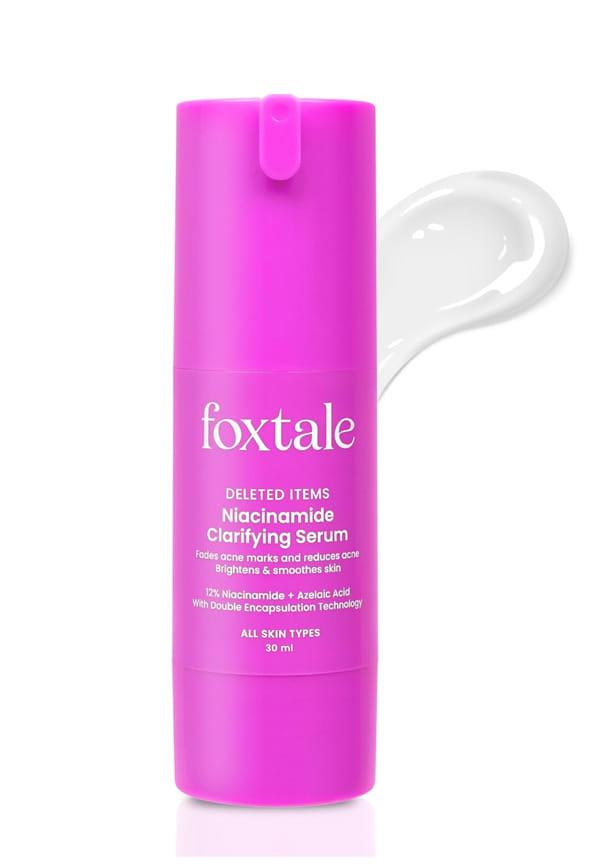
12% Niacinamide Serum with Azelaic Acid for Oil Control & Brightening
Good for oily skin and acne
5“Good for oil skin and acne help to reduce acne marks and brighten ”
Effective on active acne, not on marks
5“I used it from 6 months my active acne is good now but I have acne mrks”
Good for Oily & Pimple Skin
4“good and Helpful for oily and Pimple skin”
Beyond its primary uses, azelaic acid offers gentle exfoliation that improves skin texture without irritation. Its antioxidant properties help protect against environmental damage, while its ability to normalise skin cell turnover results in a smoother, more radiant complexion. These benefits make it suitable for long-term use as part of a comprehensive skincare routine.
Getting the most from azelaic acid requires understanding proper application techniques and choosing the right formulation for your skin type. The key is starting slowly and building tolerance, especially if you're new to active ingredients.
Serums typically contain 10% azelaic acid and offer lighter coverage, making them ideal for beginners or those with oily skin. Creams usually contain 15-20% concentrations and provide more intensive treatment for stubborn concerns. Over-the-counter options are generally milder, while prescription formulations offer higher concentrations for severe cases. For sensitive skin, starting with a 10% concentration is recommended, while those with persistent acne or hyperpigmentation might benefit from a 15-20% formulation after building tolerance.
Apply azelaic acid to clean, dry skin, starting with 2-3 times per week and gradually increasing to daily use as tolerance builds. A pea-sized amount is sufficient for the entire face. Always follow with moisturiser to maintain the skin barrier, and never skip SPF during the day as azelaic acid can increase photosensitivity slightly.
One of azelaic acid's advantages is its compatibility with most ingredients. It pairs beautifully with niacinamide for enhanced pore-refining benefits and hyaluronic acid for added hydration. However, avoid using it simultaneously with vitamin C or retinol to prevent potential irritation—alternate these ingredients or use them at different times of day.
While azelaic acid is generally well-tolerated, understanding potential side effects helps you use it safely and effectively. Most reactions are mild and temporary, occurring primarily during the initial adjustment period.
Initial tingling or mild burning is normal and usually subsides within a few weeks. Some users experience temporary dryness or light peeling as the skin adjusts. To minimise discomfort, start with lower concentrations, apply over moisturiser initially, and always use a gentle, fragrance-free moisturiser afterwards. Discontinue use if severe irritation, persistent redness, or allergic reactions occur.
Azelaic acid is suitable for most skin types, including sensitive skin that can't tolerate other acids. It's particularly beneficial for those with acne-prone, rosacea-affected, or hyperpigmented skin. Importantly, it's considered safe during pregnancy and breastfeeding, making it an excellent alternative to retinoids during these periods. However, those with extremely sensitive skin should patch test first and start with the lowest available concentration.
Product | Skin Type | Primary Concern | Price Range | Key Ingredients |
|---|---|---|---|---|
Minimalist Ceramides & Hyaluronic Barrier Repair Moisturizer | Mature, Sensitive | Barrier Repair, Hydration | ₹400-600 | Ceramides, Hyaluronic Acid |
Dot & Key Night Reset Retinol + Ceramide Cream | Mature, Dull | Anti-ageing, Fine Lines | ₹800-1200 | Retinol, Ceramides |
Foxtale Glow+ Hydra Gel Moisturizer | Mature, Dull | Brightening, Hydration | ₹500-800 | Vitamin C, Papaya |
Bioderma Sensibio Defensive Rich Active Soothing Cream | Sensitive, Mature | Soothing, Protection | ₹1200-1800 | Defensive Complex |
Conscious Chemist Peptide Lip Balm SPF15 | All Types | Lip Care, Sun Protection | ₹300-500 | Peptides, SPF 15 |
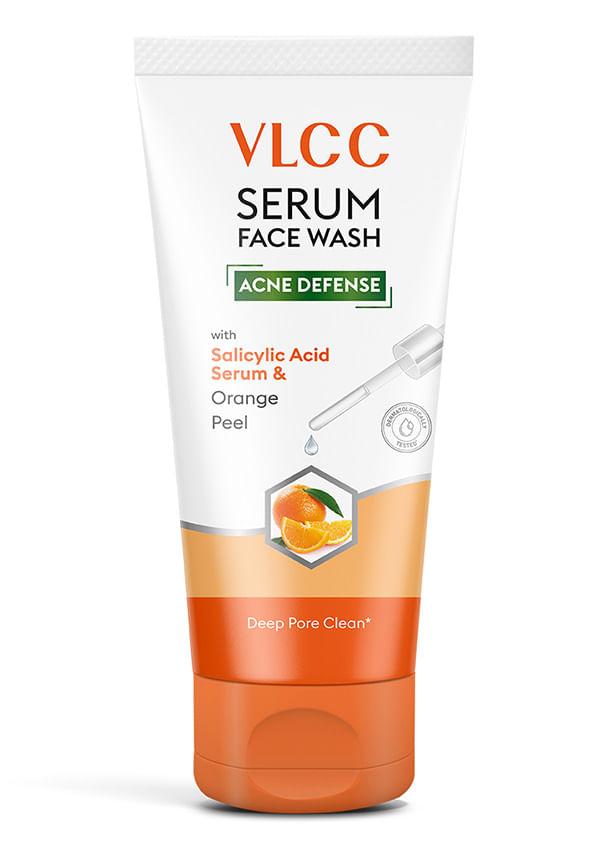
Acne Defense Serum Facewash with Salicylic Acid Serum & Orange
Good Facewash for Normal Skin
4“Good facewash for normal to combination skin”
Note: These products are available for trial on Smytten before full-size purchase.
Understanding how azelaic acid compares to other popular actives helps you make informed decisions about your skincare routine. Each ingredient has unique strengths, and sometimes combining them strategically yields the best results.
While both treat acne, they work differently. Salicylic acid excels at deep pore cleansing and removing blackheads through oil-soluble exfoliation. Azelaic acid, however, offers broader benefits including anti-inflammatory and antimicrobial effects without the potential dryness. For sensitive skin or those dealing with both acne and hyperpigmentation, azelaic acid is often the gentler, more comprehensive choice.
Retinol remains the gold standard for anti-ageing, offering superior collagen stimulation and cell turnover acceleration. However, azelaic acid provides gentler anti-ageing benefits alongside acne treatment and pigmentation control. During pregnancy or for those who can't tolerate retinoids, azelaic acid offers a safer alternative with overlapping benefits, though not quite as potent for deep wrinkles.
Vitamin C is primarily an antioxidant and brightening agent, while azelaic acid offers antimicrobial and anti-inflammatory benefits alongside brightening effects. Vitamin C works faster for immediate glow but can be unstable and irritating. Azelaic acid provides more sustained, gentle brightening with additional acne-fighting properties, making it better for long-term skin health.
Selecting the appropriate azelaic acid product depends on your skin's tolerance, specific concerns, and experience with active ingredients. Understanding concentration differences and formulation types ensures you get optimal results without unnecessary irritation.
Over-the-counter products typically contain 10% azelaic acid, which is perfect for beginners or maintenance use. Prescription formulations range from 15-20% and are reserved for more severe cases or when OTC options prove insufficient. Starting with lower concentrations allows your skin to build tolerance gradually, reducing the risk of irritation while still delivering visible results. For persistent acne or hyperpigmentation, a 15-20% concentration may be more effective, but should be introduced cautiously after establishing tolerance to lower percentages.
For hyperpigmentation, look for serums that combine azelaic acid with vitamin C or niacinamide for enhanced brightening effects. Rosacea sufferers benefit from cream formulations that include soothing ingredients like ceramides or hyaluronic acid. Those dealing with acne should consider gel-based formulations that won't clog pores while delivering antimicrobial benefits. Trying different formulations via trial packs can help identify the best fit for your specific needs.
Quality azelaic acid products should list the ingredient prominently and specify the concentration. Avoid products with high levels of alcohol, fragrances, or essential oils that could counteract azelaic acid's gentle nature. Look for complementary ingredients like niacinamide, ceramides, or hyaluronic acid that enhance tolerance and efficacy. Packaging should protect the product from light and air to maintain stability.
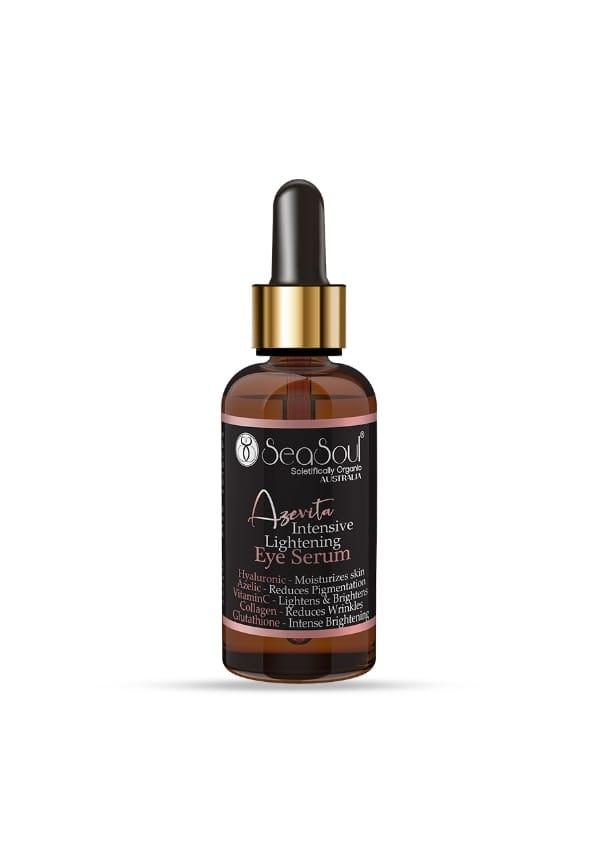
Azevita Intensive Lightening Eye Serum
Yes, azelaic acid can be used daily once your skin builds tolerance. Start with 2-3 times per week for the first few weeks, then gradually increase frequency. Most people can eventually use it twice daily without issues. If you experience persistent irritation, reduce frequency or concentration. Always listen to your skin and adjust accordingly.
Avoid using azelaic acid simultaneously with vitamin C serums, retinoids, or other acids like glycolic or salicylic acid to prevent irritation. Instead, alternate these ingredients or use them at different times of day. However, it pairs beautifully with niacinamide, hyaluronic acid, and ceramides. Always introduce one new active at a time to monitor your skin's response.
Azelaic acid works through multiple mechanisms: it kills acne-causing bacteria, reduces inflammation, unclogs pores, and inhibits melanin production. This translates to fewer breakouts, calmer skin, reduced redness, and gradual fading of dark spots. It also provides gentle exfoliation, improving overall skin texture and radiance without the harshness of other acids.
Neither is universally "better"—they serve different purposes. Retinol is superior for anti-ageing and deep wrinkle reduction, while azelaic acid excels at treating acne, rosacea, and hyperpigmentation with minimal irritation. Azelaic acid is pregnancy-safe and suitable for sensitive skin, making it a better choice for those who can't use retinoids. Many people successfully use both in their routines.
Most users notice initial improvements within 4-6 weeks of consistent use. Acne reduction may be visible sooner, while hyperpigmentation fading takes 8-12 weeks or longer. Rosacea symptoms often improve within 2-4 weeks. Remember that skincare results require patience and consistency—don't expect overnight transformations. When exploring azelaic acid products, Smytten's trial packs let you test different formulations before committing to full sizes.
Azelaic acid can cause mild purging, though it's less common and severe than with retinoids or AHAs. If purging occurs, it typically happens within the first 2-4 weeks and involves temporary increases in breakouts as the ingredient accelerates cell turnover. True purging should improve after 6-8 weeks. If breakouts worsen or persist beyond this timeframe, discontinue use and consult a dermatologist.
Azelaic acid stands out as one of the most versatile and gentle active ingredients in skincare. Its ability to simultaneously address acne, rosacea, and hyperpigmentation while being suitable for sensitive skin makes it an excellent choice for many people. The key to success lies in choosing the right concentration, starting slowly, and maintaining consistency. Whether you're dealing with stubborn breakouts, persistent redness, or frustrating dark spots, azelaic acid offers a science-backed solution with minimal side effects. Remember that skincare is highly individual—what works for others may need adjustment for your unique skin needs. Always patch test new products and consider consulting a dermatologist for persistent or severe skin concerns.
Finding the right skincare ingredients can feel overwhelming, but azelaic acid's gentle yet effective nature makes it worth exploring. Smytten is India's largest product discovery and trial platform, connecting consumers with top lifestyle, beauty, wellness, and grooming brands. At its core, Smytten offers curated trial packs—mini-sized products from over 2,400 trusted brands such as Cetaphil, Dot & Key, Minimalist, Bioderma, and Conscious Chemist. This lets users explore and experience azelaic acid products before committing to full-size purchases. Each mini is linked with Trial Points, and users can get up to 10 Trial Points for just ₹279. Plus, Smytten offers 100% cashback on the purchase of these minis, redeemable in the shop section for future orders, making product discovery both affordable and rewarding. With over 28 million users and 100 million trial minis delivered across 90% pin code coverage, Smytten helps consumers make smarter, more confident choices. After all, why settle for 'maybe' when you can #TryItAll and find the perfect azelaic acid product for your skin!
