Anti-Humidity Skincare Routine FAQ: Your Questions Answered

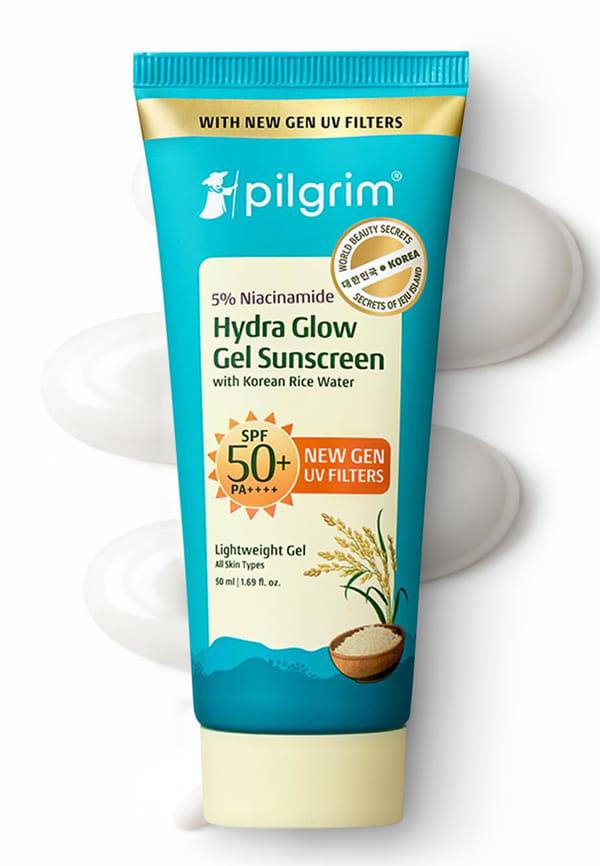
5% Niacinamide Oil-Free Super Light Gel Sunscreen SPF 50+ PA++++
Living in India's humid climate can feel like your skin is constantly battling the elements. One moment you're dealing with that sticky, uncomfortable feeling, and the next you're wondering why your carefully curated skincare routine seems to have given up entirely. If you've ever stepped outside on a particularly muggy day only to feel like your face has turned into an oil slick within minutes, you're definitely not alone. The truth is, humidity affects our skin in ways we're only just beginning to understand, and the traditional skincare advice doesn't always translate well to our tropical climate. Whether you're dealing with unexpected breakouts during monsoon season, struggling to find that perfect balance between hydration and oil control, or simply trying to maintain healthy-looking skin without that greasy shine, navigating skincare in humid weather requires a completely different approach. That's where platforms like Smytten become invaluable—offering you the chance to trial different products and find what actually works for your skin in these challenging conditions, rather than investing in full-sized products that might not suit our unique climate needs.
TL;DR
Humid weather requires lighter, gel-based formulations and more frequent cleansing without over-stripping your skin
The key is balancing hydration with oil control—your skin still needs moisture even in high humidity
Sweat-proof routines focus on minimal but effective products that won't slide off or clog pores
Achieving healthy, dewy skin in humidity is about controlled luminosity, not eliminating all shine
Common mistakes include over-cleansing, skipping moisturiser entirely, and using products too heavy for the climate
The foundation of any effective anti-humidity skincare routine lies in understanding that your skin's needs change dramatically when the air around you is saturated with moisture. Unlike dry climates where your skin might be crying out for heavy creams and occlusive ingredients, humid weather calls for a completely different strategy that focuses on lightweight hydration and effective oil control.
Your morning routine sets the tone for how your skin will behave throughout the day, especially when you're facing high humidity levels. Start with a gentle, gel-based cleanser that removes overnight buildup without stripping your skin's natural barrier. Look for ingredients like salicylic acid or niacinamide that help control oil production while maintaining skin health.
Follow up with a lightweight moisturiser that contains hyaluronic acid—this ingredient is brilliant because it draws moisture from the humid air around you rather than sitting heavily on your skin's surface. The key is applying it to slightly damp skin, which helps lock in hydration without creating that sticky feeling we all dread.
Your sunscreen choice becomes absolutely crucial in humid weather. Opt for gel or fluid formulations with zinc oxide or titanium dioxide that won't feel heavy or contribute to that greasy appearance. Reapplication every two hours is non-negotiable, especially if you're sweating.
Evening routines in humid climates need to focus on thorough cleansing without being overly aggressive. Double cleansing becomes your best friend—start with a gentle oil cleanser to remove sunscreen and daily buildup, followed by a water-based cleanser to ensure everything is properly removed.
This is when you can introduce treatment serums that work overnight. Niacinamide serums are particularly effective for humidity-related concerns, helping to regulate oil production and minimise the appearance of pores. If your skin can tolerate it, gentle exfoliating acids like lactic acid can help prevent the congestion that often comes with humid weather.
Understanding how humidity affects your skin is the first step towards developing an effective protection strategy. When the air is saturated with moisture, your skin's natural ability to regulate oil production can go into overdrive, leading to that uncomfortable sticky feeling and potential breakouts.
High humidity levels can actually trick your skin into producing more oil than necessary. Your sebaceous glands respond to environmental moisture by ramping up production, thinking they need to create a protective barrier. This excess oil, combined with sweat and environmental pollutants, creates the perfect storm for clogged pores and breakouts.
The skin barrier function also changes in high-humidity environments. While you might think all that moisture in the air means your skin is automatically hydrated, the reality is more complex. Your skin can actually become dehydrated while appearing oily on the surface—a frustrating combination that requires careful product selection.
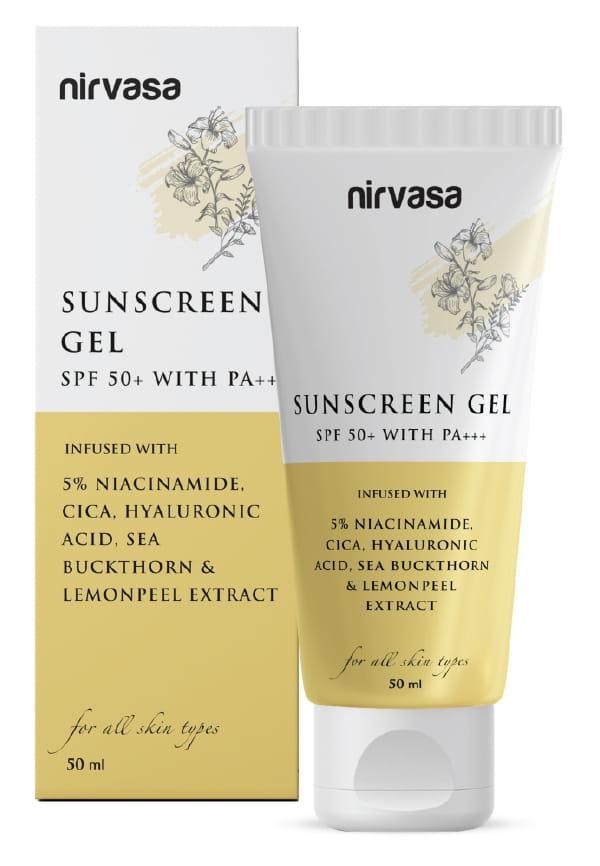
SPF50+ Sunscreen Gel with 5% Niacinamide for 98% UVA/UVB Protection
Humidity control for skin starts with choosing the right product textures and ingredients. Water-based formulations work better than oil-based ones, and ingredients like niacinamide, zinc, and tea tree oil can help regulate sebum production naturally.
Consider environmental factors beyond just skincare products. Using a dehumidifier in your bedroom, choosing breathable fabrics, and timing your outdoor activities during less humid parts of the day can all contribute to better skin health.
The product texture revolution becomes particularly important when dealing with humid climates. What works beautifully in air-conditioned environments might feel suffocating the moment you step outside into that wall of humid air.
Gel moisturisers are absolute game-changers for humid weather skincare. They provide essential hydration without the heavy, occlusive feeling that can make your skin feel like it can't breathe. Look for formulations that contain hyaluronic acid, glycerin, or sodium hyaluronate—these humectant ingredients draw moisture from the humid air around you.
Water-light moisturisers that absorb quickly are your best bet for maintaining skin health without contributing to that greasy appearance. The goal is to support your skin barrier while allowing your skin to function naturally in the humid environment.
Niacinamide serums deserve a special mention for humid climate skincare. This ingredient helps regulate oil production, minimises the appearance of pores, and can actually help your skin adapt better to environmental changes. Start with a 5% concentration and gradually work up if needed.
Antioxidant serums containing vitamin C or green tea extract can help protect your skin from environmental stressors that become more pronounced in humid conditions. Apply these in the morning under your sunscreen for maximum protection.
The challenge of managing oily skin in humidity lies in finding the sweet spot between controlling excess oil and maintaining healthy skin function. Over-aggressive approaches often backfire, leading to increased oil production and potential irritation.
Gentle cleansing becomes even more important in humid weather, even though your instinct might be to scrub away that sticky feeling. Cleanse twice daily with a mild, pH-balanced cleanser that contains ingredients like salicylic acid or glycolic acid to help prevent pore congestion.
Blotting papers become your portable best friend for managing oil throughout the day. Rather than adding more powder or touching your face, gently press blotting papers against oily areas to absorb excess sebum without disturbing your skincare or makeup underneath.
Humidity-triggered breakouts often appear in areas where sweat and oil accumulate—along the hairline, jawline, and chest area. These breakouts tend to be more inflammatory than typical acne because they're often caused by a combination of excess oil, sweat, and bacteria.
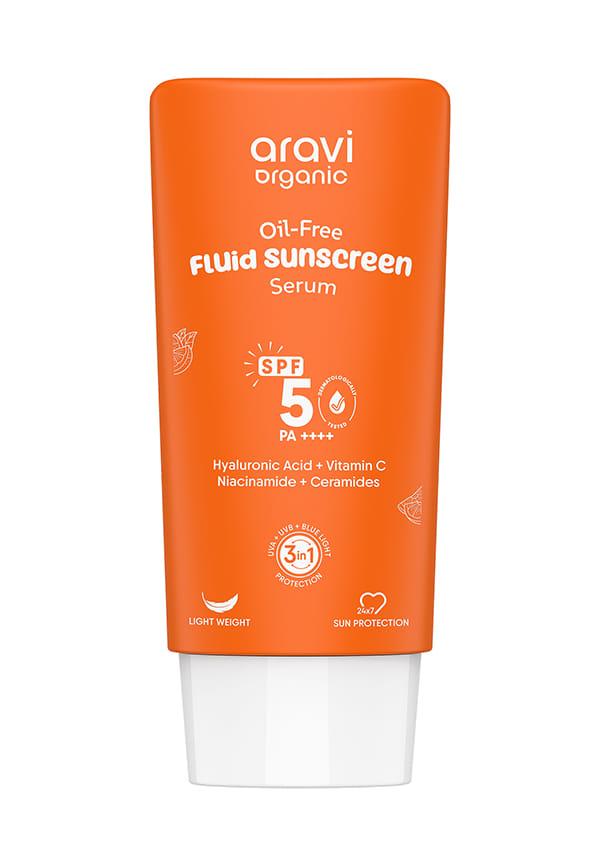
Oil-Free Fluid Sunscreen Serum SPF 50++++ with Hyaluronic Acid, Vitamin C, Niacinamide
Targeted treatments containing benzoyl peroxide or tea tree oil can help address these specific breakouts without over-treating your entire face. Apply these treatments only to affected areas and always follow up with appropriate moisturisation.
If you maintain an active lifestyle in humid conditions, your skincare routine needs to account for increased sweating and the potential for products to slide off or become less effective during physical activity.
Before exercising or spending extended time outdoors in humid conditions, apply a lightweight, sweat-resistant sunscreen that won't sting your eyes when you perspire. Gel-based sunscreens or those specifically formulated for sports activities work best.
Consider using a mattifying primer on particularly oily areas to create a barrier that helps your sunscreen stay put. Keep your pre-activity routine minimal—this isn't the time for multiple serums or heavy treatments.
Immediate post-exercise care is crucial for preventing humidity and sweat-related skin issues. If you can't shower immediately, use gentle cleansing wipes to remove sweat and bacteria from your skin, paying particular attention to areas where sweat accumulates.
When you do cleanse properly, use lukewarm water and a gentle cleanser. Hot water might feel good after a sweaty workout, but it can actually stimulate more oil production and irritate skin that's already been stressed by heat and humidity.
The holy grail of humid weather skincare is achieving that healthy, dewy glow without crossing the line into greasy territory. This requires understanding the difference between natural skin luminosity and excess oil production.
Healthy, dewy skin reflects light evenly and appears plump and hydrated. Greasy skin, on the other hand, has an uneven shine concentrated in the T-zone and often feels sticky to the touch. The key difference lies in skin health and proper hydration rather than oil control alone.
Product layering becomes an art form in humid climates. Start with the thinnest consistency products and work up to slightly thicker ones, allowing each layer to absorb completely before applying the next. This prevents that heavy, layered feeling that can quickly turn into greasiness.
Internal hydration plays a massive role in how your skin behaves in humid conditions. Drinking adequate water helps your skin maintain proper moisture balance, which can actually reduce the overproduction of oil that often occurs in humid weather.
The balance between humectant and occlusive ingredients becomes crucial. Humectants like hyaluronic acid and glycerin draw moisture from the humid air, while light occlusives like squalane can help lock in hydration without feeling heavy.
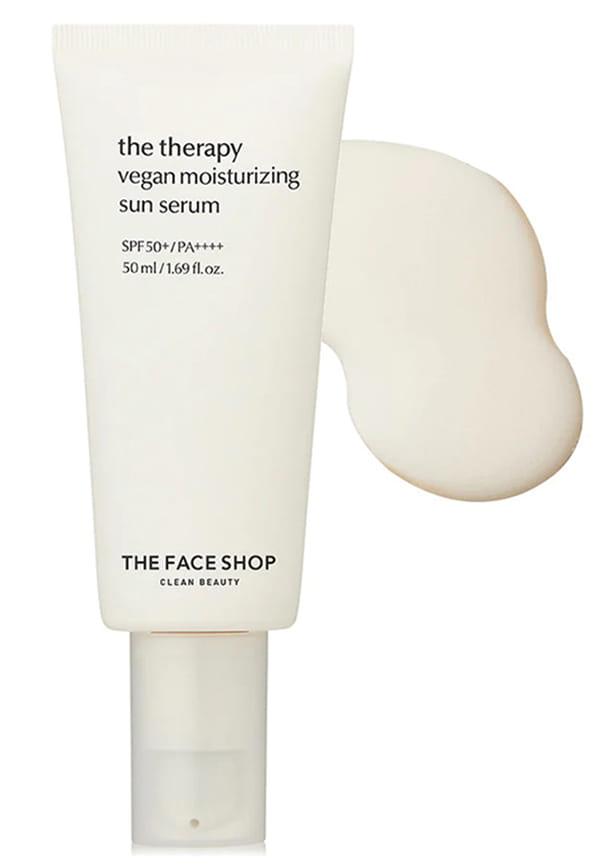
Niacinamide, UVA/B Protection Serum Sunscreen SPF 50+ PA++++
Absolutely yes—this is one of the biggest skincare myths that needs debunking. Even in high humidity, your skin needs moisturisation, just in a different form. Skipping moisturiser can actually trigger your skin to produce more oil to compensate for the lack of surface hydration. The key is choosing lightweight, gel-based formulations that provide hydration without heaviness. Your skin's moisture needs don't disappear just because there's moisture in the air around you.
While moderate humidity (around 40-60%) can be beneficial for skin health, 80% humidity can actually become problematic for many people. At this level, your skin may struggle to regulate oil production effectively, leading to increased breakouts and that uncomfortable sticky feeling. However, some people with very dry skin conditions might find higher humidity levels helpful. The key is adapting your skincare routine to work with your environment rather than fighting against it.
Heavy creams, oil-based cleansers used alone, and products with high concentrations of occlusive ingredients like petrolatum should generally be avoided or used sparingly in very humid conditions. Also avoid over-exfoliating, as this can compromise your skin barrier and lead to increased oil production. Products with alcohol as a main ingredient might seem appealing for their mattifying effect, but they often cause more harm than good by over-drying the skin.
Twice daily cleansing is usually sufficient, even in very humid conditions. Over-cleansing can strip your skin's natural barrier and actually trigger increased oil production. If you feel the need to refresh during the day, use blotting papers or a gentle toner on a cotton pad rather than washing your face multiple times. For those with very oily skin or active lifestyles, a gentle micellar water cleanse at midday can help without over-stripping.
While the basic structure of your routine can remain consistent, you'll likely need to adjust product formulations and concentrations based on seasonal humidity changes. Monsoon season might require even lighter formulations, while slightly drier months might allow for more hydrating products. Platforms like Smytten make it easier to trial different products seasonally without committing to full sizes, helping you find what works best for each time of year.
Choose gel or fluid sunscreen formulations and apply them to completely dry skin for better adherence. Allow each layer of your skincare routine to fully absorb before applying sunscreen. Reapplication every two hours is crucial, but use blotting papers first to remove excess oil and sweat before reapplying. Consider using a setting spray designed for humid conditions to help your sunscreen stay put longer.
Successfully managing your skincare routine in humid conditions comes down to understanding that your skin's needs change with the environment, and adapting accordingly rather than fighting against natural processes. The most effective anti-humidity skincare routine focuses on lightweight hydration, gentle oil control, and protecting your skin barrier without overwhelming it with heavy products.
Remember that achieving healthy skin in humid weather isn't about eliminating all shine or moisture—it's about maintaining that delicate balance where your skin looks healthy, feels comfortable, and functions optimally despite challenging environmental conditions. This often means embracing a more minimalist approach with carefully chosen products that work synergistically with your skin's natural processes.
The key is consistency and patience. Your skin needs time to adapt to new routines, especially when you're making significant changes to accommodate humid weather. Start with basic, gentle products and gradually introduce treatments as needed, always paying attention to how your skin responds.
Navigating skincare in India's diverse and often challenging climate doesn't have to be a constant battle of trial and error with expensive full-sized products. Smytten's approach to skincare discovery becomes particularly valuable when you're trying to build an effective anti-humidity routine, offering you the opportunity to trial products from trusted brands before committing to full sizes. With access to mini-sized products from over 2,400 brands and the ability to get up to 10 trial points for just ₹279, you can experiment with different gel moisturisers, lightweight serums, and sweat-proof sunscreens until you find your perfect humid weather combination. The platform's 100% cashback on trial purchases means you can explore various formulations risk-free, making it easier to discover what truly works for your skin in our tropical climate. After all, why settle for maybe when you can try it all and find the products that actually help your skin thrive in humidity rather than just survive it.
