Anti Acne Night Cream for Monsoon FAQ: Your Questions Answered

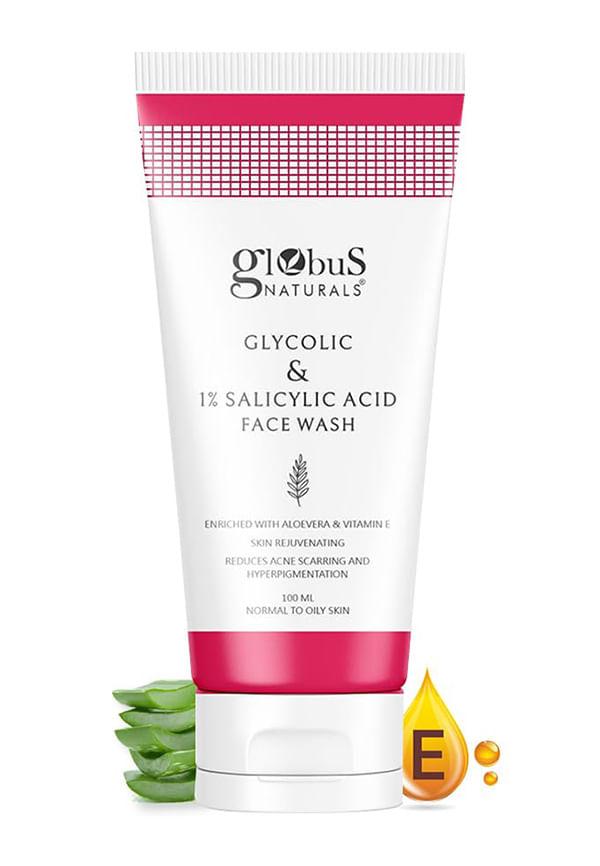
Glycolic & 1% Salicylic Acid Herbal Anti Acne Face Cream
Mixed feelings
 4
4“good product...but it is not so effective”
Excellent Value Facewash
5“very good facewash and very cost-effective”
Great Product and Packaging
5“loved the product and the packaging it's a decent one in the market go for it ”
The monsoon season brings relief from scorching heat, but it also ushers in a host of skincare challenges, particularly for those with acne-prone skin. The combination of increased humidity, fluctuating temperatures, and environmental pollutants can trigger stubborn breakouts that seem impossible to manage. If you've found yourself battling unexpected pimples during the rainy season, you're not alone. Many people struggle with finding the right anti acne night cream for monsoon that effectively addresses these seasonal skin concerns without feeling heavy or greasy. Understanding how to adapt your skincare routine for humid weather is crucial for maintaining clear, healthy skin throughout the rainy months. With the right knowledge and products, you can navigate monsoon skincare challenges confidently. Smytten's extensive collection of trial-sized skincare products makes it easier than ever to discover the perfect night cream for your specific needs without committing to full-size purchases.
Monsoon humidity increases sebum production and bacterial growth, leading to more frequent acne breakouts
The best anti acne night cream for monsoon should contain lightweight, non-comedogenic ingredients like salicylic acid, niacinamide, and hyaluronic acid
Gel-based formulations work better than heavy creams during humid weather for acne-prone skin
A consistent nighttime routine with proper cleansing and targeted treatment is essential for managing monsoon acne
Results typically become visible within 4-6 weeks of regular use, though initial purging may occur
The rainy season creates the perfect storm for acne flare-ups, and understanding these triggers is the first step towards effective management. High humidity levels during monsoon significantly impact how your skin behaves, often leading to increased oil production and clogged pores.
When humidity levels soar above 60%, your skin's natural response is to produce more sebum to protect itself from environmental stressors. This excess oil combines with dead skin cells and environmental pollutants, creating a breeding ground for acne-causing bacteria. The warm, moist environment also accelerates bacterial growth, particularly Propionibacterium acnes, which thrives in these conditions. Additionally, the constant switching between air-conditioned indoor spaces and humid outdoor environments can disrupt your skin's natural barrier function, making it more susceptible to breakouts.
Many people make the mistake of using heavy, occlusive creams during monsoon, thinking their skin needs extra protection from the weather. However, these formulations can trap moisture and bacteria, leading to more severe breakouts. Another common error is completely skipping moisturiser because the skin feels oily, which actually triggers increased sebum production as your skin tries to compensate for the lack of hydration. Over-cleansing is equally problematic, as it strips the skin's natural protective barrier, causing irritation and paradoxically more oil production.
Choosing the right ingredients is crucial for effective monsoon skincare for acne. The ideal night cream for oily skin monsoon should balance acne-fighting properties with adequate hydration without feeling heavy or greasy.
Salicylic acid stands out as one of the most effective ingredients for monsoon acne treatment. This beta-hydroxy acid penetrates deep into pores, dissolving excess oil and dead skin cells that contribute to breakouts. Niacinamide, also known as vitamin B3, helps regulate sebum production whilst reducing inflammation and redness associated with acne. It's particularly beneficial during humid weather as it strengthens the skin barrier without adding heaviness. Retinol, when used in appropriate concentrations, accelerates cell turnover and prevents the formation of comedones, making it an excellent overnight acne treatment option.
Hyaluronic acid provides lightweight hydration that doesn't feel sticky or heavy on the skin, making it perfect for humid weather. It can hold up to 1000 times its weight in water, ensuring your skin stays plump and hydrated without contributing to oiliness. Glycerin acts as a humectant, drawing moisture from the environment to keep skin hydrated throughout the night. Aloe vera offers soothing and anti-inflammatory properties, helping to calm irritated skin whilst providing gentle moisture.
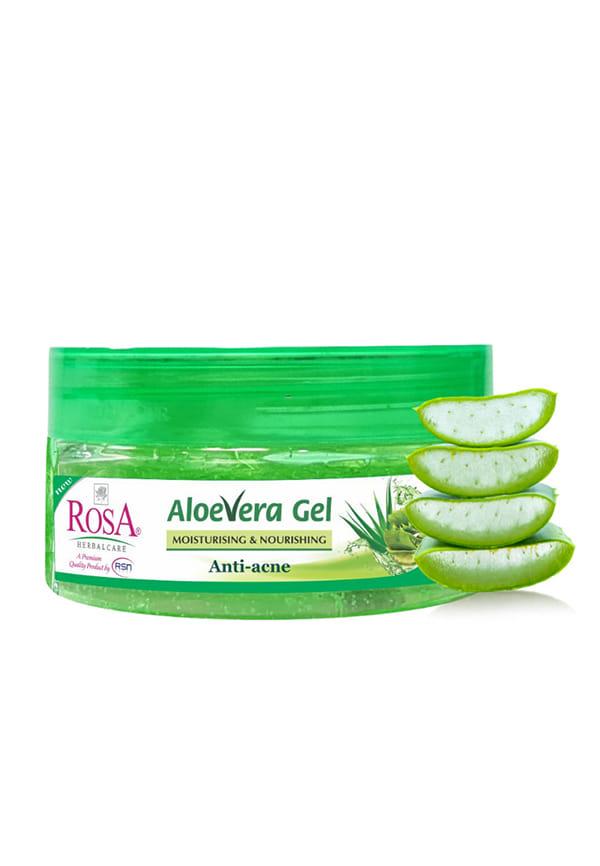
Aloevera Gel With Anti -acne I Moisturising & Nourising for All Skin I For Hair , Face & Skin
Effective Acne Gel
5“I am using this gel since 6 months, and it is really effective on acne prone skin. Must try”
Selecting the right acne treatment cream monsoon requires careful consideration of formulation, texture, and your specific skin needs. The goal is to find a product that addresses acne concerns whilst working harmoniously with the humid environment.
Gel-based formulations are generally superior to traditional creams during monsoon season. They absorb quickly, don't leave a greasy residue, and allow your skin to breathe whilst delivering active ingredients effectively. Non-comedogenic properties are non-negotiable for acne-prone skin, ensuring the product won't clog pores or contribute to breakouts. Oil-free lightweight formulas work best in humid conditions, providing necessary hydration without overwhelming already oily skin.
Combination skin requires special attention during rainy season, as the T-zone may become oilier whilst other areas remain normal or even dry. Look for products that can balance these varying needs without causing irritation. Sensitive acne-prone skin benefits from gentler formulations with soothing ingredients like chamomile or centella asiatica. For severely oily skin, consider products with slightly higher concentrations of active ingredients, but introduce them gradually to avoid irritation.
A comprehensive approach to monsoon acne management extends beyond just choosing the right night cream. Building an effective routine that addresses the unique challenges of humid weather is essential for maintaining clear skin.
Start with a gentle, pH-balanced cleanser that removes overnight buildup without stripping your skin. Follow with a lightweight, hydrating moisturiser that won't feel heavy in humid conditions. Never skip sunscreen, even during cloudy monsoon days, as UV rays can still penetrate clouds and worsen acne scarring. Choose a broad-spectrum SPF 30 or higher with a lightweight, non-comedogenic formula.
Double cleansing becomes particularly important during monsoon to remove accumulated pollutants, sweat, and excess oil. Start with an oil-based cleanser followed by a water-based one for thorough cleansing. Apply your overnight acne treatment to clean, slightly damp skin for better absorption. Use active ingredients 2-3 times per week initially, gradually increasing frequency as your skin builds tolerance.
Treating acne during rainy season requires a multi-pronged approach combining proper cleansing, targeted treatments, and lifestyle adjustments. Focus on using lightweight, non-comedogenic products that won't clog pores in humid conditions. Maintain a consistent routine with gentle cleansing twice daily, followed by appropriate treatments and moisturisation. Consider incorporating ingredients like salicylic acid or niacinamide that work well in humid environments. Additionally, ensure you're changing pillowcases frequently, avoiding touching your face, and maintaining good hygiene practices to prevent bacterial spread.
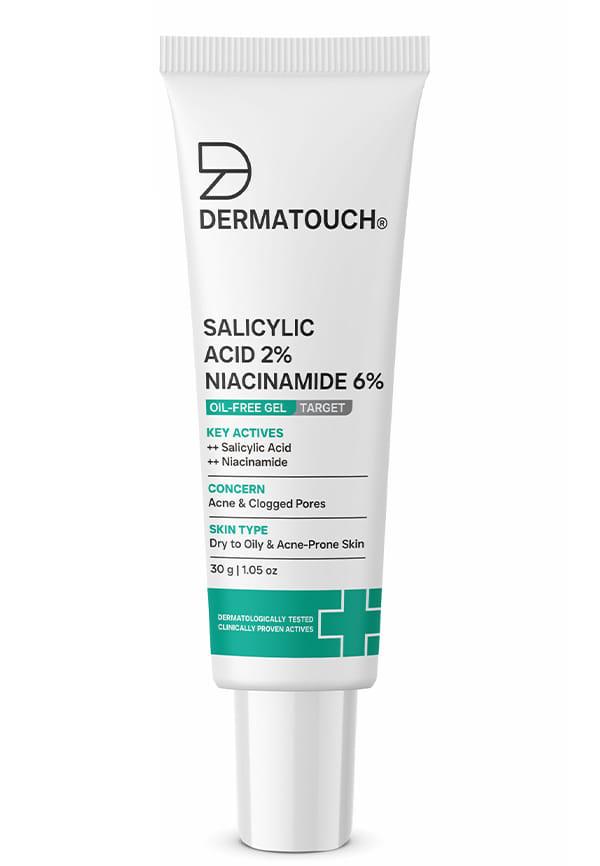
Salicylic Acid 2% Niacinamide 6% Anti-Acne Oil-Free Gel
Amazing Results in 15 Days
5“Amazing result within 15 days absolutely work 👍🏻👍🏻”
Effective Oil-Free Gel for Acne
5“This oil-free gel effectively targets acne, inflammation, and clogged pores.”
Good for acne-prone skin
5“this product is good for acne prone skin .use this night and apply moisturizer sunscreen day time”
The best night cream for acne-prone skin should contain proven acne-fighting ingredients like salicylic acid, niacinamide, or retinol whilst providing adequate hydration. Look for gel-based or lightweight cream formulations that are non-comedogenic and oil-free. Key features include fast absorption, no greasy residue, and compatibility with other skincare products. The ideal hydrating night cream for acne-prone skin balances treatment and moisture without overwhelming the skin, particularly important during humid monsoon months.
During rainy season, lightweight, gel-based formulations work better than heavy creams. The best face cream for monsoon should be non-comedogenic, fast-absorbing, and contain ingredients that help control excess oil production whilst maintaining skin hydration. Look for products with hyaluronic acid for lightweight moisture, niacinamide for oil control, and gentle exfoliating ingredients like salicylic acid. Avoid heavy, occlusive ingredients that can trap moisture and bacteria against the skin.
While some people can use the same products year-round, seasonal adjustments often improve skin health and comfort. Monsoon typically requires lighter formulations compared to winter, when skin may need richer, more emollient products. Pay attention to how your skin responds to changing weather conditions and adjust accordingly. You might need to switch to a lightweight night cream for monsoon and return to a richer formula during cooler, drier months.
Most people begin seeing improvements within 4-6 weeks of consistent use, though initial results may be visible within 2-3 weeks. However, you might experience an initial purging phase where breakouts temporarily worsen as the product brings underlying congestion to the surface. This typically lasts 2-4 weeks and is a normal part of the treatment process. Full results, including improvement in acne scarring and overall skin texture, may take 3-4 months of regular use. Smytten's trial packs allow you to test products for several weeks before committing to full sizes, helping you find the right acne control cream for humid weather.
For combination skin, you might benefit from using different products on different areas. Your T-zone might need stronger acne-fighting ingredients, whilst your cheeks might require more gentle, hydrating formulations. However, this approach can be complicated and isn't necessary for everyone. A well-formulated lightweight night cream for monsoon should work effectively across your entire face.
Maximising the effectiveness of your chosen acne treatment requires proper application techniques and supporting lifestyle factors. These expert tips can significantly improve your results during the challenging monsoon months.
Apply your anti-pimple night cream to clean, slightly damp skin for better absorption and to prevent irritation. Use a pea-sized amount for your entire face, as over-application can lead to clogged pores and reduced effectiveness. Allow each layer to absorb completely before applying the next product, typically waiting 2-3 minutes between applications. Avoid the delicate eye area unless the product is specifically formulated for that region, and always apply sunscreen the following morning when using active ingredients.
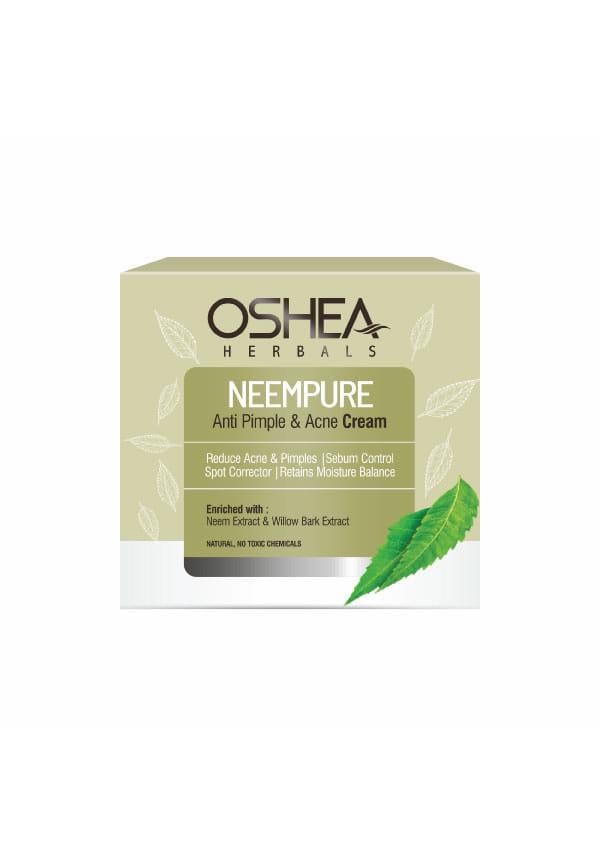
Neempure Anti Acne & Pimple Cream
Diet plays a crucial role in acne management, particularly during monsoon when humidity already stresses the skin. Reduce consumption of high-glycemic foods and dairy products, which can exacerbate breakouts. Ensure adequate sleep, as skin repair and regeneration occur primarily during rest periods. Manage stress through regular exercise, meditation, or other relaxation techniques, as stress hormones can trigger increased oil production and worsen acne.
Even with the right products and routine, you might encounter challenges when starting a new acne treatment regimen. Understanding how to navigate these issues ensures you don't abandon effective treatments prematurely.
Purging occurs when active ingredients accelerate cell turnover, bringing underlying congestion to the surface more quickly than usual. This typically manifests as increased breakouts in areas where you normally experience acne, lasting 2-6 weeks. Unlike adverse reactions, purging breakouts are temporary and occur in familiar problem areas. To manage purging, maintain consistent use of your chosen product, ensure adequate hydration, and avoid picking at breakouts, which can lead to scarring.
Start with lower frequencies when introducing new active ingredients, using them every third night initially and gradually increasing to nightly use as tolerated. If you experience excessive dryness or irritation, reduce frequency or concentration rather than stopping completely. When combining multiple acne treatments, introduce them one at a time to identify which products work best for your skin. Consult a dermatologist if you experience severe irritation, persistent worsening of acne, or signs of allergic reaction.
Creating an effective monsoon skincare routine extends beyond just choosing the right night cream. Building a comprehensive arsenal of complementary products ensures you can address all aspects of acne management during humid weather.
A gentle, pH-balanced cleanser forms the foundation of any effective acne routine, removing excess oil and impurities without over-stripping the skin. Consider adding a BHA toner for additional pore-clearing benefits, used 2-3 times per week. Spot treatments containing benzoyl peroxide or tea tree oil can target individual breakouts effectively. Weekly clay masks help absorb excess oil and deep-clean pores, particularly beneficial during humid monsoon months.
Effective acne treatment doesn't require expensive products. Many budget-friendly options contain the same active ingredients as premium formulations. Focus on ingredient lists rather than brand names or packaging. However, premium products often offer better textures, additional beneficial ingredients, and more elegant formulations that may improve compliance. Start with affordable options to identify which ingredients work for your skin, then consider upgrading to premium versions if desired.
Managing acne during monsoon requires understanding how humidity affects your skin and adapting your routine accordingly. The best anti acne night cream for monsoon should be lightweight, non-comedogenic, and contain proven ingredients like salicylic acid, niacinamide, or retinol. Gel-based formulations typically work better than heavy creams in humid conditions. Consistency is crucial for seeing results, which typically become apparent within 4-6 weeks of regular use. Remember that initial purging is normal and doesn't indicate product failure. Building a comprehensive routine with complementary products enhances the effectiveness of your chosen night cream. Most importantly, be patient with your skin and adjust your routine based on how it responds to changing weather conditions.
Finding the perfect anti acne night cream for monsoon doesn't have to be a costly trial-and-error process. Smytten's innovative trial pack system allows you to explore products from over 2,400 trusted brands, including leading skincare names like Cetaphil, Dot & Key, and WishCare, before committing to full-size purchases. With up to 10 trial points available for just ₹279 and 100% cashback on trial purchases, you can discover the ideal overnight acne treatment for your specific needs without the financial risk. The platform's extensive collection covers everything from lightweight gel formulations to targeted spot treatments, ensuring you can build a complete monsoon skincare routine tailored to your skin's unique requirements. With 90% pincode coverage across India and over 28 million satisfied users, Smytten makes it easier than ever to find products that truly work for your skin. After all, why settle for 'maybe' when you can #TryItAll and discover your perfect skincare match?
