Alpha Arbutin vs Niacinamide: Best for Pigmentation Treatment?

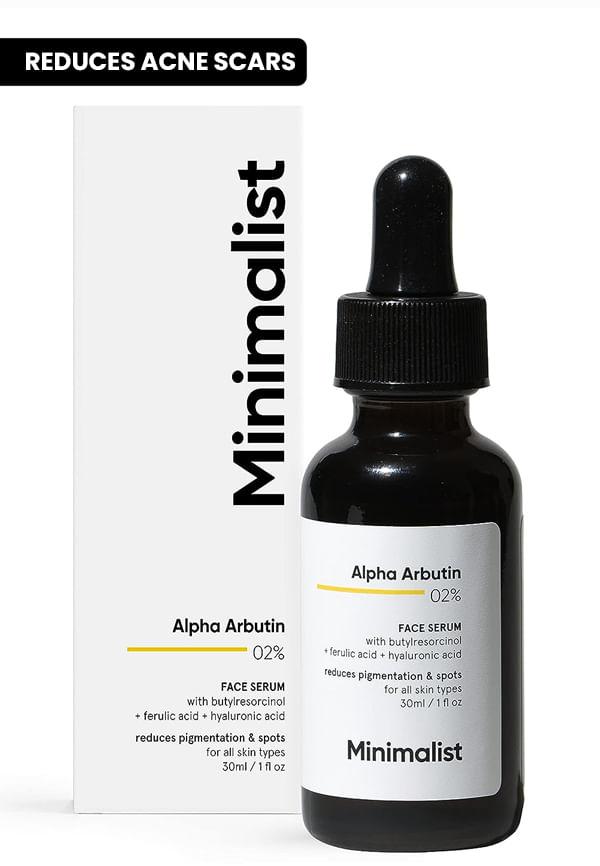
2% Alpha Arbutin Face Serum For Hyperpigmentation
Good and Genuine Product
 5
5“it's good it's good it's genuine good”
Good and Genuine Product
5“it's good it's good it's genuine good”
Good Product and Packaging
4“nice packaging good product too”
Dark spots, uneven skin tone, and stubborn hyperpigmentation can feel like unwelcome guests that just won't leave. If you've been scrolling through skincare feeds trying to decode which ingredients actually work, you've probably come across two major players: alpha arbutin and niacinamide. Both promise to tackle pigmentation, but which one deserves a spot in your routine? Let's break down the alpha arbutin vs niacinamide pigmentation debate and help you find your perfect match.
Before diving into the ingredient showdown, let's get real about what's actually happening when those pesky dark spots appear. Pigmentation isn't just one thing—it's your skin's way of responding to various triggers, and understanding the type you're dealing with makes all the difference in treatment.
Your skin produces melanin (the pigment that gives skin its colour) as a protective response. Sometimes this process goes into overdrive, creating those uneven patches we're trying to fade. The main culprits behind hyperpigmentation include sun damage from UV exposure, hormonal changes (hello, pregnancy mask), inflammation from acne or injuries, and the natural ageing process.
The most common types you'll encounter are melasma (those symmetrical patches often triggered by hormones), post-inflammatory hyperpigmentation or PIH (dark marks left behind after acne or wounds heal), and sun spots (also called age spots, though they're really about sun exposure, not age). Each type responds differently to treatment, which is why choosing the right active ingredient matters so much for lasting results.
Alpha arbutin has been making waves in the skincare world as a gentler alternative to harsher brightening ingredients. Think of it as the considerate friend who gets the job done without causing drama—it targets dark spots effectively whilst being kind to your skin.
Alpha arbutin is a natural compound derived from bearberry plants that works by inhibiting tyrosinase, the enzyme responsible for melanin production. Unlike some aggressive brightening ingredients that can cause irritation or unwanted lightening, alpha arbutin specifically targets areas of excess pigmentation without affecting your natural skin tone. Most effective formulations contain between 0.5-2% alpha arbutin, providing optimal results without overwhelming your skin.
What makes alpha arbutin particularly brilliant for pigmentation treatment is its precision. It fades existing dark spots without bleaching the surrounding healthy skin, making it safe for all skin tones, including deeper complexions that might be sensitive to other brightening agents.
This ingredient excels at tackling stubborn melasma, acne scars, and sun damage through gradual, sustainable brightening effects. Rather than shocking your skin with dramatic changes, alpha arbutin works steadily to reduce melanin production in targeted areas, leading to more natural-looking results that last.
The flip side of alpha arbutin's gentle approach is that patience becomes your best friend. Results typically take 8-12 weeks to become noticeable, which might feel frustratingly slow if you're eager for quick fixes. Additionally, whilst it's excellent for certain types of pigmentation, it may not address all forms equally—some deeper or more established spots might need additional support.
If alpha arbutin is the focused specialist, niacinamide is the overachiever who tackles multiple skin concerns whilst addressing pigmentation. This form of vitamin B3 has become a skincare staple for good reason—it's like having a Swiss Army knife in your routine.
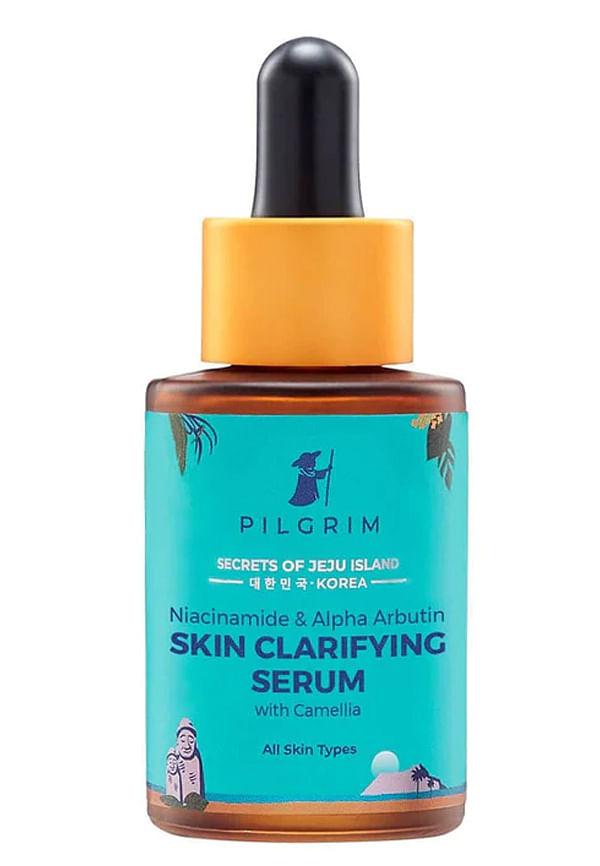
Skin Clarifying Serum With Niacinamide & Alpha Arbutin
Clears Acne & Marks
5“helps in clearing acne , and it's marks”
Dark Mark Reduction, Clear Skin
5“dark mark reduction and clear skin”
Good Formulation & Hydrating
5“nice formulation and texture hydrated skin”
Niacinamide approaches pigmentation from a different angle than alpha arbutin. Instead of directly blocking melanin production, it inhibits the transfer of melanosomes (melanin-containing structures) to skin cells. This means it can prevent new dark spots from forming whilst helping existing ones fade. Its anti-inflammatory properties also make it particularly effective for post-inflammatory hyperpigmentation, as it calms the skin and reduces the likelihood of new pigmentation forming from irritation.
Here's where niacinamide really shines—it's not just about pigmentation. This multitasking ingredient regulates oil production (brilliant for acne-prone skin), reduces the appearance of enlarged pores, improves skin texture and elasticity, and calms redness and irritation.
For those dealing with acne alongside pigmentation concerns, niacinamide is particularly valuable because it addresses both the active breakouts and the dark marks they might leave behind. It strengthens your skin barrier function, which helps your skin better defend against future damage and maintain overall health.
Niacinamide performs best with post-inflammatory hyperpigmentation and mild melasma, particularly when used consistently over time. The sweet spot for concentration is typically 5-10%, providing effective results without irritation. Most people start seeing overall skin tone improvements within 4-8 weeks, though specific dark spot fading may take longer.
Now for the main event—how do these ingredients actually stack up against each other when it comes to treating pigmentation? The truth is, they each have their strengths, and the "winner" depends entirely on your specific skin concerns and goals.
If you're looking for quicker overall skin improvement, niacinamide typically shows results in 4-8 weeks for general tone and texture enhancement. Alpha arbutin requires more patience, with noticeable dark spot fading usually appearing around the 8-12 week mark. However, alpha arbutin's results tend to be more dramatic for specific pigmentation concerns once they do appear.
For stubborn melasma and deep sun spots, alpha arbutin often edges ahead due to its targeted tyrosinase-inhibiting action. When it comes to post-acne marks and preventing new pigmentation, niacinamide wins for its dual approach of treatment and prevention.
Sun spots respond particularly well to alpha arbutin's focused approach, whilst niacinamide provides broader benefits for overall skin tone evenness. If you're dealing with general skin discoloration rather than specific dark spots, niacinamide's comprehensive approach might be more suitable.
Sensitive skin types often find niacinamide more tolerable, as it's inherently calming and less likely to cause irritation. For oily or acne-prone skin, niacinamide's oil-regulating properties make it the clear winner for dual benefits.
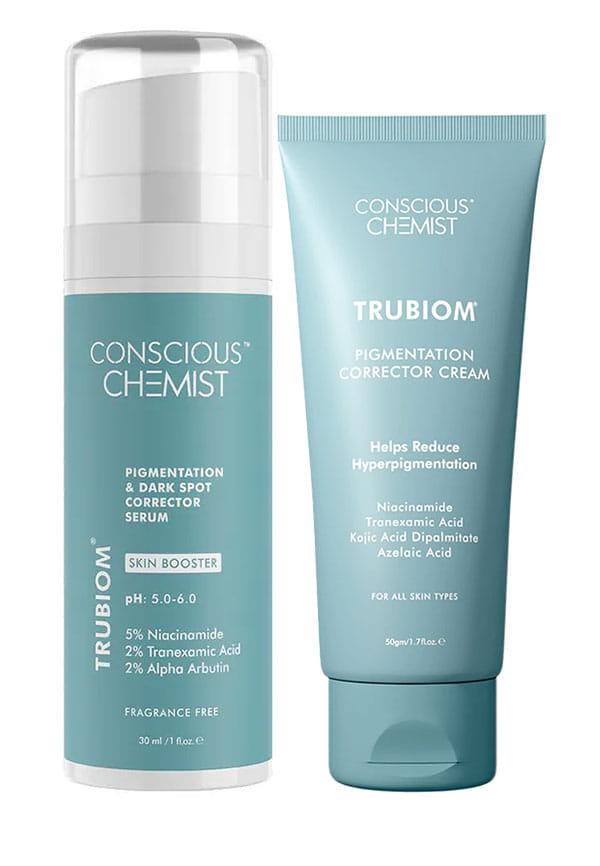
Niacinamide Serum + 1% Zinc & Pigmentation Corrector Moisturiser For Dark Spots Combo
Good for pigmentation
5“good...for pigmentation and brighter skin”
Thank you Smytten
5“Done done done thank you smytten for this”
Initial good, then waste
4“shuru me acha result Mila fir koi result nai Mila ..waste”
Dry or mature skin might benefit more from alpha arbutin's focused treatment approach, especially when dealing with age-related pigmentation. The good news is that both ingredients are considered safe for all skin tones, making them excellent alternatives to potentially problematic brightening agents.
Here's where things get exciting—you don't actually have to choose between these ingredients. When used together, alpha arbutin and niacinamide create a powerful pigmentation-fighting duo that addresses multiple aspects of uneven skin tone.
The beauty of combining alpha arbutin and niacinamide lies in their complementary mechanisms. While alpha arbutin directly targets melanin production, niacinamide works on melanin transfer and provides additional skin barrier support. Together, they create a comprehensive approach to pigmentation treatment without increasing irritation risk—in fact, niacinamide's anti-inflammatory properties can help buffer any potential sensitivity from alpha arbutin.
The key to successful layering is understanding product formulations and your skin's tolerance. Generally, you can apply niacinamide first in your morning routine, followed by alpha arbutin, or alternate between morning niacinamide and evening alpha arbutin use.
If you're using separate serums, apply the thinner consistency product first, then follow with the thicker one. Many brands now offer products containing both ingredients, which eliminates the guesswork. Start slowly—perhaps using each ingredient on alternate days initially—then gradually increase frequency as your skin adapts.
When used together, most people notice faster visible improvements, typically within 6-8 weeks rather than the longer timelines of individual ingredients. The combination provides more comprehensive tone correction, addressing both existing pigmentation and preventing new spots from forming. Plus, the added skin barrier protection from niacinamide helps maintain results long-term.
Still wondering which route to take? Here's a practical framework to help you decide based on your specific skin concerns and goals. Remember, there's no universal "best" choice—only what works best for your unique skin.
Stubborn melasma or deep sun spots that need targeted treatment, specific dark spots you want to fade rather than overall tone issues, previous sensitivity to other brightening ingredients, or the patience for gradual but lasting results. Alpha arbutin is your go-to when precision matters more than speed.
Acne-prone skin with post-inflammatory hyperpigmentation, overall uneven skin tone rather than specific spots, oily skin that would benefit from multiple improvements, or sensitive skin requiring gentle treatment. Niacinamide is perfect when you want comprehensive skin improvement alongside pigmentation treatment.
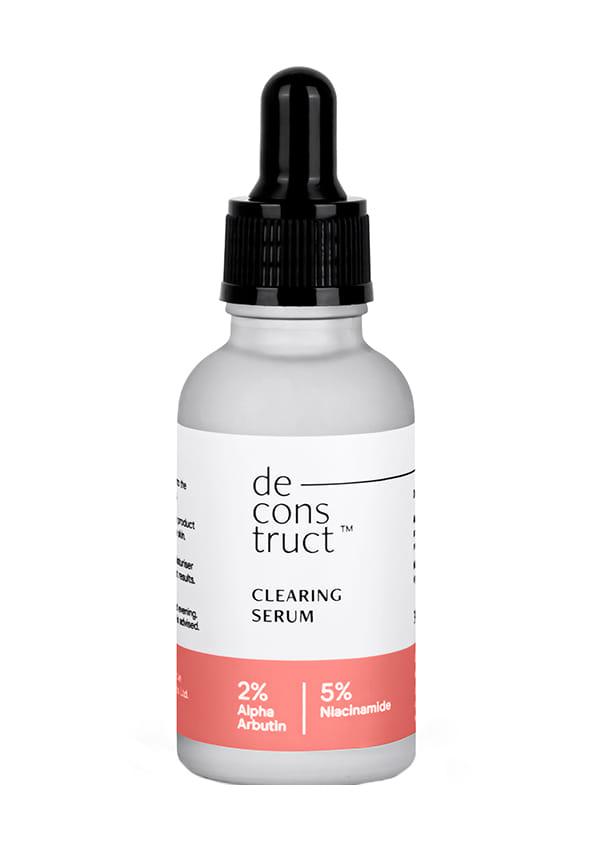
Clearing Serum - 5% Niacinamide Face Serum with Alpha Arbutin
Product not good, good packaging
4“itna fi accha nahi hai pekeging good parodct behtar nahi hai”
Good on skin
5“I love the product and this working good on my skin.”
Good Package and Quality for Face
5“good package and quality good for face”
Maximum pigmentation-fighting power, comprehensive skin improvement across multiple concerns, faster and more dramatic results, or long-term skin health benefits. The combination approach works brilliantly when you're serious about addressing pigmentation from every angle.
When exploring these ingredients, platforms like Smytten make it easier to find your perfect match without the commitment pressure. With curated trial packs from trusted brands, you can test different formulations containing alpha arbutin, niacinamide, or both before investing in full-size products. This approach lets you discover what works for your specific skin concerns whilst building confidence in your choices.
Alpha arbutin is more targeted for existing dark spots due to its direct melanin-blocking action, whilst niacinamide excels at preventing new pigmentation and improving overall tone. For specific, stubborn spots, alpha arbutin often wins, but for general skin improvement, niacinamide provides broader benefits.
Alpha arbutin significantly reduces hyperpigmentation by controlling melanin production, but maintenance use is typically needed to prevent recurrence. The results are long-lasting when combined with proper sun protection, but stopping use may allow pigmentation to gradually return.
They work seamlessly together, with alpha arbutin targeting melanin production whilst niacinamide addresses melanin transfer and provides additional skin benefits. This combination often produces faster, more comprehensive results than using either ingredient alone.
Yes, alpha arbutin can effectively lighten melasma and other forms of hyperpigmentation without affecting your natural skin colour, making it suitable for all skin tones. However, melasma often requires consistent, long-term treatment and may benefit from combination approaches.
Apply the thinner consistency product first, or consider alternating between morning niacinamide and evening alpha arbutin use. Many people find success using niacinamide in the morning for its protective benefits and alpha arbutin at night for targeted treatment.
The alpha arbutin vs niacinamide pigmentation debate doesn't have to end with choosing sides. Both ingredients bring unique strengths to the table—alpha arbutin for targeted dark spot treatment and niacinamide for comprehensive skin improvement. Your choice depends on your specific concerns, skin type, and patience level.
The real game-changer might be using them together, creating a powerhouse combination that addresses pigmentation from multiple angles whilst supporting overall skin health. Whether you choose one or both, consistency and patience are key to seeing results. Remember, good skincare is about finding what works for your unique skin, not following trends blindly. With the right approach and quality products, clearer, more even-toned skin is absolutely achievable.
