Alpha Arbutin vs Kojic Acid: Your Dark Spot Treatment FAQ India


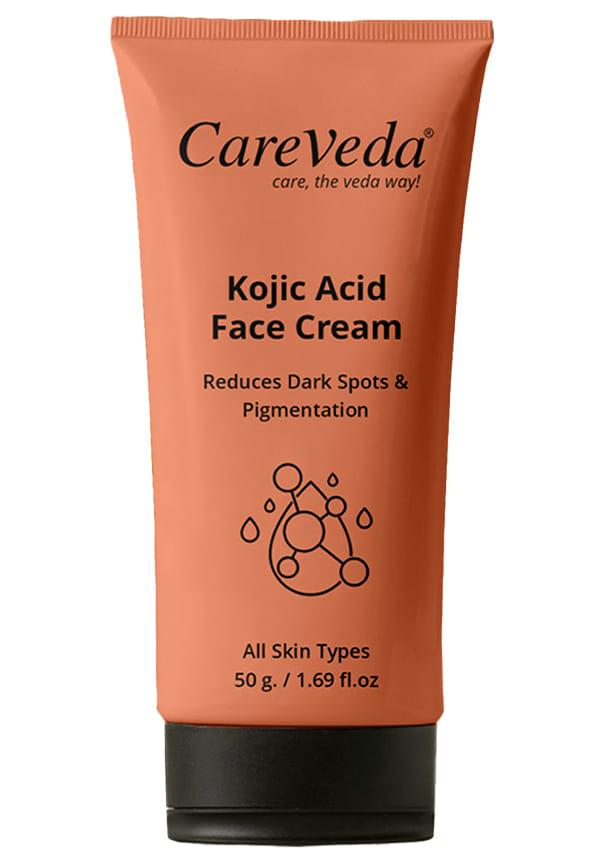
Kojic Acid Face Cream For Reduces Dark Spots & Pigmentation
You've been staring at that stubborn dark spot for months now, wondering if it'll ever fade. Whether it's from a particularly angry breakout last summer or those hormonal changes that left their mark, hyperpigmentation can feel like an unwelcome guest that's overstayed its welcome. If you've been researching dark spot treatments, you've likely come across two popular ingredients: alpha arbutin and kojic acid. Both promise to tackle pigmentation, but which one actually works better for Indian skin? Real talk - the answer isn't as straightforward as you might hope, but understanding how each works can help you make the right choice for your skin.
Before diving into which ingredient might work better for your skin, let's understand what we're actually dealing with. Both alpha arbutin and kojic acid are skin brightening ingredients that work by interfering with melanin production - the pigment responsible for those dark spots you're trying to fade.
Alpha arbutin is a naturally occurring compound found in bearberry plants, though most skincare products use a synthetic version for better stability. This gentle skin lightening agent works by inhibiting tyrosinase, the enzyme responsible for melanin production. Think of it as putting a gentle brake on your skin's pigment-making process. You'll typically find arbutin for skin in concentrations ranging from 1-2% in serums and creams, making it suitable for daily use without significant irritation.
Kojic acid comes from a completely different source - it's derived from fungi used in sake production and certain fermented foods. Like alpha arbutin, it also inhibits tyrosinase, but it tends to work more aggressively. Kojic acid benefits include faster visible results, but this comes with a trade-off in terms of potential irritation. You'll find it in concentrations typically ranging from 1-4% in various formulations.
The main differences between these two pigmentation treatment options come down to speed, gentleness, and how well they suit different skin types. Alpha arbutin is like the steady, reliable friend who gets things done gradually, whilst kojic acid is more like the efficient colleague who delivers results quickly but might ruffle a few feathers along the way.
When it comes to tackling dark spots, both ingredients have proven track records, but they work on different timelines and suit different skin needs. Understanding these differences can help you choose the right approach for your specific concerns.
If patience is your virtue, alpha arbutin might be your ideal match. Most people start noticing improvements around the 8-12 week mark with consistent use. It's particularly effective for post-acne marks, melasma, and age spots. The gentler approach means you can use it daily without worrying about significant irritation, making it perfect for those with sensitive skin or anyone living in India's humid climate where skin tends to be more reactive.
For those wanting quicker results, kojic acid typically shows improvements within 4-8 weeks. It's particularly effective on stubborn dark spots that have been hanging around for months or even years. However, this faster action comes with increased potential for irritation, especially during the initial weeks of use. Many users find it works well for addressing sun damage and hormonal pigmentation.
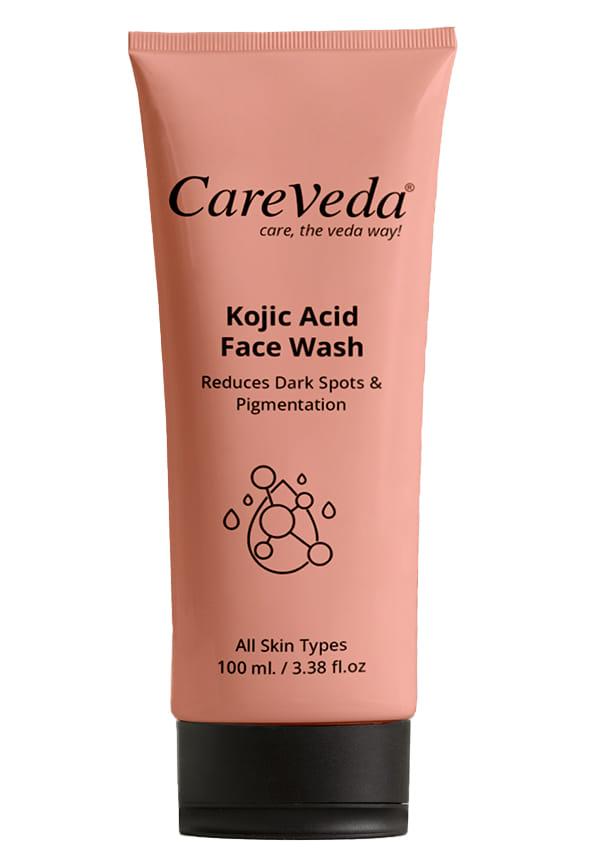
Kojic Acid Face Wash For Reduces Dark Spots & Pigmentation
So, kojic acid or alpha arbutin which is better for hyperpigmentation? The honest answer depends on your skin's tolerance level and how quickly you need results. If you're dealing with sensitive skin or live in a particularly hot, humid area, alpha arbutin's gentler approach might serve you better. However, if you have resilient skin and want faster results, kojic acid could be worth considering.
Understanding the safety profile of each ingredient is crucial, especially when you're planning to use them long-term. Both ingredients are generally safe when used correctly, but they do come with their own considerations.
While generally well-tolerated, disadvantages of alpha arbutin can include contact dermatitis in some individuals, particularly those with very sensitive skin. It's considered safe during pregnancy and breastfeeding, making it a popular choice for women experiencing hormonal pigmentation changes. The gentle nature means you can typically use it twice daily without issues.
Kojic acid requires a bit more caution. Some countries have restrictions on kojic acid concentrations in cosmetic products due to potential irritation and sensitisation. Common side effects include redness, peeling, and increased sensitivity to sun exposure. It's particularly important to introduce kojic acid gradually and always use sun protection when incorporating it into your routine.
India's intense sun and high humidity levels add another layer of consideration. Both ingredients can increase photosensitivity, but this is particularly pronounced with kojic acid. During peak summer months, you might want to use these ingredients primarily in your evening routine and be extra diligent about SPF application during the day.
Here's where things get interesting - you don't necessarily have to choose just one. Many people successfully use both ingredients, either in combination products or by layering them strategically.
Yes, you can use kojic acid and alpha arbutin together, but it requires careful introduction and proper timing. Start with one ingredient for 2-3 weeks, then gradually introduce the second. You might use kojic acid in the evening and alpha arbutin in the morning, or alternate days initially. Some products combine both ingredients, which can be convenient but may increase irritation risk for sensitive skin.
When comparing kojic acid vs alpha arbutin vs niacinamide, consider that niacinamide can actually enhance the effectiveness of both ingredients whilst providing additional benefits like oil control and pore refinement. Niacinamide also helps strengthen the skin barrier, which can reduce irritation from the other actives.
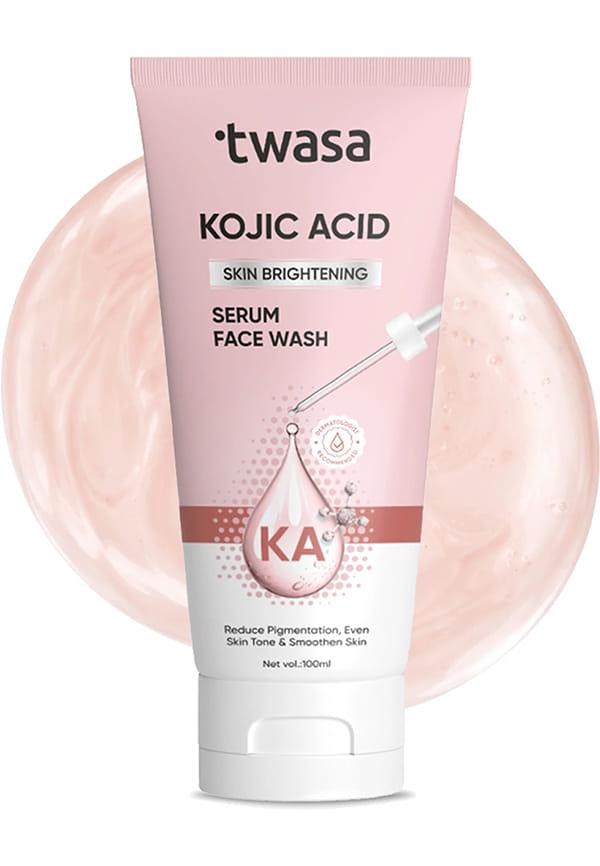
Kojic Acid For Dark Spots, Even Skin Tone & Pigmentation
A well-structured routine might include alpha arbutin in the morning under sunscreen, kojic acid in the evening, and niacinamide as a supporting player that can be used with either. Always introduce new ingredients gradually and listen to your skin's response.
Choosing the right products involves more than just picking the active ingredient - formulation, concentration, and additional supporting ingredients all play crucial roles in effectiveness and tolerability.
Look for products with 1-2% alpha arbutin concentration. In India's humid climate, lightweight serums often work better than heavy creams. Consider products that also include hyaluronic acid for hydration or vitamin C for additional brightening benefits. Budget-friendly options are widely available, making this an accessible choice for most people.
Start with lower concentrations (1-2%) and gradually work up if needed. Serums tend to be more potent than creams, whilst kojic acid soaps offer a gentler introduction to the ingredient. Look for formulations that include soothing ingredients like allantoin or centella asiatica to minimise irritation.
If you prefer natural skin brighteners, consider ingredients like licorice extract, vitamin C, or traditional Indian ingredients like turmeric and sandalwood. These tend to be gentler but may require longer treatment periods to see results.
Proper application can make the difference between success and frustration with any dark spot treatment. Both ingredients require consistent use and proper technique to deliver their best results.
Always start with a patch test on your inner arm or behind your ear. Wait 24-48 hours to check for any reaction. Begin with every other day application for the first week, then gradually increase to daily use as your skin tolerates. Apply to clean, dry skin and always follow with moisturiser and SPF during the day.
Consistency is key with both ingredients. Take progress photos in the same lighting conditions to track improvements accurately. Support your treatment with a gentle cleanser, adequate hydration, and religious sun protection. Remember that results take time - resist the urge to increase frequency or concentration too quickly.
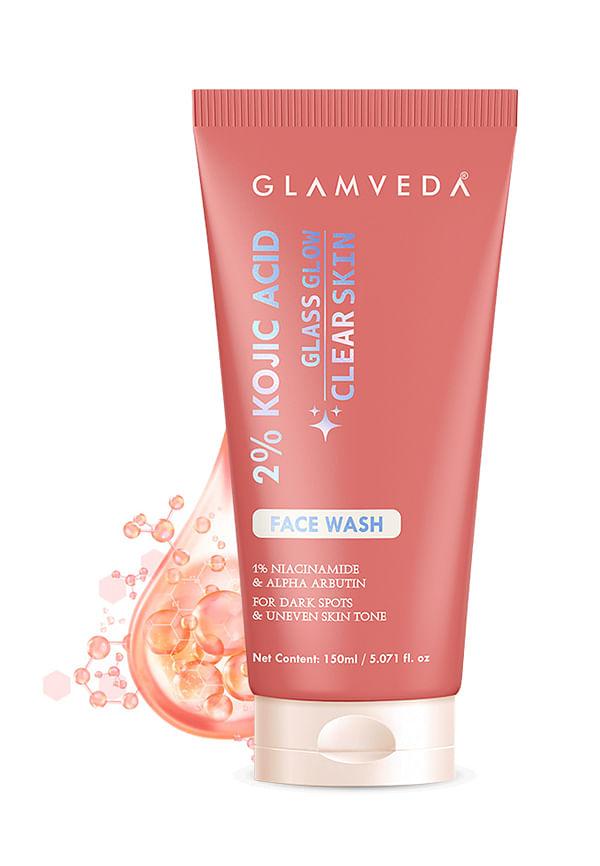
2% Kojic Acid Face Wash With 1% Niacinamide & Alpha Arbutin for dark spot & uneven skin tone clear glow
Don't apply these ingredients to broken or irritated skin. Avoid mixing with other strong actives like retinol or AHAs initially. Never skip sunscreen - both ingredients can make your skin more sensitive to UV damage, potentially worsening pigmentation.
Kojic acid works faster, typically showing results in 4-8 weeks compared to alpha arbutin's 8-12 weeks. However, kojic acid can be more irritating. Alpha arbutin is gentler and better for sensitive skin, though results take longer. Your choice should depend on your skin's tolerance level and how quickly you need to see improvements.
Yes, when introduced gradually and used correctly. Start with one ingredient for 2-3 weeks, then slowly incorporate the other. You can use kojic acid in the evening and alpha arbutin in the morning, or alternate days initially. Some combination products are available, but may increase irritation risk for sensitive skin.
Both are effective for Indian skin tones. Alpha arbutin may be better for those with sensitive skin, which is common in humid climates, whilst kojic acid suits people wanting faster results who can tolerate stronger actives. Consider your local climate and sun exposure levels when choosing.
Kojic acid typically shows improvements in 4-8 weeks with consistent use, whilst alpha arbutin requires 8-12 weeks for visible changes. Consistency and proper application are crucial for both. Take progress photos to track improvements accurately, as changes can be gradual.
Both ingredients can increase photosensitivity, which is particularly important in India's intense sun. Strict SPF 30+ sunscreen use is essential year-round. Consider using these ingredients primarily in evening routines during peak summer months, and always reapply sunscreen throughout the day.
Yes, but humidity can affect product absorption and increase irritation risk for some people. Choose lightweight formulations and ensure products are fully absorbed before applying additional layers. The reduced sun exposure during monsoon can actually be beneficial for pigmentation treatments.
Choosing between alpha arbutin and kojic acid isn't about finding the universally "better" ingredient - it's about finding what works best for your unique skin needs and lifestyle. If you have sensitive skin or prefer a gentler approach, alpha arbutin's steady, reliable action might be perfect for you. If you're dealing with stubborn pigmentation and have resilient skin, kojic acid's faster results could be worth the extra care required.
Remember that successful pigmentation treatment is a marathon, not a sprint. Whichever ingredient you choose, consistency and patience will be your best allies. Don't forget the fundamentals: gentle cleansing, adequate hydration, and diligent sun protection are just as important as your chosen active ingredient.
Your skin will notice the difference when you find the right approach. Whether you're exploring individual ingredients or considering combination treatments, Smytten's curated selection includes trusted brands with proven formulations. If you're curious about trying different products before committing to full sizes, Smytten also offers minis from many skincare brands, letting you test what works best for your skin before making a larger investment.
