Air Conditioning & Skin Hydration in Indian Offices: FAQ

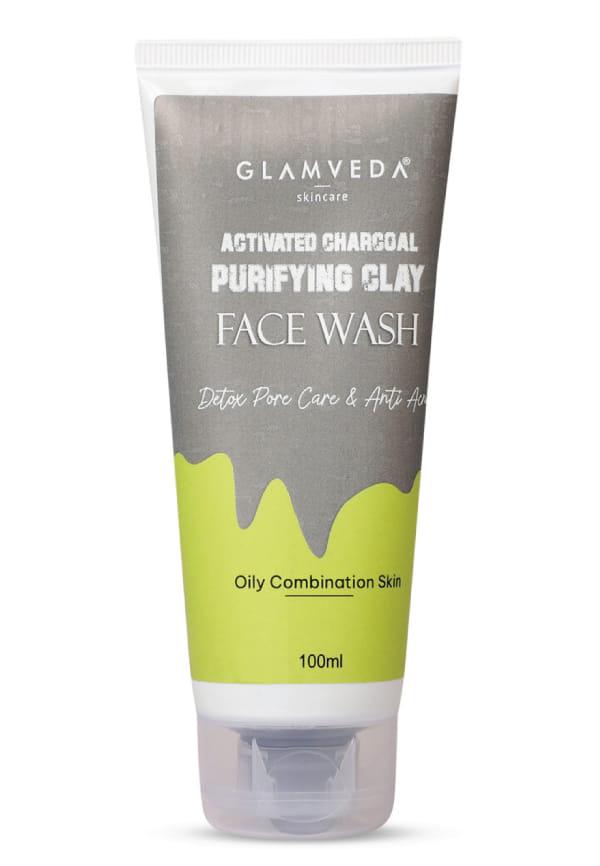
Activated Charcoal Clay Face Wash, Fights Pollution and Acne, Oil Control
That familiar tightness across your cheeks by 3 PM. The way your foundation seems to cling to dry patches that weren't there this morning. If you're working in an Indian office with aggressive air conditioning, you've probably noticed your skin behaving differently. The transition from Mumbai's humid heat to a chilled conference room, or Delhi's scorching afternoons to an arctic office environment, puts your skin through quite the ordeal. Real talk: your office AC might be quietly sabotaging your skin's hydration levels, and it's worth understanding exactly how.
Here's what's actually happening when you step into that blissfully cool office space. Air conditioning systems work by removing moisture from the air to create that crisp, comfortable environment we all crave during Indian summers. The problem? They're incredibly efficient at this job, often dropping indoor humidity levels to 10-20%, when your skin actually thrives in 40-60% humidity.
Your skin loses moisture through a process called transepidermal water loss, or TEWL. Think of it as your skin's natural breathing process, where water evaporates from deeper layers through the surface. In normal humidity, this happens at a steady, manageable rate. But in air conditioning environments, this process goes into overdrive. The dry air essentially pulls moisture from your skin faster than your body can replace it.
The Indian climate context makes this even more challenging. When you're moving from 35°C heat with 70% humidity outside to a 22°C office with 15% humidity, your skin experiences a shock. This extreme transition disrupts your skin's natural barrier function, making it struggle to maintain proper hydration levels throughout the day.
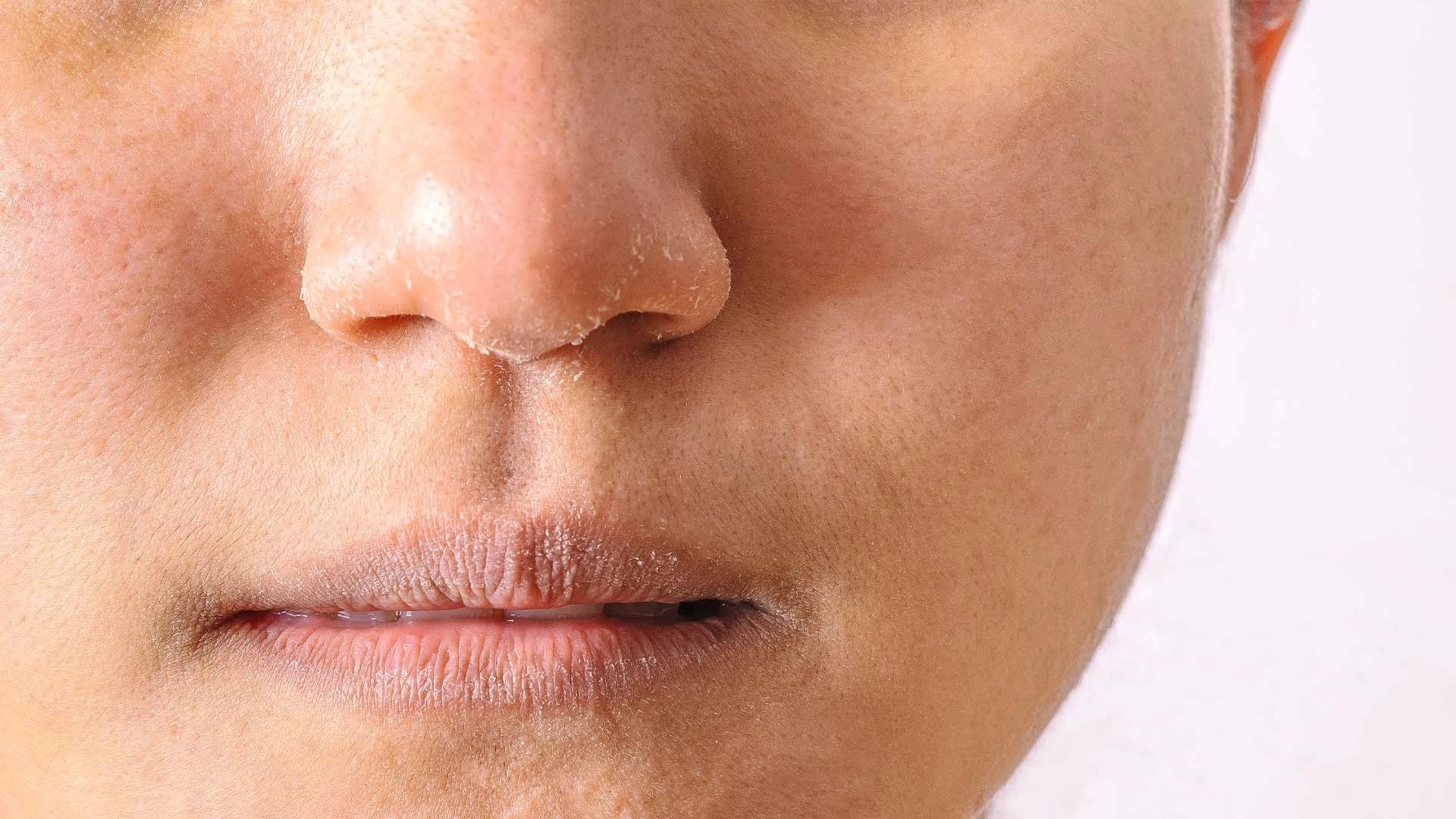
Dry skin in office environments shows up in ways you might not immediately connect to your AC. That slight roughness when you touch your cheeks, the way your concealer seems to emphasise fine lines that weren't visible at home, or how your skin feels tight despite applying moisturiser that morning.
It's important to distinguish between dehydrated skin and naturally dry skin. Dehydration is a temporary condition where your skin lacks water, whilst dry skin is a skin type that lacks oil. Office air conditioning typically causes dehydration, which can affect any skin type, including oily skin. You might notice your T-zone producing more oil to compensate for the moisture loss, whilst your cheeks feel tight and flaky.
Increased sensitivity to products that normally feel fine
Makeup looking patchy or clinging to dry areas
Fine lines appearing more pronounced by afternoon
Skin feeling tight despite morning moisturiser application
Increased breakouts, especially around the jawline and chin
For those with existing skin conditions like eczema or psoriasis, air conditioning effects can trigger flare-ups. The constant moisture extraction can compromise your skin barrier, making it more susceptible to irritation and inflammation.
Working in India means your skin faces a perfect storm of challenging conditions. The extreme temperature shifts from outdoor heat to indoor AC create what dermatologists call "thermal shock" for your skin. In cities like Chennai or Hyderabad, you might experience a 15-20°C temperature drop within seconds of entering your office building.
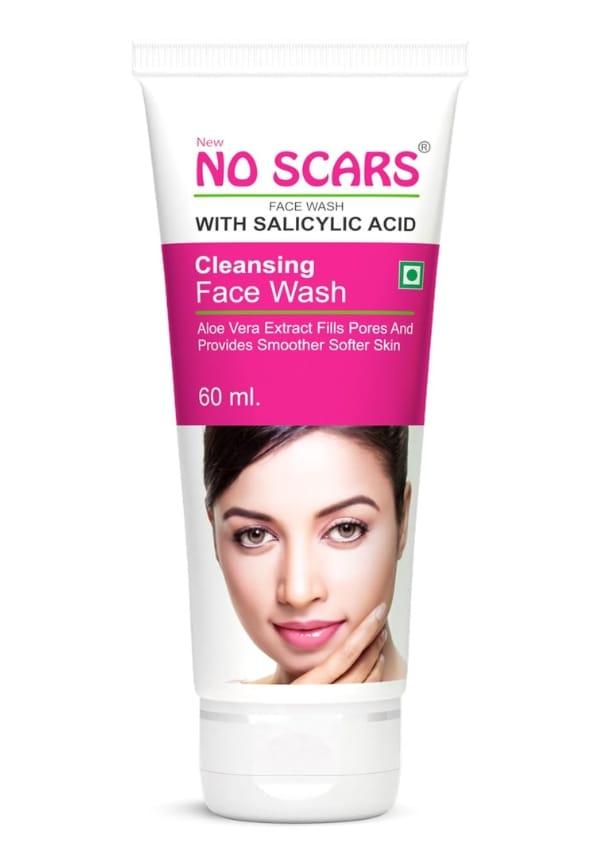
Aloevera Face Wash For Deep Cleansing | Clear Skin, Reduce Acne, Scars For Acne Prone Skin
Pollution adds another layer of complexity. Your skin arrives at the office already stressed from exposure to dust, smog, and UV rays during your commute. Then it's immediately subjected to the drying effects of office air conditioning. This combination can accelerate signs of ageing and compromise your skin's natural protective mechanisms.
Cultural factors also play a role. Many of us aren't in the habit of drinking enough water throughout the day, focusing instead on chai or coffee. This internal dehydration, combined with external moisture loss from AC, creates a double challenge for maintaining skin hydration.
During monsoon season, the contrast becomes even more dramatic. High outdoor humidity followed by aggressive indoor dehumidification can leave your skin confused and reactive. Summer months see the most intensive AC usage, meaning your skin endures this stress for longer periods daily.
Your skin gives you clear signals when air conditioning is affecting its hydration levels. The timeline typically follows a predictable pattern that's worth recognising.
Within the first hour of being in an AC environment, you might notice your lips feeling slightly dry or your skin losing that fresh, dewy feeling from your morning routine. By mid-morning, areas like your forehead and around your nose might start feeling tight. This is your skin's way of telling you it's working harder to retain moisture.
First hour: Subtle tightness, especially around eyes and mouth
Mid-morning: Makeup may start looking less smooth
Afternoon: Noticeable dryness, possible flaking
End of day: Skin feels depleted, fine lines more visible
The relationship between humidity and skin becomes obvious when you step outside for lunch. That immediate relief and plumpness you feel? That's your skin quickly absorbing moisture from the more humid outdoor air.
The good news is that with the right approach, you can maintain healthy skin hydration even in the most aggressively air-conditioned offices. The key is working with your environment rather than against it.
Start with your morning routine. Layer hydrating products, beginning with a hydrating toner or essence, followed by a serum containing hyaluronic acid or glycerin, and seal it all with a good moisturiser. Think of it as creating a moisture reservoir that your skin can draw from throughout the day.

Acne Check Face Wash for Acne-Prone & Oily Skin
Your workspace setup can significantly impact your skin's comfort. If possible, avoid sitting directly under AC vents. The constant stream of dry, cool air will accelerate moisture loss from your skin. Position your desk where you'll get the cooling benefits without the direct airflow.
A small humidifier at your desk can work wonders. Even a basic model that adds 10-15% humidity to your immediate area can help maintain your skin's moisture balance. Many colleagues might appreciate this addition too, as dry office air affects everyone.
Keep a large water bottle at your desk and aim to refill it twice daily
Use a hydrating face mist mid-morning and afternoon
Apply hand cream after every hand wash
Consider a humidifying face mask for particularly dry days
When building an office skincare routine, focus on ingredients that attract and retain moisture. Hyaluronic acid is particularly effective because it can hold up to 1000 times its weight in water. Look for serums or moisturisers containing this ingredient for your morning routine.
Ceramides help repair and strengthen your skin barrier, making it more resilient against environmental stressors like dry AC air. Products containing niacinamide can also help regulate oil production whilst maintaining hydration, making them excellent for combination skin types dealing with AC-related issues.
For budget-conscious options, brands like Cetaphil and WishCare offer effective hydrating products that work well in office environments. Their gentle formulations won't irritate skin that's already stressed from environmental factors.
Your morning routine should focus on protection and hydration. Layer lightweight, hydrating products that won't interfere with makeup application. Evening routines can be more intensive, using richer moisturisers or overnight masks to repair the day's moisture loss.
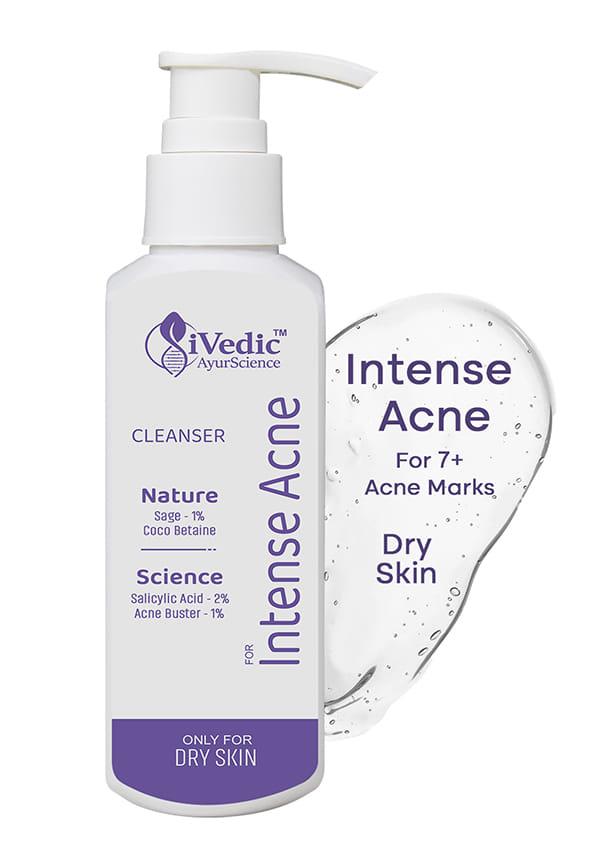
Acne End Face Wash | Only For Dry Skin with Intense Acne
Yes, air conditioning does dehydrate your skin by removing moisture from the air around you. AC systems work by extracting humidity, often reducing indoor levels to 10-20% when your skin functions best at 40-60% humidity. This creates an environment where your skin loses moisture faster than it can naturally replenish it, leading to dehydration, tightness, and potential irritation.
Prevent air conditioning skin dryness by layering hydrating products in your morning routine, using a humidifier at your desk, and avoiding direct AC airflow. Drink plenty of water throughout the day, apply a hydrating face mist mid-afternoon, and use a richer moisturiser in the evening to repair moisture loss. Keep hand cream nearby and reapply after washing hands.
The 3-minute rule suggests gradually adjusting to temperature changes rather than immediately entering extremely cold environments. For your skin, this means allowing a brief transition period when moving from hot outdoor conditions to cold AC spaces. This helps prevent thermal shock that can disrupt your skin's natural barrier function and moisture balance.
For skin hydration, fans are generally gentler as they don't remove moisture from the air like AC systems do. However, in India's extreme heat, AC is often necessary for comfort and productivity. The key is using AC mindfully - setting temperatures moderately (24-26°C rather than 18-20°C) and maintaining proper skincare routines to counteract drying effects.
Office air conditioning can contribute to various skin issues including dehydration, increased sensitivity, premature fine lines, and flare-ups of existing conditions like eczema. The constant exposure to low humidity environments disrupts your skin's natural moisture barrier, making it more susceptible to irritation and environmental damage.
You might notice initial effects within the first hour of AC exposure, with skin feeling slightly tight or less supple. More noticeable air conditioning effects typically develop after 4-6 hours of continuous exposure. Chronic effects from daily office AC exposure can develop over weeks or months, including increased sensitivity and premature ageing signs.
Understanding how air conditioning affects skin hydration levels helps you take proactive steps to protect your skin health. The key is recognising that your office environment significantly impacts your skin's daily needs and adjusting your routine accordingly.
Focus on building a robust morning hydration routine, making small environmental adjustments where possible, and being consistent with protective measures. Your skin's resilience will improve over time as you develop habits that work with your office environment rather than against it.
For those looking to experiment with different hydrating products without committing to full sizes, platforms like Smytten offer an excellent way to test various brands and formulations. With access to minis from trusted skincare brands, you can discover what works best for your skin's specific needs in your office environment. It's a practical approach to building an effective routine that keeps your skin comfortable and healthy, regardless of how aggressive your office AC might be.
