AHA vs BHA vs PHA: Understanding the Differences Explained
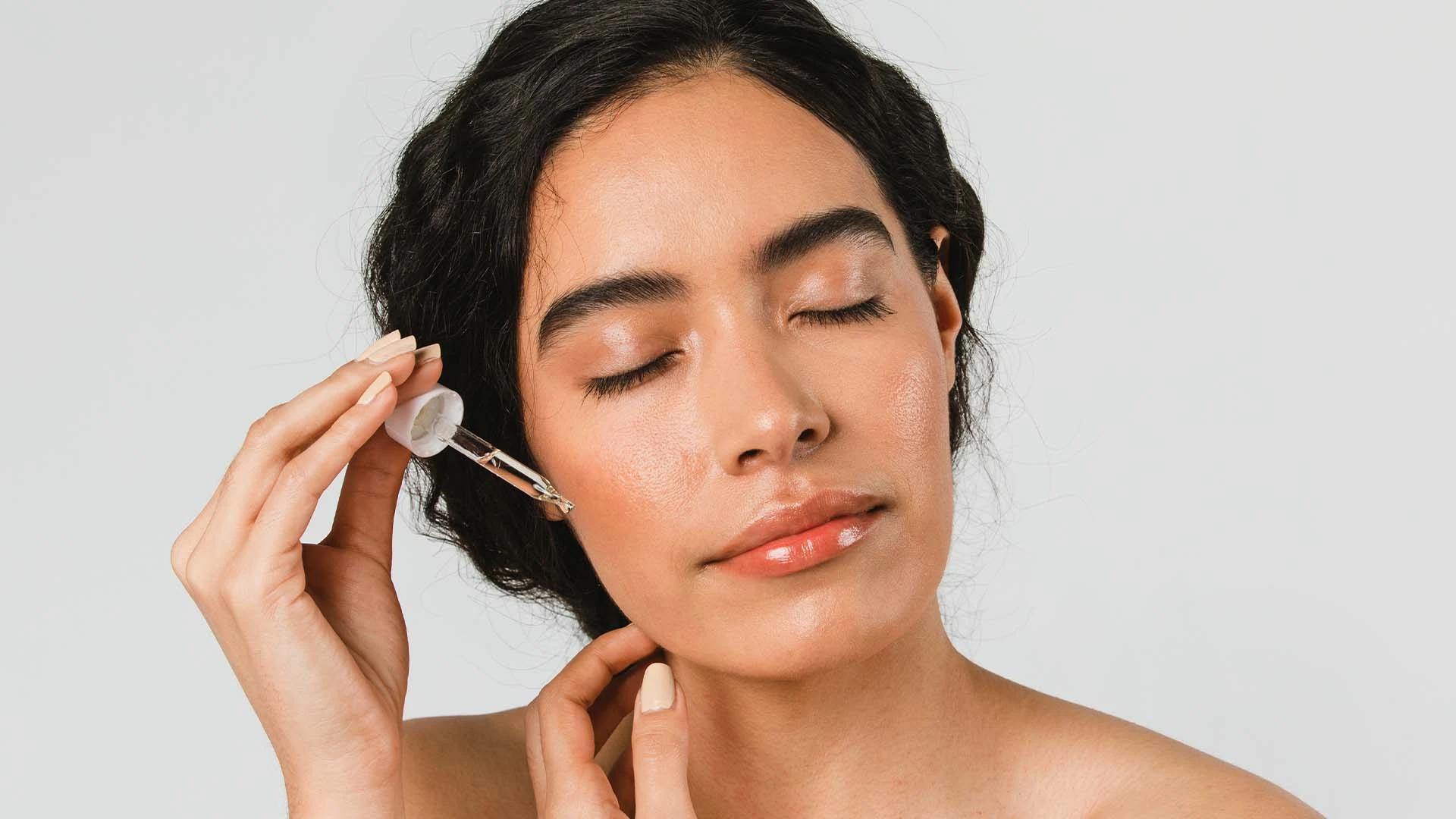

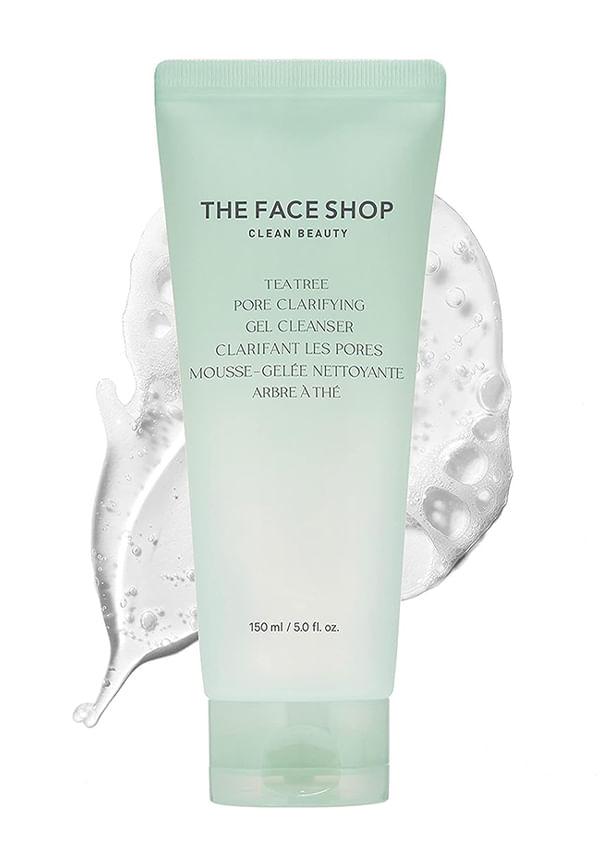
AHA, Ip- BHA, PHA & Hyaluronic Tea Tree Pore Gel Cleanser
Navigating the world of chemical exfoliants can feel like decoding a skincare puzzle. You've probably heard about AHA, BHA, and PHA floating around beauty conversations, but what do these acronyms actually mean for your skin? Let's break down the aha vs bha vs pha differences explained in a way that makes sense. Whether you're dealing with stubborn blackheads, dull skin, or sensitivity issues, understanding these exfoliating acids will help you make smarter choices for your skincare routine. Real talk—once you know which acid works for your skin type, you'll wonder how you ever managed without them.
Think of chemical exfoliants as your skin's gentle renovation crew. Unlike physical scrubs that manually buff away dead skin, these exfoliating acids work at a molecular level to dissolve the bonds holding dead skin cells together. It's like having a microscopic cleaning service that knows exactly what needs to go and what should stay.
The magic happens through skin resurfacing—a process where acids gently remove the top layer of dead skin to reveal fresher, smoother skin underneath. There are three main types of exfoliants in the chemical family: AHA (Alpha Hydroxy Acids), BHA (Beta Hydroxy Acids), and PHA (Polyhydroxy Acids). Each one has its own superpower, targeting different skin concerns with varying levels of intensity.
AHAs are the water-loving acids that work their magic on your skin's surface. These exfoliating acids are derived from natural sources—think sugar cane (glycolic acid), sour milk (lactic acid), and bitter almonds (mandelic acid). They're brilliant at surface-level skin resurfacing, making them your go-to for tackling dullness and rough texture.
Alpha Hydroxy Acids are water-soluble molecules that can't penetrate deep into your pores. Instead, they focus on the skin's surface, breaking down the glue that holds dead skin cells together. The most common AHAs you'll encounter are glycolic acid (the smallest and most potent), lactic acid (gentler and hydrating), and mandelic acid (the gentlest option with larger molecules).
The aha benefits for skin are pretty impressive when it comes to surface-level improvements. These acids excel at removing dead skin buildup, which instantly makes your complexion look brighter and more radiant.
• Smooths rough, bumpy texture • Fades dark spots and hyperpigmentation • Reduces the appearance of fine lines • Improves overall skin brightness • Helps skincare products absorb better • Evens out skin tone
AHAs work brilliantly for dry, sun-damaged, or mature skin that needs a brightness boost. If you're dealing with rough patches, uneven tone, or early signs of ageing, AHAs might just become your new fave. They're also great for normal skin that just wants that extra glow.
BHA is essentially salicylic acid—the oil-soluble hero that can dive deep into your pores. Unlike its water-loving AHA cousins, BHA has the unique ability to cut through oil and sebum, making it the best acid for skin that's prone to breakouts and congestion.
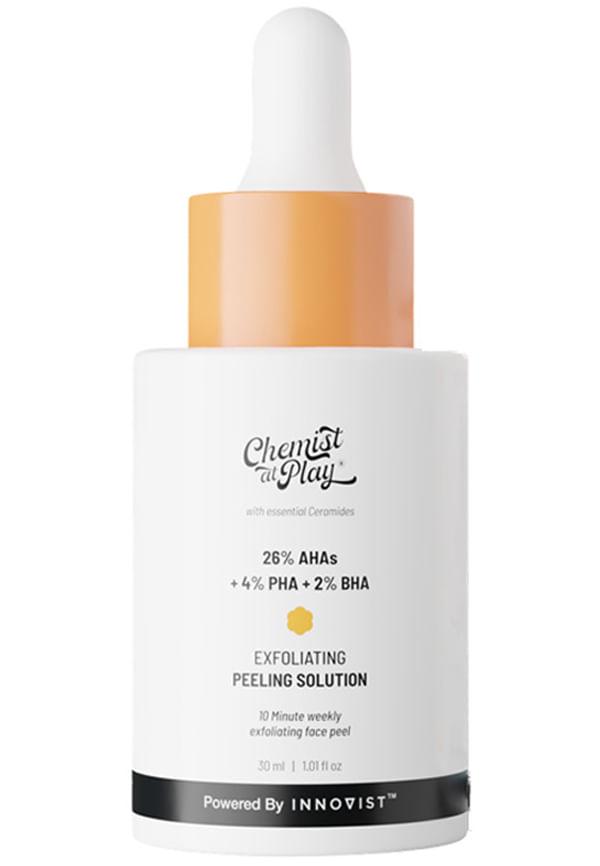
26% AHA 2% BHA 4% PHA Peeling Solution
Beta Hydroxy Acid is primarily represented by salicylic acid, derived from willow bark. Its oil-soluble nature means it can penetrate through the sebum in your pores, making it incredibly effective at clearing out blackheads and preventing future breakouts. Think of it as a deep-cleaning service for your pores.
The bha benefits for skin are particularly impressive for anyone dealing with oily or acne-prone skin. This acid doesn't just work on the surface—it goes deep to tackle problems at their source.
• Unclogs pores and removes blackheads • Reduces excess oil production • Fights acne-causing bacteria • Minimises pore appearance • Reduces inflammation and redness • Prevents future breakouts • Smooths skin texture
If you're constantly battling oily skin, blackheads, or acne, BHA is worth obsessing over. It's also brilliant for combination skin types where you need targeted treatment for your T-zone without over-drying other areas.
PHAs are the newest kids on the chemical exfoliants block, and they're making waves for all the right reasons. These gentle acids offer the pha benefits for skin without the potential irritation that can come with stronger acids, making them perfect for sensitive skin types.
Polyhydroxy Acids have larger molecular structures compared to AHAs and BHAs, which means they can't penetrate as deeply into the skin. This might sound like a disadvantage, but it's actually their superpower—they provide gentle exfoliation while maintaining your skin's moisture barrier.
The pha benefits for skin extend beyond just gentle exfoliation. These acids are like the caring friend who gets the job done without causing drama.
• Provides mild exfoliation without irritation • Maintains skin hydration levels • Strengthens the skin barrier • Offers antioxidant protection • Suitable for sensitive skin conditions • Delivers anti-ageing benefits gradually • Won't cause photosensitivity
PHAs are your kind of pick if you have sensitive, reactive skin or conditions like rosacea or eczema. They're also perfect for beginners who want to dip their toes into aha bha pha exfoliation without the risk of irritation.
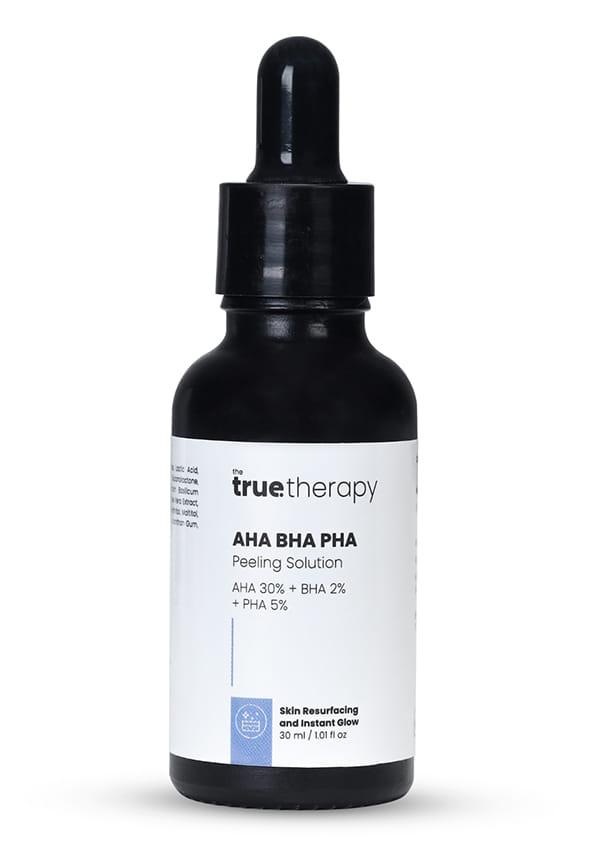
30% AHA 2% BHA 5% PHA Skin Peel
Now for the main event—understanding the aha vs bha vs pha differences explained in a way that actually helps you choose. Each acid family has its own strengths, and knowing these differences will help you pick your perfect match.
Think of molecular size like keys to different doors in your skin. AHAs have small to medium-sized molecules that work on the surface, BHAs are oil-soluble and can penetrate deep into pores, while PHAs have large molecules that stay on the surface for gentle action.
AHAs and PHAs are water-soluble, making them brilliant for dry or normal skin types. BHA's oil-soluble nature makes it the perfect match for oily, acne-prone skin. This solubility difference is key to understanding which acid will work best for your skin type.
From gentlest to strongest, the order typically goes: PHA (mildest), AHA (moderate), BHA (can be strong but well-tolerated by oily skin). PHAs rarely cause irritation, AHAs can cause initial tingling or redness, and BHAs might cause dryness if overused.
AHAs excel at surface concerns like dullness and fine lines, BHAs target deep pore issues and acne, while PHAs focus on gentle improvement for sensitive skin. Understanding your primary skin concern will guide you to the right acid family.
Choosing the best acid for skin isn't about following trends—it's about understanding what your skin actually needs. Let's break down how to make this decision without the guesswork.
Start by identifying your main skin concerns. Are you dealing with dullness and rough texture? AHA might be your answer. Struggling with blackheads and oily skin? BHA could be your new fave. Have sensitive skin that reacts to everything? PHA is worth a try.
Here's where it gets interesting—you don't always have to choose just one. Many people successfully use aha bha pha in rotation or combination, depending on their skin's needs. You might use BHA on your T-zone and AHA on your cheeks, or alternate between different acids on different days.
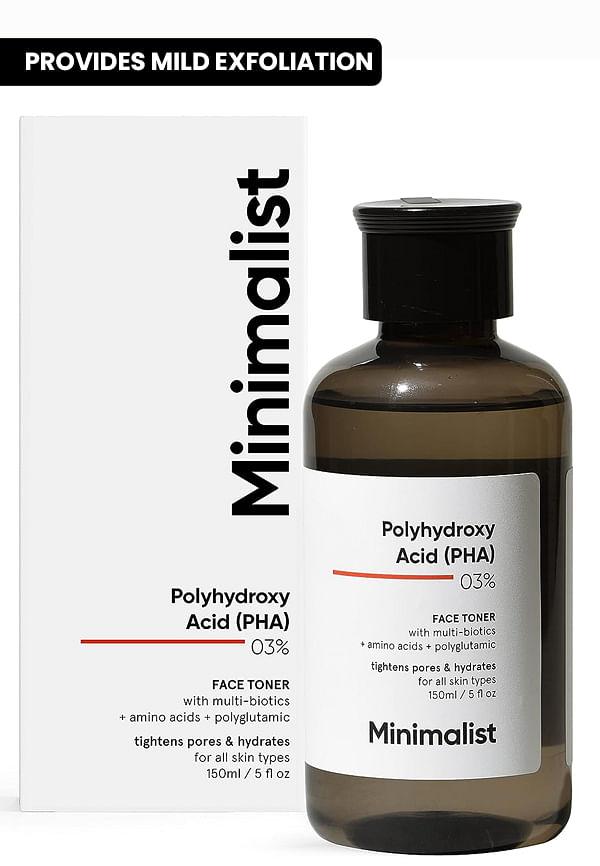
3% Pha Face Toner For Oily Skin - Alcohol Free Toner
If you're new to chemical exfoliants, start slow and patch test everything. Begin with the gentlest option (usually PHA), use it once or twice a week, and gradually increase frequency as your skin builds tolerance.
This is where platforms like Smytten become incredibly valuable. Instead of committing to full-size products without knowing how your skin will react, you can try mini versions of different acid treatments. With over 1,500 trusted brands including Dot & Key and Cetaphil, you can explore various exfoliating acids through Trial Orders, making product discovery both affordable and smart.
There's no universal "better" option—it depends entirely on your skin type and concerns. AHA works brilliantly for surface issues and anti-ageing, BHA excels for oily, acne-prone skin, and PHA is perfect for sensitive skin types.
Yes, you can use PHA and BHA together, but start slowly. PHA's gentle nature makes it a good companion to BHA, especially if you have combination skin. Try using them on alternate days initially.
PHA is better for sensitive skin and beginners, while AHA is more effective for visible results like brightening and anti-ageing. If you can tolerate AHA without irritation, it might give you faster results.
AHA stands for Alpha Hydroxy Acids, BHA for Beta Hydroxy Acids, and PHA for Polyhydroxy Acids. These names refer to their chemical structures and how they interact with your skin.
Salicylic acid is a BHA (Beta Hydroxy Acid). It's oil-soluble and can penetrate deep into pores, unlike AHAs which are water-soluble and work on the surface.
Understanding the aha vs bha vs pha differences explained is your first step towards building a skincare routine that actually works for your unique needs. Whether you're drawn to AHA's brightening power, BHA's deep-cleaning abilities, or PHA's gentle approach, the key is starting slowly and listening to your skin.
Remember, skincare isn't about using every trending ingredient—it's about finding what works for you. With Smytten's trial platform, you can explore different chemical exfoliants from trusted brands without the commitment of full-size purchases. Getting up to 8 minis for just ₹249 with 100% cashback makes it easier than ever to discover your perfect acid match. After all, why settle for 'maybe' when you can Try It All and find what truly works for your skin?
