AHA vs BHA for Indian Skin: A Complete Exfoliant Tutorial

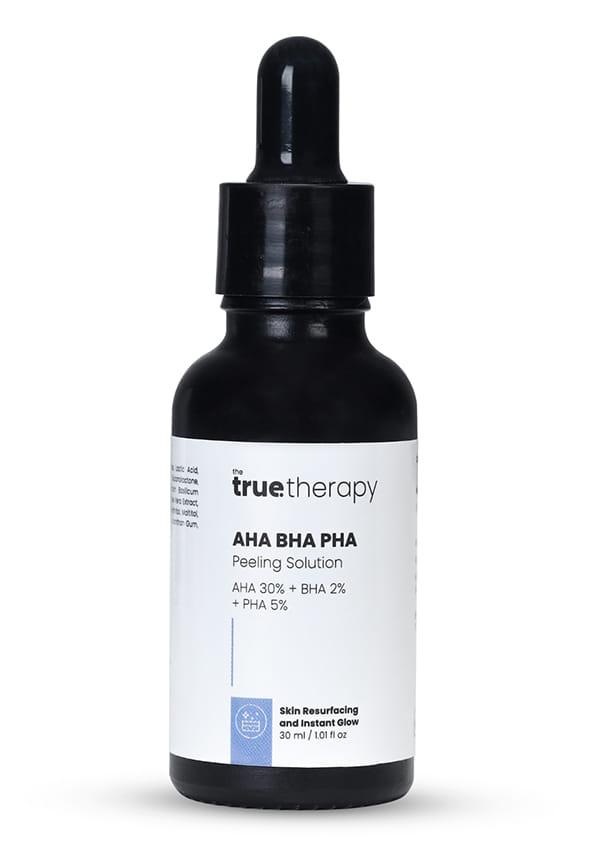
30% AHA 2% BHA 5% PHA Skin Peel
Excellent Product & Delivery
 5
5“This product truly stands out for its quality and performance. It delivers excellent results and exceeds expectations in every use. The packaging is sturdy and user-friendly, enhancing overall satisfaction. Purchased from a reliable online platform, the delivery was prompt, and the product arrived in perfect condition—highly recommended for regular use.”
You've been scrolling through skincare advice for ages, and everyone keeps mentioning AHA and BHA. But which one actually works for Indian skin? With our climate throwing humidity, pollution, and intense sun at us daily, choosing the right chemical exfoliant feels overwhelming. Let's break down exactly what your skin needs, because the right exfoliant can genuinely transform how your skin handles everything from monsoon breakouts to post-Diwali dullness.
Chemical exfoliants for skin work differently than those grainy scrubs that leave your face red and angry. Instead of physically rubbing away dead skin, they use gentle acids to dissolve the bonds holding old skin cells together. Think of them as your skin's reset button, but much more sophisticated.
AHAs (Alpha Hydroxy Acids) come from natural sources like sugar cane, milk, and fruits. The most common ones you'll see are glycolic acid, lactic acid, and mandelic acid. These water-soluble acids work on your skin's surface, making them brilliant for tackling hyperpigmentation and rough texture that Indian skin often deals with due to sun exposure.
BHAs (Beta Hydroxy Acids), primarily salicylic acid, are oil-soluble. This means they can dive deep into your pores, cutting through sebum and clearing out all that gunk that builds up in our humid climate. If you've ever wondered why your pores look more obvious during Mumbai's monsoon season, BHA is your answer.
Why does this matter for Indian skin specifically? Our climate creates a perfect storm of excess oil production, pollution buildup, and UV damage. Physical scrubs can actually worsen inflammation and create micro-tears, whilst AHA BHA exfoliant options work gently and consistently.
Here's where it gets interesting. AHAs are water-loving, so they work on the surface where dead skin cells hang about, creating that dull, uneven texture. BHAs prefer oil, so they travel through your sebum right into your pores. This is why salicylic acid is so effective for those stubborn blackheads that seem impossible to shift, especially around your nose and chin.
If you're dealing with hyperpigmentation, uneven skin tone, or that general dullness that comes from pollution and stress, AHA for Indian skin might be exactly what you need. These acids are particularly effective at addressing the surface-level concerns that many of us face.
Glycolic acid is the smallest molecule, which means it penetrates quickly and works fast. It's brilliant for experienced users who want to tackle stubborn dark spots or fine lines. However, it can be quite strong, so if you're new to acids, start elsewhere.
Lactic acid is gentler and actually has hydrating properties. This makes it perfect for Indian skin that might be dehydrated from air conditioning or harsh cleansers. It's particularly good if you have sensitive skin but still want the benefits of exfoliation for hyperpigmentation.
Mandelic acid has the largest molecule size, making it the gentlest option. If you're nervous about starting acids or have reactive skin, this is your friend. It works slowly but surely, and you're less likely to experience irritation.
Start with concentrations between 5-10% and use them only 2-3 times per week initially. The key with AHAs is patience and consistency. Your skin needs time to adjust, especially if you're used to harsh scrubs or strong face washes. Always apply SPF the next morning, as AHAs can make your skin more sensitive to our intense Indian sun.
If your skin feels congested, especially during humid months, BHA for Indian skin could be your game-changer. Salicylic acid is the star here, and it's particularly effective for our climate because it can cut through the excess oil that our skin produces in response to heat and humidity.
The oil-soluble nature of BHA means it can reach places that water-based products simply can't. Those stubborn blackheads around your nose? The tiny bumps on your forehead that appear after a particularly sweaty day? BHA addresses these by literally dissolving the mix of oil and dead skin cells that create congestion.
What makes AHA vs BHA for acne an interesting comparison is that whilst AHAs work on surface texture and pigmentation left behind by breakouts, BHAs prevent new breakouts by keeping pores clear. If you're dealing with active acne, BHA is typically more effective.
For daily use, concentrations between 0.5-2% work well for most Indian skin types. You can use BHA both morning and evening, though many people prefer evening application. Unlike AHAs, BHAs are less likely to increase sun sensitivity, but you should still use SPF daily.
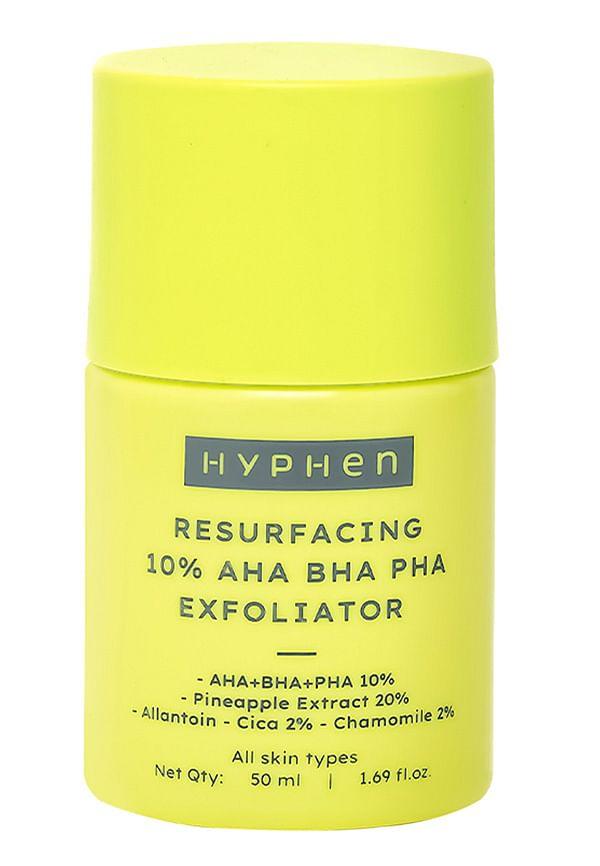
Resurfacing 10% AHA BHA PHA Exfoliator
The real question isn't whether AHA or BHA is better overall, but which one addresses your specific skin concerns. Your skin type, current issues, and even the season can influence which best exfoliants for face will work for you.
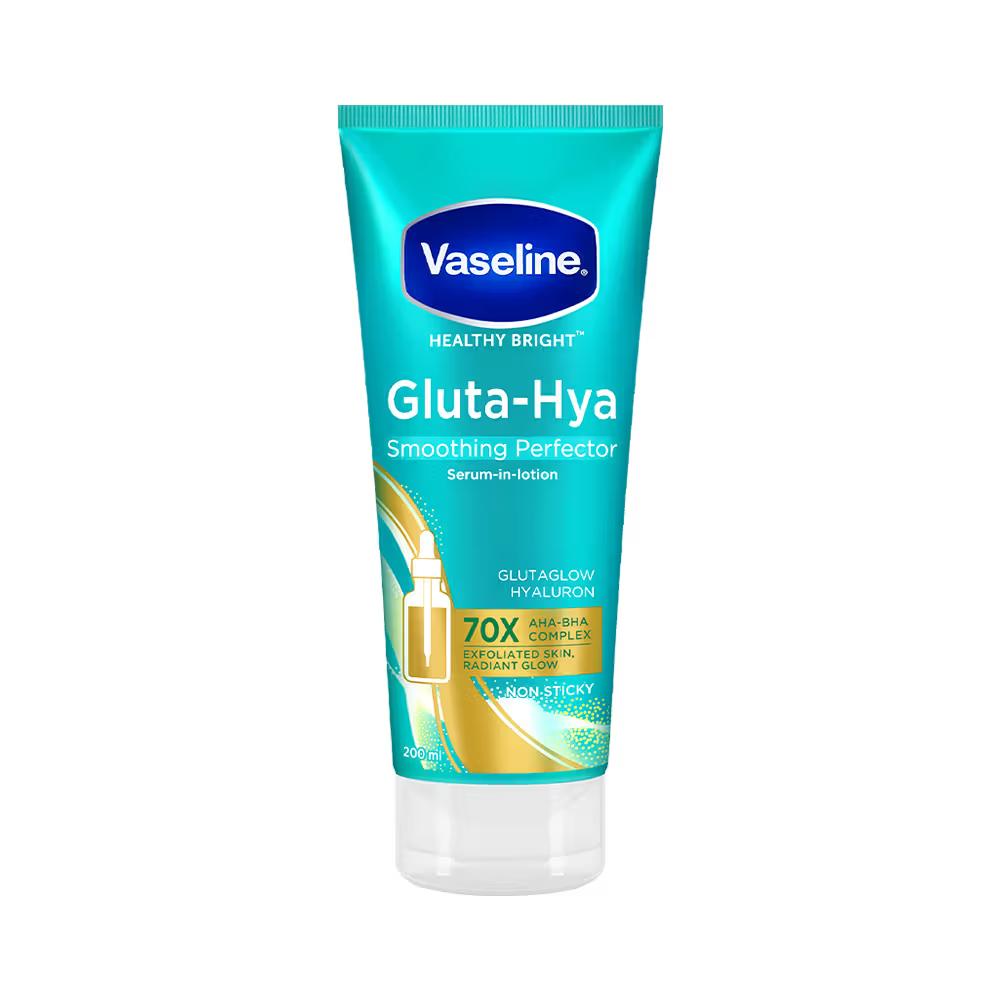
If you want AHA and BHA benefits for rough, bumpy body skin, Vaseline Gluta-Hya AHA + BHA Exfoliating Body Lotion is worth considering. This daily serum-in-lotion helps exfoliate dead skin cells while delivering weightless hydration, making rough areas look smoother, more refined and radiant. The 70X AHA + BHA complex works on uneven texture and buildup, making it useful for strawberry skin on areas like the arms, thighs and knees.
For oily and acne-prone skin, BHA should be your priority. Salicylic acid will help control the excess oil production that's common in Indian climates and prevent those clogged pores that turn into breakouts. You can add a gentle AHA later if you want to address any post-acne marks.
For dry and mature skin, AHAs are typically more beneficial. Lactic acid, in particular, can help with both exfoliation and hydration. If you have some congestion, you might add a low-concentration BHA once or twice a week.
For sensitive skin, start with mandelic acid. It's the most gentle exfoliant for Indian skin and will help you build tolerance. Avoid high-concentration glycolic acid initially, and always patch test new products.
For combination skin, you might benefit from using both, but in different areas. Apply BHA to your oily T-zone and AHA to drier areas like your cheeks. Alternatively, alternate between them on different days.
If you have exfoliants for sensitive skin concerns, the key is starting slowly and building tolerance gradually. Many people make the mistake of jumping in with daily use or high concentrations, which can lead to irritation, redness, and damaged skin barrier.
Start with once-weekly application of your chosen acid. Use it in the evening, followed by a gentle moisturiser. After two weeks, if your skin is responding well, increase to twice weekly. Only after a month should you consider more frequent use.
Watch for signs of over-exfoliation: persistent redness, stinging when applying other products, increased sensitivity, or paradoxically, more breakouts. If you notice these signs, reduce frequency and focus on repairing your skin barrier with gentle, hydrating products.
Our climate adds extra considerations. During monsoon season, your skin might be more sensitive due to humidity and temperature fluctuations. Summer heat can make acids feel more intense. Pay attention to how your skin responds during different seasons and adjust accordingly.
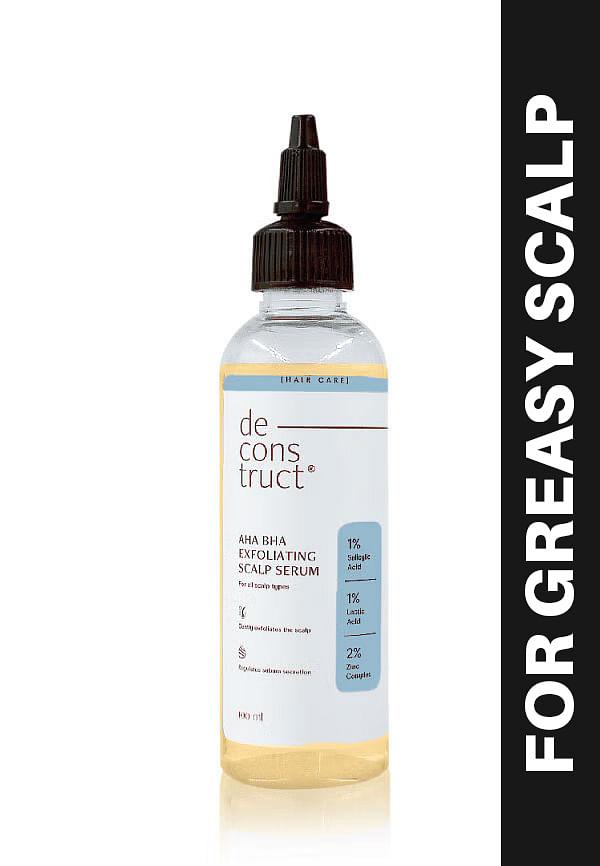
AHA BHA Exfoliating Scalp Serum - 1% Salicylic Acid + 1% Lactic Acid + 2% Zinc Complex
Yes, but not necessarily at the same time. Many people successfully use both by alternating days or applying them to different areas of their face. Start with one acid, build tolerance, then gradually introduce the second. Some people use BHA in the morning and AHA in the evening, whilst others prefer alternating days.
AHAs are generally more effective for hyperpigmentation because they work on the surface where pigmentation sits. Glycolic acid and lactic acid are particularly good for fading dark spots and evening out skin tone. BHAs can help prevent new pigmentation by keeping pores clear and reducing inflammation.
You might notice smoother texture within a week or two, but significant improvements in hyperpigmentation or acne typically take 6-12 weeks of consistent use. Be patient and consistent rather than increasing concentration or frequency too quickly.
Initial breakouts can be normal as acids bring congestion to the surface. However, if breakouts persist beyond 4-6 weeks or if you experience irritation, reduce frequency or concentration. Sometimes what feels like a breakout is actually over-exfoliation.
Choosing between AHA and BHA doesn't have to be an either-or decision. Understanding your skin's specific needs and current concerns will guide you towards the right choice. Whether you're dealing with post-monsoon congestion, summer hyperpigmentation, or year-round sensitivity, there's a chemical exfoliant that can help.
Remember that consistency matters more than concentration. A gentle acid used regularly will give you better results than a strong one used sporadically. Your skin will notice the difference when you find the right routine and stick with it.
If you're curious about trying different exfoliating acids but not ready to commit to full-size products, exploring curated options can help you discover what works best for your skin. Smytten's platform lets you try minis from trusted brands before investing in full-size products, making it easier to find your perfect acid match without the guesswork.
