Acne Prone Skin Care India FAQ: Your Questions Answered


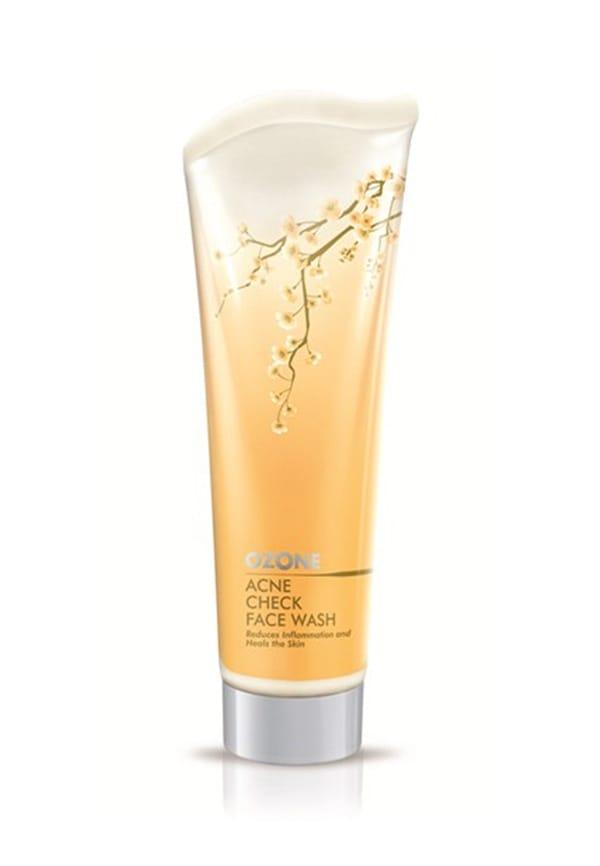
Acne Check Face Wash for Acne-Prone & Oily Skin
That stubborn breakout on your chin just won't budge, and you're wondering if it's your face wash, the humidity, or just bad luck. If you're dealing with acne-prone skin in India, you're definitely not alone. Between our unpredictable weather, pollution levels, and the overwhelming number of skincare products claiming to be the 'ultimate acne solution,' finding what actually works can feel impossible. Real talk: managing acne-prone skin here requires understanding both the science and the practical realities of Indian skincare.
India's climate presents unique challenges for acne-prone skin that many international skincare guides simply don't address. The combination of high humidity, sudden temperature changes, and urban pollution creates the perfect storm for breakouts.
Humidity is both friend and foe for acne-prone skin. While it prevents excessive dryness, it also means your skin produces more oil to cope with the moisture in the air. This excess sebum, combined with dead skin cells and bacteria, clogs pores and leads to breakouts. Cities like Mumbai and Chennai, with humidity levels often exceeding 80%, see higher rates of hormonal acne and congestion compared to drier regions.
Your daily routine might be sabotaging your skin without you realising it. Frequent mask-wearing during commutes, switching between air-conditioned spaces and outdoor heat, and even the hard water in many Indian cities can trigger breakouts. Post-gym congestion is particularly common when sweat mixes with pollution particles on your skin.
Urban pollution doesn't just sit on your skin's surface—it penetrates pores and triggers inflammatory responses. Combined with India's intense UV exposure, this creates a cycle of PIH (post-inflammatory hyperpigmentation) that makes acne scars more prominent and longer-lasting than in other climates.
Building an effective routine for acne-prone skin means understanding that less is often more, especially when dealing with India's challenging environmental factors. Your skin needs consistent care, not complicated 10-step routines that can overwhelm already sensitive skin.
Start with a gentle cleanser containing salicylic acid or niacinamide to remove overnight oil buildup without stripping your skin. Follow with a lightweight, non-comedogenic moisturiser—yes, even oily skin needs hydration. Apply a broad-spectrum SPF 30 or higher that won't clog pores. This simple routine protects against pollution and prevents dehydration that can trigger more oil production.
Evening routines should focus on repair and treatment. Double cleanse if you've worn makeup or spent time in heavily polluted areas. Apply targeted treatments with ingredients like benzoyl peroxide or retinoids to active breakouts. Finish with a slightly richer moisturiser to support your skin's overnight repair process.
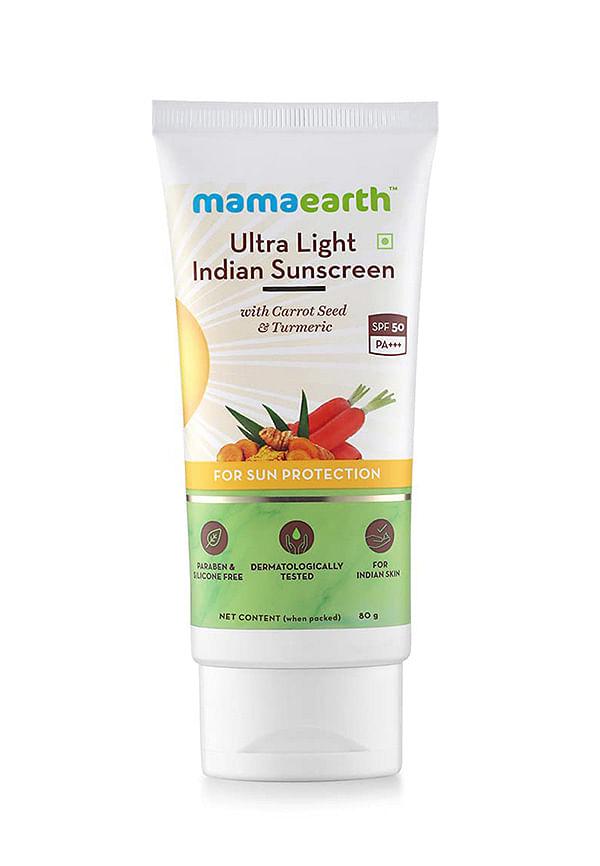
Ultra Light indian Sunscreen
Once or twice weekly, incorporate AHAs like glycolic acid to gently exfoliate and prevent pore congestion. Clay masks with neem or tea tree oil can help absorb excess oil without over-drying. Always follow exfoliation with extra hydration and never skip SPF the next day.
Choosing the right cleanser is crucial for managing acne-prone skin, especially when you need something that works in Indian conditions without breaking your budget. The key is finding products that clean effectively without disrupting your skin's natural barrier.
Salicylic acid remains the gold standard for acne-prone skin, penetrating oil-filled pores to clear congestion. Neem offers natural antibacterial properties that work well for sensitive Indian skin types. Tea tree oil provides antimicrobial benefits, though it should be used in low concentrations to avoid irritation. Look for cleansers that combine these with gentle surfactants rather than harsh sulphates.
Traditional bar soaps often have high pH levels that can disrupt your skin's acid mantle, leading to increased oil production and irritation. Soap-free cleansers maintain your skin's natural pH balance while effectively removing dirt, oil, and pollution. This is particularly important in India's hard water areas, where soap can leave residue that clogs pores.
Effective acne care doesn't require expensive products. Many dermatologist-recommended cleansers available in India fall within the ₹200-₹500 range and offer excellent results. Look for brands that focus on simple, effective formulations rather than fancy packaging or marketing claims.
Managing acne requires more than just a good cleanser. Building an effective treatment routine means understanding which products work together and how to introduce them gradually to avoid irritation.
For active breakouts, targeted treatments with benzoyl peroxide or salicylic acid can significantly reduce inflammation and healing time. Apply these only to affected areas to avoid unnecessary dryness. Many effective spot treatments in India are available for under ₹300 and provide results within 3-5 days of consistent use.
Even acne-prone skin needs proper hydration. Look for lightweight, gel-based moisturisers containing hyaluronic acid or niacinamide. These ingredients provide hydration without adding oil or clogging pores. Proper moisturising actually helps regulate oil production and prevents the overcompensation that leads to more breakouts.
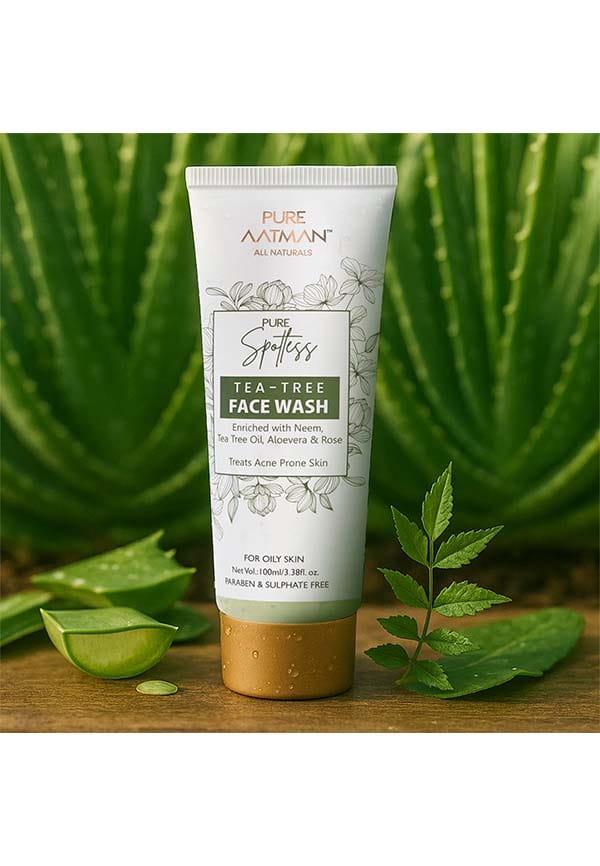
Face wash for women for Acne Prone Skin with Neem & Tea Tree Dry Skin Pigmentation
Sun protection is non-negotiable for acne-prone skin, especially to prevent PIH and acne scarring. Choose mineral sunscreens with zinc oxide or titanium dioxide, or lightweight chemical sunscreens specifically formulated for acne-prone skin. Many Indian brands now offer excellent non-comedogenic options under ₹400.
India's rich tradition of natural skincare offers several effective options for managing acne-prone skin. While these shouldn't replace proven medical treatments for severe acne, they can complement your routine and provide gentle, affordable care.
Neem has been scientifically proven to have antibacterial and anti-inflammatory properties that help reduce acne-causing bacteria. Turmeric contains curcumin, which can help calm inflammation and reduce redness. Fresh aloe vera gel provides soothing hydration without clogging pores. These ingredients work best when used consistently as part of a simple routine.
Simple masks using multani mitti (fuller's earth) mixed with rose water can help absorb excess oil without over-drying. Oatmeal mixed with honey provides gentle exfoliation and antibacterial benefits. However, always patch test homemade treatments and avoid ingredients like lemon juice, which can cause photosensitivity and irritation.
Natural remedies work well for mild acne and as supportive care alongside medical treatments. However, moderate to severe acne, cystic breakouts, or acne that's causing significant scarring requires professional treatment. Don't delay seeking dermatological help if natural methods aren't providing improvement within 6-8 weeks.
Quality acne care doesn't have to cost a fortune. With smart product choices and understanding which ingredients actually work, you can build an effective routine without overspending.
A basic but effective routine might include a salicylic acid cleanser (₹250), a niacinamide serum (₹300), a lightweight moisturiser (₹200), and a good sunscreen (₹250). This covers all the essentials for managing acne-prone skin without unnecessary extras that might irritate sensitive skin.
Look for products that serve multiple functions—moisturisers with SPF, cleansers with treatment ingredients, or serums that address both acne and hyperpigmentation. These can simplify your routine while reducing costs and the risk of product interactions.
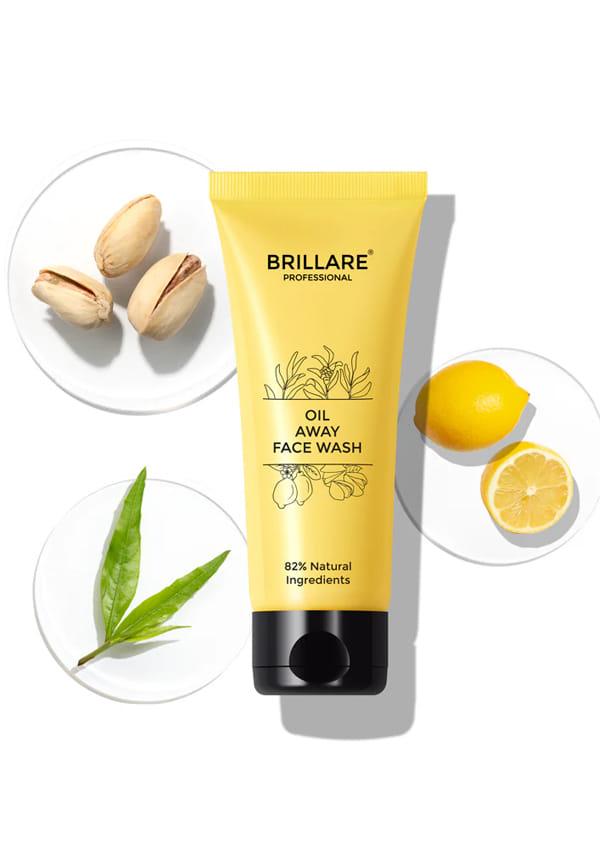
Oil Away Sulfate Free Face Wash, Acne Prone Skin
Love This Product
 5
5“love this product is ordered it everytime”
Brillare Quality Confirmed by Salon Use
5“brillare products r even used in enrich salons so quality n result is confirmed”
New Holy Grail Product
5“This is my new holy grail! It's worth every penny”
There's no single 'best' product, as acne-prone skin varies greatly between individuals. However, a gentle salicylic acid cleanser, niacinamide serum, and non-comedogenic moisturiser with SPF form the foundation of most effective routines. The key is consistency and choosing products suited to your specific skin sensitivity and acne type.
A simple morning routine includes gentle cleansing, lightweight moisturiser, and broad-spectrum SPF. Evening routines should focus on thorough cleansing, targeted treatments for active breakouts, and proper hydration. Weekly exfoliation with AHAs or clay masks can help prevent pore congestion. Always introduce new products gradually to avoid irritation.
While bananas contain vitamins and minerals that are beneficial for skin health, there's limited scientific evidence supporting their direct anti-acne effects. The potassium and vitamin C in bananas may help with overall skin health, but proven ingredients like salicylic acid, niacinamide, or benzoyl peroxide are more effective for treating active acne.
Most people begin seeing improvement within 4-6 weeks of consistent treatment, though initial results may appear within 1-2 weeks. Severe acne or deep cystic breakouts may take 8-12 weeks to show significant improvement. It's important to maintain consistency and avoid switching products too frequently, as this can irritate skin and delay results.
Yes, different types of acne respond better to specific treatments. Blackheads and whiteheads respond well to salicylic acid and regular exfoliation. Inflammatory acne benefits from benzoyl peroxide or niacinamide. Hormonal acne often requires a combination approach and may need professional treatment. Cystic acne typically requires dermatological intervention.
Price doesn't always correlate with effectiveness. Many affordable skincare options contain the same active ingredients as expensive products. However, dermatologist-recommended products often have better formulations, stability, and research backing. Focus on ingredient lists rather than price tags, and consider that sometimes investing in one high-quality product is better than buying multiple cheaper, less effective options.
Managing acne-prone skin in India requires understanding both the science of skincare and the practical realities of our climate and lifestyle. The most effective approach combines proven ingredients like salicylic acid and niacinamide with consistent, gentle care that doesn't overwhelm your skin. Remember that effective acne treatment doesn't have to be expensive—many budget-friendly options provide excellent results when used consistently.
Your skin will notice the difference when you focus on simple, effective routines rather than complicated multi-step processes. Whether you're dealing with hormonal acne, pollution-induced breakouts, or seasonal skin changes, the key is finding products that work for your specific skin type and sticking with them long enough to see results.
If you're curious about trying new products but hesitant to invest in full sizes, Smytten's trial platform lets you explore different brands and formulations before committing. With over 28 million users discovering their perfect skincare matches, it's a smart way to test what works for your unique skin needs without the guesswork.
