Acids for Pigmentation FAQ: Your Guide to Brighter Skin


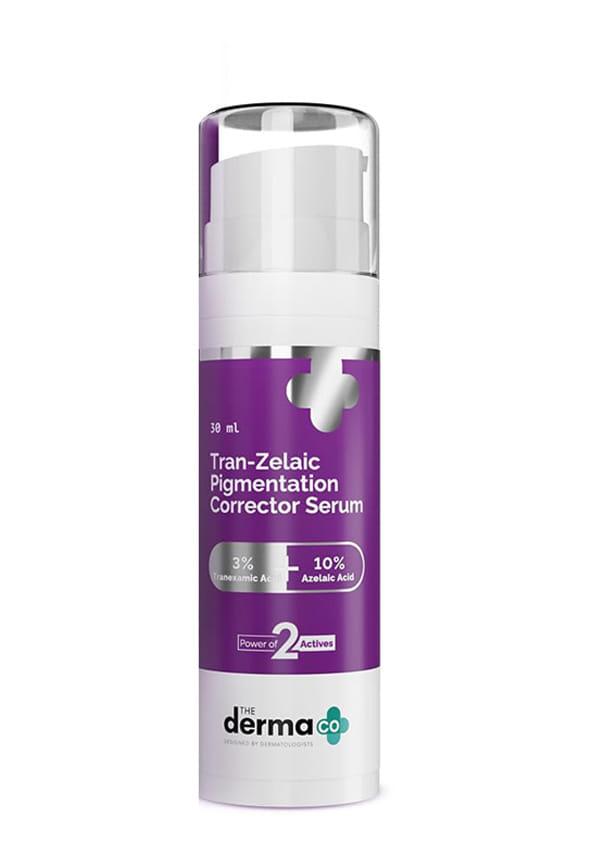
Tran-Zelaic Pigmentation Corrector Serum with Tranexamic Acid & Azelaic Acid
Light and Soothing on Skin
 5
5“no heaviness, very soothing on skin”
Light and Soothing on Skin
5“no heaviness, very soothing on skin”
Light and Soothing on Skin
5“no heaviness, very soothing on skin”
Dark spots, melasma, and uneven skin tone can feel like uninvited guests that just won't leave. If you've been scrolling through endless skincare advice wondering which acids for pigmentation actually work, you're in the right place. Let's break down everything you need to know about using acids to tackle hyperpigmentation—from the gentlest options for sensitive skin to the powerhouse ingredients that deliver real results. No fluff, just the facts that'll help you make smarter choices for your skin.
Before diving into solutions, let's get real about what we're dealing with. Pigmentation isn't just one thing—it's your skin's way of responding to various triggers, and understanding these can help you choose the right hyperpigmentation treatment approach.
Melasma typically shows up as symmetrical patches on your face, often triggered by hormonal changes during pregnancy or from birth control. Post-inflammatory hyperpigmentation happens after acne, cuts, or any skin trauma—basically your skin's dramatic response to injury. Age spots and sun damage are the result of years of UV exposure, whilst acanthosis nigricans appears as dark, velvety patches often linked to insulin resistance.
Your skin produces melanin as protection, but sometimes this process goes into overdrive. Certain areas like your cheeks, forehead, and upper lip are more prone to pigmentation because they get the most sun exposure. The depth of pigmentation also matters—surface-level spots respond faster to treatment than deeper, more established ones.
Think of skin brightening acids as your skin's personal renovation crew. They work by speeding up cell turnover, which means old, pigmented cells get shed faster whilst new, fresh cells take their place.
Chemical exfoliation with acids is far more effective than scrubbing away at your skin. These acids dissolve the bonds between dead skin cells, allowing them to slough off naturally. This process also helps disperse melanin clumps that create those dark spots you're trying to fade.
The effectiveness of any acid depends on its pH level and concentration. Lower pH means stronger action, but also higher risk of irritation. Most over-the-counter products range from 5-30% concentration, whilst professional treatments can go higher under controlled conditions.
Alpha hydroxy acids pigmentation treatments are often the first line of defence against dark spots. These water-soluble acids work on the skin's surface to reveal brighter, more even-toned skin underneath.
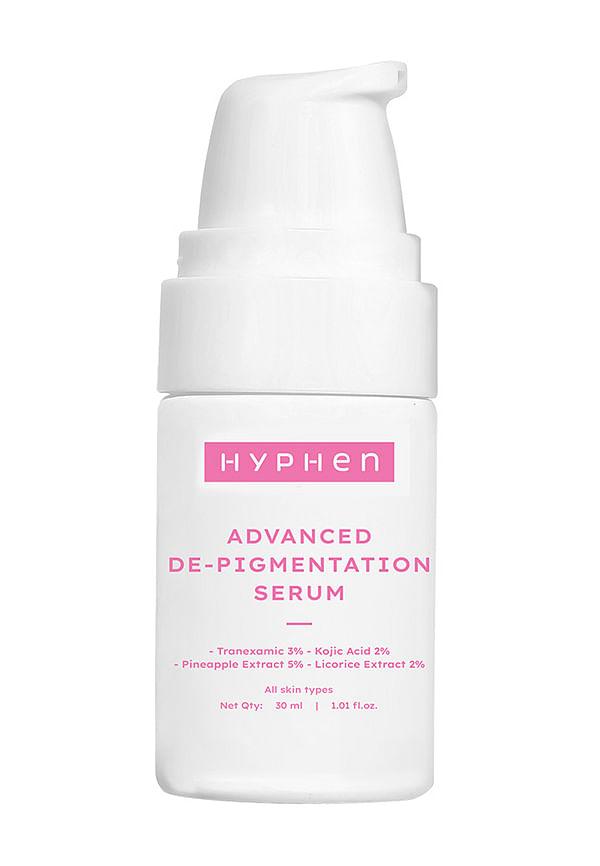
Advanced De-Pigmentation Serum For Hyperpigmentation, Melasma, Dark Spots & Scars
Effective Product, Fully Satisfied
5“Very effective product.. Fully satisfied”
Effective Product, Fully Satisfied
5“Very effective product.. Fully satisfied”
Effective Product, Fully Satisfied
5“Very effective product.. Fully satisfied”
Glycolic acid has the smallest molecular size of all AHAs, which means it penetrates deepest and works fastest. Start with 5-10% concentrations and work your way up to 20-30% as your skin builds tolerance. You might see initial results in 4-6 weeks, with significant improvement after 3 months of consistent use.
If glycolic acid feels too harsh, lactic acid is your gentler alternative. It's derived from milk and has hydrating properties alongside its exfoliating benefits. This makes it particularly good for dry or sensitive skin types who still want to tackle pigmentation effectively.
Mandelic acid has the largest molecular size, making it the gentlest AHA option. It's particularly effective for treating melasma and works well on darker skin tones where other acids might cause irritation or worsen pigmentation.
Beta hydroxy acids pigmentation treatments work differently from AHAs because they're oil-soluble, allowing them to penetrate into pores and work from within.
Salicylic acid is brilliant for treating pigmentation left behind by acne because it tackles both the spots and prevents new breakouts. Its anti-inflammatory properties help calm skin whilst promoting cell turnover. Use 0.5-2% concentrations for daily use.
Azelaic acid for hyperpigmentation is one of the most underrated ingredients out there. It works by inhibiting tyrosinase, the enzyme responsible for melanin production, whilst also providing anti-inflammatory benefits. It's safe during pregnancy and works well for sensitive skin.
Kojic acid for pigmentation is derived from fungi and works by blocking tyrosinase activity. It's particularly effective for stubborn dark spots but can be sensitising, so start with lower concentrations (1-2%) and use it every other day initially.
Chemical peels for dark spots offer more dramatic results than daily-use products, but they also require more careful consideration and often professional guidance.
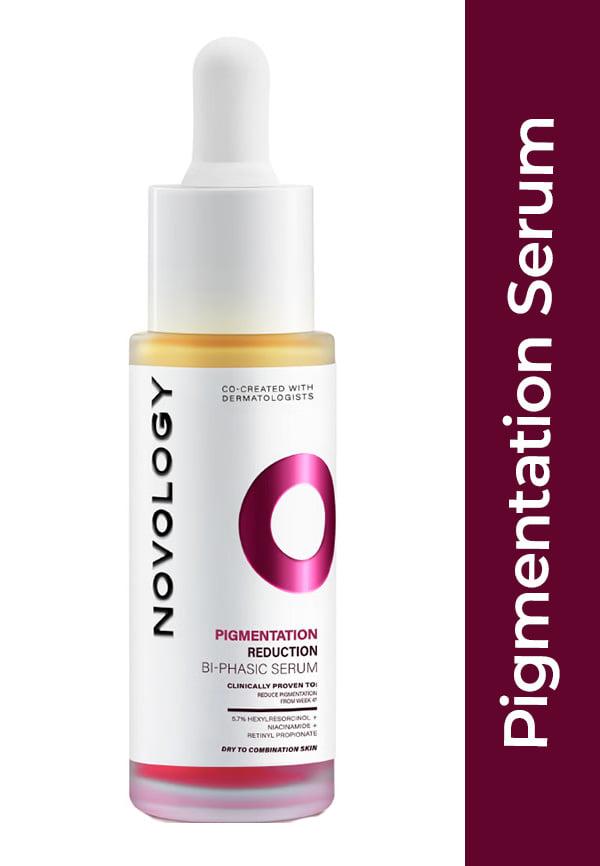
Pigmentation Serum, Bi-Phasic Face Serum for Hyperpigmentation & Dark Spots
Nice Product, Love It
5“nice product i love it.........”
Effective Product
5“can see the result soon... very effective”
Positive Product Feedback
5“I like this product this is good 😊”
Professional peels use higher concentrations and can target deeper pigmentation, but they come with more downtime and potential side effects. At-home peels are gentler but require consistent use over longer periods to see similar results.
Superficial peels (like 20-30% glycolic acid) work on surface pigmentation with minimal downtime. Medium peels penetrate deeper but require 1-2 weeks of healing time. Deep peels are rarely needed for pigmentation and carry significant risks.
Using topical acids for uneven skin tone effectively isn't just about picking the right product—it's about creating a routine that works with your skin, not against it.
Most acids should be used in the evening because they can increase sun sensitivity. Always follow with a broad-spectrum SPF 30 or higher during the day. If you must use acids in the morning, stick to gentler options like lactic acid or azelaic acid.
Don't use multiple exfoliating acids at once—this is a recipe for irritation. Instead, alternate them on different nights or use one in the morning and another in the evening. Always introduce new acids gradually, starting with 2-3 times per week.
Pair your acid treatments with hydrating ingredients like hyaluronic acid and niacinamide. These help maintain your skin barrier whilst the acids do their work. Avoid using acids with retinoids initially—introduce them separately and slowly combine once your skin adapts.
With so many options available, finding the right acids for skin discoloration can feel overwhelming. This is where platforms like Smytten become invaluable—allowing you to try different acid-based products from trusted brands like Dot & Key, Cetaphil, and others without committing to full-size purchases. You can explore up to 8 minis for just ₹249, making it easier to discover what works for your specific skin concerns.
Glycolic acid is generally considered the most effective for pigmentation removal due to its small molecular size and ability to penetrate deeply. However, the best acids for melasma or sensitive skin might be azelaic acid or mandelic acid, which are gentler but still effective.
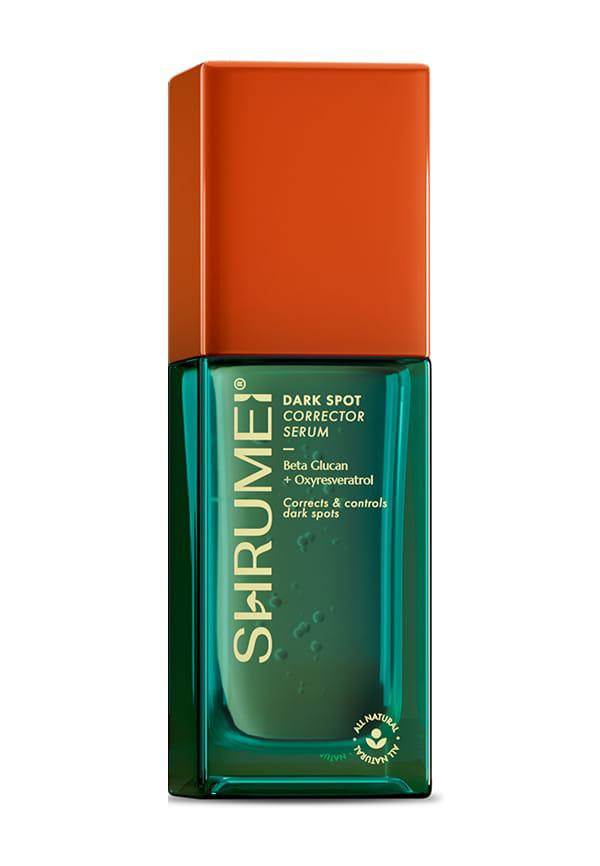
All Natural Dark Spot and Pigmentation Correcting serum
Effective and Fast Results
5“Very effective and fast results”
Most people see initial improvements in 4-6 weeks with consistent use, but significant fading of established pigmentation typically takes 3-6 months. Deeper or older spots may take up to a year to fade completely.
Yes, but timing matters. Use vitamin C in the morning and acids in the evening to avoid potential irritation. Some people can tolerate using them together, but it's best to introduce them separately first.
Azelaic acid and mandelic acid are generally safest for darker skin tones as they're less likely to cause post-inflammatory hyperpigmentation. Always start with lower concentrations and patch test first.
Some initial purging is normal, especially with salicylic acid. However, if you experience severe irritation, burning, or worsening pigmentation, stop use and consult a dermatologist.
The eye area is extremely delicate, so only use very gentle acids like low-concentration lactic acid (5% or less) or products specifically formulated for the eye area. Always patch test first.
Once you achieve your desired results, you can reduce frequency to 2-3 times per week for maintenance. However, stopping completely may allow pigmentation to return, especially if you don't maintain strict sun protection.
Daily acid use is generally safer and more sustainable for long-term pigmentation management. Chemical peels can provide faster results but require more recovery time and professional guidance for best results.
Tackling pigmentation with acids isn't about finding one magic solution—it's about understanding your skin's specific needs and building a routine that works sustainably. Whether you start with gentle lactic acid or jump into glycolic acid territory, consistency and patience are your best friends in this journey.
The beauty of modern skincare is that you don't have to guess what might work for you. With Smytten's trial platform, you can explore different acid formulations from over 1,500 trusted brands, discovering what truly works for your skin before investing in full-size products. After all, why settle for maybe when you can try it all and find your perfect pigmentation-fighting routine?
