Acanthosis Nigricans FAQ: Understanding Dark Indian Skin

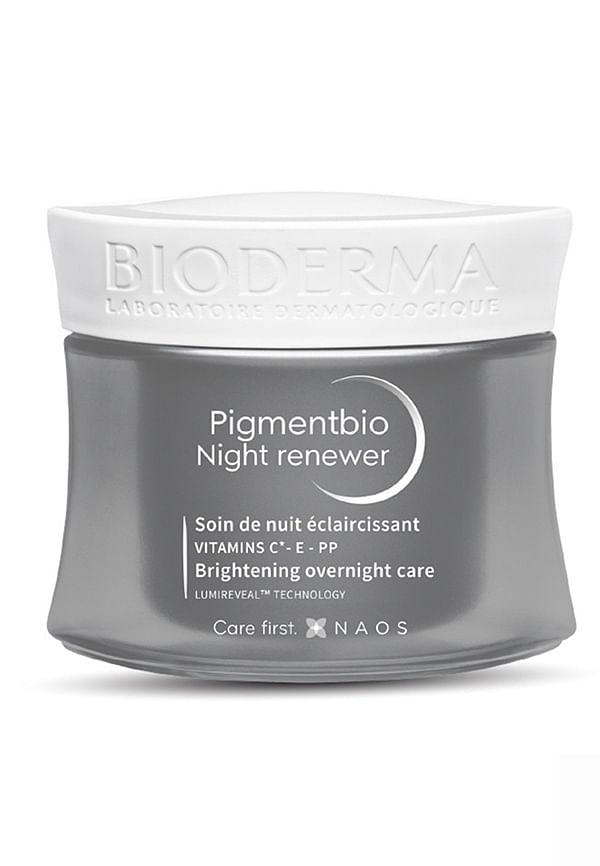
Pigmentbio Night Renewer Brightening Overnight Cream for Dark Spots, Sensitive Skin
You've noticed those dark, velvety patches on your neck or underarms and wondered what they are. If you're of Indian descent, you might be dealing with acanthosis nigricans — a common skin condition that affects darker skin tones more frequently. These patches aren't just cosmetic concerns; they often signal underlying health changes that deserve attention. Understanding what causes these skin discoloration patterns and how to address them can help you take better care of both your skin and overall health.
Acanthosis nigricans appears as dark, thick, velvety patches of skin that typically develop in body folds and creases. Unlike other forms of hyperpigmentation, these patches have a distinctive texture that feels almost like velvet when you touch them. The condition most commonly shows up around the neck, armpits, groin area, and sometimes on knuckles or other skin folds.
What makes acanthosis nigricans different from other dark skin conditions is this characteristic texture combined with its specific locations. While post-inflammatory hyperpigmentation from acne or injuries appears flat and smooth, these patches are raised and have that unmistakable velvety feel. The colour ranges from light brown to almost black, depending on your natural skin tone and the severity of the condition.
The patches develop gradually over months or years, which is why many people initially dismiss them as simple darkening from friction or poor hygiene. However, this isn't a cleanliness issue — it's your skin responding to internal changes in your body, particularly involving insulin resistance and hormonal fluctuations.
Research shows that people of South Asian descent, including Indians, have a higher predisposition to developing acanthosis nigricans compared to other ethnic groups. This increased susceptibility stems from several interconnected factors that affect how our bodies process insulin and respond to metabolic changes.
Genetically, South Asian populations tend to develop insulin resistance at lower body weights and younger ages than other ethnic groups. This means that even if you're not significantly overweight, your body might still struggle with insulin processing, leading to the skin changes characteristic of acanthosis nigricans. The higher melanin content in darker skin also means that any inflammatory or hormonal triggers can result in more pronounced skin pigmentation disorders.
Melanocytes in darker skin are naturally more active and produce melanin more readily in response to various stimuli. When insulin levels rise due to resistance, they can stimulate skin cell growth and melanin production simultaneously. This creates the perfect conditions for those characteristic dark, thickened patches to develop. The genetic markers associated with increased melanin production also correlate with higher rates of metabolic conditions that trigger acanthosis nigricans.
While insulin resistance is the most common trigger for acanthosis nigricans, several other factors can contribute to its development. Understanding these various causes helps explain why the condition appears differently in different people and why treatment approaches need to be tailored accordingly.
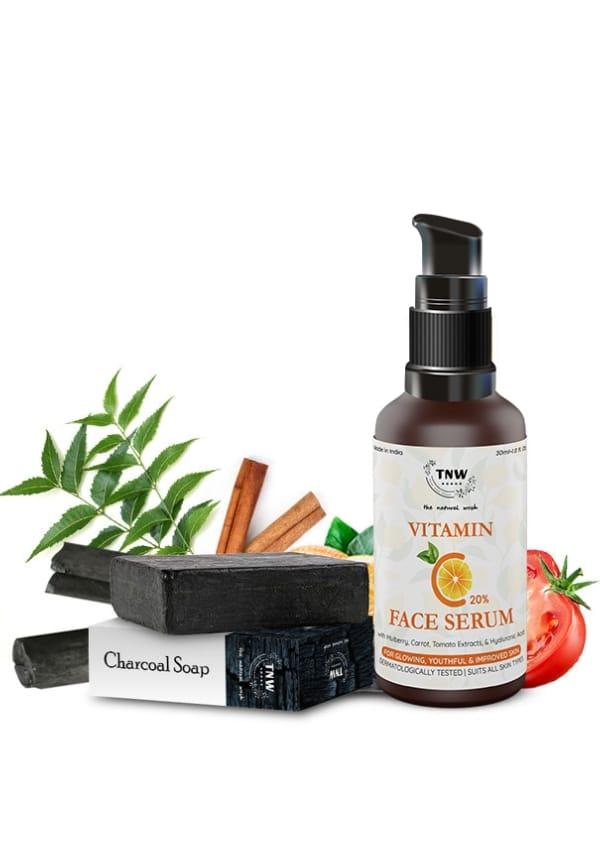
Vitamin C Serum Reduce hyperpigmentation & Dark Spots with Handmade Charcoal Soap For Blackheads & Acne With Neem
Insulin resistance occurs when your body's cells don't respond properly to insulin, causing your pancreas to produce more insulin to compensate. These elevated insulin levels can stimulate skin cell growth and increase melanin production, leading to the characteristic dark, thickened patches. This connection explains why acanthosis nigricans often appears alongside prediabetes, type 2 diabetes, or metabolic syndrome.
Hormonal imbalances, particularly those associated with PCOS (polycystic ovary syndrome), thyroid disorders, and adrenal gland problems, can also trigger the condition. Women with PCOS frequently develop acanthosis nigricans due to the insulin resistance that commonly accompanies this hormonal condition. Similarly, thyroid dysfunction can affect how your body processes insulin and responds to hormonal signals.
When insulin levels remain consistently elevated, they bind to insulin-like growth factor receptors in the skin, stimulating both skin cell proliferation and melanin production. This process happens gradually, which is why acanthosis nigricans develops slowly over time rather than appearing suddenly. The areas where these patches typically form — neck, armpits, groin — are regions where skin naturally folds and experiences more friction, making them more susceptible to these insulin-driven changes.
Effective acanthosis nigricans treatment requires addressing both the underlying causes and the visible skin changes. The most successful approaches combine medical management of insulin resistance or other underlying conditions with targeted skincare treatments for the affected areas.
Medical treatment typically focuses on improving insulin sensitivity through lifestyle modifications, medications, or both. For people with diabetes or prediabetes, better blood sugar control often leads to gradual improvement in skin appearance. Weight management, when appropriate, can significantly impact insulin sensitivity and subsequently improve acanthosis nigricans.
Topical treatments can help improve the texture and appearance of affected skin, though they work best when combined with addressing underlying causes. Skincare for dark skin requires gentle but effective ingredients that won't cause irritation or worsen pigmentation.
Retinoids, particularly tretinoin, can help normalise skin cell turnover and gradually improve the thickness and texture of affected areas. Alpha hydroxy acids like glycolic acid can also help with gentle exfoliation, though they must be used carefully on darker skin to avoid irritation that could worsen pigmentation. Some people find success with niacinamide, which can help regulate skin cell function and reduce inflammation.
Working with healthcare providers to manage diabetes, PCOS, or other hormonal conditions is crucial for long-term improvement. This might involve medications to improve insulin sensitivity, hormonal therapy for PCOS, or thyroid hormone replacement. The timeline for seeing skin improvements often correlates with how well underlying conditions are controlled.
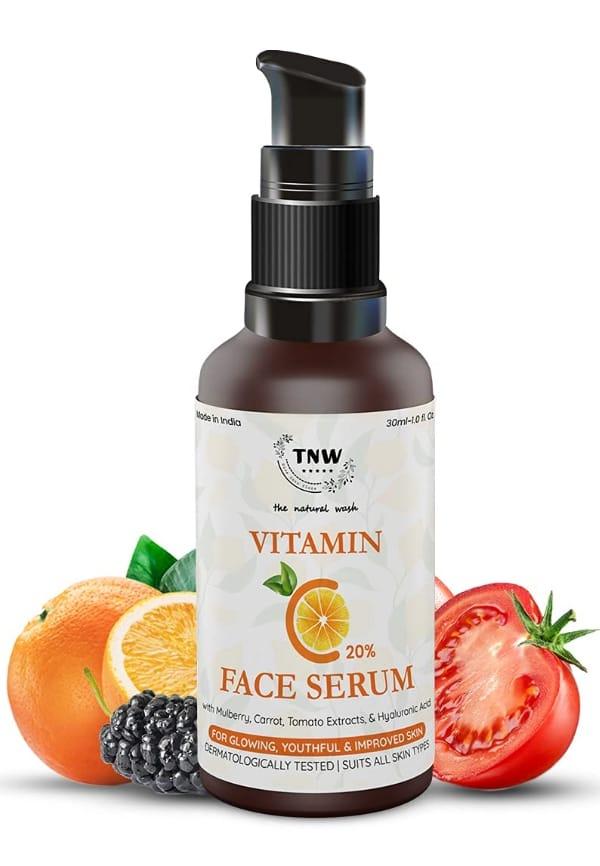
Vitamin C Face Serum|Skin Clearing|Skin Repair Face Serum & Face Brightening Vitamin C Serum Reduce hyperpigmentation & Dark Spots with Hyaluronic Ac
While acanthosis nigricans can improve significantly with proper treatment, complete removal isn't always possible, especially if you have a strong genetic predisposition. However, addressing underlying insulin resistance and using appropriate skincare can lead to substantial improvement in both texture and colour. The key is realistic expectations and consistent management of contributing factors.
Weight loss can definitely help improve acanthosis nigricans, particularly when excess weight contributes to insulin resistance. Many people see gradual lightening and softening of affected areas as they lose weight and improve their insulin sensitivity. However, the improvement timeline varies — some notice changes within months, while others may take a year or more to see significant results.
Acanthosis nigricans rarely disappears completely without addressing its underlying causes. However, if the condition is triggered by temporary factors like certain medications or hormonal changes during pregnancy, it may improve once those triggers are removed. For most people, active management of insulin resistance and other contributing factors is necessary for improvement.
Acanthosis nigricans itself isn't dangerous, but it can signal underlying health conditions that require attention. The insulin resistance that commonly causes it increases your risk of developing type 2 diabetes and cardiovascular problems. In rare cases, sudden onset of severe acanthosis nigricans in adults can indicate certain types of cancer, which is why new or rapidly changing patches should be evaluated by a healthcare provider.
Most people with acanthosis nigricans don't experience pain or itching from the patches themselves. However, the affected skin can sometimes feel irritated from clothing friction or become uncomfortable in hot, humid weather. If you're experiencing significant itching or pain, it's worth having the area evaluated to rule out other skin conditions or secondary infections.
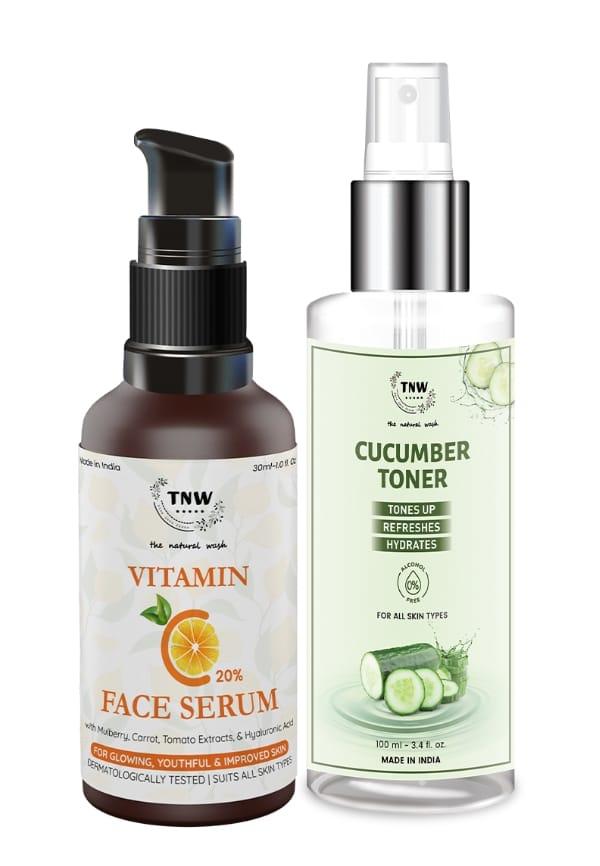
Cucumber Toner Face Spray for Clear and Toned Skin with Vitamin C Serum Reduce hyperpigmentation & Dark Spots
Yes, children can develop acanthosis nigricans, and it's becoming more common as childhood obesity rates increase. In children, it's almost always related to insulin resistance and can be an early warning sign for type 2 diabetes risk. If you notice these patches on a child, it's important to consult with a paediatrician about screening for metabolic conditions.
Preventing acanthosis nigricans largely involves maintaining good metabolic health and managing risk factors for insulin resistance. This includes maintaining a healthy weight, staying physically active, and following a balanced diet that doesn't cause dramatic spikes in blood sugar levels.
For skincare for dark skin, gentle cleansing and moisturising can help maintain skin health in areas prone to acanthosis nigricans. Avoiding harsh scrubbing or bleaching products is crucial, as these can worsen pigmentation and irritate the skin. Instead, focus on ingredients that support healthy skin cell turnover without causing inflammation.
While traditional remedies like turmeric or lemon juice are often suggested for dark patches, these can actually worsen pigmentation in some people, especially with sun exposure. Evidence-based treatments tend to be more effective and safer for long-term use. Sun protection is also important, as UV exposure can darken existing patches and make them more noticeable.
You should consider seeing a healthcare provider if you notice new dark patches developing, especially if they appear suddenly or are accompanied by other symptoms. A dermatologist can help distinguish acanthosis nigricans from other skin conditions and work with you to identify underlying causes.
It's particularly important to seek medical attention if the patches are spreading rapidly, if you're experiencing other symptoms like excessive thirst or frequent urination (which could indicate diabetes), or if you have a family history of diabetes or metabolic conditions. Early intervention can help prevent progression and improve treatment outcomes.
Understanding acanthosis nigricans helps you take a comprehensive approach to both your skin health and overall wellbeing. While these dark, velvety patches can be concerning when they first appear, knowing that they're often manageable with the right approach can provide peace of mind. The key is addressing underlying causes while being patient with the improvement process.
For those exploring skincare options to support their skin health journey, Smytten's curated selection includes gentle, effective products from trusted brands that work well for darker skin tones. With over 28 million users discovering products through trial sizes, you can explore different approaches to find what works best for your skin without committing to full-size products immediately. Remember, the most important step is understanding your skin's needs and working with healthcare providers when necessary to address any underlying health concerns.
