9 Ways Vitamin C vs Glutathione Serum Brightens Skin

Choosing between vitamin C serum and glutathione serum for skin brightening can feel overwhelming when both promise radiant, even-toned skin. These powerhouse antioxidants work differently to tackle hyperpigmentation, dark spots, and dullness, making the vitamin C serum vs glutathione serum debate more nuanced than you might think. While vitamin C delivers immediate brightening and collagen support, glutathione works at a cellular level for comprehensive tone correction. Understanding how each serum transforms your skin helps you make the right choice for your specific concerns. With platforms like Smytten offering trial sizes of various serums, you can actually test both approaches before committing to full-size products.
TL;DR
Vitamin C serum excels at surface-level brightening, preventing new dark spots, and boosting collagen production within 2-4 weeks
Glutathione serum targets deeper pigmentation, melasma, and overall skin tone evening over 4-8 weeks
Both serums can be used together for enhanced results, with glutathione helping recycle vitamin C for maximum effectiveness
Choose vitamin C for immediate glow and prevention, glutathione for comprehensive tone correction and anti-ageing benefits
Your skin type, pigmentation concerns, and timeline expectations determine which antioxidant serum works best for you
Both vitamin C and glutathione are celebrated antioxidants, but they approach skin brightening through completely different mechanisms. Vitamin C works primarily on the skin's surface and upper layers, while glutathione functions at a deeper cellular level to address pigmentation from within.
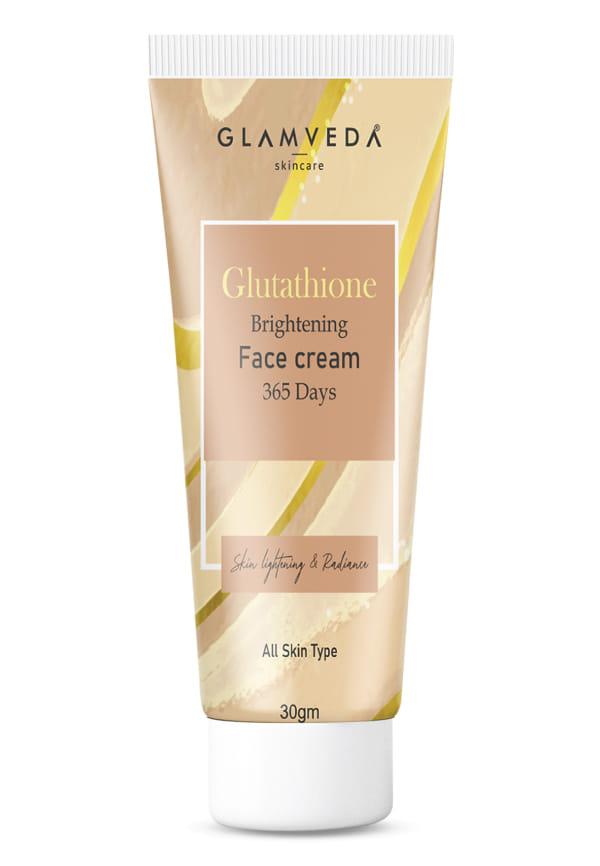
Glutathione Brightening Face Cream Reduce Dark spots & Age spots with Vitamin C
Effective for Brightening & Hydration
 4
4“Lightweight cream brightens skin and hydrates well.See improved radiance and slightly faded dark spots with regular use. Results vary; not dramatic for deep aging lines or spots”
Positive Product Review
4“good product , nice smell, I like it”
Excellent Cream
5“this is the best cream and smell is too good”
Vitamin C, particularly in its L-ascorbic acid form, inhibits tyrosinase—the enzyme responsible for melanin production. This collagen boosting serum ingredient also neutralises free radicals from UV exposure and environmental stressors. The immediate brightening effect comes from vitamin C's ability to reflect light better, giving skin an instant radiance boost that many users notice within days of consistent use.
Known as the body's master antioxidant, glutathione works by detoxifying cells and regulating melanin production at its source. This skin lightening serum ingredient doesn't just address existing pigmentation—it helps prevent future discolouration by maintaining optimal cellular function. The comprehensive approach means results take longer to appear but tend to be more lasting and uniform across your entire complexion.
The timeline and type of results differ significantly between these two antioxidant serums. Understanding these differences helps you set realistic expectations and choose the right approach for your skin goals.
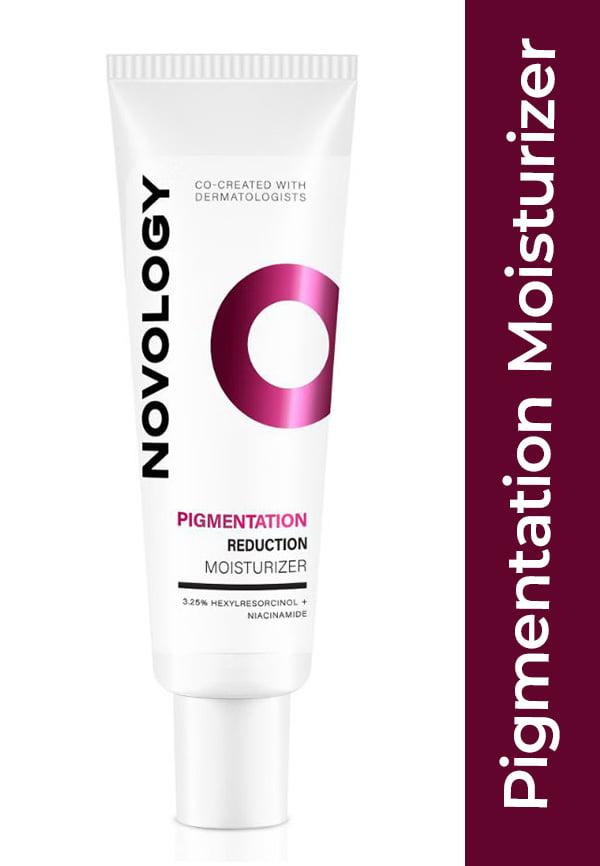
Pigmentation Moisturiser, Face Cream for Hyperpigmentation & Dark Spots
Amazing Product!
5“it really works. i tried it first time and m with love this product best brand I ever used”
Great Product, Will Buy Again
5“nice product richer base repurchase product”
Great for Oily Skin
5“Excellent product for oily skin.”
Vitamin C typically shows visible improvements within 2-4 weeks, with many users noticing an immediate glow after the first few applications. Glutathione requires more patience, with comprehensive tone evening becoming apparent after 4-8 weeks of consistent use. Studies suggest that while vitamin C provides quicker surface-level changes, glutathione delivers more profound, long-lasting transformation.
Your specific pigmentation concerns should guide your serum choice. Vitamin C excels at addressing surface-level dark spots from acne scarring, sun damage, and recent hyperpigmentation. It's particularly effective as a preventive measure against new discolouration. Glutathione shows superior results for deeper pigmentation issues like melasma, hormonal hyperpigmentation, and overall skin tone irregularities that affect your entire complexion rather than isolated spots.
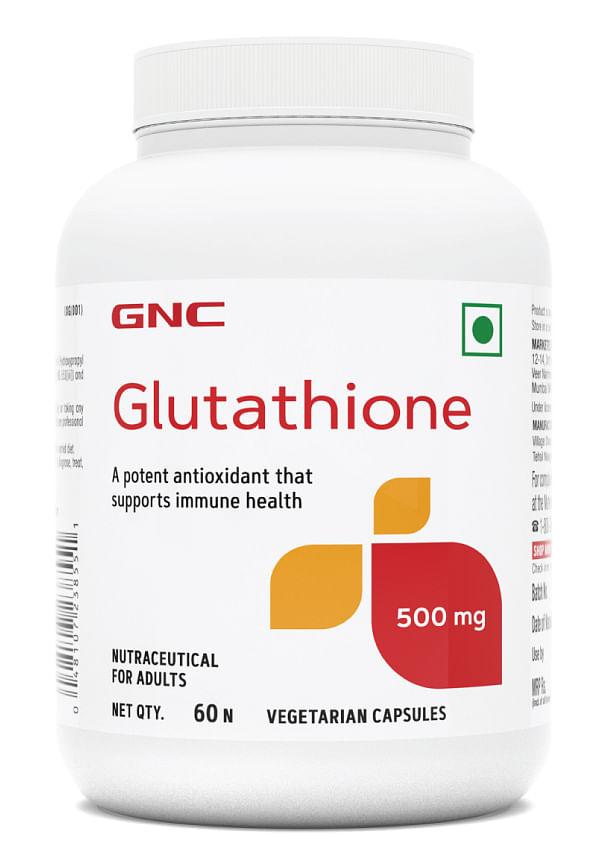
L-Glutathione - Brightens Skin and Fades Dark Spots & Pigmentation
Positive results
4“it works.. scars fading, brithening”
Both serums offer multiple pathways to brighter, more even-toned skin. Here's how each antioxidant serum for face transforms your complexion through distinct yet complementary mechanisms.
1. Vitamin C's Instant Radiance: The light-reflecting properties of vitamin C create an immediate luminous effect, making skin appear brighter within hours of application.
2. Glutathione's Cellular Energy Boost: By optimising cellular function, glutathione enhances your skin's natural glow from within, creating a healthy radiance that builds over time.
3. Synergistic Antioxidant Power: When used together, these serums create a comprehensive brightening system that addresses both immediate and long-term skin concerns.
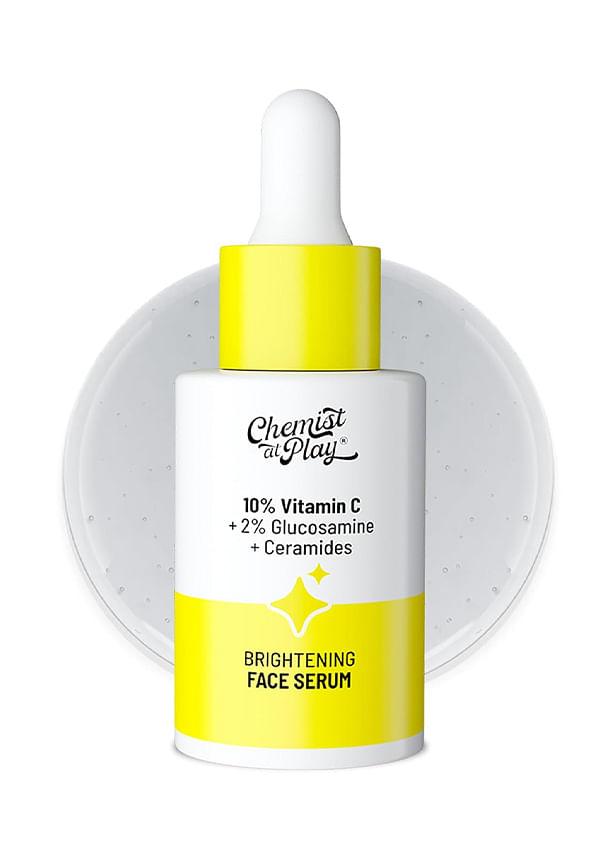
10% Vitamin C Face Serum | Brightens & adds Glow | Treats Dark Spots
Best Skin Brightening Face Serum
4“Vitamin C face serum, best skin brightening best”
Very good, used it
5“Baghut acchha he use kardiya. ”
Good Product & Fast Delivery
5“very good product.... very fast delivery”
4. Prevention of New Dark Spots: Vitamin C's tyrosinase inhibition prevents new melanin formation, stopping dark spots before they appear on your skin's surface.
5. Reversal of Existing Hyperpigmentation: Glutathione works to break down existing melanin deposits while preventing new ones, gradually evening out your skin tone.
6. Sustained Results: This skin tone evening serum approach ensures that improvements maintain over time rather than requiring constant intervention.
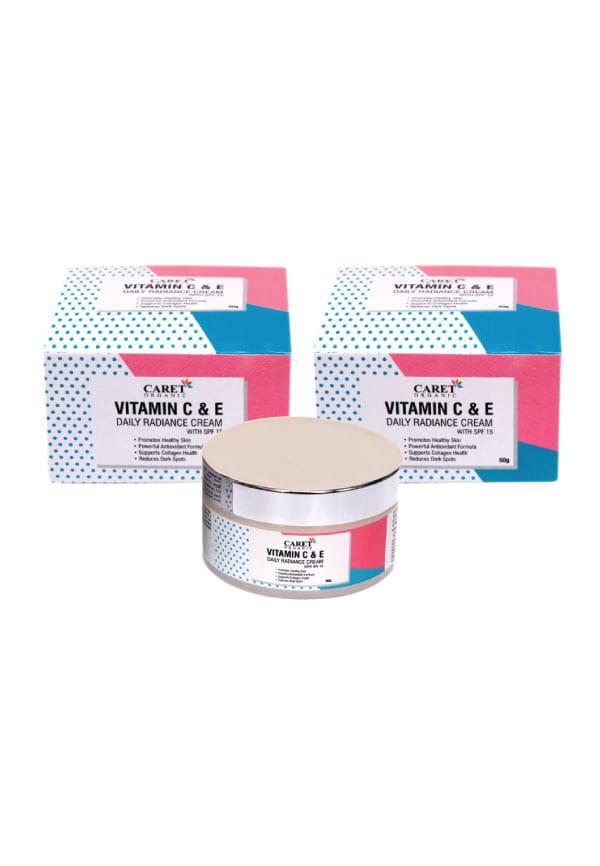
Daily Radiance Light Cream With Vitamin C, E & Spf 15 For Dark Spots & Anti- Wrinkle- No Mineral Oil , Alcohol Or Paraben
Lightweight, Non-Sticky Cream
5“very good and light weight non sticky cream”
7. Enhanced Collagen Synthesis: Vitamin C's role as a collagen cofactor means this collagen boosting serum ingredient helps maintain skin firmness and elasticity alongside brightening.
8. Cellular Detoxification: Glutathione's detoxifying properties help repair damaged skin cells, leading to overall healthier, more resilient skin.
9. Environmental Protection: Both antioxidants shield skin from daily environmental stressors that contribute to premature ageing and pigmentation.
The combination of vitamin C and glutathione creates a powerful synergy that many dermatologists recommend for comprehensive skin brightening. Understanding how to layer these serums properly maximises their individual benefits while avoiding potential irritation.
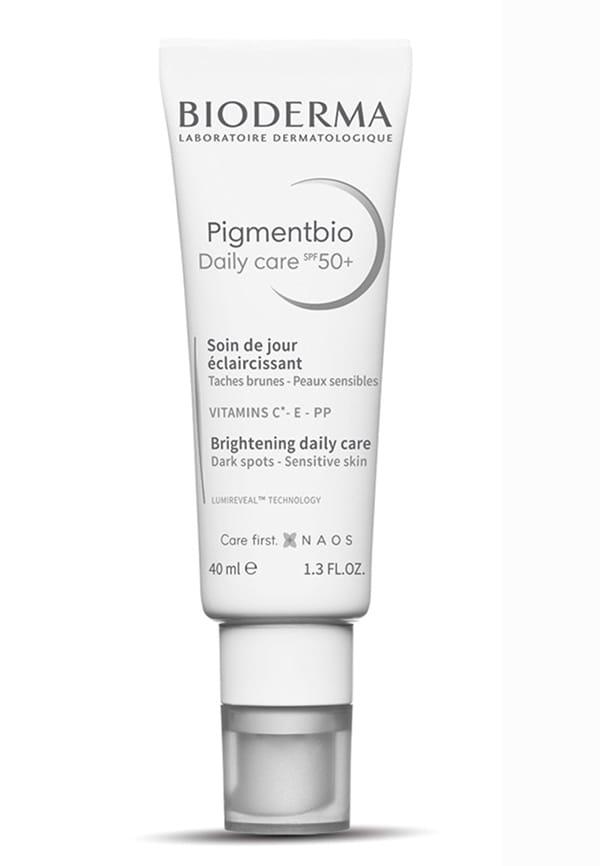
Pigmentbio Daily Care SPF 50+ Brightening Cream for Dark Spots & Senstive Skin
Glutathione actually helps recycle vitamin C, extending its antioxidant activity and enhancing its effectiveness. This natural partnership means using both serums can provide up to 60% better results than using either alone. The key lies in proper application timing and allowing each serum to absorb fully before applying the next layer.
Apply vitamin C serum in the morning for its protective benefits, followed by SPF. Use glutathione serum in the evening when your skin's repair processes are most active. Start with lower concentrations of both serums and gradually increase as your skin builds tolerance. Always patch test when introducing new products to avoid sensitivity reactions.
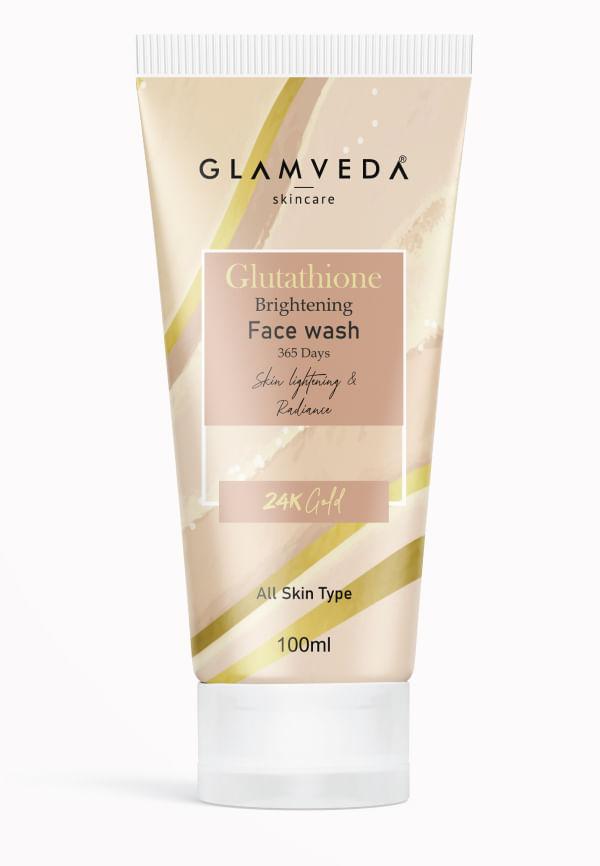
Glutathione 24 k Gold Face Wash Reduce Dark spots & Pigmentation, Lightens skin Complexion
Good Face Wash, Must Buy
4“good face wash must buy very nice”
Mixed Review: Good Texture, Not for My Skin
4“good texture , quality and quantity but it's not good for my skin”
Anticipating results
4“Glutathione 24 k Gold Face Wash, waiting for result”
Your individual skin needs, concerns, and lifestyle factors should guide your choice between these brightening serums. Consider your primary skin goals, sensitivity level, and the time you're willing to invest in seeing results.
Vitamin C works exceptionally well for oily and acne-prone skin types, as it helps regulate sebum production while addressing post-inflammatory hyperpigmentation. It's ideal for those dealing with sun damage, age spots, or recent acne scarring. However, sensitive skin types should start with stable vitamin C derivatives like magnesium ascorbyl phosphate rather than pure L-ascorbic acid.
Mature skin benefits significantly from glutathione's comprehensive anti-ageing and brightening properties. It's particularly effective for those dealing with melasma, hormonal hyperpigmentation, or overall skin tone irregularities. People seeking gradual, natural-looking improvement rather than dramatic quick changes often prefer glutathione's gentle approach.
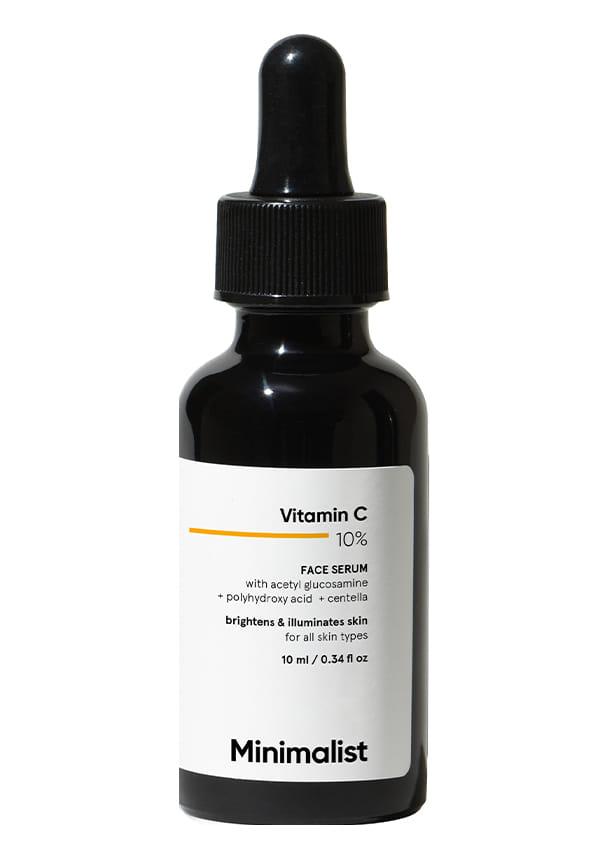
10% Vitamin C Face Serum For Skin Brightening & Reduce Sun Damage
Good for Glowing Skin
5“very good product for glowing skin”
Very Good Serum
5“bohot acha serum h maja aa gya face pe”
Very Good Serum
5“bohot acha serum h maja aa gya face pe”
Consider vitamin C if you want immediate brightening, have oily skin, or need protection against environmental damage. Choose glutathione for deeper pigmentation issues, sensitive skin, or comprehensive anti-ageing benefits. Your budget and routine complexity also matter—vitamin C requires consistent SPF use, while glutathione works best with evening application and patience for results.
Proper application technique significantly impacts how well these serums work for your skin. Following evidence-based guidelines ensures you get the maximum benefit from whichever serum for hyperpigmentation you choose.
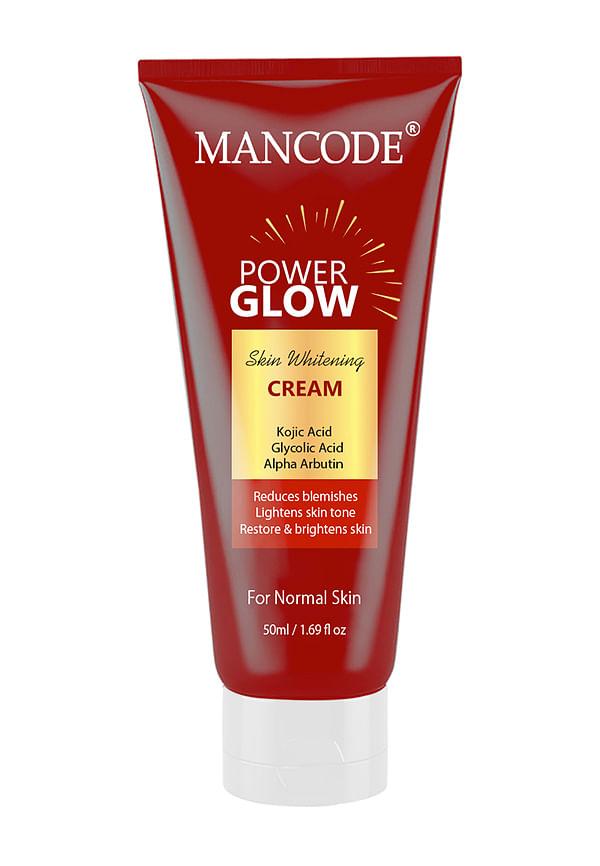
Power Glow Skin Whitening Cream Reduces Dark Spots
Apply vitamin C serum to clean, dry skin in the morning, allowing 10-15 minutes for absorption before applying moisturiser and SPF. Start with 10% concentration and gradually increase to 15-20% as your skin adapts. Store vitamin C serum in a cool, dark place to maintain stability, and replace it if it turns brown or develops a strong metallic smell.
Use glutathione serum in the evening on clean skin, gently patting rather than rubbing to enhance absorption. Start with every other night application and gradually increase to daily use as your skin adjusts. Enhance absorption by applying to slightly damp skin or following with a hydrating serum to lock in the active ingredients.
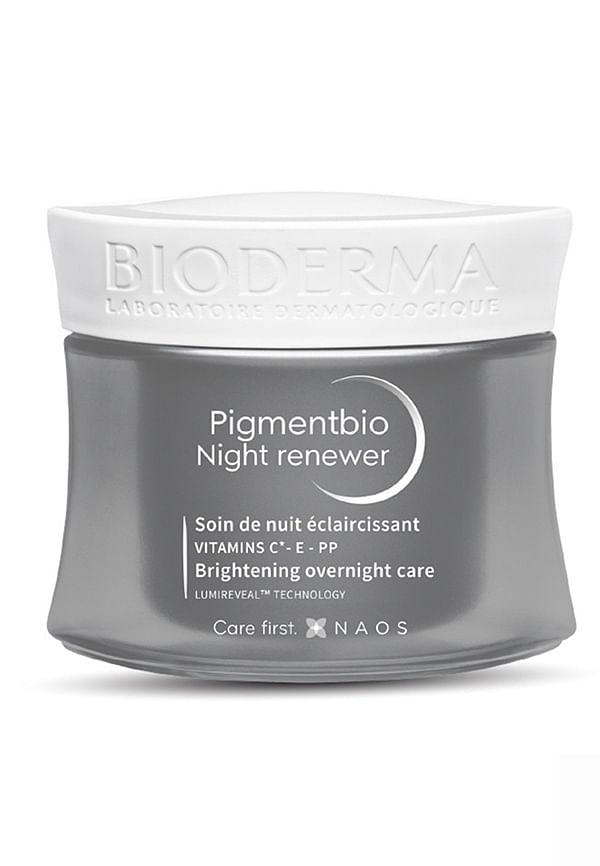
Pigmentbio Night Renewer Brightening Overnight Cream for Dark Spots, Sensitive Skin
Neither is universally "better"—vitamin C excels at prevention and surface brightening with faster results, while glutathione targets deeper pigmentation and provides comprehensive cellular health benefits. Your choice depends on your specific skin concerns, timeline expectations, and skin sensitivity level.
Yes, these serums work synergistically when used correctly. Apply vitamin C in the morning for protection and glutathione in the evening for repair. Glutathione actually helps recycle vitamin C, enhancing its effectiveness by up to 60% according to dermatological studies.
Vitamin C typically shows visible brightening within 2-4 weeks, with immediate glow effects often noticed within days. Glutathione requires 4-8 weeks for comprehensive tone correction, but the results tend to be more lasting and uniform across your entire complexion.
For recent dark spots and acne scarring, vitamin C provides faster, more targeted results. For deeper pigmentation like melasma or hormonal hyperpigmentation, glutathione offers superior long-term correction. Many dermatologists recommend using both for comprehensive treatment of various pigmentation types.
Vitamin C can cause irritation, especially in higher concentrations or with sensitive skin—start slowly and always use SPF. Glutathione is generally well-tolerated but may cause mild purging initially as it detoxifies skin cells. Always patch test new products and consult a dermatologist if you experience persistent irritation. When exploring new skincare options, Smytten's trial packs let you test products safely before committing to full sizes.
The vitamin C serum vs glutathione serum choice ultimately depends on your specific skin goals and timeline. Vitamin C delivers faster, more visible brightening results and works excellently for prevention and surface-level concerns. Glutathione provides deeper, more comprehensive tone correction that addresses pigmentation at its cellular source. Both serums offer unique benefits that can complement each other when used strategically. Consider your skin type, primary concerns, and patience level when making your choice. Remember that consistency matters more than perfection—whichever serum you choose, regular use will deliver the best results for your skin brightening journey.
Navigating the world of brightening serums becomes much easier when you can actually try products before investing in full sizes. Smytten is India's largest product discovery and trial platform, connecting consumers with top lifestyle, beauty, wellness, and grooming brands through curated trial packs from over 2,400 trusted brands. Each mini is linked with Trial Points, and users can get 8 minis for just ₹249, with 100% cashback on these minis redeemable for future orders. This try before you buy approach means you can test both vitamin C and glutathione serums to see which works best for your skin, making product discovery both affordable and rewarding. With over 28 million users and 100 million trial minis delivered across 90% pin code coverage, Smytten helps you make smarter, more confident skincare choices—because why settle for 'maybe' when you can #TryItAll!
