9 Ways to Identify Best Breakout Triggers for Oily Skin


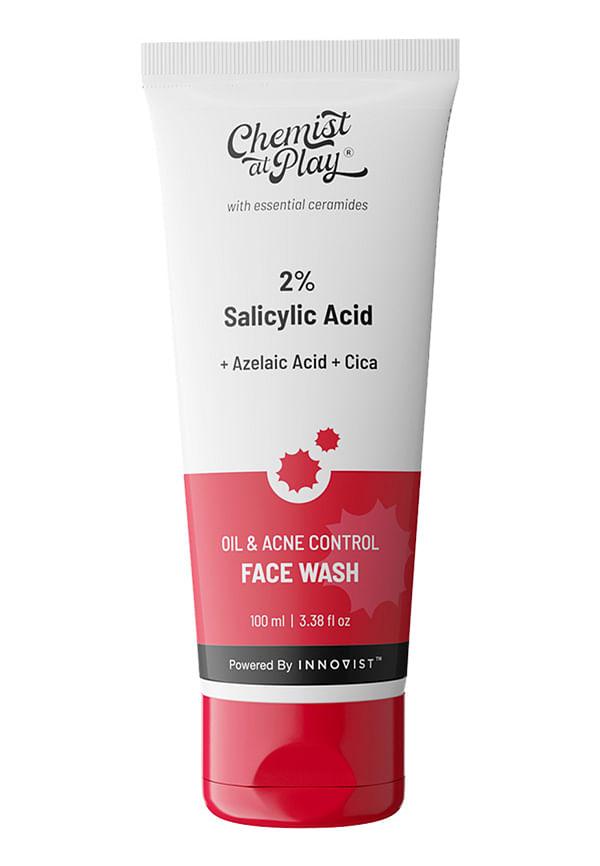
Oil & Acne Control Face Wash | 2% Salicylic acid | Niacinamide
Good for Oily Skin
 5
5“Best for oily skin , remove oil all from face”
Good for Oily Skin
5“Best for oily skin , remove oil all from face”
Good for Oily Skin
5“Best for oily skin , remove oil all from face”
That sudden cluster of spots appearing just when you thought your skincare routine was sorted? We've all been there. Oily skin can feel like a constant guessing game—one day your face is clear, the next it's hosting an unwelcome breakout party. The truth is, identifying the best breakout triggers for oily skin isn't about finding a single culprit; it's about becoming a detective of your own skin patterns. From hormonal shifts that send sebum production into overdrive to that new moisturiser sitting innocently on your shelf, triggers can be surprisingly sneaky. Understanding what specifically causes your skin to rebel is the first step toward clearer, more balanced skin. Worth exploring options on platforms like Smytten, where you can find trial-sized versions of skincare products, allows you to test potential triggers without committing to full-size products that might not work for your unique skin needs. Let's dive into nine proven methods that will help you pinpoint exactly what's causing those frustrating breakouts.
TL;DR
Track your hormonal cycle patterns and stress levels to identify internal breakout triggers
Analyse your diet, particularly high glycemic foods and dairy, which can spike oil production
Evaluate skincare ingredients for pore-clogging components and over-cleansing habits
Monitor environmental factors like weather changes, sleep patterns, and exercise routines
Consider professional skin analysis alongside at-home tracking methods for comprehensive trigger identification
Before diving into trigger identification, it's crucial to understand why oily skin is particularly prone to breakouts. Your sebaceous glands produce sebum—a natural oil that's meant to protect and moisturise your skin. However, when these glands go into overdrive, excess oil combines with dead skin cells and bacteria, creating the perfect storm for clogged pores and subsequent breakouts.
Sebaceous glands are most concentrated in your T-zone, which explains why this area tends to be the oiliest and most breakout-prone. When sebum production increases, it can trap dead skin cells within your pores, creating comedones (blackheads and whiteheads). The key to managing excess oil on face isn't eliminating oil entirely—your skin needs some sebum to function properly—but rather controlling overproduction and ensuring proper pore unclogging.
Hormones play a massive role in sebum control, particularly androgens like testosterone. During puberty, menstruation, pregnancy, or times of stress, hormonal fluctuations can dramatically increase oil production. Cortisol, your stress hormone, is particularly notorious for triggering breakouts by stimulating sebaceous gland activity and promoting inflammation.
One of the most revealing ways to identify breakout triggers is by tracking your hormonal patterns. Many people with oily skin notice their breakouts follow predictable cycles, particularly around menstruation or during stressful periods.
Start by noting when breakouts occur in relation to your menstrual cycle. Many experience increased oiliness and breakouts in the week leading up to their period, when progesterone levels peak. Use a period tracking app or simple calendar to mark breakout days alongside your cycle phases. This pattern recognition can help you prepare with targeted skincare for oily breakout-prone skin during vulnerable times.
Stress-induced breakouts often appear 2-3 days after a stressful event, making the connection less obvious. Track your stress levels, sleep quality, and major life events alongside your skin condition. Poor sleep disrupts hormone balance and can trigger cortisol spikes, leading to increased oil production and inflammation.
What you eat can significantly impact your skin's oil production and inflammatory response. Certain foods are known to trigger hormonal responses that increase sebum production, making dietary analysis crucial for preventing oily skin breakouts.
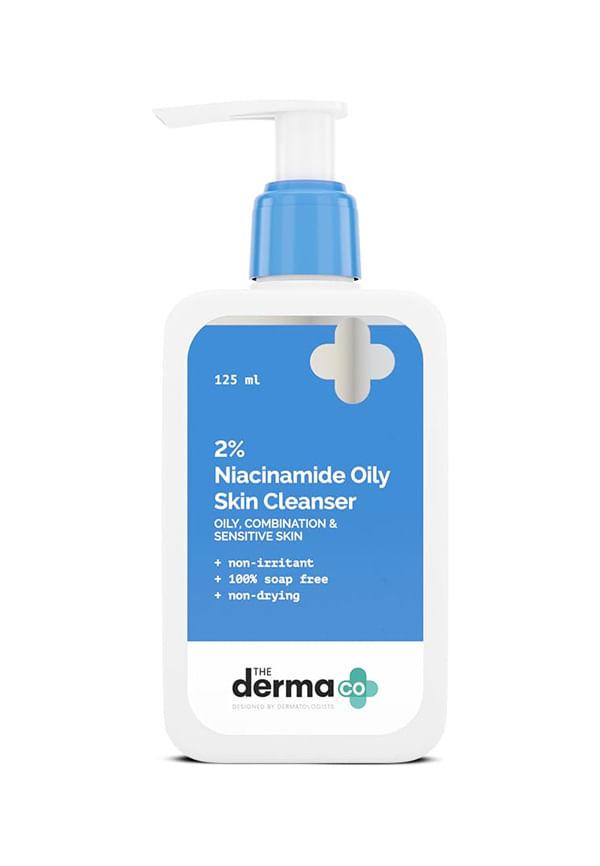
2% Niacinamide Oily Skin Cleanser
Easy to use, best result
5“it's easy to use and gives you best result”
Easy to use, best result
5“it's easy to use and gives you best result”
Easy to use, best result
5“it's easy to use and gives you best result”
Foods with a high glycemic index—white bread, sugary snacks, processed cereals—cause rapid spikes in blood sugar and insulin. This insulin surge can trigger increased androgen production, leading to more oil production and inflammation. Dairy products, particularly milk, contain hormones that can also stimulate sebaceous glands. Try eliminating these foods for 4-6 weeks while tracking your skin's response.
Certain vitamin deficiencies can contribute to oily skin and breakouts. Vitamin B2 (riboflavin) deficiency is particularly linked to oily skin and seborrheic dermatitis. In India, dietary habits can sometimes lead to insufficient intake of riboflavin, potentially exacerbating skin issues. If you suspect a deficiency, it's best to consult a healthcare provider for proper testing and guidance on supplementation.
Sometimes the very products meant to help your skin are actually triggering breakouts. Understanding comedogenic ingredients and proper cleansing techniques is essential for oily skin pore unclogging.
Check your products for comedogenic ingredients using the 0-5 comedogenic rating system. Ingredients rated 3-5 are most likely to clog pores. Common culprits include coconut oil, cocoa butter, and certain silicones. Look for products labelled "non-comedogenic," but remember this isn't regulated, so ingredient checking is still important. When testing new products, introduce one at a time to identify potential triggers.
Paradoxically, over-cleansing can trigger increased oil production. When you strip your skin's natural oils too aggressively, your sebaceous glands compensate by producing even more oil. Stick to cleansing twice daily with gentle, pH-balanced cleansers. Avoid harsh scrubs or alcohol-based products that can irritate and inflame already sensitive, oily skin.
Your environment and daily habits can significantly impact your skin's oil production and breakout patterns. From weather changes to sleep habits, these external factors often fly under the radar but can be major contributors to skin issues.
High humidity and heat can increase sebum production, while sudden weather changes can stress your skin. Air conditioning can dehydrate your skin, triggering compensatory oil production. Track your skin's behaviour across different seasons and weather patterns. You might notice increased breakouts during monsoon season or when transitioning from winter to summer.
Poor sleep quality disrupts hormone balance, particularly cortisol and growth hormone, which can trigger breakouts. Exercise is generally beneficial for skin health, but post-workout hygiene is crucial. Sweat mixed with bacteria and oil can clog pores if not properly cleansed. Also consider your pillowcase—dirty fabric can harbour bacteria and oils that transfer to your skin nightly.
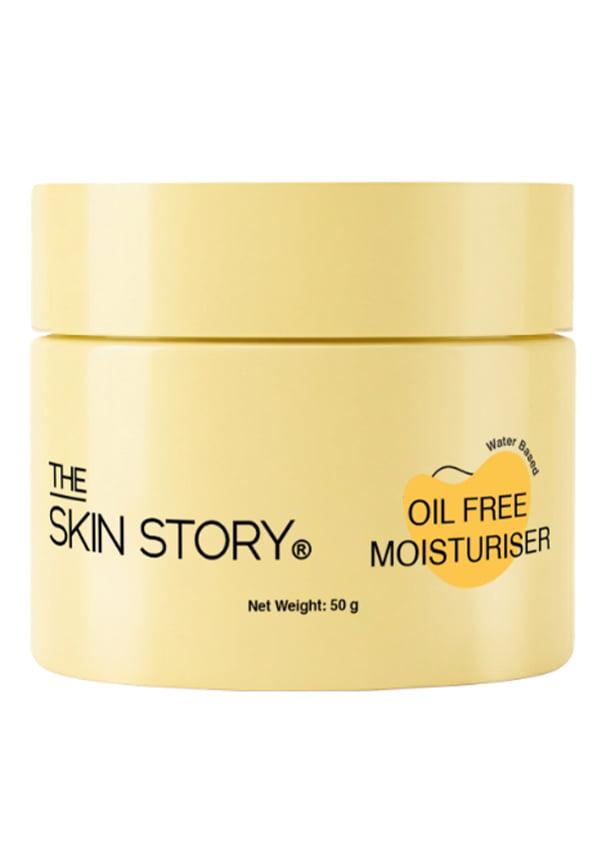
Oil Free Moisturiser For Acne Prone Oily Skin With 2% Niacinamide
While at-home tracking is valuable, professional analysis can provide deeper insights into your skin's behaviour and potential triggers. Dermatologists have tools and expertise that can identify issues you might miss.
A dermatologist can perform sebum measurement tests, analyse your skin's pH levels, and conduct patch testing for allergies or sensitivities. They can also prescribe targeted treatments and help you understand whether your breakouts are purely hormonal, bacterial, or triggered by external factors. Professional guidance is particularly valuable if you've tried multiple approaches without success.
Create a daily skin diary noting oil levels, breakout locations, and severity on a scale of 1-10. Take photos in consistent lighting to track changes over time. Note which areas of your face are most affected—T-zone breakouts often indicate hormonal triggers, while jawline breakouts might suggest dietary or stress-related causes.
Once you've identified your triggers, implementing the right treatments becomes much more targeted and effective. The best treatments for oily skin acne work by addressing multiple factors: excess oil production, bacterial growth, and inflammation.
Salicylic acid is excellent for oily skin pore unclogging as it penetrates oil and exfoliates within pores. Benzoyl peroxide targets acne-causing bacteria, while niacinamide helps regulate sebum production and reduce inflammation. Retinoids promote cell turnover and prevent clogged pores, but start slowly to avoid irritation. The key is building a routine that addresses your specific triggers without over-treating your skin.
Clay masks can help absorb excess oil and unclog pores when used 1-2 times weekly. Tea tree oil has antimicrobial properties but should be diluted to prevent irritation. Zinc supplements may help reduce inflammation and oil production, though you should consult a healthcare provider before starting any supplements.
Armed with knowledge about your specific triggers, you can now create a targeted routine that addresses your skin's unique needs. This isn't about following a one-size-fits-all approach, but rather building a system that works for your lifestyle and trigger patterns.
Your morning routine should focus on oil control and protection, while evening routines can incorporate more active ingredients for treatment. Use gentle, non-comedogenic cleansers, followed by targeted treatments based on your identified triggers. Always finish with a lightweight, oil-free moisturiser—even oily skin needs hydration to function properly.
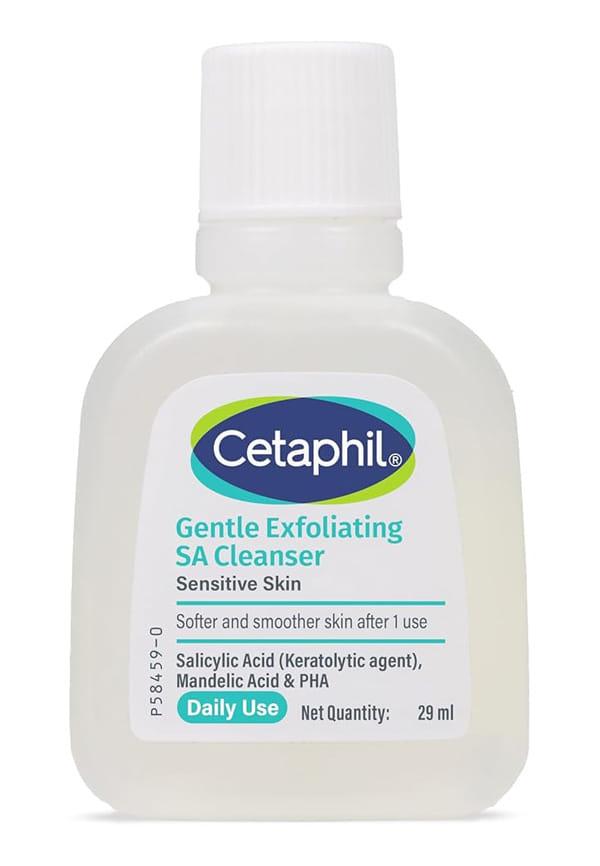
Gentle Daily Exfoliating Cleanser With Salicylic Acid For Oily Acne Prone Skin
Good for Oily & Acne Skin
4“i really like this product good for oily and acne skin”
Good for Oily & Acne Skin
4“i really like this product good for oily and acne skin”
Good for Oily & Acne Skin
4“i really like this product good for oily and acne skin”
Incorporate weekly treatments like clay masks or gentle chemical exfoliation to prevent pore buildup. However, avoid over-exfoliating, which can trigger increased oil production. Listen to your skin and adjust frequency based on how it responds.
Identifying breakout triggers typically takes 6-12 weeks of consistent tracking. This timeframe allows you to observe patterns across different hormonal cycles, dietary changes, and environmental factors. Some triggers, like specific skincare ingredients, may become apparent within 2-4 weeks, while hormonal patterns might take 2-3 menstrual cycles to identify clearly.
Absolutely. Stress triggers cortisol release, which stimulates sebaceous glands to produce more oil. Stress also impairs skin barrier function and increases inflammation, making breakouts more likely and severe. The connection between stress and breakouts often appears 2-3 days after stressful events, making the link less obvious but very real.
High glycemic foods like white bread, sugary snacks, and processed foods can spike insulin levels, triggering increased oil production. Dairy products, particularly milk, contain hormones that may stimulate sebaceous glands. However, food triggers are highly individual—what affects one person might not affect another, making personal tracking essential.
Introduce new products one at a time and wait 2-4 weeks before adding another. If breakouts increase after introducing a new product, discontinue use and see if your skin improves. Check ingredient lists for comedogenic substances, and consider patch testing new products on a small area first. Platforms like Smytten allow you to trial products in smaller sizes before committing to full-size versions.
When starting new treatments, particularly those containing active ingredients like retinoids or salicylic acid, you might experience initial purging where existing clogs come to the surface faster. This typically lasts 4-6 weeks. However, if breakouts worsen significantly or don't improve after this period, the product might not be suitable for your skin.
Vitamin B2 (riboflavin) deficiency is particularly linked to oily skin and seborrheic dermatitis. In India, dietary habits can sometimes lead to insufficient intake of riboflavin, potentially exacerbating skin issues. If you suspect a deficiency, it's best to consult a healthcare provider for proper testing and guidance on supplementation.
Identifying breakout triggers for oily skin requires patience, consistency, and a systematic approach. The most effective strategy combines multiple tracking methods—hormonal patterns, dietary analysis, product evaluation, and environmental factors. Remember that triggers can change over time due to age, stress levels, and lifestyle changes, so ongoing monitoring is important. Professional guidance can provide valuable insights, particularly if you're struggling to identify triggers on your own. Most importantly, avoid the temptation to over-treat your skin in frustration—gentle, consistent care based on your specific triggers will yield better long-term results than aggressive approaches that can worsen oil production and inflammation.
Understanding your skin's unique trigger patterns is a journey, not a destination. What works for your friend might not work for you, and that's perfectly normal. The key is building a personalised approach based on your specific observations and needs. Smytten's trial platform makes this journey more accessible by allowing you to test products from trusted brands like Dot & Key, WishCare, and Minimalist without the commitment of full-size purchases. With over 2,400 brands available in trial sizes, you can experiment with different formulations to find what works best for your skin's specific triggers. The platform's 100% cashback on trial purchases means you can explore various solutions affordably, making informed decisions about your skincare routine. Remember, the goal isn't perfect skin overnight—it's building sustainable habits that support your skin's long-term health and confidence. After all, why settle for guessing when you can systematically discover what truly works for your unique skin?
