9 Ways to Fade Pigmentation with a Skin Care Routine

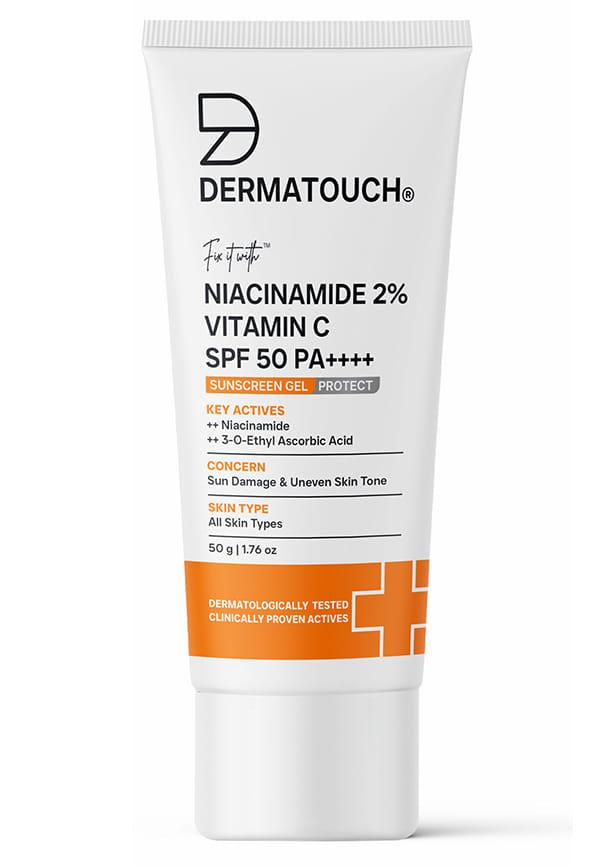
Niacinamide 2% Vitamin C Sunscreen for glowing skin, SPF 50+ PA ++++
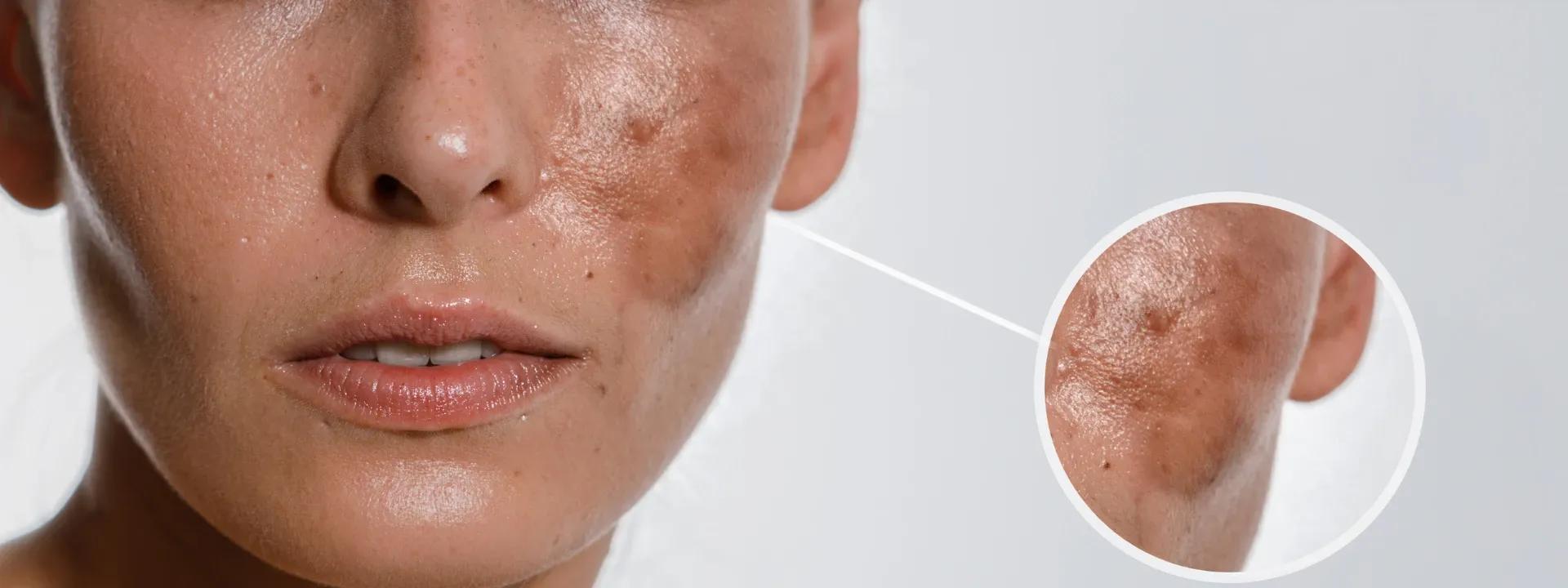
Dealing with pigmentation can feel like an uphill battle, especially when you're staring at stubborn dark spots that seem to mock every product you've tried. Whether it's post-inflammatory hyperpigmentation from that hormonal breakout last month, melasma that appeared during pregnancy, or sun spots from years of inadequate SPF protection, uneven skin tone affects most of us at some point. The good news? A well-structured skin care routine for pigmentation can genuinely help fade these marks over time. It's not about expensive miracle cures or overnight transformations—it's about understanding which ingredients actually work and how to use them consistently. With the right approach and realistic expectations, you can build a routine that addresses hyperpigmentation treatment while keeping your skin healthy and balanced. Platforms like Smytten make it easier to trial different products before committing to full sizes, helping you find what works for your specific pigmentation concerns without breaking the bank.
TL;DR
Pigmentation fades gradually with consistent use of proven ingredients like vitamin C, niacinamide, alpha arbutin, and retinol
Morning routines should focus on protection (vitamin C + SPF), whilst evening routines target treatment (chemical exfoliants + brightening serums)
Different types of pigmentation (melasma, PIH, sun spots) may require tailored approaches and realistic timelines of 6-12 weeks minimum
Natural skin lightening methods can complement active ingredients, but consistency with evidence-based products delivers better results
Professional treatments may be necessary for severe pigmentation, but a solid at-home routine forms the foundation of any effective approach
Before diving into treatments, it's crucial to understand what you're actually dealing with. Post-inflammatory hyperpigmentation (PIH) appears after acne, cuts, or any skin trauma—those dark marks that linger long after the spot has healed. Melasma typically shows up as symmetrical patches on the face, often triggered by hormonal changes or pregnancy. Sun spots, also called age spots, develop from cumulative UV damage over years.
The root cause is always the same: your skin produces excess melanin in response to inflammation, hormones, or UV exposure. Understanding this helps explain why traditional approaches often fail—you can't scrub pigmentation away or expect instant results from any single product. Your skin needs time to naturally shed the pigmented cells whilst preventing new ones from forming.
Most people give up on their hyperpigmentation treatment too early. Skin cell turnover takes approximately 28 days, and pigmented cells often sit deeper in the skin layers. Expect to see initial improvements around 6-8 weeks, with more significant results after 3-6 months of consistent use.
Melanin production happens deep in your skin through a complex process involving the enzyme tyrosinase. Effective skin brightening products work by either inhibiting this enzyme, accelerating cell turnover to shed pigmented cells faster, or providing antioxidant protection to prevent further damage.
This is why consistency trumps expensive products every time. A £15 serum used daily will outperform a £150 treatment used sporadically. Your skin barrier health also plays a crucial role—compromised barriers can actually worsen pigmentation by triggering more inflammation.
Vitamin C inhibits tyrosinase and provides antioxidant protection. Niacinamide reduces melanin transfer to skin cells whilst controlling oil production. Alpha arbutin offers gentle tyrosinase inhibition without irritation. Retinoids accelerate cell turnover, helping pigmented cells shed faster.
Your morning routine should focus on protection and prevention. Think of it as your daily shield against further pigmentation whilst supporting your skin's natural repair processes. The key is keeping things simple but effective—too many actives in the morning can cause irritation, especially when you're heading out into UV exposure.
Choose a pH-balanced cleanser that removes overnight treatments without stripping your skin. Avoid anything with harsh scrubbing particles or high concentrations of acids in the morning—save those for evening. Over-cleansing can trigger inflammation, potentially worsening pigmentation.
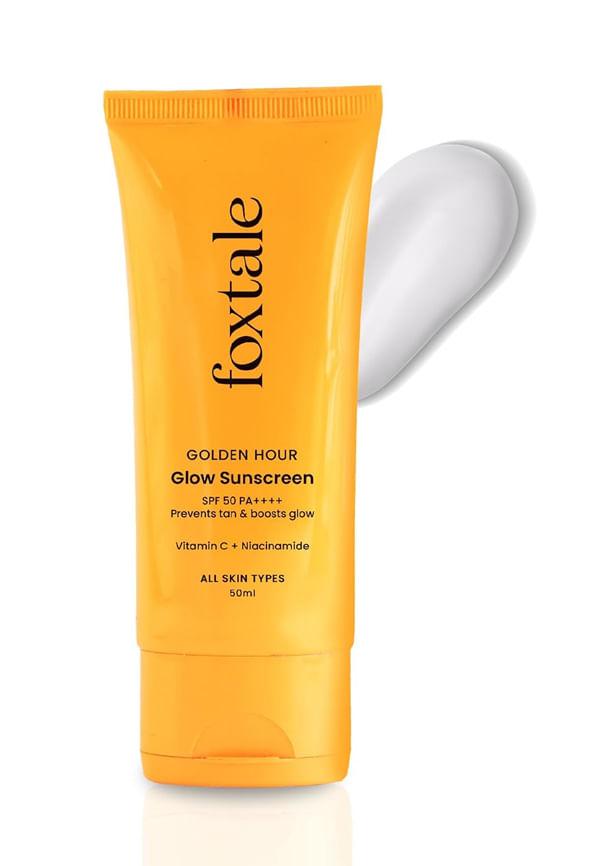
Glow Sunscreen SPF 50 PA++++ Lightweight with Vitamin C and Niacinamide
Good Sunscreen for Price
 4
4“good sunscreen for this price range”
Favorite Sunscreen: Pigmentation & Sun Protection
5“it is my favorite sunscreen that's why i ordered 2 of this sunscreen. removes pigmentation and protects from son also”
Good, no white cast
5“Bahut acha he app log le sakte ho white cast nahi shodta he”
This is your star ingredient for morning pigmentation care. L-ascorbic acid offers the most potent results, but stable derivatives like magnesium ascorbyl phosphate work well for sensitive skin. Apply to clean skin, allow 10-15 minutes for absorption before the next step.
Hydration supports your skin barrier, which is essential for pigmentation healing. Choose formulas with ceramides or hyaluronic acid that won't interfere with your SPF application. Avoid anything too heavy that might cause your sunscreen to pill.
This step makes or breaks your entire routine. SPF 30+ with zinc oxide or titanium dioxide provides the best protection against further pigmentation. Reapply every 2-3 hours, especially if you're outdoors. No amount of treatment will work if you're not preventing new damage daily.
Evening is when the real work happens. Your skin repairs itself overnight, making it the perfect time for active ingredients that target existing pigmentation. This is also when you can use potentially photosensitising ingredients like retinoids and certain acids without worrying about sun exposure.
Start with an oil-based cleanser to remove SPF and makeup thoroughly. Follow with a water-based cleanser for a deep clean. This ensures your treatment products can penetrate properly rather than sitting on top of residual sunscreen.
AHAs like glycolic and lactic acid help fade acne scars and surface pigmentation by accelerating cell turnover. BHAs like salicylic acid work well for acne-related PIH. Start with lower concentrations (5-10%) and gradually increase as your skin adapts.
Niacinamide at 5-10% concentration helps with oil control whilst brightening skin tone. Alpha arbutin provides gentle melanin inhibition perfect for sensitive skin. Tranexamic acid shows particular promise for stubborn melasma that doesn't respond to other treatments.
Start with 0.25-0.5% retinol 2-3 times per week, gradually building tolerance. Retinoids are among the most effective ingredients for pigmentation, but they require patience and proper introduction to avoid irritation. Always alternate nights with other strong actives.
Finish with ceramides and peptides to support overnight repair. Your skin barrier needs to stay healthy throughout this process—compromised barriers can actually worsen pigmentation by triggering more inflammation.
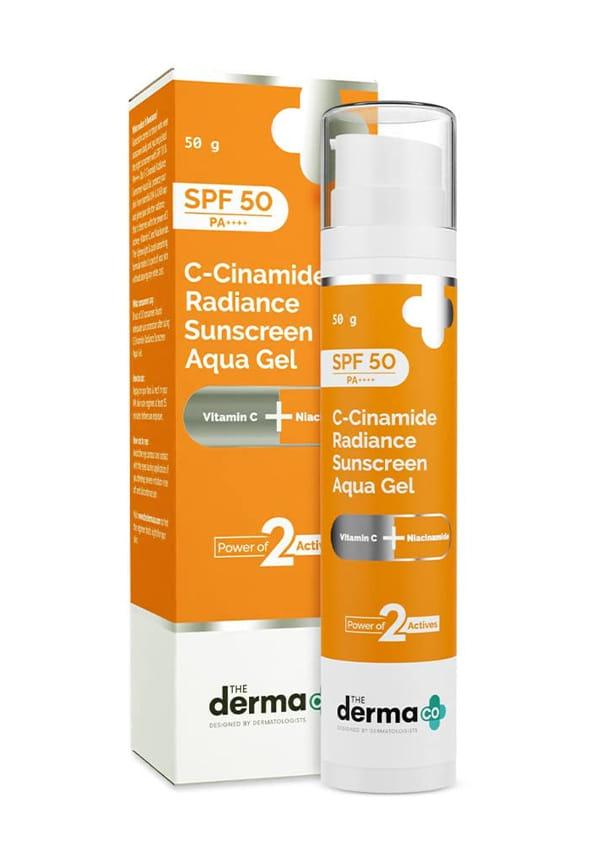
C-Cinamide Sunscreen Aqua Gel SPF 50 PA++++ | Vitamin C & Niacinamide
Good for Oily Skin
4“good. sunscreen for oily skin”
Good for Oily Skin
4“good. sunscreen for oily skin”
Excellent Product, Very Happy
5“excellent 👌👍 very nice iam very happy 😌😁 Thnkuu derma 🥰🥰🥰🥰🥰🥰🥰🥰🥰🥰🥰”
Whilst active ingredients deliver the most reliable results, certain natural approaches can complement your routine effectively. The key is understanding which ones have actual scientific backing versus those that are purely anecdotal.
Kojic acid, derived from fermented rice, offers gentle tyrosinase inhibition and works well for sensitive skin. Licorice root extract contains glabridin, which helps inhibit melanin production whilst providing anti-inflammatory benefits. Vitamin E and rosehip oil support scar healing through their antioxidant and regenerative properties.
Whilst ingredients like lemon juice and turmeric are popular in DIY treatments, they can actually cause more harm than good. Lemon juice is highly acidic and photosensitising, potentially worsening pigmentation. Stick to properly formulated products where concentrations are tested for safety and efficacy.
One size definitely doesn't fit all when it comes to pigmentation treatment. Your skin type, the severity of your pigmentation, and any underlying skin conditions all influence which products and concentrations will work best for you.
Focus on lightweight, non-comedogenic formulations that won't clog pores. Niacinamide becomes particularly valuable here as it addresses both oil control and pigmentation. Salicylic acid can help with both active breakouts and post-inflammatory hyperpigmentation simultaneously.
Layer hydrating ingredients like hyaluronic acid under your treatments. You might need richer moisturisers to counteract any drying effects from active ingredients. Consider combining anti-aging peptides with your pigmentation treatments for dual benefits.
Always patch test new products on your inner arm for 24-48 hours before facial application. Introduce one new active ingredient at a time, spacing introductions 2-3 weeks apart. Consider gentler alternatives like alpha arbutin instead of hydroquinone, or stable vitamin C derivatives instead of L-ascorbic acid.
Sometimes at-home routines need professional support to achieve optimal results. Understanding when to seek help can save you months of frustration with products that simply aren't strong enough for your particular pigmentation.
At-home chemical peels can provide more intensive exfoliation than daily acids, but they require careful research and patch testing. Microneedling can enhance product penetration, but should ideally be done professionally to avoid scarring or infection.
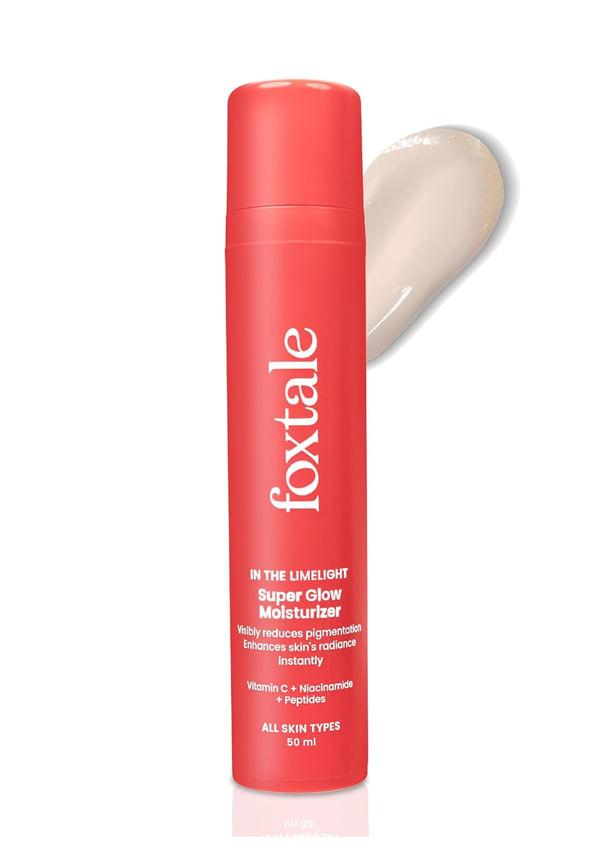
Vitamin C Super Glow Moisturizer with Niacinamide
Awesome Excellent Product
5“awesome good best excellent product”
Awesome Excellent Product
5“awesome good best excellent product”
Good New Product
5“it's good to for giving me this new product”
Seek professional help if pigmentation appears suddenly, changes shape or colour, or doesn't respond to 6 months of consistent treatment. Melasma often requires prescription-strength treatments or professional procedures like laser therapy for significant improvement.
Most people notice initial improvements around 6-8 weeks with consistent use. Significant results typically appear after 3-6 months. Track progress with monthly photos in the same lighting—changes happen gradually and can be hard to notice day-to-day.
Yes, but introduce them gradually. Vitamin C pairs well with niacinamide despite old myths suggesting otherwise. Avoid combining retinoids with AHAs/BHAs on the same night initially. Always listen to your skin and reduce frequency if irritation occurs.
This could be normal purging if you're using retinoids or acids—deeper pigmentation comes to the surface before fading. However, if you experience burning, excessive redness, or new dark spots, you may be over-exfoliating or having an allergic reaction.
Melasma is hormonally driven and often requires more aggressive treatment, including prescription options. Sun spots typically respond well to consistent vitamin C, retinoids, and chemical exfoliation. Melasma may worsen with heat and certain treatments that work well for other pigmentation types.
Daily SPF 30+ is non-negotiable, even indoors near windows. Treat active acne quickly to prevent PIH. Consider antioxidant-rich skincare and a diet high in vitamins C and E. Smytten's trial packs let you test different SPF formulations to find one you'll actually use daily.
Building an effective skin care routine for pigmentation requires patience, consistency, and realistic expectations. Focus on proven ingredients like vitamin C, niacinamide, alpha arbutin, and retinoids rather than chasing the latest trends. Remember that prevention through daily SPF use is just as important as treatment—no amount of dark spot corrector will work if you're creating new damage daily.
Start slowly, especially if you have sensitive skin, and don't expect overnight miracles. Most pigmentation takes 3-6 months of consistent treatment to show significant improvement. Consider your skin type and pigmentation severity when choosing products, and don't hesitate to seek professional help for stubborn cases like melasma.
Finding the right products for your pigmentation concerns doesn't have to involve expensive trial and error. Smytten is India's largest product discovery and trial platform, connecting consumers with top lifestyle, beauty, wellness, and grooming brands through curated trial packs from over 2,400 trusted brands including Cetaphil, Dot & Key, and Bella Vita. This try before you buy approach is particularly valuable for pigmentation treatments, where what works for one person might not work for another. With trial points starting at just ₹279 for up to 10 minis, plus 100% cashback redeemable for future orders, you can test different brightening serums, vitamin C formulations, and gentle exfoliants without the commitment of full-size purchases. When you find a product that genuinely helps fade your dark spots, buying the full-size version is just a click away in Smytten's shop. After all, why settle for 'maybe this will work' when you can #TryItAll and find what actually delivers results for your skin?
