9 Ways Broad Spectrum SPF Science Protects Your Skin


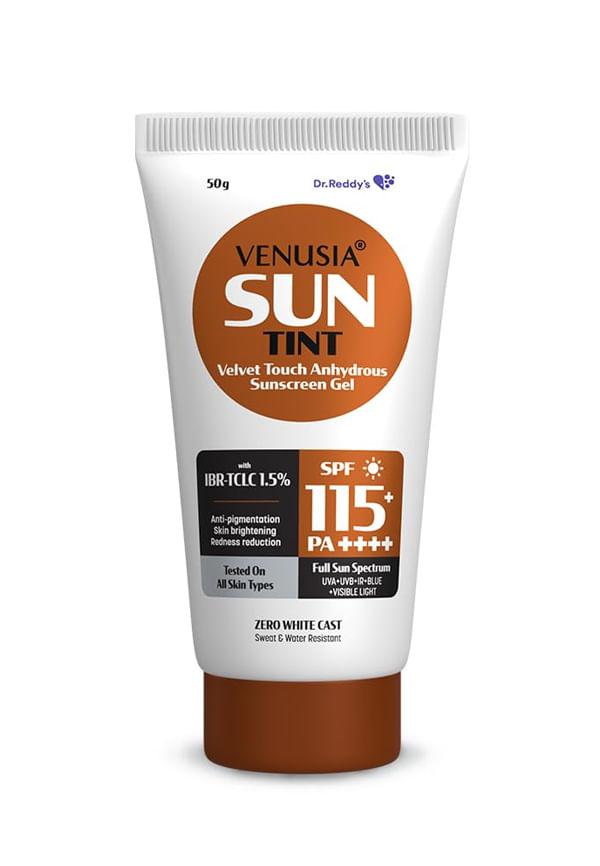
Tinted sunscreen SPF115I Full spectrum protection I UVA UVB Blue light protect
Ever wondered why dermatologists keep banging on about broad spectrum SPF? Here's the thing: 90% of visible skin ageing comes from sun exposure, and the science behind broad spectrum SPF and why it works is absolutely fascinating. Unlike regular sunscreens that might only tackle UVB rays (the ones that cause sunburn), broad spectrum formulas protect against both UVA and UVB radiation. This means you're getting comprehensive protection against immediate damage like burns and long-term concerns like premature ageing, dark spots, and even skin cancer. Whether you're dealing with post-summer hyperpigmentation or simply want to prevent future damage, understanding how these formulas work at a molecular level can help you make smarter choices. From chemical filters that absorb harmful rays to mineral blockers that reflect them away, broad spectrum science is your skin's best defence system. And with platforms like Smytten offering trial-sized versions of top sunscreens, you can actually test different formulations to find what works best for your skin before committing to full-size products.
Broad spectrum SPF protects against both UVA (ageing) and UVB (burning) rays through chemical absorption or physical reflection
Chemical filters like avobenzone work by absorbing UV energy and converting it to heat, while mineral filters like zinc oxide reflect rays away
Modern formulations combine multiple protection mechanisms including antioxidants and encapsulated filters for enhanced defence
Proper application (2mg/cm²) and regular reapplication every 2 hours maximises protection effectiveness
Daily broad spectrum use prevents DNA damage, preserves collagen, and significantly reduces skin cancer risk
Before diving into how broad spectrum sunscreen explained works, let's get clear on what we're actually protecting against. The sun emits different types of ultraviolet radiation, and each one affects your skin differently.
UVA UVB protection science starts with understanding that these aren't just random letters. UVA rays (320-400nm wavelength) penetrate deeper into your skin, reaching the dermis where your collagen lives. They're the sneaky ones responsible for premature ageing, wrinkles, and those stubborn dark spots that seem to appear out of nowhere. UVB rays (280-320nm) are shorter but more intense, causing the surface damage we recognise as sunburn and playing a major role in skin cancer development.
Here's where how broad spectrum SPF works gets really interesting. These formulations use two main mechanisms: absorption and reflection. Chemical filters absorb UV energy and convert it into harmless heat, whilst mineral filters create a physical barrier that reflects and scatters rays away from your skin. The "broad spectrum" bit means the formula covers the entire UV spectrum effectively, meeting strict FDA requirements for balanced UVA and UVB protection.
Chemical sunscreens work like tiny molecular sponges, soaking up harmful UV radiation before it can damage your skin cells. Let's break down exactly how these clever ingredients protect you.
Sunscreen ingredients broad spectrum formulas often feature avobenzone for UVA protection, paired with octinoxate or octisalate for UVB coverage. When UV rays hit these molecules, they absorb the energy and release it as heat. It's like having millions of microscopic shields that neutralise harmful radiation before it reaches your skin cells.
One challenge with chemical filters is photostability—some break down under UV exposure. Modern formulations solve this by combining stabilising ingredients or using newer, more stable filters like mexoryl or tinosorb. This ensures your protection doesn't diminish throughout the day.
For a sunscreen to earn "broad spectrum" status, it must pass critical wavelength testing, proving protection up to at least 370nm. This ensures you're covered against the full range of harmful UV radiation, not just the obvious burning rays.
Sun damage prevention science shows that chemical filters work by preventing UV photons from reaching your DNA. When these rays would normally cause thymine dimers (DNA damage that leads to mutations), the chemical filters intercept and neutralise them first. It's like having a bouncer for your skin cells.
Mineral sunscreens take a different approach, creating a physical barrier on your skin's surface. Think of them as tiny mirrors reflecting harmful rays away before they can cause damage.
These mineral particles work through light scattering and reflection physics. Zinc oxide provides excellent broad spectrum coverage, whilst titanium dioxide excels at UVB protection. The particle size matters too—nano-particles offer better cosmetic elegance (less white cast) whilst maintaining protection efficacy.
Unlike chemical filters that need 15-20 minutes to absorb into skin, mineral sunscreens provide instant protection. The moment you apply them, they're working to deflect harmful rays. Perfect for those "oh no, I forgot sunscreen" moments.
Mineral filters don't break down under UV exposure, making them incredibly stable. This means consistent protection throughout wear time, which is why many dermatologists favour them for sensitive skin or daily use.
The latest sunscreen science goes beyond basic UV filtering, incorporating cutting-edge technologies that enhance protection and skin health simultaneously.
Some modern formulations use encapsulation technology, wrapping UV filters in protective spheres. This enhances stability, reduces skin penetration of chemical filters, and can provide time-released protection. It's like having a slow-release system for sun protection.
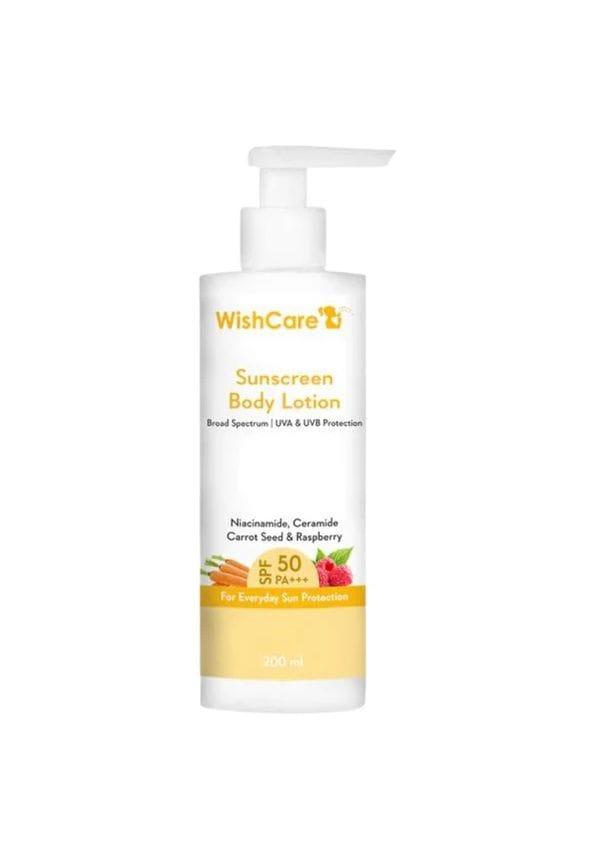
SPF50 Sunscreen Body Lotion - Broad Spectrum - UVA & UVB Protection
Good for price
 5
5“achchaaa hai price k according”
Best Body Sunscreen
5“Best body sunscreen out there. go for it”
Best Sunscreen Lotion
5“best ever sunscreen lotion I already have 3 bottles of it”
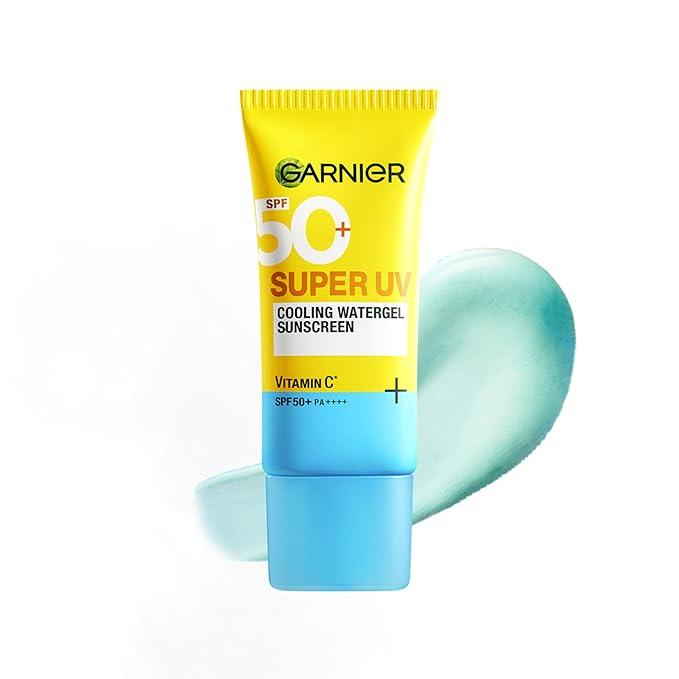
Advanced skin protection from sun rays now includes antioxidants like vitamin C, vitamin E, and niacinamide. These ingredients work synergistically with UV filters, neutralising free radicals that can still form despite sunscreen use. The Garnier Super UV Cooling Watergel Sunscreen exemplifies this approach, combining broad spectrum protection with cooling technology and skin-beneficial ingredients that help maintain your skin's health whilst providing reliable sun defence. This type of multi-functional formula represents the evolution of sunscreen from simple protection to comprehensive skin care.
Understanding SPF broad spectrum ratings helps you make informed decisions about which formula will work best for your lifestyle and skin needs.
Here's the maths: SPF 30 blocks about 97% of UVB rays, whilst SPF 50 blocks 98%. That 1% difference might seem small, but for very sun-sensitive skin or extended outdoor exposure, it can matter. The key is consistent, proper application rather than relying solely on higher numbers.
Choosing broad spectrum SPF involves considering water resistance ratings. "Water resistant (40 minutes)" means protection maintains effectiveness for 40 minutes of swimming or sweating, whilst "very water resistant (80 minutes)" extends this to 80 minutes. However, reapplication every 2 hours remains crucial regardless of water resistance claims.
The standard testing amount is 2mg/cm² of skin—roughly 1/4 teaspoon for your face alone. Most people apply far less, reducing actual protection significantly. This is why dermatologists emphasise generous, even application over chasing higher SPF numbers.
The benefits of broad spectrum sunscreen extend far beyond preventing sunburn. Regular use creates a protective environment that preserves your skin's health and appearance over time.
UV radiation causes thymine dimers in DNA, leading to mutations that can result in skin cancer. Broad spectrum protection prevents this damage from occurring in the first place, maintaining your skin cells' genetic integrity. It's prevention at the most fundamental level.
UVA rays trigger matrix metalloproteinases (MMPs), enzymes that break down collagen and elastin. By blocking these rays, broad spectrum sunscreens help preserve your skin's structural proteins, maintaining firmness and elasticity. This is why consistent SPF use is the most effective anti-ageing strategy.
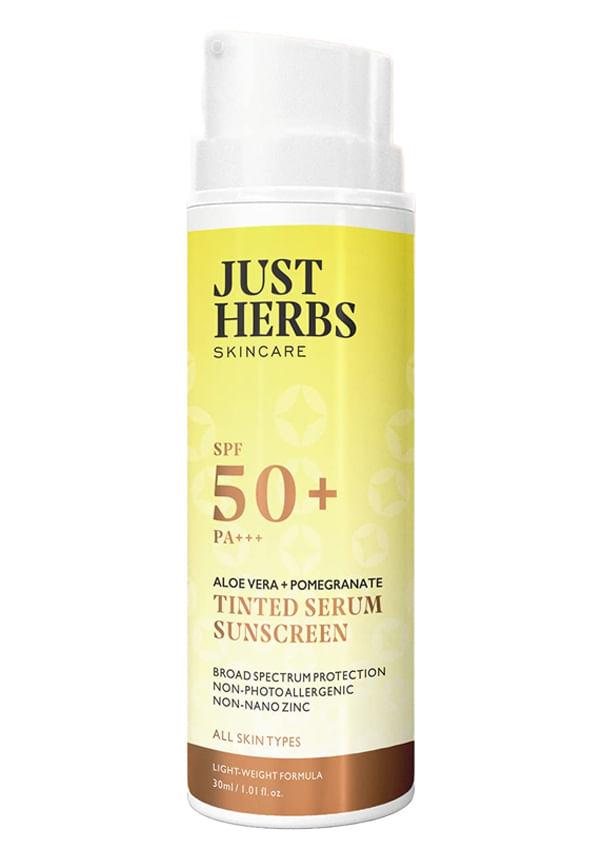
Tinted Sunscreen Serum With Spf 50+ Pa++++ Uva/Uvb
Good Coverage & Looks Nice
5“It have some coverage n it looks nice on the skin ”
Very Nice Tinted Sunscreen
4“it is very nice tinted sunscreen”
Very Good Product, Recommended
4“it's very good product.i liket the product but I'll let u know after using the product you can buy the product without hesitation.”
Clinical studies show that regular broad spectrum sunscreen use can reduce melanoma risk by up to 50% and squamous cell carcinoma by about 40%. These aren't just statistics—they represent real protection against potentially life-threatening conditions.
Broad spectrum sunscreen works by using chemical or mineral filters to protect against both UVA and UVB radiation. Chemical filters absorb UV energy and convert it to heat, whilst mineral filters reflect and scatter rays away from skin. The "broad spectrum" designation means the formula provides balanced protection across the entire UV spectrum.
SPF 30 provides excellent protection for daily use, blocking 97% of UVB rays when applied properly. The key is consistent application and reapplication every 2 hours, especially if you're outdoors. Higher SPFs offer marginally more protection but proper application technique matters more than the number.
Chemical vs mineral broad spectrum sunscreens work differently: chemical filters absorb UV radiation and convert it to heat, whilst mineral filters (zinc oxide and titanium dioxide) physically block and reflect rays. Both can provide excellent broad spectrum protection when formulated properly.
Reapply broad spectrum sunscreen every 2 hours, or immediately after swimming, sweating heavily, or towelling off. Even water-resistant formulas need reapplication to maintain optimal protection. Set a phone reminder if you tend to forget—your future skin will thank you.
Absolutely! Smytten offers trial-sized versions of various broad spectrum sunscreens, letting you test different formulations to find what works best for your skin type and preferences. This try-before-you-buy approach helps you discover your perfect match without committing to full-size products.
The science behind broad spectrum SPF reveals a sophisticated defence system that protects your skin through multiple mechanisms. Whether you choose chemical filters that absorb harmful radiation or mineral barriers that reflect it away, consistent daily use provides unparalleled protection against both immediate damage and long-term skin health concerns. Remember that proper application technique—using enough product and reapplying regularly—matters more than chasing the highest SPF number. The investment in quality broad spectrum protection pays dividends in healthier, more resilient skin that ages gracefully. Make sunscreen as routine as brushing your teeth, and your skin will show the benefits for decades to come.
Understanding the science behind sun protection empowers you to make informed choices about your skincare routine. With Smytten's extensive collection of trial-sized sunscreens from trusted brands, you can explore different broad spectrum formulations to find your perfect match. The platform's try-before-you-buy approach means you can test various textures, finishes, and ingredients without the commitment of full-size purchases. Plus, with 100% cashback on trial minis, discovering your ideal sun protection becomes both affordable and rewarding. When you find a formula that works beautifully with your skin, purchasing the full-size version is just a click away in Smytten's shop. After all, why settle for maybe when you can try authentic, brand-verified minis and find the perfect broad spectrum SPF for your skin's unique needs?
