9 Sunscreen Tips for Men's Face Protection

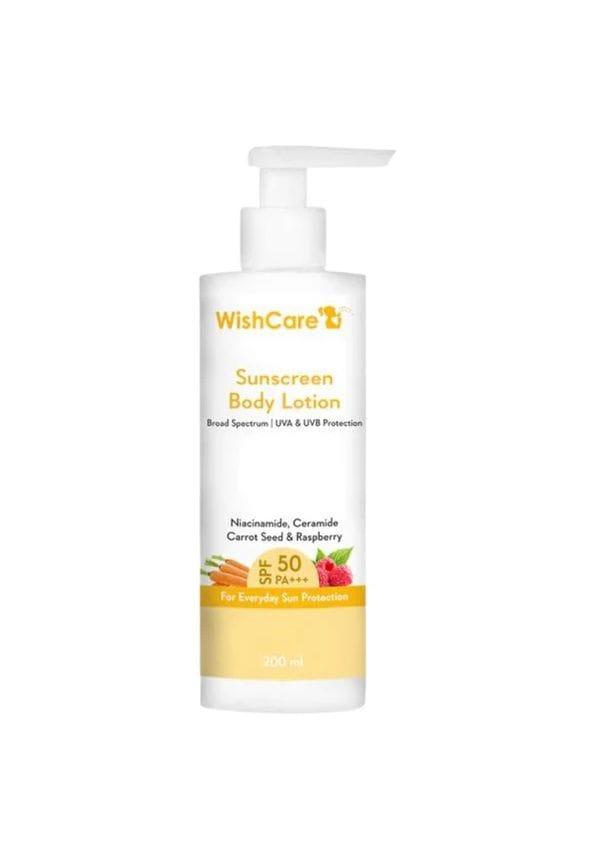
SPF50 Sunscreen Body Lotion - Broad Spectrum - UVA & UVB Protection
You've probably heard the statistics: men are twice as likely to develop skin cancer compared to women, yet they're far less likely to use daily sun protection. If you're reading this, you're already ahead of the curve. The truth is, your face takes a beating from UV rays every single day—whether you're commuting to work, playing weekend football, or simply stepping out for lunch. But here's the thing: protecting your skin doesn't have to be complicated or time-consuming. With the right approach and these nine essential tips, you can build bulletproof sun protection into your routine without missing a beat.
Let's start with the basics: men's skin isn't just a thicker version of women's skin. Your skin produces about 25% more sebum, has larger pores, and tends to be more resilient—but also more prone to sun damage if left unprotected. Add in lifestyle factors like outdoor work, weekend sports, and daily shaving (which removes the skin's protective barrier), and you've got a recipe for accelerated ageing and increased cancer risk. The biggest misconception? That sun protection is somehow less masculine. Real talk: there's nothing more confident than a man who takes care of his skin. Men's facial sunscreen formulations have come a long way—no more thick, white, greasy formulas that feel like face paint. Today's options are lightweight, fast-absorbing, and designed specifically for how men's skin behaves.
Not all sunscreens are created equal, and your skin type should drive your choice. If you're dealing with oily skin, look for gel-based or fluid formulations with zinc oxide or titanium dioxide. These won't clog your pores or add to the shine. Sunscreen for oily skin men should be labelled non-comedogenic and ideally contain niacinamide to help control excess oil production. For sensitive skin, mineral sunscreens are your best friend. Zinc oxide and titanium dioxide sit on top of your skin rather than absorbing into it, making them gentler and less likely to cause irritation. If you're prone to razor burn or have rosacea, these formulations will work with your skin, not against it.
Dry skin needs extra love, so look for sunscreens that double as moisturisers. Ingredients like hyaluronic acid, ceramides, and glycerin will keep your skin hydrated while providing protection. These formulations tend to be creamier but shouldn't feel heavy if chosen correctly.
SPF 30 is your daily minimum—it blocks about 97% of UVB rays. For extended outdoor time, bump up to SPF 50+, which blocks about 98%. The difference seems small, but that extra 1% matters when you're spending hours in direct sunlight. Don't fall for the SPF 100 marketing—anything above 50 offers minimal additional protection.
Here's where most men go wrong: you need about a quarter teaspoon of sunscreen for your face and neck. That's roughly three finger-lengths squeezed onto your palm. It might seem like a lot, but under-application is the fastest way to sunburn. Spread it evenly, paying attention to your T-zone where oil production is highest.
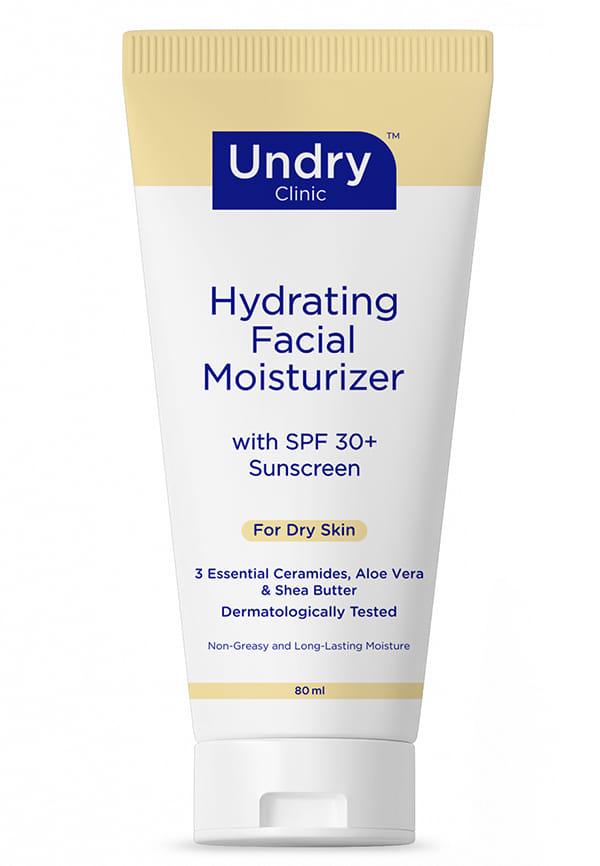
Facial Moisturizer with Sunscreen SPF30 Face Moisturizer
Chemical sunscreens need time to absorb and activate, whilst mineral sunscreens work immediately. To be safe, apply 15 minutes before heading out. This also gives the product time to set, so it won't transfer onto your shirt collar or steering wheel.
Your ears, hairline, and the area around your eyes are UV magnets. If you're balding or have thinning hair, your scalp needs protection too. Many men miss the skin just under their jawline—UV rays reflect off surfaces and can hit you from below.
This is non-negotiable, especially if you're sweating or touching your face. Set a phone reminder if you need to. Waterproof sunscreen for men can handle sweat and water for about 80 minutes, but it's not permanent. Keep a small tube in your gym bag or car for easy reapplication.
Sunscreen should be the last step in your skincare routine but the first step before any styling products. If you use aftershave, let it absorb completely before applying sunscreen. Some aftershaves contain alcohol, which can break down sunscreen ingredients if applied too close together.
UVA rays cause ageing and penetrate deeper into your skin, whilst UVB rays cause burning. You need protection from both. Look for "broad-spectrum" on the label, and if you're shopping for Asian beauty products, check for PA+++ or PA++++ ratings for UVA protection.
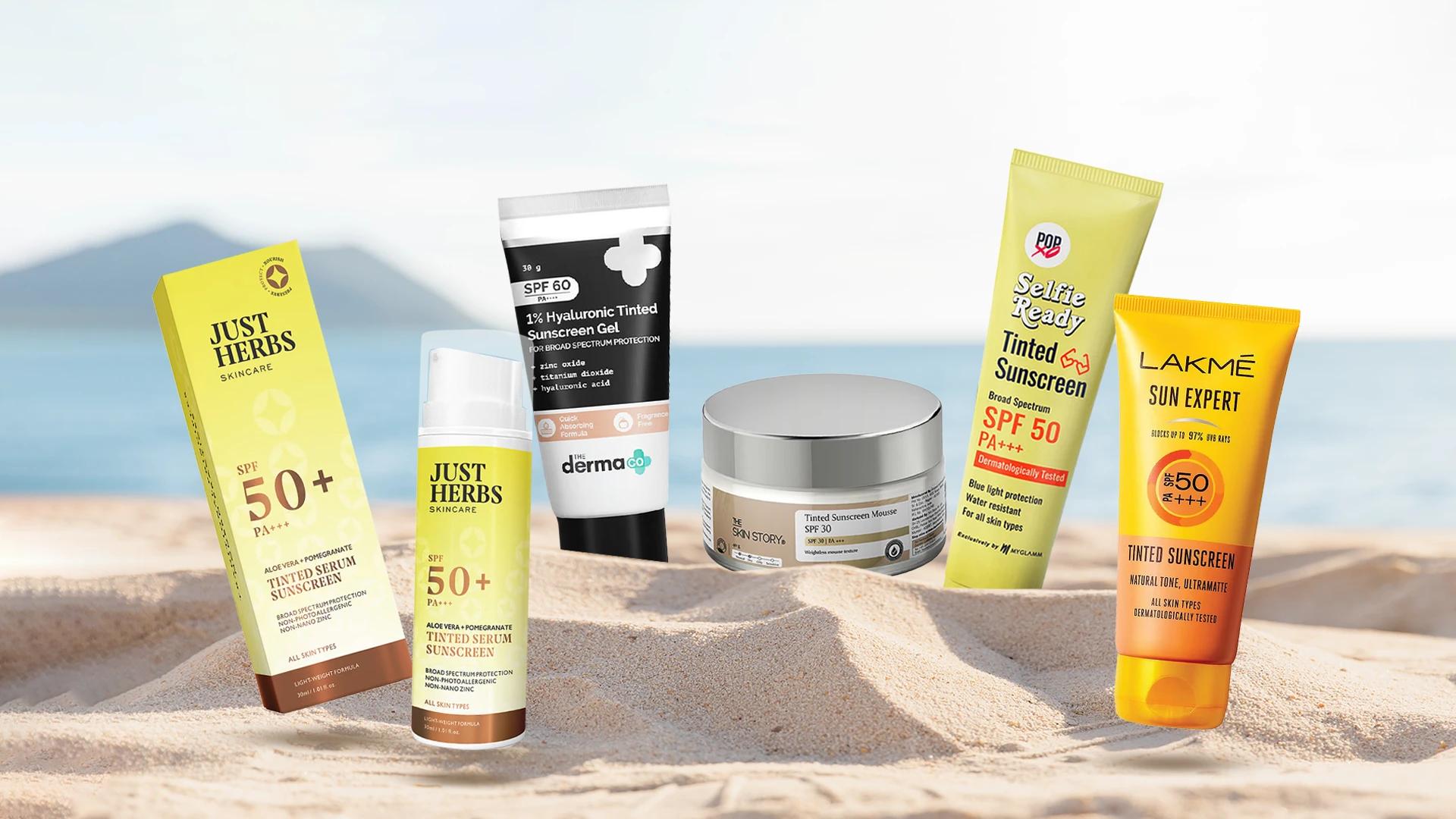
Tinted sunscreens aren't makeup—they're smart sun protection. They help you see where you've applied the product and can even out skin tone if you have acne scars or uneven pigmentation. Most tinted formulas are designed to work on various skin tones without looking obvious.
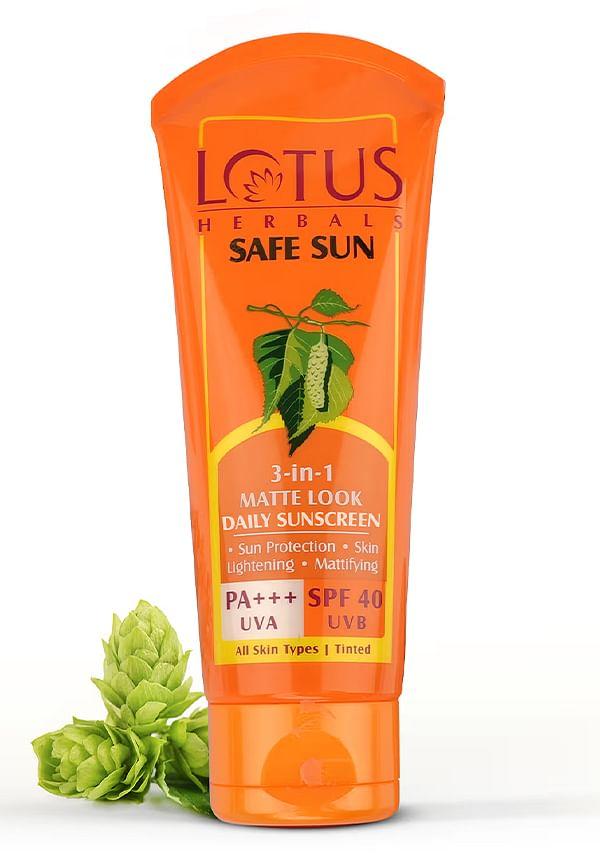
Safe Sun 3 In 1 Matte-Look Daily Sunscreen SPF 40 PA+++
If you're active or live in a humid climate, waterproof formulations are worth the investment. They're designed to stay put through sweat and water exposure. Just remember: waterproof doesn't mean permanent—you still need to reapply.
If you're someone who barely has time for a basic routine, a daily face moisturiser with SPF for men might be your solution. These 2-in-1 products save time whilst ensuring you never skip sun protection. Look for formulations with at least SPF 30 and ingredients like niacinamide for oil control or hyaluronic acid for hydration. The key is finding one that doesn't compromise on either function. The best sunscreen for men's face in this category will absorb quickly, won't pill under other products, and provide adequate protection for daily use. Apply the same amount you would use for a standalone sunscreen—don't assume you can use less because it's a moisturiser.
Apply to clean, dry skin using upward motions. Don't forget your neck—it's often the first place to show signs of ageing. If you're using other products like serums, let them absorb completely before applying your SPF moisturiser.
Sun protection for men isn't just about what you put on your skin. Wide-brimmed hats, UV-protective sunglasses, and seeking shade during peak hours (10 AM to 4 PM) all play crucial roles. If you work outdoors, consider long-sleeved shirts with UPF ratings. Your car's side windows don't block UVA rays, so if you're commuting long distances, window tinting or additional SPF for men becomes even more important. Even brief exposures add up over time—that 20-minute walk to lunch counts.
Schedule outdoor activities for early morning or late afternoon when UV intensity is lower. If you're a runner or cyclist, plan your routes to include shaded areas where possible. These small changes, combined with proper sunscreen use, create comprehensive protection.
The biggest mistake? Thinking sunscreen is only for beach days. UV rays penetrate clouds and reflect off concrete, snow, and water year-round. Your men's skincare sun protection routine should be as consistent as brushing your teeth. Another common error is using expired products. Sunscreen typically lasts three years unopened, but once you start using it, aim to replace it annually. Heat and humidity can break down the active ingredients, making your protection less effective.
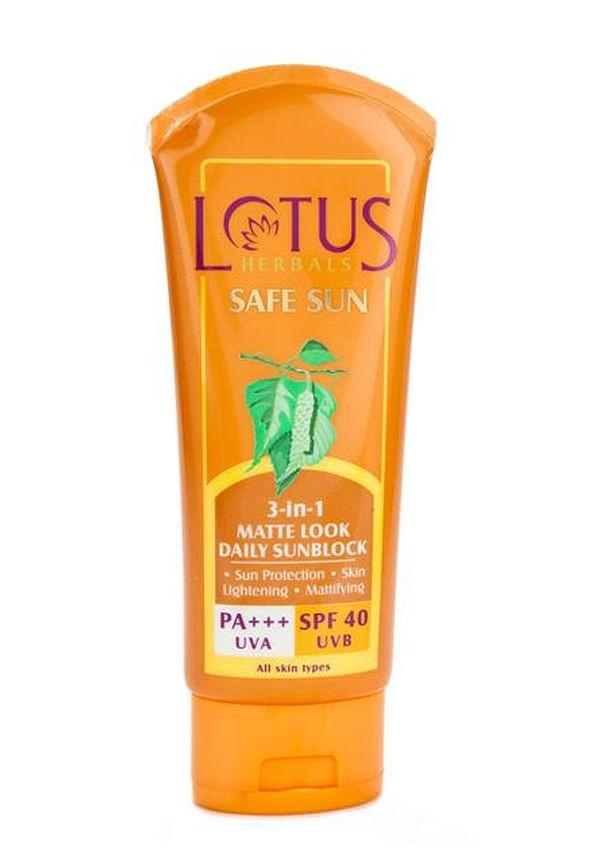
Safe Sun 3 In 1 Matte-Look Daily Sunscreen SPF 40 PA+++
Keep your sunscreen in a cool, dry place—not your car's glove compartment or bathroom cabinet above the radiator. If the texture changes, it separates, or it starts to smell off, it's time for a new tube regardless of the expiry date.
Darker skin tones have more natural protection but still need SPF 30 minimum. Mineral sunscreens can leave a white cast, so look for tinted versions or chemical formulations. Zinc oxide and titanium dioxide now come in nano-sized particles that blend better with all skin tones.
Waterproof sunscreens maintain their SPF for 80 minutes of water exposure, whilst water-resistant versions last 40 minutes. Neither is truly permanent—both require reapplication after the specified time or after towelling off.
Body sunscreens are often thicker and more likely to clog pores. Facial formulations are designed for the delicate skin on your face and are usually non-comedogenic. If you're in a pinch, body sunscreen is better than no protection, but invest in a facial formula for daily use.
About a quarter teaspoon or three finger-lengths of product. This might seem excessive, but studies show most people apply only 25-50% of the recommended amount, significantly reducing protection.
Building sun protection into your daily routine doesn't require a complete lifestyle overhaul. Start with one good facial sunscreen that you'll actually use, master the application technique, and build from there. Your skin will thank you in 10, 20, and 30 years when you're not dealing with premature ageing or skin cancer scares. Remember, consistency beats perfection. A decent sunscreen used daily is infinitely better than the perfect sunscreen sitting unused in your bathroom cabinet. If you're curious about trying different formulations before committing to full-size products, platforms like Smytten let you test minis from trusted brands, making it easier to find your perfect match without the guesswork.
