9 Quick Razor Burn Relief Tips for Soothing Irritated Skin

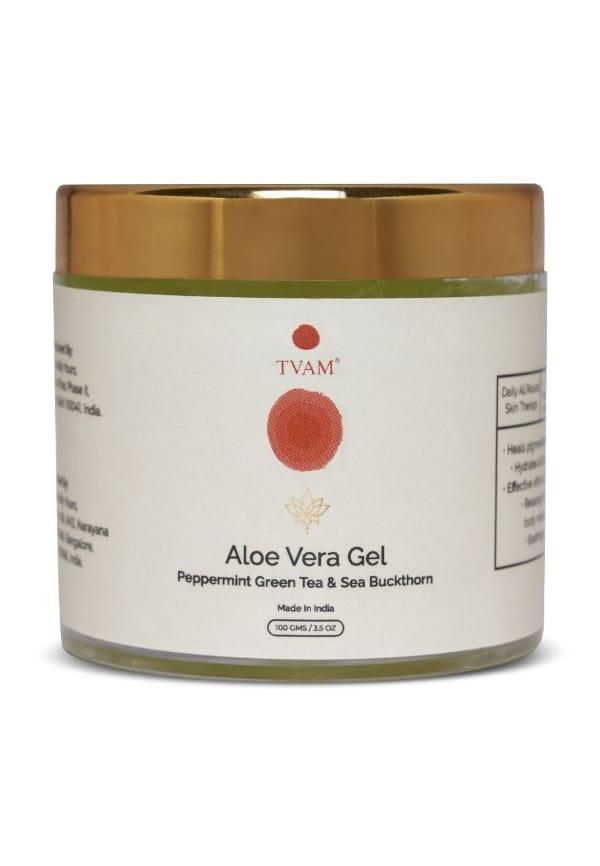
Aloe Vera Gel- Peppermint Green Tea & Sea Buckthorn
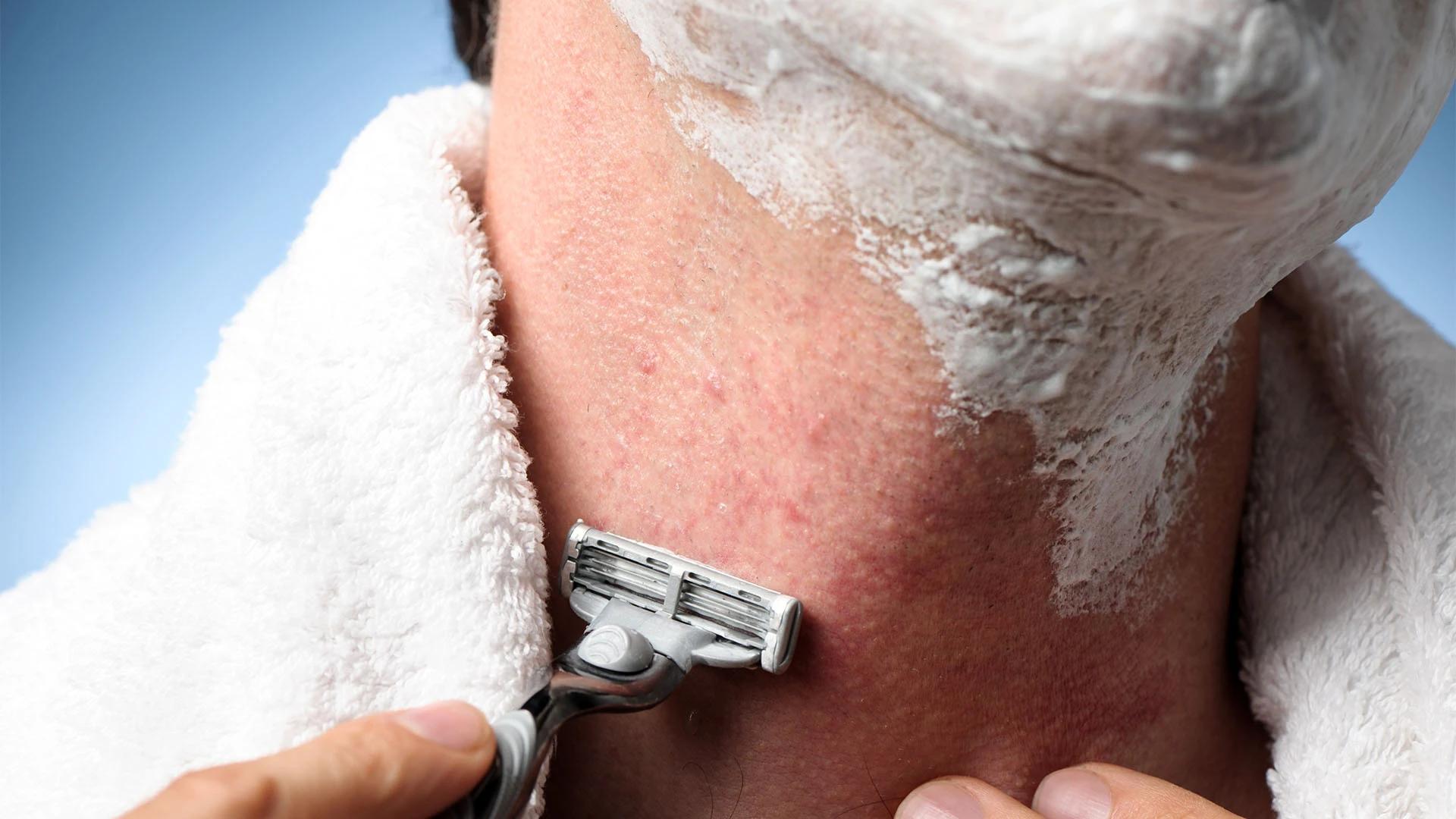
That post-shave sting hits differently when you're rushing out the door, doesn't it? One moment you're feeling fresh and smooth, the next you're dealing with angry red bumps that seem determined to ruin your day. Razor burn is one of those universal skincare struggles that affects nearly everyone who shaves, yet finding quick relief often feels like a guessing game. Whether you're dealing with the occasional flare-up or battling persistent irritation, the right approach can transform your skin from inflamed to calm in surprisingly little time. The good news? You don't need expensive treatments or complicated routines to soothe irritated skin after shaving. From cooling compresses that work in minutes to natural remedies sitting in your kitchen cupboard, effective razor burn relief is more accessible than you might think. At Smytten, we've seen countless users discover gentle, effective solutions through trial-sized products that let them test what works for their unique skin needs without the commitment of full-size purchases.
TL;DR
Immediate relief comes from cool compresses, cold water rinses, and gentle patting dry to reduce inflammation
Natural remedies like aloe vera gel, tea tree oil, and oatmeal paste provide effective soothing without harsh chemicals
Professional aftershave balms with witch hazel, niacinamide, or salicylic acid target redness and prevent future irritation
Prevention through proper pre-shave prep, razor maintenance, and post-shave care stops razor burn before it starts
Persistent irritation lasting more than a week may require dermatologist consultation to rule out underlying conditions
Before diving into quick razor burn relief tips, it's worth understanding exactly what you're dealing with. Razor burn and razor bumps might seem similar, but they require slightly different approaches for effective treatment.
Razor burn appears as immediate redness, stinging, and sometimes a burning sensation right after shaving. Your skin looks inflamed and feels tender to the touch, often accompanied by that familiar tight, uncomfortable feeling. This happens when the razor blade irritates the skin's surface, typically from dull blades, dry shaving, or applying too much pressure.
Razor bumps, on the other hand, develop over the following days as small, raised bumps that can become infected. These occur when hair follicles become inflamed, often from ingrown hairs that curl back into the skin. The bumps may contain pus and can be quite painful, especially in sensitive areas.
Most razor burn resolves within 24-48 hours with proper care. However, if you notice signs of infection like spreading redness, warmth, pus, or red streaks extending from the affected area, it's time to consult a dermatologist. Chronic razor burn that occurs with every shave might indicate an underlying skin condition that needs professional attention.
When razor burn strikes, your skin needs immediate cooling and soothing. These five techniques work within minutes to calm inflammation and provide much-needed relief from that post-shave irritation.
Cooling compresses for skin irritation work by constricting blood vessels and reducing inflammation. Wrap a few ice cubes in a clean cloth or use a cold, damp flannel. Apply gently to the affected area for 5-10 minutes, taking breaks to prevent ice burn. The cold temperature numbs the discomfort whilst reducing swelling and redness.
Immediately after noticing razor burn, splash the area with cold water. This simple step helps close pores, reduce inflammation, and wash away any remaining shaving cream or soap residue that might be contributing to the irritation. Pat the area dry gently—never rub, as this can worsen the inflammation.
How you dry your skin after shaving makes a significant difference in preventing and treating razor burn. Use a clean, soft towel and gently pat the skin dry rather than rubbing. Rubbing can further irritate already sensitive skin and potentially introduce bacteria from the towel into microscopic nicks.
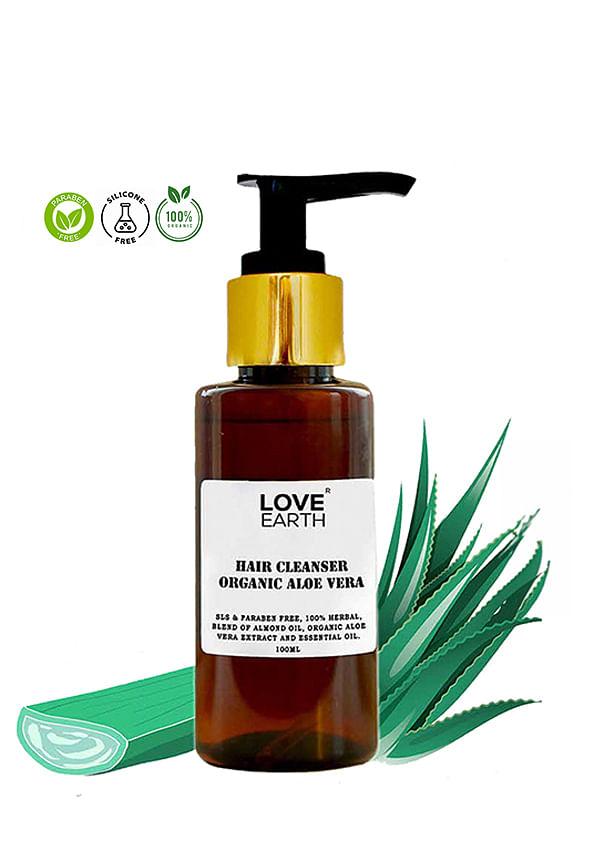
Hair Cleanser Organic Aloe Vera
Aloe vera for razor burn is a time-tested remedy that works beautifully for most skin types. The gel contains anti-inflammatory compounds that soothe irritation whilst providing cooling relief. Look for pure aloe vera gel without added fragrances or alcohol, which can further irritate sensitive skin. Apply a thin layer and let it absorb completely before getting dressed.
Shaving strips away the skin's protective barrier, leaving it vulnerable to irritation and moisture loss. A gentle, fragrance-free moisturiser helps restore this barrier whilst providing essential hydration. Choose products with ceramides, hyaluronic acid, or glycerin for optimal healing support.
Natural razor burn relief doesn't mean less effective—many kitchen staples and garden herbs provide powerful anti-inflammatory and healing properties. These gentle remedies work particularly well for sensitive skin that reacts poorly to commercial products.
Tea tree oil's antimicrobial and anti-inflammatory properties make it excellent for treating razor bumps and preventing infection. Always dilute tea tree oil with a carrier oil like coconut or jojoba oil (5-10% tea tree oil maximum) before applying to avoid further irritation. Dab onto individual bumps rather than applying to large areas.
Ground oatmeal creates a gentle exfoliating paste that helps remove dead skin cells whilst soothing irritation. Mix finely ground oats with enough water to form a paste, then apply to the affected area for 10-15 minutes before rinsing with cool water. This works particularly well for ingrown hair remedies as it helps free trapped hairs.
Fresh cucumber slices provide instant cooling relief thanks to their high water content and natural anti-inflammatory compounds. Place thin slices directly on the irritated skin for 10-15 minutes. The cooling effect helps reduce swelling whilst the natural enzymes in cucumber promote healing.
Brew strong green tea, let it cool completely, then soak a clean cloth in the tea for a soothing compress. Green tea contains powerful antioxidants and anti-inflammatory compounds that help calm irritated skin. You can also freeze the tea in ice cube trays for an extra cooling effect when needed.
When natural remedies aren't quite enough, professional-grade aftershave balms and treatments offer targeted relief with clinically proven ingredients. These products are specifically formulated to address post-shave irritation and prevent future occurrences.
Witch hazel acts as a natural astringent, reducing inflammation and tightening pores. Niacinamide helps regulate oil production whilst reducing redness and irritation. Salicylic acid gently exfoliates to prevent ingrown hairs, whilst allantoin promotes healing and soothes sensitive skin. Look for aftershave balm for redness that combines these ingredients for comprehensive care.
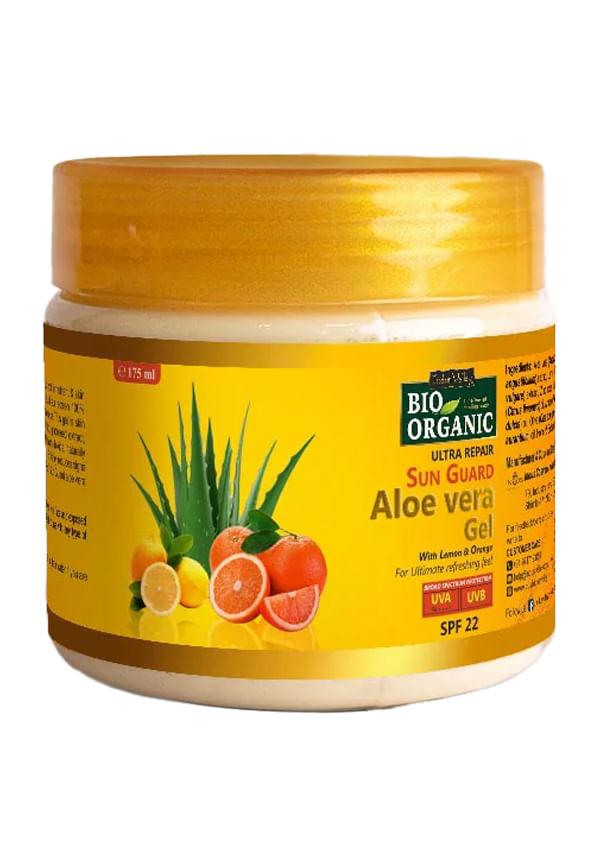
Bio Organic Sun Guard Aloe Vera Gel
Good for sensitive skin
 5
5“good for face it's war for face skin sensitive h fir bhi bahut achha wark kar raha”
Good product, liked texture
4“good product liked it's texture”
Great Natural Blend
5“Its natural blend is awesome with sunscreen”
Apply aftershave products to slightly damp skin for better absorption. Use gentle upward motions rather than rubbing vigorously, and allow each product to absorb completely before applying additional layers. Start with a small amount—you can always add more, but too much product can clog pores and worsen irritation.
For severe razor burn with significant inflammation, a mild over-the-counter hydrocortisone cream (0.5-1%) can provide relief. Use sparingly and only for a few days, as prolonged use can thin the skin. This should be a last resort when other methods haven't provided adequate relief.
Prevention remains the best strategy for managing razor burn. By adjusting your shaving routine and incorporating sensitive skin shaving tips, you can significantly reduce the likelihood of post-shave irritation.
Proper preparation sets the foundation for a comfortable shave. Always shave after a warm shower or apply a warm, damp towel to soften hair follicles. Use a quality shaving cream or gel that provides adequate lubrication—never dry shave or use soap as a substitute. Consider using a pre-shave oil for extra protection, especially if you have sensitive skin.
Sharp blades are crucial for preventing razor burn. Replace disposable razors after 3-5 uses, or safety razor blades after 5-7 shaves. Dull blades require more pressure and multiple passes, increasing irritation risk. Clean your razor thoroughly after each use and store it in a dry place to prevent bacterial growth.
Shave in the direction of hair growth (with the grain) rather than against it, especially on sensitive areas. Use light pressure—let the razor's weight do the work. Take shorter strokes and rinse the blade frequently to prevent clogging. Avoid going over the same area multiple times, as this increases irritation risk.
Immediately after shaving, rinse with cool water to close pores and remove any remaining product. Apply a gentle, alcohol-free aftershave balm or moisturiser whilst skin is still slightly damp. Avoid tight clothing over freshly shaved areas for at least an hour to prevent friction irritation.
Sometimes what appears to be simple razor burn can develop into more serious conditions requiring professional attention. Recognising when to seek help can prevent complications and ensure proper treatment.
Signs of infection include increasing redness that spreads beyond the original area, warmth to the touch, pus-filled bumps, red streaking, or fever. These symptoms require immediate medical attention as they may indicate cellulitis or another serious bacterial infection.
If you experience razor burn with every shave despite following proper techniques, you might have an underlying condition like folliculitis, eczema, or extremely sensitive skin. A dermatologist can help identify the root cause and recommend appropriate treatments, which might include prescription topical medications or alternative hair removal methods.
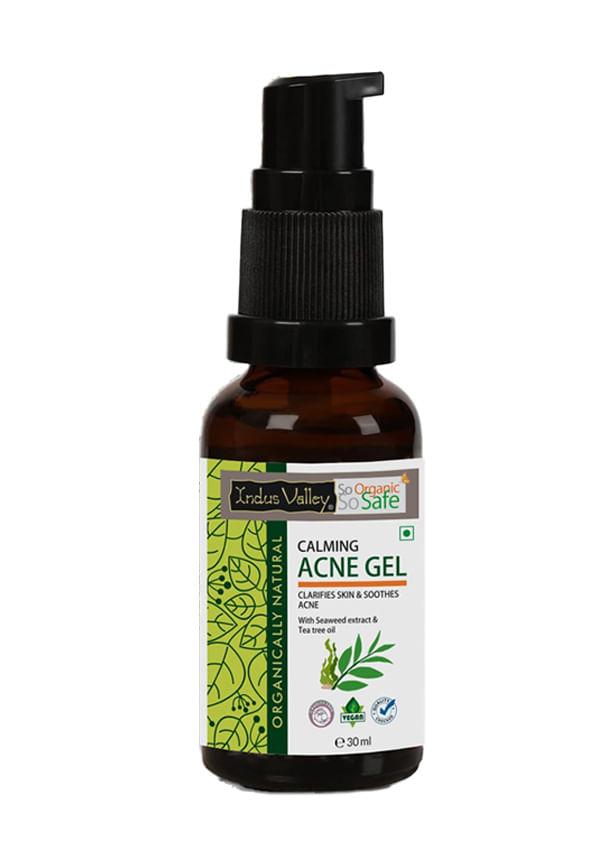
Calming Acne Gel with Seaweed Extract & Tea Tree Oil
Effective for acne, lightweight & calming
4“help to reduce my acne.loved it..light weight and calming”
Dermatologists can prescribe stronger anti-inflammatory medications, antibiotics for infected areas, or recommend laser hair removal for chronic sufferers. They might also suggest patch testing to identify specific allergens in shaving products that could be contributing to persistent irritation.
Most razor burn resolves within 24-48 hours with proper care. Mild irritation may clear up in just a few hours, whilst more severe cases can take up to a week. If symptoms persist beyond a week or worsen, consult a healthcare professional.
It's best to avoid shaving over irritated skin until it's completely healed. Shaving over razor burn can worsen inflammation, increase infection risk, and prolong healing time. Wait until redness and sensitivity have completely subsided.
Razor burn is immediate irritation from shaving, whilst folliculitis is inflammation of hair follicles that can occur days later. Folliculitis often presents as small, pus-filled bumps and may require antibiotic treatment if severe.
Frequent razor burn isn't normal and suggests issues with your shaving technique, products, or razor quality. Consider switching to a gentler approach, using better quality products, or consulting a dermatologist if problems persist. Smytten's trial packs let you test different shaving and post-shave products to find what works best for your skin without committing to full sizes.
Avoid alcohol-based products, fragranced lotions, exfoliating scrubs, and hot water, as these can worsen irritation. Don't pick at bumps or scratch the area, and avoid tight clothing that might cause friction against sensitive skin.
Typical razor burn rarely causes permanent scarring when treated properly. However, severe cases that become infected or are repeatedly irritated through poor care might lead to hyperpigmentation or scarring, particularly on darker skin tones.
Quick razor burn relief starts with immediate cooling measures—cold water, cool compresses, and gentle patting dry can provide instant comfort. Natural remedies like aloe vera gel and tea tree oil offer effective, gentle solutions for most skin types, whilst professional aftershave balms with targeted ingredients provide more intensive treatment when needed.
Prevention remains your best strategy through proper pre-shave preparation, sharp blade maintenance, and gentle shaving techniques. Remember that persistent razor burn isn't something you should simply endure—it often indicates a need for technique adjustments or professional guidance.
The key to managing razor burn successfully lies in understanding your skin's specific needs and responding quickly when irritation occurs. With the right combination of immediate relief techniques and preventive measures, you can enjoy comfortable, irritation-free shaving.
Finding the right post-shave care routine often involves some trial and error, as what works brilliantly for one person might not suit another's skin. This is where Smytten's approach to product discovery becomes invaluable—you can explore gentle aftershave balms, soothing aloe vera gels, and natural remedies through trial packs before committing to full-size purchases. With over 2,400 trusted brands available, including gentle skincare options from Cetaphil, WishCare, and other dermatologist-recommended names, you can build a personalised razor burn relief kit that actually works for your skin. The platform's 100% cashback on trials means you're essentially getting to test these products risk-free, making it easier to find your perfect post-shave routine. After all, why settle for persistent irritation when you can try it all and discover what truly soothes your skin?
