9 Non-Comedogenic Sunscreens for Combination Acne-Prone Skin

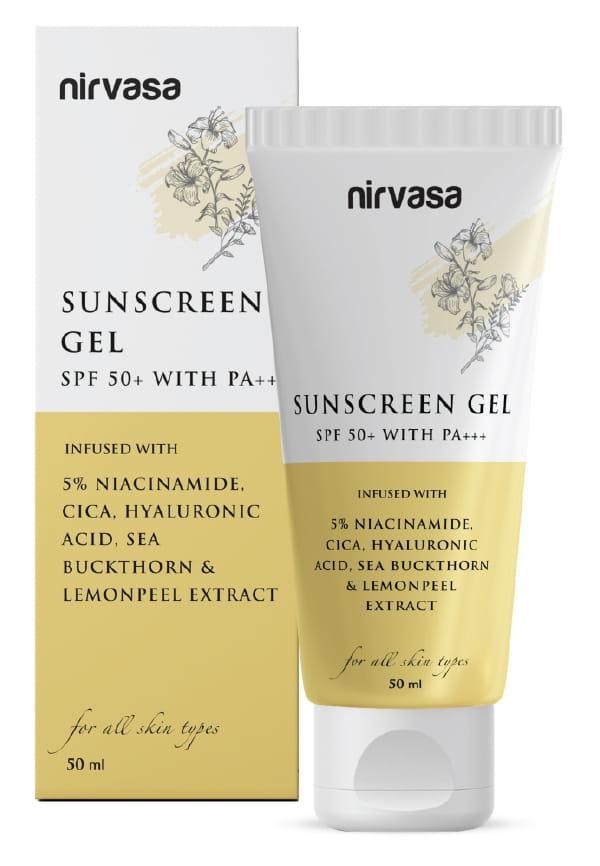
SPF50+ Sunscreen Gel with 5% Niacinamide for 98% UVA/UVB Protection
Gel Moisturizer for Oily Skin
 5
5“gel moisturizer good for oily skin”
Finding the perfect sunscreen for combination acne prone skin feels like solving a puzzle with missing pieces. Your T-zone gets oily by noon, your cheeks feel tight, and most sunscreens either trigger breakouts or leave you looking like a ghost. The struggle is real when you need protection that won't clog pores, cause shine, or irritate sensitive areas. With acne-prone skin, every product choice matters—and sunscreen is non-negotiable for preventing post-inflammatory hyperpigmentation and protecting healing skin. Whether you're dealing with hormonal breakouts, summer congestion, or just trying to find something that plays nicely with your skincare routine, the right non-comedogenic sunscreen can be a game-changer. Smytten's curated collection of trial-sized sunscreens lets you test different formulas before committing to full sizes, making it easier to find your perfect match without the guesswork.
Combination acne-prone skin needs lightweight, non-comedogenic sunscreens that won't clog pores or trigger breakouts
Look for gel-based or fluid formulas with zinc oxide, niacinamide, or salicylic acid for added skin benefits
Mattifying sunscreens work best for oily T-zones, while hydrating formulas suit drier cheek areas
Apply sunscreen as the final step in your morning routine and reapply every 2 hours for optimal protection
Trial sizes help you test different formulas before investing in full-size products
Combination skin presents a unique challenge—your T-zone behaves like an oil slick whilst your cheeks cry out for moisture. Add acne into the mix, and suddenly every sunscreen feels like a compromise. Traditional sunscreens often contain comedogenic ingredients that clog pores, leading to more breakouts in already congested areas.
The dual skin dilemma means you're constantly battling two different skin behaviours on one face. Your forehead and nose might need oil control, whilst your cheeks require gentle hydration. Most sunscreens are formulated for one skin type, leaving combination skin users feeling frustrated and breaking out.
Many people with acne-prone skin skip sunscreen entirely, fearing it'll cause more breakouts. Others layer on thick, greasy formulas that suffocate pores and create the perfect environment for bacteria to thrive. Using the wrong texture—like heavy creams on oily areas or drying gels on sensitive zones—can disrupt your skin's balance.
Regular sunscreens often contain pore-clogging ingredients like coconut oil, isopropyl myristate, or heavy silicones. These ingredients might feel lovely initially but can lead to congestion over time. Non-comedogenic formulas are specifically tested to ensure they won't block pores, making them essential for acne-prone skin.
The best sunscreen for combination acne prone skin goes beyond just UV protection—it actively supports your skin's health. Look for formulas that combine broad-spectrum protection with skin-loving actives that address your specific concerns.
Zinc oxide and titanium dioxide are your mineral sunscreen heroes. These physical blockers sit on skin's surface, reflecting UV rays without penetrating pores. They're naturally anti-inflammatory and less likely to cause irritation than chemical filters.
Niacinamide is a multitasking marvel that regulates oil production whilst reducing inflammation. It helps minimise pore appearance and can fade post-acne marks over time. Perfect for combination skin that needs both oil control and healing support.
Hyaluronic acid provides lightweight hydration without heaviness. It draws moisture from the environment, keeping skin plump and comfortable without triggering breakouts in oily zones.
Centella asiatica (Cica) calms inflammation and supports skin barrier repair. It's particularly beneficial for sensitive acne-prone skin that's easily irritated by active ingredients or environmental stressors.
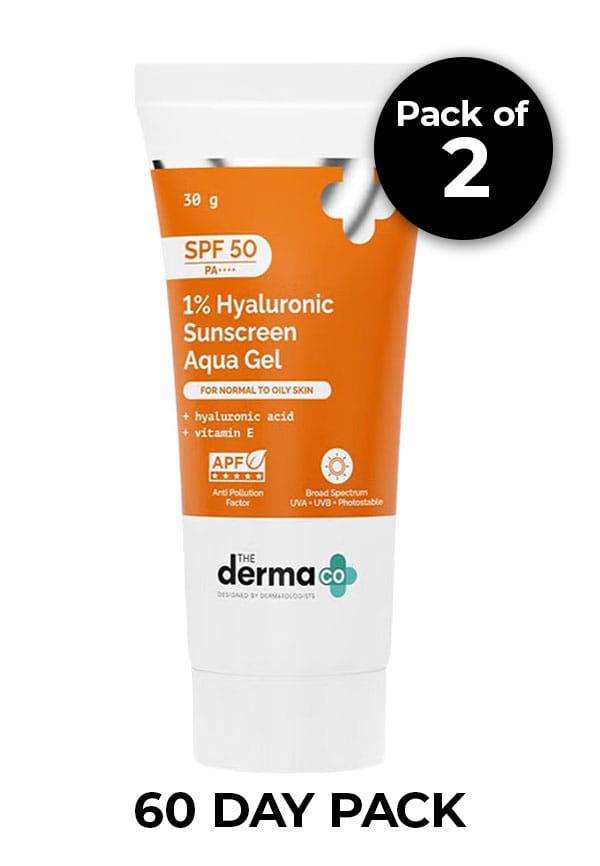
1% Hyaluronic Sunscreen SPF 50 Aqua Gel Pack Of 2
Very Good Product
5“its very good product i wlill recommend this”
Very Good Product
5“its very good product i wlill recommend this”
Great Offer, Go For It!
5“very good offer it is u should definitely go for it”
Gel-based formulas absorb quickly and feel weightless on skin. They're ideal for oily T-zones and humid weather. Lightweight fluids offer more hydration than gels whilst still maintaining a comfortable feel. Oil-free formulations prevent additional shine, whilst water-based options provide hydration without greasiness.
After testing countless formulas, these nine sunscreens stand out for their ability to protect without compromising acne-prone skin. Each offers unique benefits for different combination skin needs.
1. The Derma Co 1% Hyaluronic Sunscreen Aqua Gel SPF 50 PA++++
This aqua gel delivers high protection in an ultra-light texture that layers beautifully under makeup. The hyaluronic acid provides hydration without heaviness, making it perfect for dehydrated acne-prone skin. Users love how it absorbs instantly without leaving any residue. Available for ₹399, it's a dermatologist-designed formula that won't clog pores.
2. Deconstruct Gel Sunscreen SPF 55+ PA+++
Specifically formulated for humid conditions, this gel sunscreen feels comfortable and non-sticky even in sweltering heat. The lightweight texture makes it ideal for daily wear, especially during summer months. At ₹449, it offers excellent value for those who prioritise texture over additional skincare benefits.
3. Dot & Key Watermelon Cooling Sunscreen SPF 50+ PA++++
The cooling gel technology makes reapplication refreshing rather than uncomfortable. This formula won't melt off in heat and provides a burst of hydration that combination skin craves. Priced at ₹499, it's perfect for those long outdoor days when you need reliable protection that feels good on skin.
4. The Derma Co Ultra Matte Sunscreen Gel SPF 60
True to its name, this formula delivers a genuinely matte finish that lasts for hours, even in humid conditions. The high SPF provides excellent protection for extended outdoor exposure. At ₹449, it's ideal for oily skin that needs serious shine control without compromising on protection.
5. Foxtale SPF 70 Matte Finish Sunscreen
This performance-driven formula stays shine-free even during intense heat. The matte finish doesn't feel drying, making it suitable for combination skin that needs oil control in the T-zone. Priced at ₹549, it's perfect for those who spend long hours outdoors and need reliable matte protection.
6. Minimalist Light Fluid SPF 50 Face Sunscreen
The advanced fluid texture provides high protection with an almost invisible finish. No white cast, no greasiness—just reliable protection that works beautifully under makeup. At ₹599, it's a premium option that delivers on its promises of weightless wear.
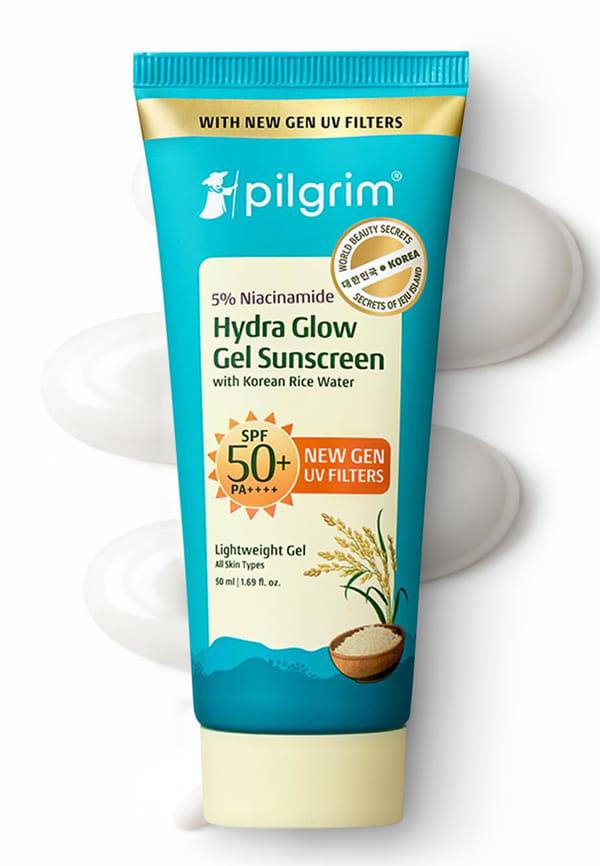
5% Niacinamide Oil-Free Super Light Gel Sunscreen SPF 50+ PA++++
Great Fragrance, No White Cast, Good Protection
5“awesome with very nice fragrance and no white cast and awesome for protection”
Sunscreen Review: No White Cast, Slight Fragrance
5“Nice sunscreen, no white cast but slight fragrance”
Lightweight & Brightening Sunscreen
4“light weight sunscreen and brighten skin”
7. Dot & Key Cica + Niacinamide Sunscreen SPF 50+ PA++++
Formulated specifically for sensitive and acne-prone skin, this cream-gel hybrid calms irritation whilst providing broad-spectrum protection. The combination of cica and niacinamide helps reduce redness and control oil production. At ₹499, it's excellent for reactive skin that needs gentle yet effective protection.
8. Aqualogica Glow+ Dewy Sunscreen SPF 50 PA++++
This dewy formula gives skin a healthy glow without greasiness. Perfect for normal to dry areas of combination skin that need hydration alongside protection. The lightweight texture makes it suitable for daily wear, and at ₹349, it offers excellent value for those wanting a radiant finish.
9. Pilgrim Hyaluronic Acid Sunscreen SPF 50
Prioritising hydration without heaviness, this formula keeps skin comfortable throughout the day. The lightweight lotion texture works well for sensitive areas that need gentle protection. Priced at ₹399, it's ideal for those who want reliable protection with added skincare benefits.
Proper application technique can make the difference between a sunscreen that works beautifully and one that causes problems. With combination acne-prone skin, you need to consider different zones and their unique needs.
For your oily T-zone, use a lighter hand and focus on even distribution. Pat rather than rub to avoid stimulating oil production. On drier cheek areas, you can be more generous with application, ensuring complete coverage without gaps.
When layering with acne treatments, always apply sunscreen last in your morning routine. Wait 5-10 minutes between applying treatments and sunscreen to prevent pilling or reduced efficacy.
Over-application can lead to clogged pores and a greasy appearance. Use about a quarter teaspoon for your entire face—it sounds like a lot, but proper coverage requires adequate product. Mixing sunscreen with moisturiser or foundation can reduce its effectiveness, so always apply it as a separate step.
For reapplication, use blotting papers first to remove excess oil, then apply a thin layer of your chosen sunscreen. Powder sunscreens can be helpful for touch-ups throughout the day.
Building an effective routine around your sunscreen choice ensures maximum benefits without compromising your acne treatment. The key is timing and product compatibility.
Start with a gentle cleanser—salicylic acid cleansers work well for combination acne-prone skin. Follow with any treatment serums (niacinamide, vitamin C, or acne treatments), then moisturiser if needed, and finally sunscreen. This layering ensures each product can work effectively without interference.

5% Niacinamide & VIT C water-light Sunscreen gel SPF 50 Pa++++For Oily Skin,2X Glow
Loved the Product
4“loved the product , it's amazing”
Mom loves it, replaces makeup
4“I got this one for my mom, and she likes this one as she doesn't do makeup after applying this..just this one cream is enough”
Mom loves it, replaces makeup
4“I got this one for my mom, and she likes this one as she doesn't do makeup after applying this..just this one cream is enough”
Allow each step to absorb before applying the next. Rushing can lead to pilling or reduced effectiveness of your carefully chosen products.
Proper sunscreen removal is crucial for preventing clogged pores. Use an oil cleanser or micellar water first to break down sunscreen, followed by your regular cleanser. This double-cleansing method ensures complete removal without over-stripping your skin.
Your evening routine can include stronger acne treatments like retinoids or AHAs, but always follow with a gentle moisturiser to maintain skin barrier health.
Look for non-comedogenic, oil-free formulas with zinc oxide or titanium dioxide. Gel-based textures work well for oily areas, whilst lightweight fluids suit drier zones. The Derma Co 1% Hyaluronic Sunscreen Aqua Gel and Dot & Key Cica + Niacinamide Sunscreen are excellent options that you can trial on Smytten before purchasing full sizes.
Yes, but choose lightweight, oil-free chemical formulas with modern filters like avobenzone or octinoxate. Avoid heavy, greasy textures that can clog pores. Always patch test new chemical sunscreens as they can sometimes cause sensitivity in reactive skin.
Every 2 hours, or immediately after swimming or sweating. Use blotting papers first to remove excess oil, then apply a thin layer. For easier reapplication, consider keeping a gel or powder sunscreen handy for touch-ups throughout the day.
You can, but it's not necessary if you find a good lightweight formula that works for your entire face. However, if your T-zone is extremely oily and your cheeks are very dry, using a mattifying gel on oily areas and a hydrating formula on dry areas can be beneficial.
No, sunscreen is essential when using acne treatments as they can increase sun sensitivity. Apply treatments first, wait for absorption, then apply sunscreen. This protects your skin and prevents post-inflammatory hyperpigmentation from UV exposure.
Finding the right sunscreen for combination acne prone skin requires understanding your skin's unique needs and choosing formulas that address both protection and skin health. Non-comedogenic, lightweight textures work best, whether you prefer gel-based formulas for oil control or fluid textures for balanced hydration.
The nine sunscreens highlighted here offer different benefits—from mattifying properties for oily T-zones to gentle, hydrating formulas for sensitive areas. Remember that proper application technique and routine integration are just as important as choosing the right product.
Don't let fear of breakouts prevent you from using sunscreen daily. The right formula will protect your skin whilst supporting your acne treatment goals, preventing the hyperpigmentation that often follows breakouts.
Discovering your perfect sunscreen match doesn't have to involve expensive trial and error. Smytten is India's largest product discovery and trial platform, connecting consumers with top lifestyle, beauty, wellness, and grooming brands through curated trial packs. With mini-sized products from over 2,400 trusted brands including The Derma Co, Dot & Key, and Minimalist, you can explore different sunscreen formulas before committing to full-size purchases. Each mini is linked with Trial Points, and you can get up to 10 Trial Points for just ₹279, plus Smytten offers 100% cashback on trial purchases, redeemable for future orders. This try before you buy approach makes finding your ideal non-comedogenic sunscreen both affordable and risk-free. With over 28 million users and 100% authentic, directly sourced products available across 90% pincode coverage, Smytten ensures you never have to settle for 'maybe' when you can #TryItAll.
