9 Lightweight Skincare Routines for Hot, Humid Climates



SPF 40 Natural Sunscreen with Zinc Oxide, Green Tea & Aloe Vera | Broad Spectrum | No White cast
When the mercury rises and humidity levels soar, your beloved winter skincare routine suddenly feels like wearing a wool jumper in a sauna. If you've ever stepped outside on a muggy morning only to feel your carefully applied moisturiser sliding down your face by noon, you're not alone. Hot, humid climates present unique challenges that require a complete rethink of your skincare approach—from the products you choose to the timing of your routine.
The good news? You don't need to suffer through sweaty, congested skin or abandon skincare altogether during the warmer months. With the right lightweight routines and climate-appropriate products, you can maintain healthy, comfortable skin even when the weather feels like a tropical greenhouse. Whether you're dealing with sudden breakouts, that perpetually greasy T-zone, or skin that feels simultaneously oily and dehydrated, these nine carefully curated routines will help you navigate the sticky season with confidence. Plus, with platforms like Smytten offering trial-sized versions of top skincare brands, you can test what works for your skin without committing to full-size products that might not suit the climate.
TL;DR
Hot, humid weather requires lighter, oil-free formulations and modified application techniques to prevent clogged pores and excess shine
Five essential routines cover morning prep, evening reset, midday refresh, pre-activity protection, and post-sun recovery for comprehensive climate-appropriate care
Four bonus routines address specific concerns: travel-friendly options, acne-prone skin, sensitive skin, and anti-aging in humidity
Key ingredients like niacinamide, hyaluronic acid, and zinc oxide work best in hot climates, whilst heavy oils and thick creams should be avoided
Timing, product storage, and avoiding over-cleansing are crucial for maintaining healthy skin in extreme heat
Understanding why your go-to skincare routine suddenly stops working in tropical weather is the first step towards finding solutions that actually stick. When humidity levels rise above 60%, your skin's natural moisture barrier behaves differently, often leading to that frustrating combination of oily surface and underlying dehydration.
The science is straightforward: humid air prevents your skin's natural moisture from evaporating efficiently, creating a breeding ground for bacteria and clogged pores. Meanwhile, your sebaceous glands go into overdrive, producing excess oil to compensate for what they perceive as moisture loss. This creates the perfect storm for breakouts, congestion, and that perpetually sticky feeling that no amount of blotting seems to fix.
Common mistakes that worsen oily skin in heat include over-cleansing (which strips your skin and triggers even more oil production), using heavy moisturisers that can't absorb properly in humid conditions, and applying the same thick sunscreen that worked brilliantly in winter but now feels like wearing cling film. The key is recognising that skincare for humid climates requires a completely different approach—one that prioritises lightweight formulations, strategic timing, and ingredients that work with, rather than against, the climate.
These five core routines form the foundation of effective tropical weather skincare. Each addresses specific challenges you'll face throughout the day, from morning preparation to evening recovery.
Start your day with this pared-down routine that protects without overwhelming your skin. Begin with a gentle, oil-free cleanser—look for gel or foam formulations containing salicylic acid or niacinamide. These ingredients help control oil production whilst maintaining your skin's natural barrier.
Follow with a lightweight, water-based moisturiser applied to slightly damp skin. This technique helps lock in hydration without adding unnecessary weight. Finish with a broad-spectrum SPF 30+ sunscreen in a fluid or gel formula. The entire routine should take less than five minutes and feel virtually weightless on your skin.
After a day of battling humidity and heat, your evening routine needs to cleanse thoroughly without stripping your skin. Start with a gentle micellar water to remove sunscreen and surface impurities, followed by your regular cleanser to ensure everything is properly removed.
This double-cleansing approach prevents the buildup that leads to breakouts in humid weather. Apply a lightweight serum containing hyaluronic acid or niacinamide, then seal with a gel-based moisturiser. Skip heavy night creams during peak humidity—your skin needs to breathe and recover overnight.
When your skin feels overwhelmed by midday heat, resist the urge to over-cleanse. Instead, use oil-blotting papers to remove excess shine without disturbing your sunscreen. Follow with a hydrating mist containing ingredients like cucumber or aloe vera for instant cooling relief.
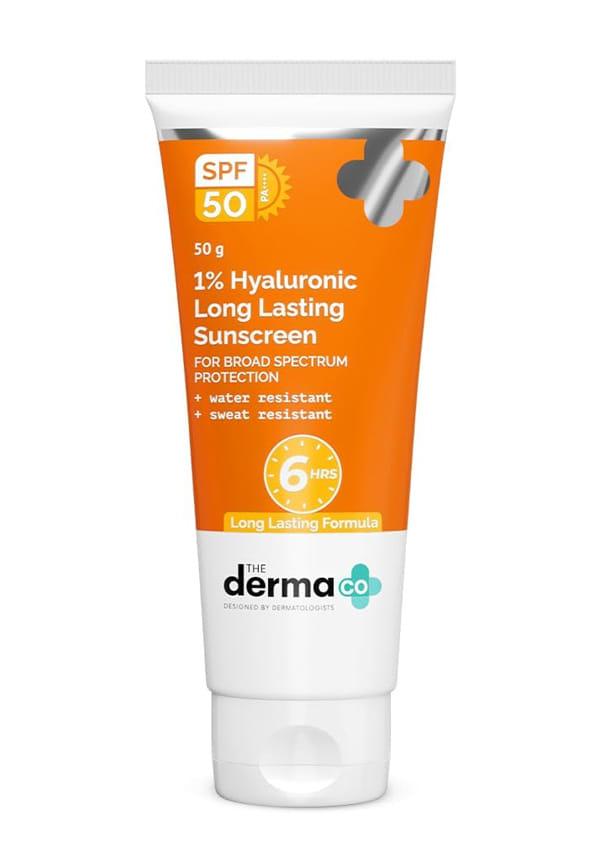
1% Hyaluronic Long Lasting Sunscreen with Hyaluronic Acid & Vitamin E
Highly Recommended
 5
5“it is very good i recommend to use it”
Smooth, Nice Texture & Lightweight
5“Very smooth and nice. The texture is soo good... Very lightweighted and nice ... ”
Best Sunscreen for Summer
4“best sunscreen for summer deey finish”
If you're wearing makeup, a setting spray with SPF can refresh your protection without requiring a complete reapplication. This routine takes less than two minutes but makes a significant difference in how your skin feels and looks throughout the day.
Before heading outdoors or exercising, prepare your skin with sweat-resistant protection. Apply a mattifying primer or gel-based moisturiser to create a smooth base, followed by a water-resistant sunscreen. Pay special attention to areas prone to sweating, like your hairline and around your nose.
Consider using a powder sunscreen for easy reapplication during extended outdoor activities. This routine creates a protective barrier that won't slide off at the first sign of perspiration.
After sun exposure, your skin needs immediate cooling and hydration. Start with a gentle, cool water rinse to remove salt, chlorine, or accumulated sweat. Apply a soothing gel containing aloe vera or cucumber extract whilst your skin is still damp.
Follow with a lightweight moisturiser containing ceramides or hyaluronic acid to restore your skin's barrier function. Avoid any active ingredients like retinol or acids for at least 24 hours after significant sun exposure, as these can increase sensitivity.
Beyond the essential routines, these specialised approaches address specific skin concerns that become more pronounced in hot, humid weather. Each routine can be adapted based on your individual needs and combined with the core routines above.
When travelling to humid destinations, pack multi-purpose products that won't weigh down your luggage or your skin. A gentle cleansing oil that emulsifies with water can remove makeup and sunscreen in one step. Follow with a lightweight moisturiser that doubles as a primer and a tinted sunscreen that provides coverage and protection.
Stick to travel-sized versions initially—your skin may need time to adjust to the new climate, and what works at home might not translate to your destination's specific humidity levels.
If you're dealing with increased breakouts in humid weather, focus on gentle exfoliation and oil control without over-drying. Use a salicylic acid cleanser every other day, alternating with a gentle, non-foaming cleanser. Apply a niacinamide serum to control oil production and reduce inflammation.
Choose a gel moisturiser with hyaluronic acid to maintain hydration without clogging pores. Spot-treat active breakouts with benzoyl peroxide, but use it sparingly in hot weather as it can increase sun sensitivity.
Sensitive skin often becomes more reactive in hot, humid conditions. Simplify your routine to gentle, fragrance-free products with minimal ingredients. Use a cream cleanser that doesn't foam, followed by a hydrating toner with chamomile or centella asiatica.
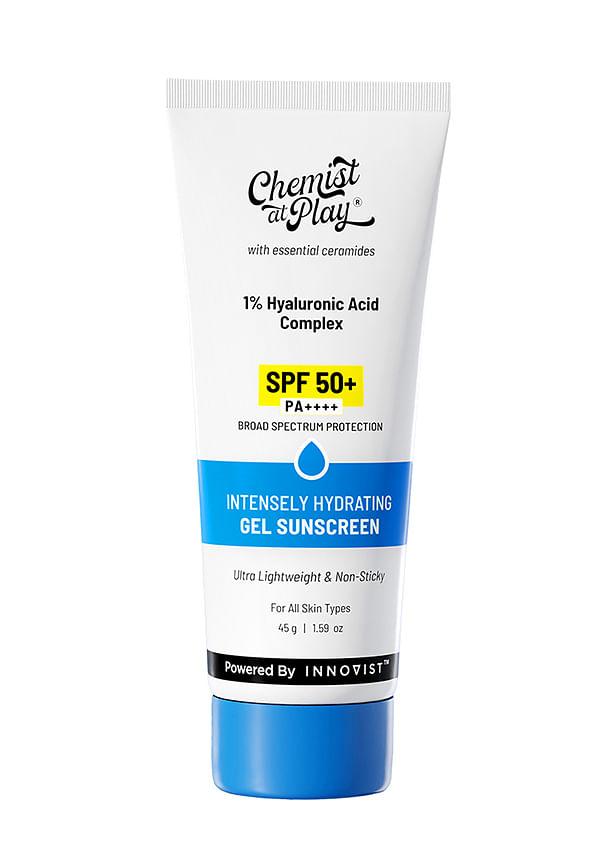
1% Hyaluronic Acid Gel Sunscreen | Intensely Hydrates | SPF 50+
Good product, consistency issues for face
4“good and nice but I use it only on my body due to consistency issues”
Perfect, non-sticky & lightweight
4“it non sticky and it is light weight that every needs, perfect”
Lightweight and Gentle
5“I liked the product 8 on 10 it is very light weight and very gentle”
Apply a lightweight, mineral-based moisturiser and always finish with a physical sunscreen containing zinc oxide or titanium dioxide. These ingredients are less likely to cause irritation than chemical sunscreen filters.
Maintaining an anti-aging routine in humid weather requires strategic ingredient choices and timing. Use vitamin C serum in the morning for antioxidant protection, but choose a stable, lightweight formula that won't oxidise in heat and humidity.
Reserve retinol for evening use and reduce frequency during peak summer months. Focus on hydrating ingredients like peptides and ceramides that support skin structure without heaviness. Always follow with appropriate sun protection, as anti-aging ingredients can increase photosensitivity.
Understanding which ingredients work best in hot, humid climates helps you make informed choices about your skincare routine. Some ingredients that are brilliant in cooler weather can become problematic when temperatures and humidity levels rise.
Hyaluronic acid is a superstar ingredient for humid climates because it draws moisture from the environment into your skin. However, in very humid conditions, opt for lower molecular weight versions that absorb more readily. Niacinamide is another excellent choice, helping to regulate oil production whilst reducing inflammation and minimising the appearance of pores.
For sun protection, zinc oxide and titanium dioxide provide broad-spectrum coverage without the potential irritation of chemical filters in hot weather. These mineral sunscreens also tend to feel less greasy and are less likely to sting if they get into your eyes during sweaty activities.
Cooling ingredients like aloe vera, cucumber extract, and menthol provide immediate relief from heat-stressed skin. However, avoid alcohol-based products that might feel refreshing initially but can lead to increased oil production and irritation over time.
Timing becomes crucial when dealing with tropical weather skincare. Apply your morning routine at least 15 minutes before heading outside to allow products to absorb properly. In extremely humid conditions, consider splitting your routine—cleanser and sunscreen in the morning, with moisturiser applied after you've reached your air-conditioned destination.
Product storage matters more than you might think. Keep your skincare products in a cool, dry place away from direct sunlight. Some products, particularly vitamin C serums and retinoids, may need refrigeration in very hot climates to maintain their stability and effectiveness.
Adapt your routine based on your environment throughout the day. If you're moving between air-conditioned spaces and outdoor heat, your skin's needs will change accordingly. Keep blotting papers and a hydrating mist handy for quick adjustments without disrupting your entire routine.
One of the biggest mistakes people make when dealing with oily skin in heat is over-cleansing. Washing your face more than twice daily strips your natural oils, causing your skin to produce even more oil to compensate. This creates a vicious cycle that leaves your skin feeling greasier than before.
Another common error is choosing the wrong moisturiser for humid conditions. Heavy creams that work beautifully in winter can clog pores and feel suffocating in tropical weather. Similarly, skipping moisturiser altogether because your skin feels oily leads to dehydration and increased oil production.
Sunscreen application errors become more problematic in hot weather. Applying too little product, not reapplying frequently enough, or choosing formulations that pill or slide off in heat and humidity can leave your skin vulnerable to damage. Remember that you need about a quarter teaspoon of sunscreen for your face alone, and reapplication every two hours is non-negotiable in hot climates.
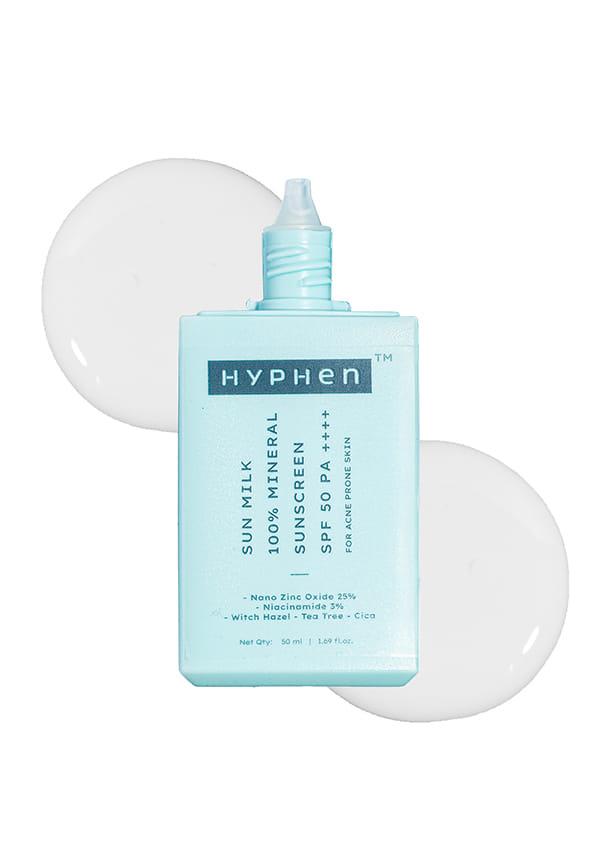
Sun Milk 100% Mineral Sunscreen SPF 50 PA++++ 25% Nano Zinc Oxide
Super and Nice Product
5“super and nice product I liked it”
Super and Nice Product
5“super and nice product I liked it”
Super and Nice Product
5“super and nice product I liked it”
Stick to cleansing twice daily—morning and evening—even in hot, humid weather. Over-cleansing strips your skin's natural barrier and triggers increased oil production. If you feel the need to refresh during the day, use micellar water or a gentle cleansing wipe instead of a full cleanse.
Never skip moisturiser, even if your skin feels oily. Humidity can create surface oiliness whilst your skin remains dehydrated underneath. Choose a lightweight, gel-based moisturiser or hydrating serum instead of skipping this crucial step entirely.
Oil-free products contain no added oils but may still have emollient ingredients that provide moisture. Water-based products use water as their primary ingredient and tend to feel lighter and absorb more quickly. Both can work well in humid climates, but water-based formulations often feel more comfortable in extreme heat.
You don't need to overhaul everything, but consider lighter alternatives to your heaviest products. Trial-sized versions from platforms like Smytten let you test climate-appropriate products before committing to full sizes, making it easier to adapt your routine for travel.
Yes, increased breakouts in hot, humid weather are completely normal. Higher temperatures and humidity levels create ideal conditions for bacteria growth and clogged pores. Adjust your routine with gentle exfoliation and oil-controlling ingredients to manage summer breakouts effectively.
Successful skincare in hot, humid climates requires a fundamental shift from heavy, occlusive products to lightweight, breathable formulations. The key is finding the right balance between adequate hydration and avoiding product overload that can clog pores and feel uncomfortable in the heat.
Remember that your skin's needs will vary throughout the day and season. What works during a brief summer holiday might need adjustment if you're living in a consistently humid climate. Pay attention to how your skin responds and be willing to modify your routine accordingly.
Most importantly, don't abandon skincare altogether because the weather feels challenging. With the right products and techniques, you can maintain healthy, comfortable skin regardless of the climate. Focus on gentle cleansing, lightweight hydration, and consistent sun protection as your non-negotiables.
Navigating skincare in hot, humid climates doesn't have to mean compromising on healthy skin or comfort. With these nine lightweight routines and professional tips, you're equipped to handle whatever the weather throws at you. The key is understanding that effective tropical weather skincare is about working with your environment, not against it.
Smytten makes it easier than ever to discover climate-appropriate skincare without the commitment of full-size purchases. With trial packs from over 2,400 trusted brands including Cetaphil, Dot & Key, and WishCare, you can experiment with lightweight formulations and find what truly works for your skin in humid conditions. The platform's 100% cashback on trial minis means you can explore endless options affordably, ensuring you never have to settle for products that don't suit your climate. After all, why settle for 'maybe' when you can #TryItAll and find your perfect humid weather routine?
