9 Gentle Ways to Start Vitamin C Serum Without Irritation


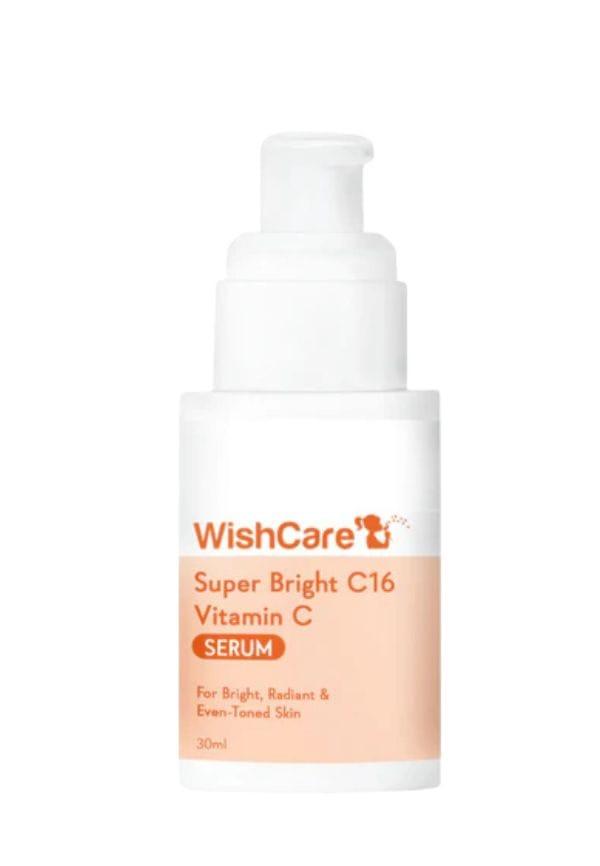
Super Bright C16 Vitamin C Face Serum
Good, Awaiting Results
 5
5“I have to see the results but good”
Good, Awaiting Results
5“I have to see the results but good”
Good, Awaiting Results
5“I have to see the results but good”
Starting your vitamin C serum journey can feel like navigating a minefield—one day you're glowing, the next you're dealing with redness and stinging. If you've been eyeing that bottle of vitamin C serum but worry about irritation, you're not alone. Many beginners experience sensitivity when introducing this powerhouse ingredient, but here's the thing: with the right approach, you can absolutely enjoy all the brightening, anti-ageing benefits without the drama. The key lies in understanding how to introduce vitamin C serum gently and systematically. Whether you have sensitive skin or you're simply cautious about new products, these nine gentle methods will help you build tolerance gradually whilst protecting your skin barrier. And if you're unsure which vitamin C serum suits your skin type, platforms like Smytten offer trial-sized versions from trusted brands, letting you test products before committing to full sizes—because why settle for guesswork when you can try it all?
Start with gentle vitamin C derivatives like Magnesium Ascorbyl Phosphate rather than pure L-Ascorbic Acid
Begin with 5-10% concentration and use every other day initially
Buffer with moisturiser using the sandwich method to reduce direct contact irritation
Avoid mixing with retinol, AHAs, or BHAs during the introduction phase
Always patch test and monitor your skin's response throughout the process
Before diving into gentle introduction methods, it's crucial to understand why vitamin C serum can cause irritation and why persisting (carefully) is worth the effort. Vitamin C is naturally acidic, and when formulated as L-Ascorbic Acid—the most potent form—it can significantly lower your skin's pH, leading to that familiar stinging sensation.
The vitamin C serum benefits are genuinely impressive, which explains why dermatologists consistently recommend it. As a potent antioxidant, vitamin C neutralises free radicals from pollution and UV exposure, preventing premature ageing. It stimulates collagen synthesis, helping maintain skin elasticity and reducing fine lines over time. Perhaps most notably for many users, vitamin C inhibits melanin production, gradually fading dark spots and creating that coveted even-toned, bright complexion. These long-term skin health improvements make the initial adjustment period worthwhile for most people.
Understanding potential vitamin C serum side effects helps you distinguish between normal adjustment and genuine irritation. Initial redness, mild stinging, or slight dryness is common as your skin adapts to the acidic pH. However, persistent burning, severe redness, or peeling indicates your approach needs adjustment. It's also important to understand purging versus irritation—vitamin C doesn't typically cause purging like retinoids do, so new breakouts usually signal sensitivity rather than skin renewal. Sensitive skin types often react more intensely due to compromised barrier function, making gentle introduction methods even more critical.
Now let's explore nine proven methods to introduce vitamin C serum without overwhelming your skin. These techniques focus on gradual tolerance building whilst maintaining the ingredient's effectiveness.
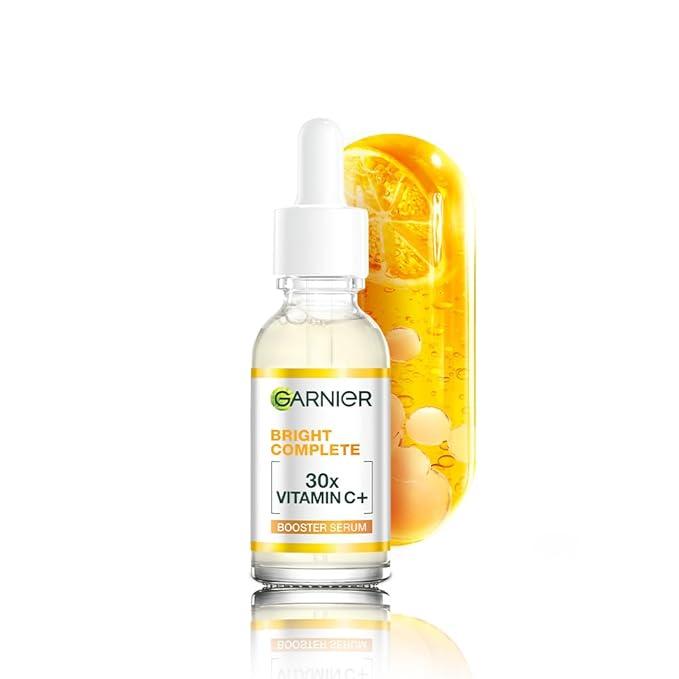
Your choice of vitamin C serum formula significantly impacts your introduction experience. L-Ascorbic Acid, whilst most potent, is also most irritating due to its low pH requirements. For beginners, especially those with sensitive skin, stable derivatives like Magnesium Ascorbyl Phosphate or Sodium Ascorbyl Phosphate offer gentler alternatives. These forms work at skin's natural pH, reducing irritation risk whilst still delivering antioxidant benefits. When selecting the best vitamin C serum for first time users, look for concentrations between 5-10% rather than jumping straight to 15-20% formulations. The Garnier Vitamin C Face Serum for Skin Brightening & Anti-Dark Spots offers an excellent starting point with its gentle 3.5% Vitamin C concentration, making it ideal for those new to vitamin C skincare routines.
Proper vitamin C serum application technique can make the difference between success and irritation. Always start with thoroughly cleansed skin—residual makeup or sunscreen can interfere with absorption and increase sensitivity. Use 2-3 drops for your entire face; more isn't better and can overwhelm sensitive skin. Gently pat the serum into skin rather than rubbing vigorously, allowing natural absorption rather than forcing penetration.
Frequency progression is crucial when starting vitamin C serum. Begin with twice weekly applications, monitoring your skin's response carefully. If no irritation occurs after two weeks, progress to every other day. Only advance to daily use once your skin shows complete comfort with alternate-day application. This gradual approach allows your skin's natural adaptation mechanisms to strengthen without overwhelming the barrier function.
The sandwich method involves applying a thin layer of moisturiser before your vitamin C serum, then following with another moisturiser layer. This technique reduces direct contact between the acidic serum and your skin whilst maintaining efficacy. The moisturiser acts as a buffer, slowing absorption and minimising the pH shock that often causes stinging. This method is particularly effective for vitamin C serum for sensitive skin types.
Start with brief vitamin C exposure by applying the serum for just 10-15 minutes before rinsing off with lukewarm water. Gradually increase contact time by 5-10 minutes weekly until you can leave it on overnight or throughout the day. This approach allows your skin to build tolerance progressively whilst still receiving antioxidant benefits during the contact period.
Avoiding vitamin C irritation often comes down to smart ingredient layering. Never use vitamin C serum simultaneously with retinol, AHAs, or BHAs during your introduction phase. These combinations can cause severe irritation and compromise your skin barrier. Instead, alternate these ingredients on different days or use vitamin C in the morning and other actives in the evening. Niacinamide, hyaluronic acid, and ceramides are safe, supportive companions for vitamin C.
Morning application is traditionally recommended for vitamin C's antioxidant protection, but sensitive skin might tolerate evening use better initially. Morning use requires diligent SPF application, as vitamin C can increase photosensitivity temporarily. Consider your climate too—humid conditions can enhance absorption and potentially increase irritation, whilst dry climates might require additional moisturising support.
Proper patch testing involves applying a small amount of serum to your inner forearm or behind your ear for 24-48 hours. Look for redness, swelling, or persistent stinging. Even if patch testing goes well, monitor your facial skin carefully during introduction. Mild tingling that subsides within minutes is normal; persistent burning or increasing redness signals the need to slow down or adjust your approach.
Your supporting skincare routine with vitamin C should focus on barrier repair and gentle maintenance. Use mild, non-stripping cleansers and rich, ceramide-containing moisturisers. Incorporate barrier-supporting ingredients like niacinamide and hyaluronic acid. Temporarily simplify your routine, avoiding unnecessary actives that might compound sensitivity during the introduction period.
Understanding proper application sequence ensures maximum benefits whilst minimising irritation risk. The order of products significantly impacts both efficacy and tolerance.
For morning use, follow this sequence: gentle cleanser, vitamin C serum (wait 10-15 minutes), moisturiser, broad-spectrum SPF 30+. The waiting period allows the serum to absorb properly and pH to stabilise before applying subsequent products. If wearing makeup, ensure your moisturiser and sunscreen are fully absorbed before application—this typically takes 10-15 minutes.
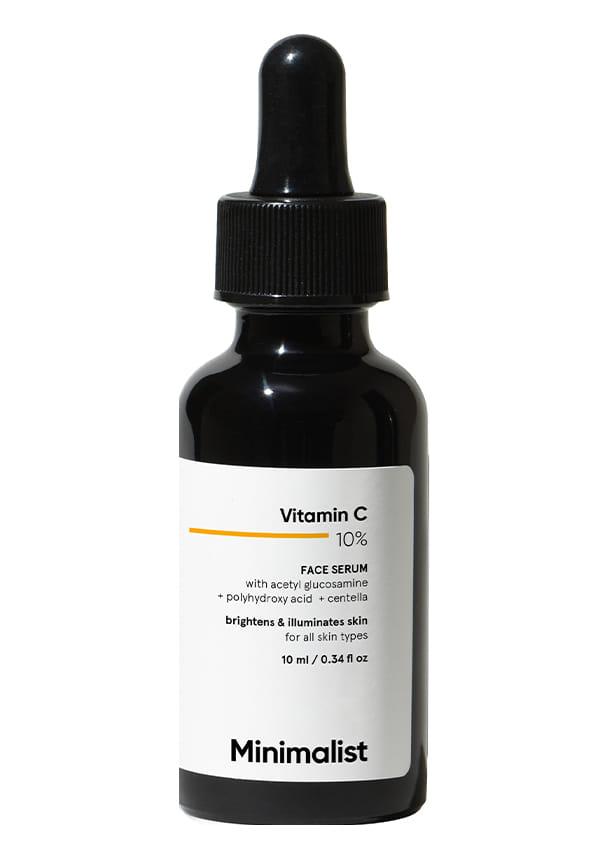
10% Vitamin C Face Serum For Skin Brightening & Reduce Sun Damage
Very Good Product
5“very good product nice product”
Very Good Product
5“its verey good product i love it”
Loved the Product
5“love the product very much......”
Evening application works well for sensitive skin types who find morning use too stimulating. The sequence remains similar: cleanser, vitamin C serum, moisturiser, with optional facial oil as the final step. Evening use allows longer contact time without sun exposure concerns, though you'll miss the daytime antioxidant protection benefits.
Even with careful introduction, issues can arise. Knowing how to address them quickly prevents long-term skin damage and helps maintain your vitamin C routine.
If irritation occurs, immediately discontinue use and focus on barrier repair with gentle, fragrance-free moisturisers and ceramide-rich products. Apply cool compresses to reduce inflammation and avoid all active ingredients until skin normalises. When ready to restart, reduce concentration, frequency, or try a different vitamin C derivative. Sometimes switching from L-Ascorbic Acid to Magnesium Ascorbyl Phosphate resolves sensitivity issues entirely.
Successful adaptation shows as reduced initial stinging, improved skin tolerance to the same concentration, and visible benefits like increased brightness or fading dark spots. Your skin should feel comfortable within 2-4 weeks of consistent use. Gradual tolerance building indicators include being able to increase frequency without irritation and noticing improved overall skin texture and radiance.
Once your skin adapts to vitamin C, you can optimise your routine for maximum benefits whilst maintaining the tolerance you've built.
After 6-8 weeks of successful use, you might consider increasing concentration for enhanced benefits. Move gradually—from 5% to 8%, then 10%, monitoring skin response at each level. Higher concentrations aren't always better; many people achieve excellent results with 10-15% formulations. The key is finding your skin's sweet spot where benefits are maximised without irritation.
Vitamin C serum stability affects both efficacy and irritation potential. Store products in cool, dark places and replace them if they turn brown or develop a metallic smell. Maintain consistent application timing and frequency once you've found your routine. Seasonal adjustments might be necessary—you may need more moisturising support in winter or reduced frequency during humid summer months.
Yes, but choose gentle derivatives like Magnesium Ascorbyl Phosphate over L-Ascorbic Acid, start with low concentrations (5-8%), and use the buffering methods described above. Many people with sensitive skin successfully use vitamin C with proper introduction techniques.
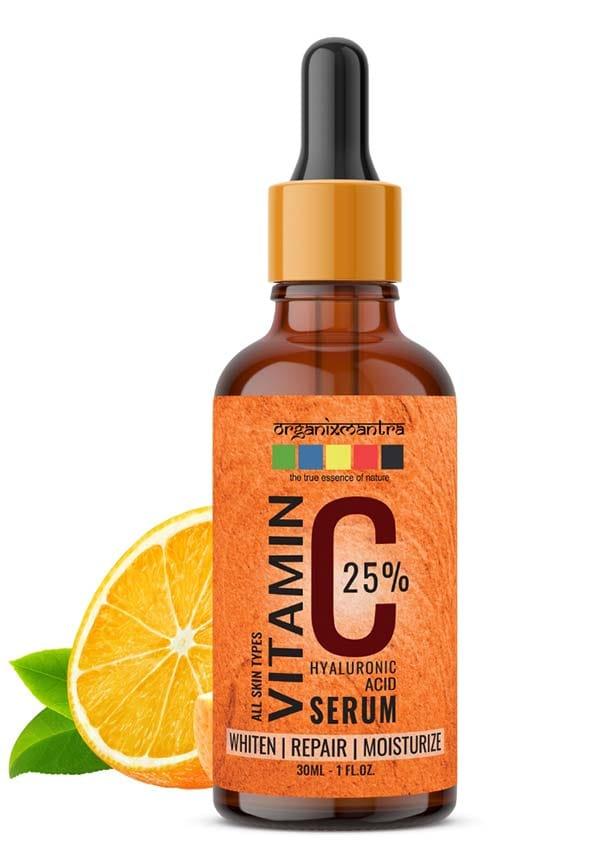
Vitamin C Serum 25% Vitamin B3, Skin Brightening, Hydrating
Initial brightening effects may appear within 2-4 weeks, whilst significant improvements in dark spots and fine lines typically take 8-12 weeks of consistent use. Antioxidant protection begins immediately, even if visible changes take time.
Morning use provides antioxidant protection throughout the day, but evening application works better for sensitive skin. Choose based on your skin's tolerance and lifestyle—consistency matters more than timing.
Not simultaneously during introduction. Use vitamin C in the morning and retinol at night, or alternate days. Once your skin adapts to both ingredients separately, some people can layer them, but this requires careful monitoring.
Begin with 5-10% concentration. Products like those available on Smytten allow you to trial different concentrations affordably before committing to full sizes, helping you find your ideal strength.
Vitamin C doesn't typically cause purging. New breakouts, persistent redness, or burning sensations usually indicate irritation rather than beneficial skin turnover. Adjust your routine accordingly.
Start with 2-3 times weekly, progressing to daily use only after your skin shows complete tolerance. Rushing to daily application often causes setbacks that require starting over.
Mild, brief stinging is normal initially. Persistent or severe stinging indicates irritation—reduce frequency, try buffering with moisturiser, or switch to a gentler derivative.
Successfully introducing vitamin C serum requires patience, proper product selection, and gradual progression. Start with gentle derivatives at low concentrations, use buffering techniques, and monitor your skin's response carefully. The sandwich method, every-other-day application, and avoiding incompatible ingredients significantly reduce irritation risk whilst maintaining vitamin C's powerful benefits. Remember that building tolerance takes time—rushing the process often leads to setbacks that require starting over. With these nine gentle methods, you can enjoy brighter, more even-toned skin without the drama of severe irritation.
Starting your vitamin C journey doesn't have to be intimidating when you have the right approach and access to quality products. Smytten's trial packs make it easier than ever to test different vitamin C formulations before committing to full sizes—you can explore gentle options from trusted brands and find your perfect match without the guesswork. With over 28 million users discovering their ideal skincare products through authentic brand-verified minis, Smytten's try before you buy approach ensures you never have to settle for products that don't suit your skin. After all, why settle for 'maybe' when you can #TryItAll and build a vitamin C routine that truly works for you?
