9 Dermatologist Recommended Sunscreens for Combination Skin


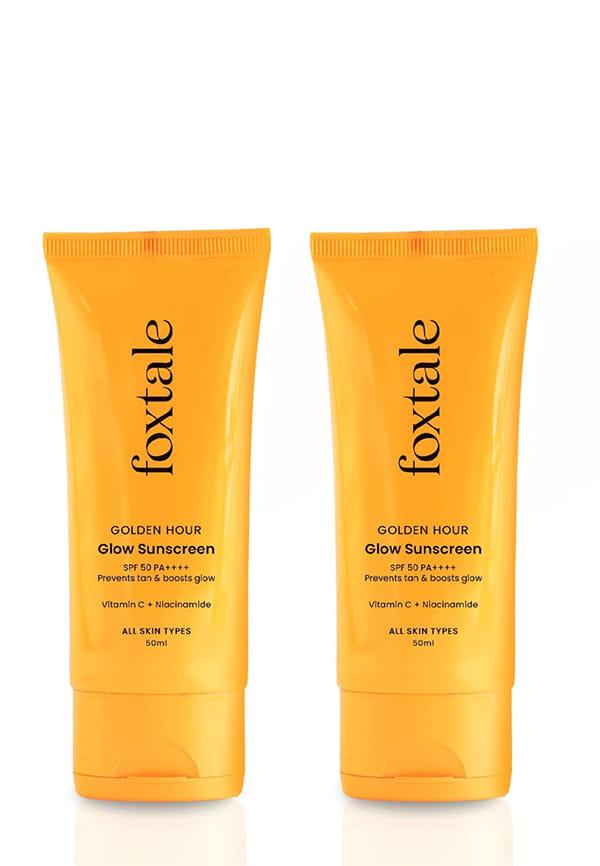
Glow Sunscreen SPF 50 PA++++ Lightweight with Vitamin C and Niacinamide- Pack of 2
Good for Oily Skin
 5
5“nice product and gel type so such for oily skin”
Loved Foxtale, amazing results!
5“Really loved using Foxtale! The product feels amazing on my skin and has given me great results. ✨ Definitely worth trying—highly recommend it! 💗”
Effective UV Filters
5“new age uv filters very good in use”
Finding the right sunscreen for combination skin feels like solving a puzzle—your T-zone craves oil control whilst your cheeks need hydration, and most formulas seem to favour one over the other. If you've ever applied sunscreen only to look like a grease slick by noon or felt your dry patches emphasised, you're not alone. Combination skin requires a delicate balance that many sunscreens simply can't deliver.
The good news? Dermatologists have identified specific formulations that work beautifully for this tricky skin type. These aren't just any sunscreens—they're carefully crafted formulas that provide broad-spectrum protection without compromising your skin's unique needs. Whether you're dealing with an oily T-zone that breaks out easily or dry cheeks that feel tight after application, there are dermatologist-approved options that address both concerns simultaneously. Platforms like Smytten make discovering these perfect-match sunscreens easier by offering trial sizes, so you can test how each formula works with your specific combination skin before committing to full-size purchases.
TL;DR
Combination skin needs sunscreens that balance oil control in the T-zone with hydration for dry areas
Dermatologists recommend gel-based, non-comedogenic formulas with lightweight textures
Key ingredients to look for include niacinamide for sebum control and hyaluronic acid for gentle hydration
The best options provide broad-spectrum SPF 30+ protection without causing breakouts or emphasising dry patches
Trial sizes help you test compatibility before investing in full-size products
Combination skin presents a unique challenge that most skincare products—including sunscreens—struggle to address effectively. Your T-zone (forehead, nose, and chin) produces excess sebum, making it prone to shine, enlarged pores, and occasional breakouts. Meanwhile, your cheeks and outer face areas tend toward dryness, sometimes feeling tight or showing flaky patches.
Traditional sunscreens often fall into two camps: heavy, moisturising formulas that leave oily areas looking greasy, or mattifying versions that can emphasise dry patches and feel uncomfortable on dehydrated skin. Dermatologist-approved sunscreens for combination skin bridge this gap with carefully balanced formulations that provide adequate protection whilst addressing both concerns simultaneously.
The key lies in lightweight textures that absorb quickly, non-comedogenic ingredients that won't clog pores, and smart formulations that provide just enough hydration without overwhelming oily areas. These sunscreens often incorporate sebum-regulating ingredients like niacinamide alongside gentle humectants that prevent dryness without adding excess oil.
When dermatologists recommend sunscreens for combination skin, they focus on specific formulation criteria that ensure both protection and comfort. The texture plays a crucial role—gel-based or lightweight lotion formulas typically work best because they absorb quickly without leaving a heavy residue that could exacerbate oiliness or feel uncomfortable on dry areas.
Gel-based sunscreens often emerge as top choices because they provide a cooling, lightweight feel that doesn't overwhelm oily zones whilst still offering adequate moisture for drier areas. These formulations typically contain water as a primary ingredient, making them less likely to clog pores or create that heavy, mask-like feeling that many combination skin types experience with traditional creams.
Niacinamide stands out as a star ingredient for combination skin sunscreens. This form of vitamin B3 helps regulate sebum production in oily areas whilst supporting the skin barrier in drier zones. Hyaluronic acid provides lightweight hydration that doesn't feel greasy, and zinc oxide offers gentle, broad-spectrum protection that's less likely to irritate sensitive areas.
Heavy oils, thick emollients, and overly rich formulations can overwhelm combination skin. Ingredients like coconut oil or heavy silicones might provide too much moisture for oily areas whilst potentially clogging pores. Similarly, alcohol-heavy formulations might mattify the T-zone but leave dry areas feeling tight and uncomfortable.
After extensive research and dermatologist consultations, these nine sunscreens consistently receive professional endorsements for their ability to protect combination skin without compromising comfort or causing breakouts. Each offers unique benefits whilst maintaining the lightweight, non-comedogenic properties essential for this skin type.
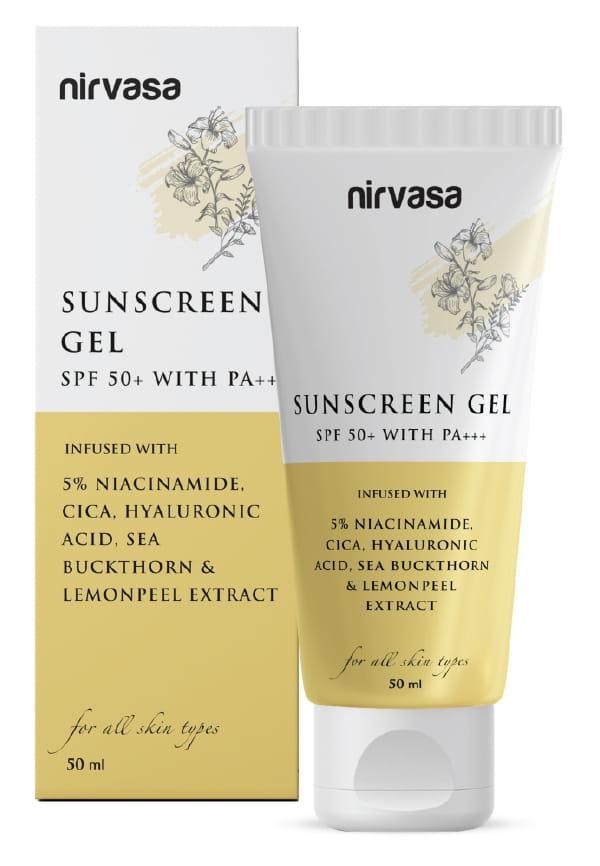
SPF50+ Sunscreen Gel with 5% Niacinamide for 98% UVA/UVB Protection
Gel Moisturizer for Oily Skin
5“gel moisturizer good for oily skin”
This gel-based sunscreen has earned dermatologist praise for its velvet matte finish that controls shine without feeling drying. The lightweight formula absorbs quickly and provides broad-spectrum protection whilst remaining comfortable throughout the day. Its sweat and humidity resistance makes it particularly suitable for Indian weather conditions. Priced around ₹350-400, it offers excellent value for daily use. Available on Smytten for trial.
The Minimalist Light Fluid SPF 50 Face Sunscreen delivers advanced UV protection in an almost invisible fluid texture. Its multi-UV filter system provides comprehensive protection whilst the lightweight formula ensures no white cast or greasy residue. Though premium-priced at around ₹600-700, the advanced formulation justifies the investment for those seeking cutting-edge sun protection. Available on Smytten for trial.
This aqua gel formula combines high SPF protection with gentle hydration from hyaluronic acid. The lightweight texture feels more like a moisturiser than traditional sunscreen, making it ideal for sensitive combination skin that reacts poorly to heavier formulations. At ₹400-450, it provides excellent daily protection without irritation. Available on Smytten for trial.
This innovative formula combines broad-spectrum protection with skin-calming cica and sebum-regulating niacinamide. The lightweight cream-gel texture provides protection whilst actively improving skin health over time. Perfect for acne-prone combination skin, it's priced around ₹450-500 and offers multi-benefit protection. Available on Smytten for trial.
The cooling gel technology makes this sunscreen particularly refreshing for hot, humid conditions. Watermelon extract and hyaluronic acid provide light hydration whilst the gel texture ensures no greasy residue. Ideal for summer use, it's available for approximately ₹450-500. Available on Smytten for trial.
True to its name, this sunscreen provides completely transparent protection with zero white cast. The advanced gel formula works beautifully under makeup whilst providing high SPF protection. Though the silicone-based texture might not appeal to everyone, it's excellent for those prioritising an invisible finish. Priced around ₹500-550. Available on Smytten for trial.
Specifically formulated for oily skin, this sunscreen delivers very high SPF protection with a comfortable matte finish. The cream-gel texture controls shine effectively whilst niacinamide helps regulate sebum production. At ₹450-500, it's ideal for those with particularly oily T-zones. Available on Smytten for trial.
This dewy formula works well for combination skin that leans more toward the dry side. Vitamin C, papaya extract, and hyaluronic acid provide brightening and hydration whilst maintaining broad-spectrum protection. The lightweight texture prevents greasiness whilst ensuring adequate moisture. Available for ₹400-450. Available on Smytten for trial.
This advanced formula combines broad-spectrum protection with vitamins A, B, C, E, and F for comprehensive photoaging prevention. The lightweight cream texture suits combination skin whilst the multi-vitamin complex provides additional skin benefits. Though premium-priced at ₹650-700, it offers exceptional anti-aging protection. Available on Smytten for trial.
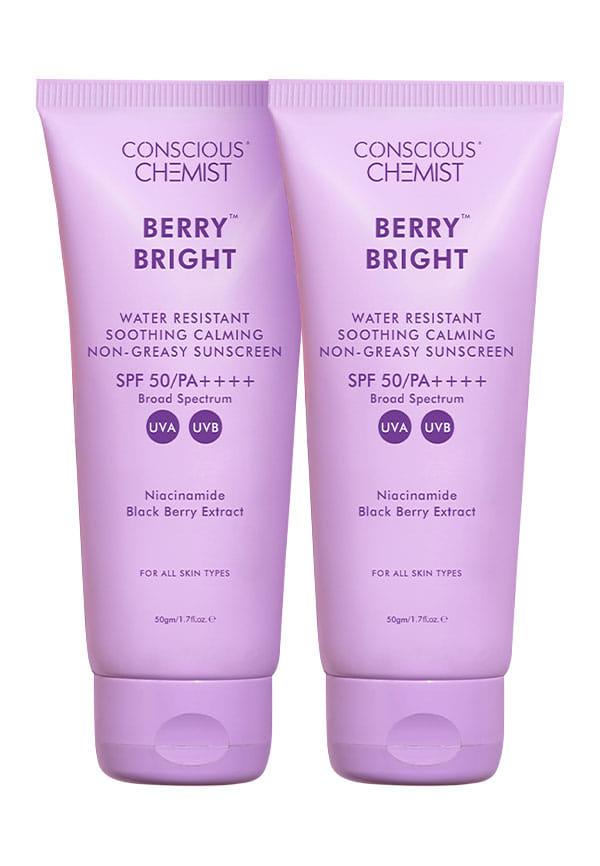
Berry Bright Niacinamide Sunscreen Spf 50 Pa++++ Pack Of 2 Combo
Very Good Product & Offers
5“its very good. And the offer s very good”
Very Good Product & Offers
5“its very good. And the offer s very good”
No white cast, fine protection
5“a nice one ..leaves no white cast, and fine protection”
Real talk: the choice between mineral and chemical sunscreens for combination skin often comes down to personal preference and specific skin concerns. Both types can work well when formulated appropriately, but each offers distinct advantages for different combination skin needs.
Mineral sunscreens containing zinc oxide or titanium dioxide provide immediate protection upon application and tend to be gentler on sensitive areas. They're less likely to cause irritation around the delicate eye area and work well for combination skin that includes sensitive zones. However, traditional mineral formulas can sometimes feel heavy or leave a white cast.
Chemical sunscreens typically offer superior cosmetic elegance with lightweight, invisible textures that work beautifully under makeup. They're often easier to apply and reapply throughout the day, making them practical for daily use. Modern chemical filters provide excellent broad-spectrum protection whilst maintaining the lightweight feel combination skin requires.
Here's what dermatologists actually recommend based on skin concerns: For acne-prone combination skin, non-comedogenic chemical sunscreens with added niacinamide or salicylic acid are often advised. For sensitive combination skin, gentle mineral formulas or hybrid formulations that combine both types of filters may work best. Climate considerations also matter—lightweight chemical sunscreens often perform better in humid conditions.
Product | Skin Type | Key Concern | Price Range | Key Ingredients |
|---|---|---|---|---|
Re'equil Ultra Matte Dry Touch SPF 50 | Oily, Combination | Oil control, Matte finish | ₹350-400 | Chemical UV filters, Silica |
The Derma Co. Hyaluronic Aqua Gel SPF 50 | All types, Dehydrated | Hydration, Lightweight protection | ₹400-450 | Hyaluronic Acid, Vitamin E |
Dot & Key Cica + Niacinamide SPF 50+ | Sensitive, Acne-prone | Calming, Sebum control | ₹450-500 | Cica, Niacinamide |
Minimalist Light Fluid SPF 50 | All types | Invisible finish, High protection | ₹600-700 | Multi-UV filters |
Foxtale SPF 70 Matte Finish | Oily, Combination | Shine control, High SPF | ₹450-500 | UV filters, Niacinamide |
Proper application technique becomes even more crucial for combination skin, as different areas have varying needs and absorption rates. The key is understanding how to adapt your application method to ensure adequate protection across all facial zones whilst maintaining comfort throughout the day.
Start with clean, lightly moisturised skin—combination skin often benefits from a lightweight moisturiser on dry areas before sunscreen application. Apply sunscreen in gentle patting motions rather than rubbing, which can disturb the skin barrier and cause uneven distribution. Pay special attention to the T-zone, where oil production might cause the product to break down faster.
Under-application remains the most common mistake, particularly on combination skin where people often avoid applying adequate amounts to oily areas. Remember that you need approximately ¼ teaspoon for your face and neck. Timing matters too—allow your moisturiser to absorb completely before applying sunscreen to prevent pilling or uneven coverage.
Successfully incorporating sunscreen into a combination skin routine requires understanding how different products interact and how to maintain protection throughout the day. Dermatologists emphasise that consistency matters more than perfection—finding a sunscreen you'll actually use daily is more important than finding the theoretically perfect formula.
Morning routines should be streamlined to prevent overwhelming combination skin. Start with a gentle cleanser, apply any treatment products like niacinamide or vitamin C, follow with a lightweight moisturiser if needed, and finish with sunscreen. Evening routines can be more elaborate, focusing on repair and hydration to support the skin barrier.
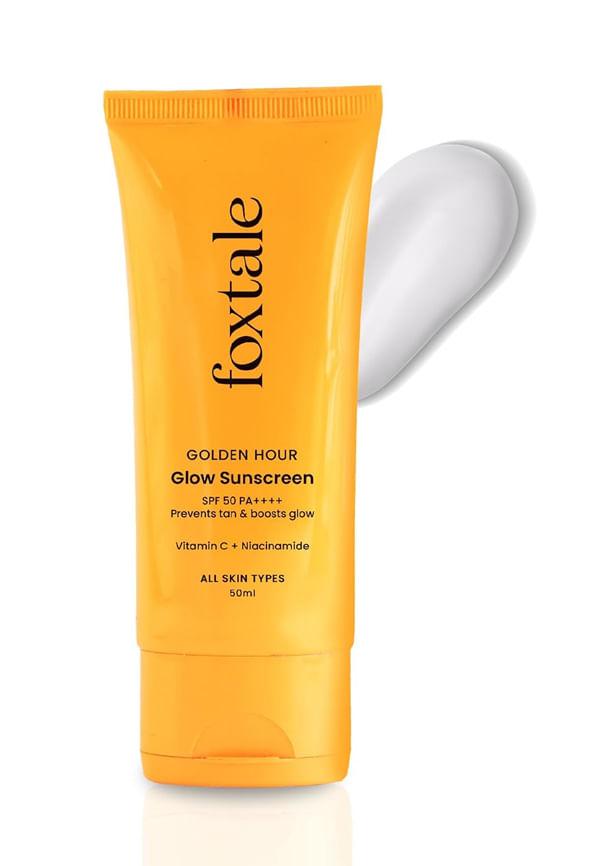
Glow Sunscreen SPF 50 PA++++ Lightweight with Vitamin C and Niacinamide
Lightweight, Glowing Skin
5“Light weght must try just give glowing skin”
Amazing Sunscreen, Loved It
4“I ever used this type of such an amazing product that too sunscreen. loved it”
Lightweight & Good on Face
5“light weight super good on face”
If you notice increased breakouts after starting a new sunscreen, give your skin 2-3 weeks to adjust before switching products. Some initial purging is normal, especially if the sunscreen contains active ingredients. For makeup compatibility, choose sunscreens that dry to a smooth, non-tacky finish and allow adequate setting time before applying foundation.
Several brands consistently receive dermatologist recommendations for combination skin, including Re'equil, The Derma Co., Dot & Key, and Minimalist. The best brand depends on your specific needs—Re'equil excels for oil control, whilst The Derma Co. offers excellent hydrating options. Smytten's trial packs allow you to test different brands before committing to full sizes.
Gel-based or lightweight lotion formulations typically work best for combination skin. These textures provide adequate protection without overwhelming oily areas or feeling heavy on dry zones. Look for non-comedogenic, broad-spectrum formulas with SPF 30 or higher.
Gel sunscreens generally work better for combination skin because they absorb quickly, feel lightweight, and don't leave a greasy residue. However, very dry combination skin might benefit from lightweight cream formulations that provide slightly more hydration whilst still maintaining a comfortable finish.
Reapply every 2 hours when outdoors, or more frequently if you're sweating or swimming. For combination skin, blotting papers can help remove excess oil before reapplication, ensuring better adherence and coverage.
Yes, some people with extreme combination skin benefit from using a mattifying sunscreen on the T-zone and a more hydrating formula on the cheeks. However, this approach requires careful blending to avoid visible lines and can be time-consuming for daily use.
Finding the right dermatologist-recommended sunscreen for combination skin requires understanding your specific needs and choosing formulations that balance protection with comfort. The nine sunscreens highlighted here offer proven solutions for different combination skin concerns, from oil control to gentle hydration.
Remember that the best sunscreen is one you'll use consistently. Gel-based formulas with non-comedogenic ingredients typically work well for most combination skin types, but individual needs vary. Pay attention to how your skin responds and don't hesitate to adjust your choice based on seasonal changes or evolving skin concerns.
Proper application technique matters as much as product selection. Use adequate amounts, allow proper absorption time, and reapply regularly for optimal protection. With the right sunscreen and application method, you can maintain healthy, protected skin without compromising comfort or appearance.
Discovering the perfect sunscreen for combination skin doesn't have to involve expensive trial and error. Smytten is India's largest product discovery and trial platform, connecting consumers with top lifestyle, beauty, wellness, and grooming brands through curated trial packs from over 2,400 trusted brands including Cetaphil, Dot & Key, Re'equil, and The Derma Co. Each mini is linked with Trial Points, and users can get up to 10 Trial Points for just ₹279, with 100% cashback on trial purchases redeemable for future orders. This try before you buy approach makes finding your ideal dermatologist-recommended sunscreen both affordable and risk-free. With over 28 million users and authentic brand-verified minis delivered across 90% pin code coverage, Smytten ensures you never have to settle for 'maybe' when you can #TryItAll.
