9 Dermatologist Recommended Face Washes for Sensitive Skin


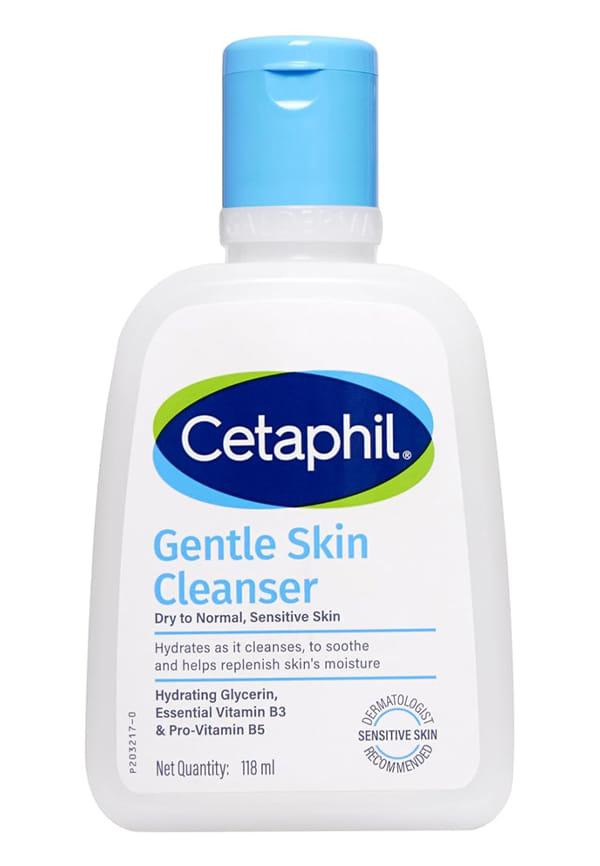
Gentle Skin Cleanser
Skin Improvement Noted
 5
5“meri skin mai bahut improvement aaya hai”
Repeated purchase, user satisfaction
5“It is my 5th time to buy this product ”
Excellent Packaging and Quality Product
5“The packaging was so good . Product was absolutely no. 1 quality”
When your skin reacts to seemingly everything—from the weather to that new cleanser your friend swears by—finding the right face wash can feel like navigating a minefield. If you've ever experienced that tight, stinging sensation after cleansing, or noticed redness that takes hours to fade, you're not alone. Sensitive skin affects millions, and the wrong cleanser can trigger irritation, dryness, and even worsen existing conditions like eczema or rosacea. The good news? Dermatologists have identified specific formulations that work beautifully with reactive skin, focusing on gentle yet effective cleansing without compromising your skin barrier. These expert-approved cleansers prioritise ingredients like ceramides, niacinamide, and thermal water whilst avoiding common irritants like harsh sulfates and synthetic fragrances. Whether you're dealing with occasional sensitivity or chronic skin conditions, the right dermatologist recommended face wash for sensitive skin can transform your daily routine from a source of stress into a moment of soothing self-care. On platforms like Smytten, you can trial these gentle cleansers in mini sizes before committing to full-size purchases, making it easier to find your perfect match without the risk of wasting money on products that might not suit your skin.
Gentle formulations matter: Dermatologist recommended face washes for sensitive skin focus on pH-balanced, fragrance-free formulas with barrier-repairing ingredients like ceramides and niacinamide
Avoid common irritants: Steer clear of harsh sulfates, synthetic fragrances, high-concentration alcohols, and alkaline cleansers that can trigger sensitivity
Top picks include: Cetaphil Gentle Skin Cleanser, CeraVe Hydrating Cleanser, and The Derma Co. Gentle Skin Cleanser—all proven effective for reactive skin types
Cleansing technique counts: Use lukewarm water, gentle patting motions, and follow with a suitable moisturiser to maintain skin barrier health
Trial before buying: Test new cleansers through trial sizes to ensure compatibility before investing in full-size products
Sensitive skin isn't just about feeling a bit tender after cleansing—it's a legitimate skin condition that affects how your skin barrier functions. Dermatologists explain that sensitive skin often has a compromised barrier function, meaning it loses moisture more easily and allows irritants to penetrate more readily. This creates a cycle where harsh cleansers strip away natural oils, weakening the barrier further and making skin even more reactive. Understanding what to look for in a face wash if you have sensitive skin is key to breaking this cycle.
The science behind gentle cleansing lies in understanding your skin's natural pH level, which sits around 5.5—slightly acidic. Many conventional cleansers have alkaline pH levels that disrupt this delicate balance, leading to irritation, dryness, and increased sensitivity. Dermatologist approved skincare focuses on maintaining this natural pH whilst effectively removing dirt, oil, and makeup without compromising skin health.
Many people unknowingly aggravate their sensitive skin through well-intentioned but misguided cleansing habits. Over-cleansing is perhaps the most common mistake—washing your face more than twice daily can strip essential oils and disrupt your skin's natural protective barrier.
Using water that's too hot is another frequent error. Whilst a steamy shower might feel relaxing, hot water can inflame sensitive skin and exacerbate redness. Dermatologists recommend lukewarm water for cleansing, followed by gentle patting—never rubbing—with a clean towel.
When dermatologists formulate or recommend cleansers for sensitive skin, they look for specific ingredients that cleanse effectively whilst supporting skin barrier function. These ingredients work synergistically to remove impurities without triggering inflammatory responses that characterise sensitive skin reactions. Finding a gentle cleanser for sensitive skin often means looking for these key components.
Ceramides are lipid molecules that naturally occur in your skin barrier, making up about 50% of your skin's composition. In gentle cleansers, ceramides help restore and strengthen the protective barrier whilst you cleanse, preventing moisture loss and reducing sensitivity over time.
Hyaluronic acid provides gentle hydration without feeling heavy or clogging pores. This humectant draws moisture from the environment into your skin, helping maintain hydration levels even during the cleansing process.
Glycerin is a time-tested moisturising ingredient that helps maintain skin's moisture balance. Unlike some hydrating ingredients that can feel sticky, glycerin provides lightweight moisture retention that works well in both gel and cream cleansers.
Niacinamide (vitamin B3) is particularly valuable in sensitive skin cleansers because it reduces inflammation whilst regulating oil production. This dual action makes it suitable for sensitive skin that's also prone to breakouts—a common but tricky combination to address.
Oat extract contains compounds called avenanthramides that have natural anti-inflammatory properties. Colloidal oatmeal, in particular, has been used for centuries to soothe irritated skin and is often recommended by dermatologists for eczema-prone skin.
Thermal water from specific mineral-rich springs contains trace elements that can calm reactive skin. Brands like La Roche-Posay incorporate thermal water into their formulations specifically for its soothing properties.
The pH level of your cleanser might seem like a technical detail, but it's crucial for sensitive skin health. A pH of 5.5 matches your skin's natural acidity level, helping maintain the acid mantle that protects against bacteria and environmental irritants.
Alkaline cleansers (with pH levels above 7) can disrupt this protective barrier, leading to increased sensitivity, dryness, and even bacterial overgrowth. This is why dermatologist recommended face washes for sensitive skin are specifically formulated to maintain optimal pH levels.
Understanding what to avoid is just as important as knowing what to look for when selecting a gentle cleanser for sensitive skin. Certain ingredients, whilst effective for other skin types, can trigger reactions in sensitive skin and should be avoided or used with extreme caution.
Synthetic fragrances and essential oils are among the most common culprits behind cleansing-related sensitivity. Even natural essential oils like lavender or tea tree can trigger reactions in sensitive skin. The term "fragrance" on ingredient lists can represent dozens of different chemicals, many of which are known allergens.
Harsh sulfates like sodium lauryl sulfate (SLS) and sodium laureth sulfate (SLES) create that satisfying foam we associate with "clean," but they can be too aggressive for sensitive skin. These surfactants can strip natural oils and disrupt the skin barrier, leading to dryness and irritation.
High-concentration alcohols (particularly denatured alcohol) can be extremely drying and irritating. Whilst some alcohols like cetyl alcohol are actually moisturising, ingredients like alcohol denat should be avoided in sensitive skin formulations.
Physical exfoliants with rough particles can cause micro-tears in sensitive skin. Even gentle scrubs can be too abrasive for reactive skin types, making chemical exfoliants or enzyme-based options preferable when exfoliation is needed.
After extensive research and dermatologist consultations, these nine cleansers consistently receive recommendations for sensitive skin. Each has been formulated with specific concerns in mind, from basic daily cleansing to addressing particular skin conditions like eczema or rosacea. Finding the right hypoallergenic face wash is crucial for many.
The Cetaphil Gentle Skin Cleanser has earned its reputation as the gold standard for sensitive skin cleansing. This soap-free, non-foaming formula contains a blend of mild surfactants that cleanse without stripping natural oils. Its unique formulation can be used with or without water, making it incredibly versatile for different skin needs and situations.
Dermatologists particularly appreciate its minimal ingredient list and pH-balanced formula that won't disrupt your skin's natural protective barrier. The cleanser contains glycerin for hydration and has been clinically tested on sensitive skin, making it suitable for conditions like eczema and rosacea.
CeraVe's Hydrating Facial Cleanser stands out for its inclusion of three essential ceramides and hyaluronic acid. This cream-to-foam formula provides thorough cleansing whilst actively replenishing your skin barrier during the cleansing process. The patented MVE technology ensures ingredients are released slowly throughout the day.
What makes this particularly suitable for sensitive skin is its non-comedogenic, fragrance-free cleanser formula that's been developed with dermatologists. The cleanser effectively removes makeup and impurities without leaving skin feeling tight or dry—a common complaint with many cleansers.
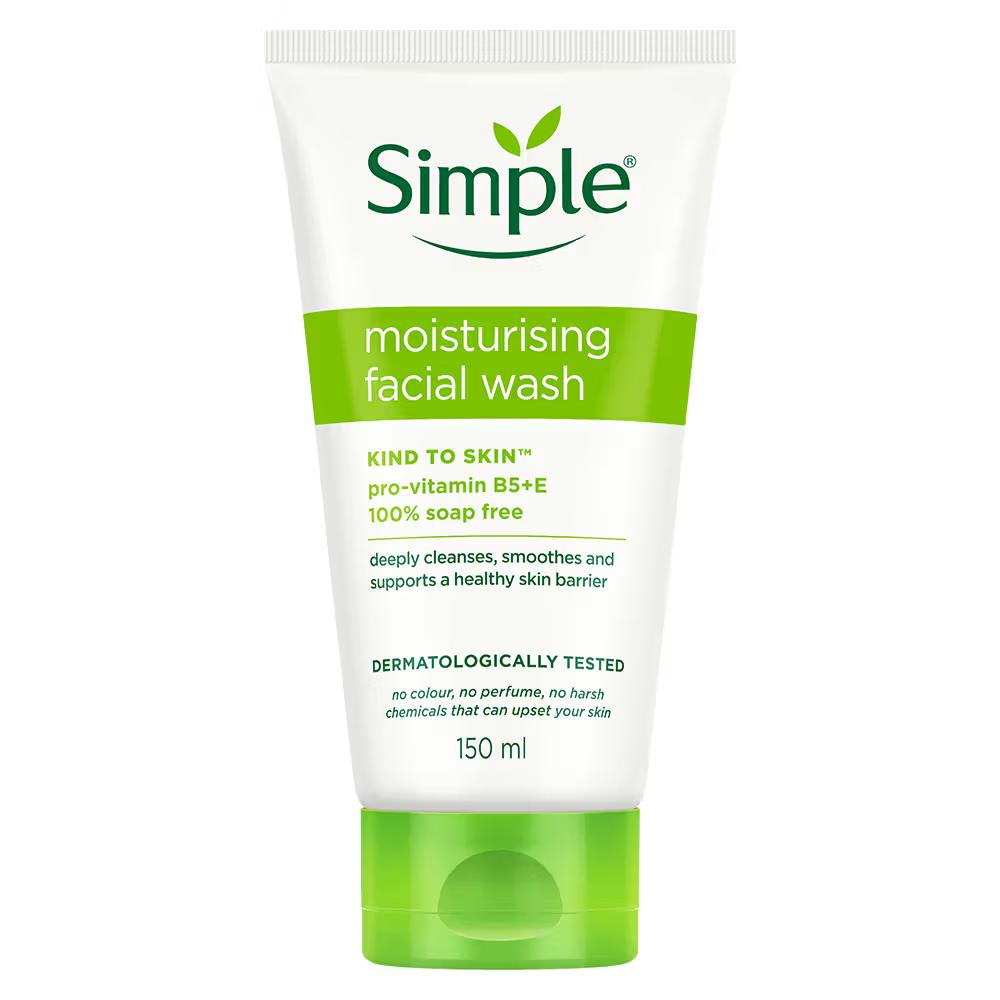
Simple's Moisturising Facial Wash is built for sensitive skin that also feels tight and parched after cleansing. The 100% soap-free formula skips artificial perfume and harsh chemicals, relying on Pro-Vitamin B5 (Panthenol) and Vitamin E to cleanse gently whilst actively reducing dryness. Rather than leaving skin squeaky and stripped, it washes away impurities and leaves a soft, comfortable finish, which is exactly what dermatologists advise for reactive skin prone to dehydration. Its gentle, non-foaming character makes it a reassuring daily choice for those who find standard foaming cleansers too drying.
La Roche-Posay's Toleriane range is specifically designed for hypersensitive skin, and their Hydrating Gentle Cleanser exemplifies this commitment. The formula contains prebiotic thermal water sourced from the town of La Roche-Posay in France, known for its soothing mineral content.
This cleanser uses a minimal ingredient approach, containing only 13 ingredients to reduce the risk of reactions. It's particularly effective for skin that reacts to seemingly everything, providing gentle cleansing without any of the common irritants that trigger sensitivity.
Aveeno's expertise with oat-based skincare shines in this gentle cleanser designed specifically for compromised skin barriers. The formula contains colloidal oatmeal, which has been recognised by dermatologists for its anti-inflammatory and barrier-repairing properties.
This cleanser is particularly beneficial for eczema-prone skin because it cleanses whilst actively soothing irritation. The fragrance-free, soap-free formula helps maintain skin's natural moisture balance, reducing the likelihood of flare-ups that can be triggered by harsh cleansing.
The Derma Co. 2% Niacinamide Gentle Skin Cleanser offers dermatologist-backed ingredients at an accessible price point. This creamy, soap-free formula combines niacinamide with cica extract and a ceramide complex to provide gentle cleansing whilst supporting skin barrier function.
What sets this cleanser apart is its focus on active ingredients that benefit sensitive skin—niacinamide reduces inflammation and regulates oil production, whilst cica extract provides additional soothing benefits. The ceramide complex helps repair and strengthen the skin barrier over time.
Sebamed's Clear Face Cleansing Foam is specifically formulated with a pH of 5.5 to match skin's natural acidity level. This is particularly important for rosacea-prone skin, which often has an impaired barrier function and increased sensitivity to pH fluctuations.
The gentle foaming action provides effective cleansing without the harsh surfactants that can trigger rosacea flare-ups. The formula is soap-free and alkali-free, making it one of the gentlest options available for reactive skin conditions.
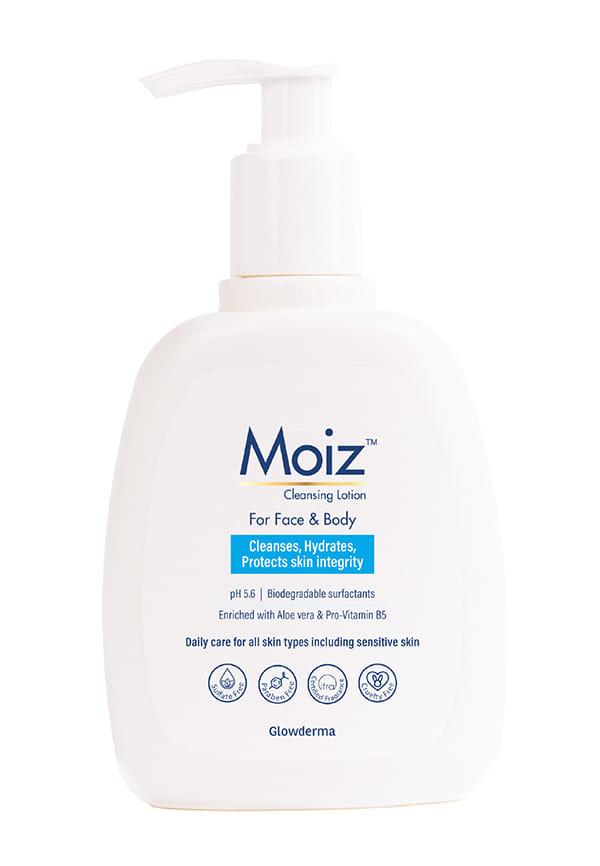
Cleansing Lotion - Gentle skin Cleanser
Gentle for Kids
5“ordered for my kids... very gentle”
Great for Dry Skin
5“This is my 2nd no. purchase of this product, super for dry skin❤️❤️❤️❤️.”
Great for Dry Skin
5“This is my 2nd no. purchase of this product, super for dry skin❤️❤️❤️❤️.”
Dot & Key's Barrier Repair Hydrating Gentle Face Wash addresses the tricky combination of acne-prone and sensitive skin. This ultra-mild formula contains hyaluronic acid, ceramides, and probiotics to support skin barrier health whilst providing gentle cleansing.
The probiotic component is particularly innovative, helping to balance the skin's microbiome—an important factor in both acne prevention and sensitivity management. The minimal lather formula ensures thorough cleansing without irritation.
Bioderma's Sensibio Gel Moussant represents the premium end of sensitive skin cleansing. This soap-free gel cleanser uses micellar technology to gently lift away impurities whilst respecting the skin's natural balance.
The formula has been dermatologically tested on sensitive skin and contains a patented DAF complex that increases skin tolerance over time. Whilst it's a higher investment, many dermatologists recommend it for patients with severe sensitivity or multiple skin concerns.
Product | Best For Skin Type | Key Concern | Price Range | Star Ingredients |
|---|---|---|---|---|
Cetaphil Gentle Skin Cleanser | All sensitive skin types | Daily gentle cleansing | Approx. ₹400-600 | Glycerin, mild surfactants |
CeraVe Hydrating Cleanser | Dry, sensitive skin | Barrier repair + hydration | Approx. ₹800-1200 | Ceramides, hyaluronic acid |
The Derma Co. Gentle Cleanser | Normal to dry sensitive | Budget-friendly barrier care | Approx. ₹300-450 | Niacinamide, ceramides, cica |
Dot & Key Barrier Repair Wash | Acne-prone sensitive | Microbiome balance | Approx. ₹500-700 | Probiotics, hyaluronic acid |
Simple Moisturizing Facial Wash | Dry, sensitive skin | Reduces dryness whilst cleansing | Approx. ₹350-450 | Pro-Vitamin B5 (Panthenol), Vitamin E |
Selecting the perfect gentle cleanser for sensitive skin requires understanding your specific sensitivity triggers and skin type. Not all sensitive skin is the same—some people react to specific ingredients, whilst others have underlying conditions like eczema or rosacea that require targeted care.
If your sensitive skin tends to feel tight and flaky, look for cream-based cleansers with hydrating ingredients like glycerin, hyaluronic acid, and ceramides. These formulations cleanse whilst adding moisture back to your skin, preventing the dryness that can trigger sensitivity.
Avoid foaming cleansers, which can be too stripping for dry sensitive skin. Instead, opt for milky or creamy textures that feel nourishing during application. The cleansing process should leave your skin feeling soft, not tight or squeaky clean.
Oily sensitive skin requires a delicate balance—you need effective oil control without harsh ingredients that trigger sensitivity. Look for gentle foaming cleansers with ingredients like niacinamide, which regulates oil production whilst reducing inflammation.
Avoid the temptation to over-cleanse or use harsh astringents. Instead, focus on consistent, gentle cleansing twice daily with a pH-balanced formula that won't disrupt your skin barrier whilst managing excess oil.
Combination sensitive skin often requires a strategic approach—your T-zone might need oil control whilst your cheeks require gentle hydration. Consider using different products for different areas, or choose a balanced formula that addresses both concerns without being too harsh or too rich.
Multi-zone cleansing can be effective, using a gentle foaming cleanser on oily areas and a cream cleanser on drier zones. Alternatively, look for hybrid formulas designed specifically for combination sensitive skin.
If your skin reacts to seemingly everything, ultra-gentle formulations with minimal ingredients are essential. Look for cleansers specifically designed for hypersensitive skin, with ingredients like thermal water, oat extract, or allantoin that actively calm irritation.
Temperature matters significantly for reactive skin—use lukewarm water and avoid any products with warming or cooling sensations. Stick to fragrance-free, hypoallergenic formulas that have been tested on sensitive skin.
The way you cleanse is just as important as what you cleanse with when you have sensitive skin. Dermatologists emphasise that technique, timing, and follow-up care all play crucial roles in maintaining skin health and preventing sensitivity flare-ups.
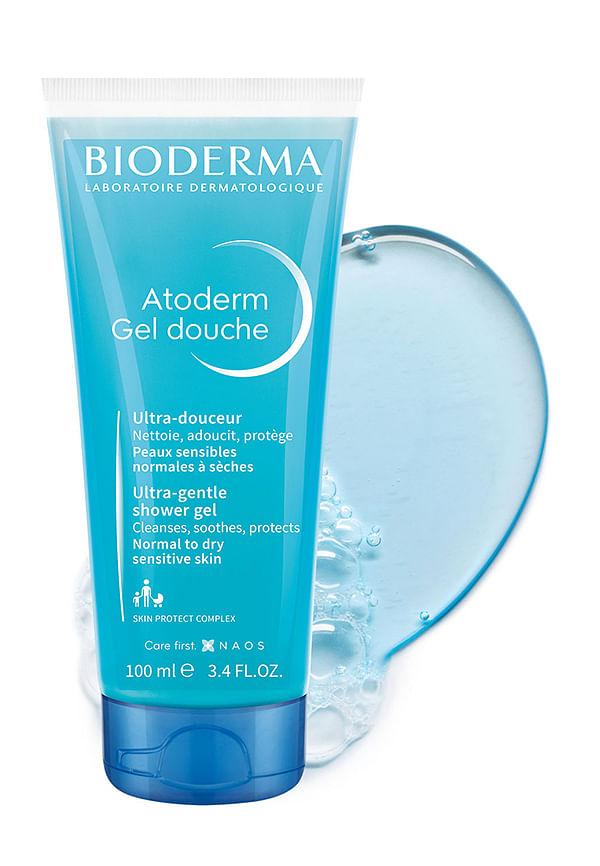
Atoderm Gel Douche Gentle Shower Gel For Normal To Dry Skin
Morning cleansing for sensitive skin should be gentle and minimal. If your skin isn't particularly oily, you might only need to rinse with lukewarm water or use a very mild cleanser. The goal is to remove any overnight buildup without stripping your skin's natural protective oils.
Use lukewarm water—never hot—and apply your cleanser with gentle, circular motions using your fingertips. Avoid washcloths or cleansing brushes, which can be too abrasive for sensitive skin. Rinse thoroughly and pat dry with a clean, soft towel.
Evening cleansing is more crucial as you need to remove makeup, sunscreen, pollution, and the day's buildup. For sensitive skin, double cleansing can be beneficial—start with a gentle cleansing oil or micellar water to remove makeup and sunscreen, followed by your regular gentle cleanser. This is a great way to ensure you're using a gentle cleanser for sensitive skin.
Take your time with evening cleansing, allowing your cleanser to work for 30-60 seconds before rinsing. This ensures effective removal of impurities without the need for aggressive scrubbing that can irritate sensitive skin.
Exfoliation for sensitive skin should be approached cautiously. If you need exfoliation, opt for gentle chemical exfoliants like lactic acid or enzyme-based products rather than physical scrubs. Start with once-weekly use and monitor your skin's response.
Consider incorporating a weekly soothing mask or treatment to support your skin barrier. Ingredients like oatmeal, honey, or ceramides can provide additional nourishment and repair for sensitive skin.
Dermatologists consistently recommend brands like Cetaphil, CeraVe, and La Roche-Posay for sensitive skin because these brands focus on gentle, scientifically-backed formulations. These companies work closely with dermatologists to develop products that are clinically tested on sensitive skin. However, the "best" brand varies by individual—what works for one person's sensitive skin might not work for another's. Platforms like Smytten allow you to try before you buy different brands through mini sizes, helping you find the perfect match without committing to full-size products that might not suit your skin.
Clinical studies and dermatologist reviews consistently highlight Cetaphil Gentle Skin Cleanser as a top choice for sensitive skin due to its soap-free, non-irritating formula. CeraVe Hydrating Cleanser also receives high marks for its ceramide technology and barrier-repairing properties. However, dermatologists emphasise that the "best" cleanser depends on your specific sensitivity triggers and skin type. Evidence-based recommendations focus on pH-balanced, fragrance-free formulas with minimal ingredients and proven gentle surfactants.
Cream-based or lotion cleansers are generally best for sensitive skin because they're less likely to strip natural oils compared to foaming cleansers. Look for soap-free, sulfate-free formulations with a pH between 4.5-6.5. Micellar waters can also be excellent for very sensitive skin as they require no rinsing and minimal manipulation. The key is choosing formulas with gentle surfactants and avoiding harsh detergents that can disrupt your skin barrier.
Most dermatologists recommend cleansing sensitive skin twice daily—once in the morning and once in the evening. However, if your skin is extremely reactive, you might only need to cleanse once daily (in the evening) and simply rinse with water in the morning. Over-cleansing can worsen sensitivity by disrupting the skin barrier, so it's better to err on the side of gentleness. During winter or in air-conditioned environments, you might need to reduce cleansing frequency to prevent dryness.
Sensitive skin can potentially use salicylic acid cleansers, but it requires careful introduction and the right formulation. Look for low concentrations (0.5-1%) in gentle, pH-balanced bases with soothing ingredients like niacinamide or oat extract. Start with once or twice weekly use and monitor your skin's response. Some brands like The Derma Co. and Plum offer gentle salicylic acid cleansers specifically formulated for sensitive skin. Always patch test first and consider starting with leave-on treatments before trying acid cleansers.
Hypoallergenic means a product is formulated to minimise the risk of allergic reactions, though it's not a regulated term and doesn't guarantee you won't react. Fragrance-free means no added fragrances, but products might still contain naturally fragrant ingredients. For sensitive skin, look for products that are both hypoallergenic AND fragrance-free, as synthetic fragrances are among the most common sensitivity triggers. Some products may be labeled "unscented" but still contain masking fragrances, so always check ingredient lists carefully.
Finding the right dermatologist recommended face wash for sensitive skin requires understanding your specific triggers and choosing formulations that support rather than compromise your skin barrier. The nine cleansers highlighted here represent the best options across different price points and skin concerns, from basic daily cleansing to addressing specific conditions like eczema or rosacea.
Remember that gentle doesn't mean ineffective—these cleansers prove that you can achieve thorough cleansing without irritation when you choose the right ingredients and formulations. Focus on pH-balanced, fragrance-free cleanser options with proven gentle surfactants and barrier-supporting ingredients like ceramides, niacinamide, and glycerin.
Your cleansing technique is equally important as your product choice. Use lukewarm water, gentle motions, and always follow up with appropriate moisturiser to maintain your skin's protective barrier. Most importantly, be patient with your skin—it may take time to see improvements, and what works for others might not work for you.
Navigating sensitive skin doesn't have to mean settling for products that barely work or spending a fortune on trial and error. The key is finding gentle, effective formulations that respect your skin's unique needs whilst providing the cleansing efficacy you deserve. Smytten makes this journey significantly easier by offering trial packs India from trusted brands like Cetaphil, The Derma Co., and Dot & Key—allowing you to test dermatologist recommended face washes for sensitive skin before committing to full sizes. With over 2,400 brands available and 100% cashback on trials, you can explore different gentle cleansers until you find your perfect match. The platform's extensive reach across 90% pin code coverage means you can access these carefully curated options regardless of your location. When you discover a cleanser that works beautifully with your sensitive skin, purchasing the full-size version is just a click away in Smytten's shop. After all, why settle for maybe when you can try before you buy and find the gentle cleanser that truly works for your unique skin needs?
