9 Best Hormonal Acne Solutions for Adult Breakouts

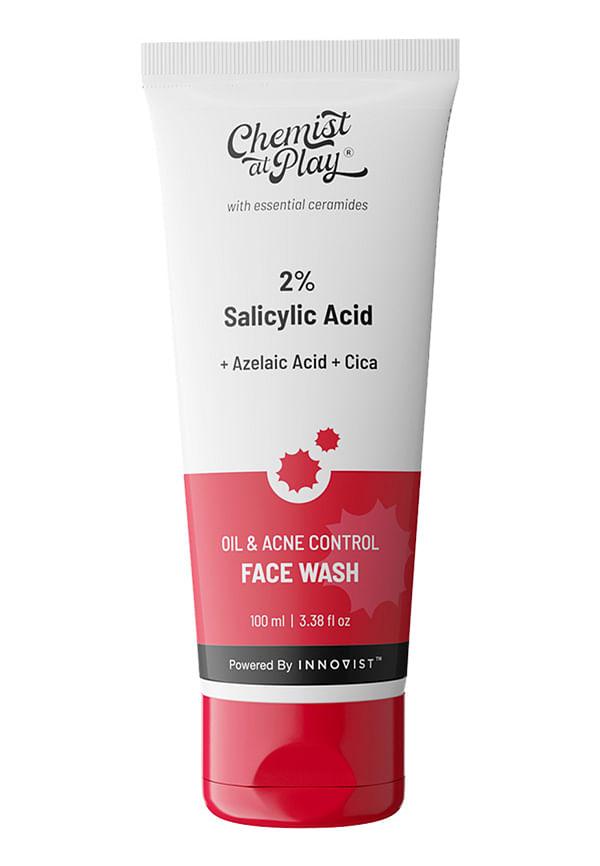
Oil & Acne Control Face Wash | 2% Salicylic acid | Niacinamide
Good for Oily Skin
 5
5“Best for oily skin , remove oil all from face”
Good for Oily Skin
5“Best for oily skin , remove oil all from face”
Good for Oily Skin
5“Best for oily skin , remove oil all from face”
Hormonal acne in adults typically appears as deep, cystic bumps along the jawline, chin, and neck, triggered by androgen fluctuations, stress, and menstrual cycles
The most effective treatments include topical retinoids, spironolactone, targeted birth control, and professional treatments like chemical peels
A consistent skincare routine with salicylic acid, niacinamide, and gentle cleansing can significantly improve hormonal breakouts over 6-12 weeks
Natural approaches like zinc supplementation, spearmint tea, and anti-inflammatory diets can support conventional treatments
Professional help is essential for severe cystic acne, scarring, or when over-the-counter treatments haven't worked after 3 months
Hormonal acne isn't just regular acne that happens to occur in adults—it's a distinct condition with its own patterns and triggers. Unlike teenage acne that typically appears across the T-zone, adult hormonal breakouts have a preference for the lower face, particularly the jawline, chin, and neck area.
The location tells the story. Teenage acne often spreads across the forehead, nose, and cheeks where oil production is highest. Adult hormonal acne, however, follows the path of androgen receptors, clustering around the jawline and chin. These breakouts tend to be deeper, more inflamed, and often develop into painful cystic lesions that can last weeks rather than days. The timing is another giveaway—adult acne typically flares in sync with menstrual cycles, appearing 7-10 days before your period when progesterone levels drop and androgen activity increases.
Androgen fluctuations are the primary culprit behind adult female acne. These male hormones, present in both men and women, stimulate oil production and can cause pores to become clogged more easily. PCOS affects up to 10% of women and often presents with persistent hormonal breakouts due to elevated androgen levels. Insulin resistance, whether related to PCOS or diet, can worsen acne by increasing androgen production. Stress hormones like cortisol also play a significant role, explaining why breakouts often coincide with work deadlines, relationship stress, or major life changes.
Many women experience their worst hormonal acne between ages 25-35, often after stopping birth control or during periods of hormonal transition. Perimenopause, typically beginning in the late thirties or early forties, can trigger a resurgence of acne as oestrogen levels decline and androgen effects become more pronounced. Pregnancy and postpartum periods also commonly trigger hormonal breakouts due to dramatic hormone fluctuations.
Finding the right hormonal acne treatment often requires a multi-pronged approach. Here are the most effective solutions, backed by clinical research and dermatologist recommendations.
Retinoids remain the most effective topical treatment for acne caused by hormones. Adapalene, available over-the-counter, and prescription tretinoin work by normalising skin cell turnover and preventing pores from becoming clogged. These vitamin A derivatives also have anti-inflammatory properties that help calm existing breakouts. Start with a pea-sized amount every other night, gradually increasing frequency as your skin adjusts. The key is patience—most people see significant improvement after 12-16 weeks of consistent use.
This prescription medication works as an anti-androgen, blocking the effects of male hormones on the skin. Clinical studies show 50-100% reduction in acne lesions after 6 months of treatment. Typical dosing ranges from 50-200mg daily, with most women seeing results at 100mg. Side effects can include increased urination, breast tenderness, and irregular periods initially. It's particularly effective for women with PCOS or those who notice their acne worsens around their menstrual cycle. Most doctors start with 50mg daily and gradually increase the dosage.
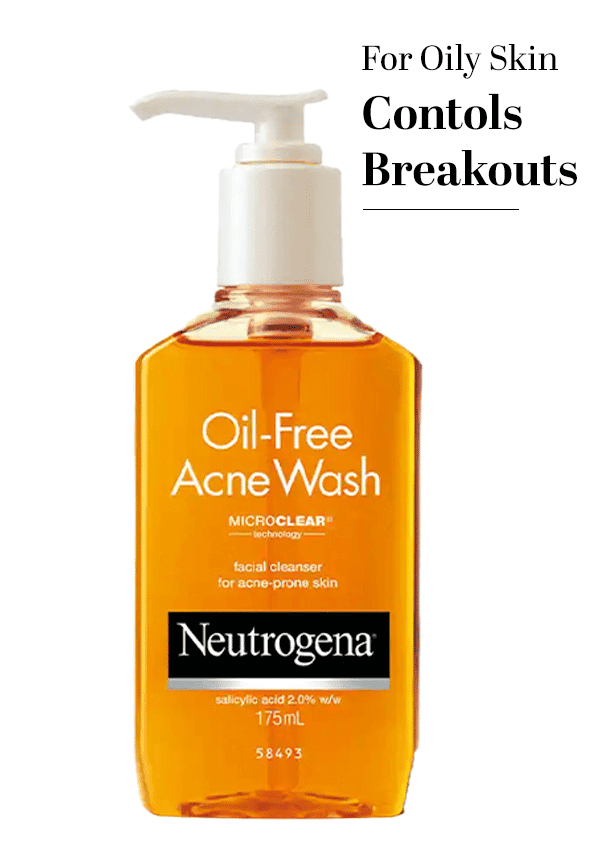
Oil Free Acne Wash For Acne Prone Skin With Salicylic Acid
Reputable Brand for Skin
5“Known brand and known work with skin”
Reputable Brand for Skin
5“Known brand and known work with skin”
Good for Acne Skin
5“best in use for acne skin it helps clean the skin”
Certain birth control pills can significantly improve hormonal breakouts by regulating androgen levels. Pills containing cyproterone acetate or drospirenone are particularly effective for skincare for hormonal acne. These progestins have anti-androgen properties that help reduce oil production and inflammation. Combined oral contraceptives work best when used consistently for at least 3-6 months. It's worth noting that some progestins can actually worsen acne, so choosing the right formulation is crucial.
While hormonal acne is primarily driven by internal factors, bacterial overgrowth still plays a role in inflammation. Benzoyl peroxide effectively kills acne-causing bacteria and helps prevent new breakouts. Start with 2.5% strength to minimise irritation—higher concentrations aren't necessarily more effective but can be more drying. It works well in combination with retinoids or salicylic acid, though these should be applied at different times to avoid irritation.
Regular chemical peels with salicylic acid or glycolic acid can significantly improve hormonal acne by removing dead skin cells and unclogging pores. Professional-strength peels (20-30% salicylic acid) provide deeper exfoliation than at-home treatments. Most dermatologists recommend monthly peels for active acne, with maintenance treatments every 6-8 weeks once skin clears. The combination of professional peels with a good at-home routine often produces the best results.
Blue light therapy targets acne-causing bacteria, while IPL (Intense Pulsed Light) can help with both active acne and post-inflammatory hyperpigmentation. Professional treatments are more effective than at-home devices, though they require multiple sessions and can be costly. LED light therapy works well as a maintenance treatment once acne is under control. These treatments are particularly helpful for those who can't tolerate topical medications or need additional support for stubborn cystic acne remedies.
Doxycycline and minocycline can help control inflammatory acne when used short-term (3-6 months maximum). These antibiotics work by reducing inflammation rather than just killing bacteria. They're often prescribed alongside topical retinoids for faster initial results. However, long-term antibiotic use can lead to resistance and isn't a sustainable solution for chronic hormonal acne. They're best used as a bridge treatment while hormonal therapies take effect.
For severe, treatment-resistant hormonal acne, isotretinoin (Accutane) may be necessary. This powerful medication works by dramatically reducing oil production and has a high success rate—about 85% of patients achieve long-term clearance. However, it requires careful monitoring due to potential side effects including dry skin, mood changes, and birth defects if taken during pregnancy. The treatment typically lasts 4-6 months, with results often lasting years.
Zinc supplementation (30-40mg daily) has shown promise in reducing inflammatory acne. Spearmint tea, consumed twice daily, may help reduce androgen levels naturally. Stress management through meditation, yoga, or regular exercise can help regulate cortisol levels that contribute to breakouts. While these natural approaches work more slowly than medical treatments, they can provide valuable support and may help prevent future breakouts.
While hormonal acne typically requires patience and consistent treatment, there are strategies to speed up the clearing process and manage acute breakouts more effectively.
For painful cystic lesions, cortisone injections from a dermatologist can reduce inflammation within 24-48 hours. Ice therapy—applying ice wrapped in a thin cloth for 5-10 minutes—can help reduce swelling and pain of new cysts. Hydrocolloid patches can help draw out fluid from surface-level breakouts while protecting them from picking. Avoid aggressive spot treatments that can worsen inflammation and potentially cause scarring.
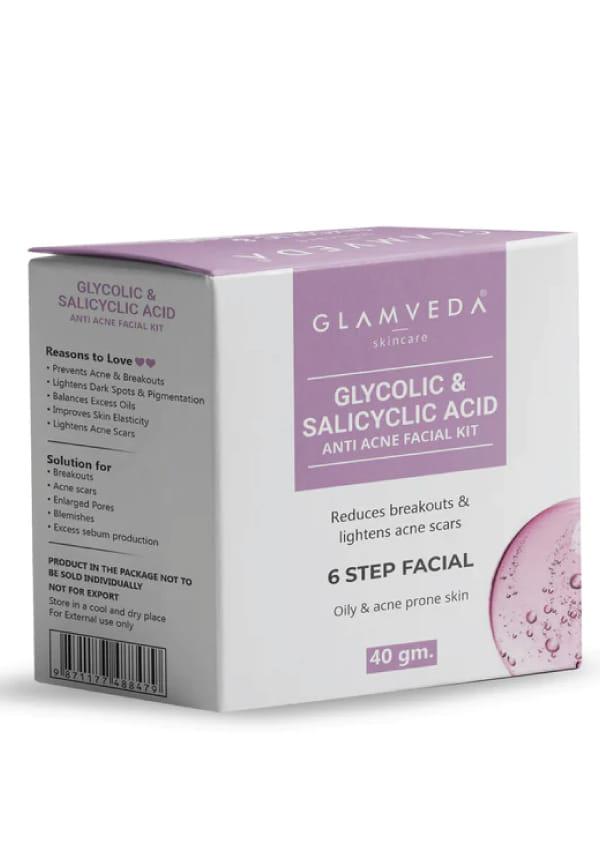
Glycolic Acid & 2% ww Salicylic Acid Anti Acne Facial kit
Good, Clear, and Refreshing
5“so gooodddd clear and refreshing”
Good, Clear, and Refreshing
5“so gooodddd clear and refreshing”
Positive Product Experience
5“nice product nice package nice fragrance”
Week 1-2: Establish a gentle routine with a salicylic acid cleanser and lightweight moisturiser. Introduce one active ingredient at a time to avoid irritation. Week 3-4: Add a retinoid or benzoyl peroxide treatment, starting every other night. Week 5-8: Increase active ingredient frequency as tolerated and consider adding niacinamide for additional anti-inflammatory benefits. Track your progress with photos and note any triggers or patterns in your breakouts.
An effective adult acne skincare routine balances active ingredients with gentle, hydrating products to support the skin barrier while treating breakouts.
Start with a gentle, non-stripping cleanser that removes overnight treatments without over-drying. The Minimalist 2% Salicylic Acid Face Wash For Oily Skin provides effective pore-clearing action with 2% salicylic acid while being gentle enough for daily use, making it an excellent choice for those dealing with persistent hormonal breakouts. Follow with a lightweight, non-comedogenic moisturiser and broad-spectrum SPF 30 or higher. Niacinamide serums work well in the morning as they help control oil production and reduce inflammation without increasing sun sensitivity.
Double cleansing—starting with an oil cleanser followed by a water-based cleanser—ensures thorough removal of sunscreen, makeup, and daily pollutants. Apply active treatments like retinoids or benzoyl peroxide to clean, dry skin, waiting 20-30 minutes before applying moisturiser. This wait time, called buffering, can help reduce irritation while maintaining effectiveness. Use a slightly richer moisturiser at night to support skin repair while you sleep.
Adult skin typically benefits from gentler exfoliation than teenage skin. Limit physical exfoliation to once weekly with a soft cloth or gentle scrub. Chemical exfoliation with AHAs or BHAs 2-3 times per week can help maintain clear pores. Clay masks once weekly can help absorb excess oil, while hydrating masks can counteract any dryness from active treatments. Professional treatments like facials or chemical peels every 4-6 weeks can provide deeper cleansing and maintenance.
While medical treatments are often necessary for hormonal acne, natural approaches can provide valuable support and may help some people achieve clearer skin with fewer side effects.
Green tea contains powerful anti-inflammatory compounds that can help reduce acne inflammation. Apply cooled green tea as a toner or use green tea-infused products. Turmeric and honey masks combine antimicrobial and anti-inflammatory properties—mix 1 teaspoon turmeric with 2 tablespoons raw honey for a weekly treatment. Tea tree oil, diluted to 5-10%, can provide antimicrobial benefits similar to benzoyl peroxide but with less irritation for some people.
High-glycemic foods and dairy products may worsen hormonal acne in some people by increasing insulin and IGF-1 levels, which can stimulate androgen production. Focus on anti-inflammatory foods rich in omega-3 fatty acids, antioxidants, and fibre. Limit processed foods, excess sugar, and consider reducing dairy intake for 6-8 weeks to see if it impacts your skin. Keep a food diary alongside your skin tracking to identify potential triggers.
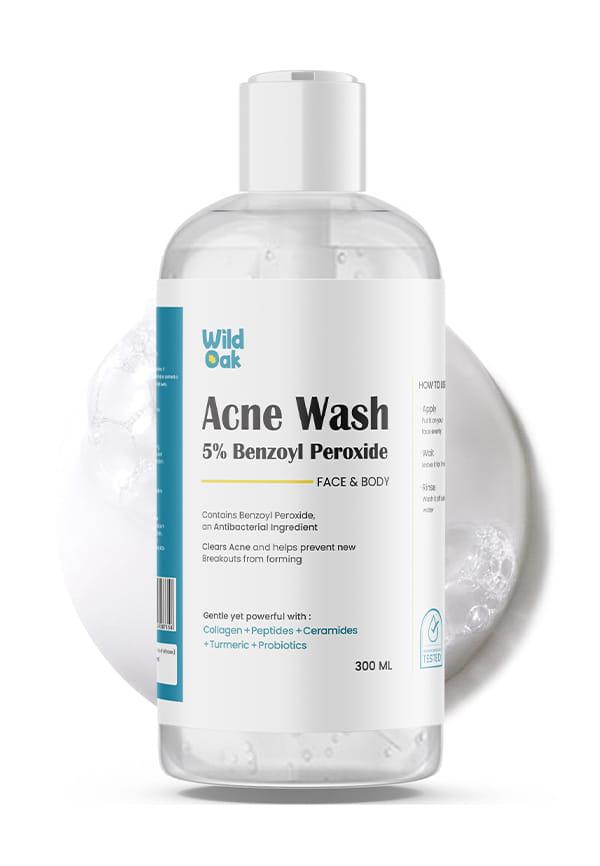
5% Benzoyl Peroxide Acne Wash for Face & Body
Good for acne prone skin
4“good for acne prone skin! will update you after a month”
Good for Summer Sweat & Dust
4“very nice product. suitable for summer sweat and dust.”
Good for acne
5“nice body wash for acne........”
Omega-3 supplements (1-2g daily) can help reduce inflammation throughout the body, including in the skin. Probiotics may help improve the gut-skin connection, particularly strains like Lactobacillus and Bifidobacterium. Vitamin D deficiency has been linked to acne severity, so maintaining adequate levels through supplementation or safe sun exposure may help. Always consult with a healthcare provider before starting new supplements, especially if you're taking other medications.
While many cases of hormonal acne can be managed with over-the-counter treatments and lifestyle changes, certain situations warrant professional intervention for the best outcomes.
Severe cystic acne that causes pain, scarring, or significantly impacts your quality of life needs professional treatment. If you're developing post-inflammatory hyperpigmentation or scarring, early intervention can prevent permanent damage. When over-the-counter treatments haven't shown improvement after 12 weeks of consistent use, it's time to seek professional help. Sudden onset of severe acne in adults, especially if accompanied by other symptoms like irregular periods or excess hair growth, may indicate an underlying hormonal condition that needs medical evaluation.
A dermatologist will assess your acne type, severity, and distribution pattern to determine the best treatment approach. They may recommend hormone testing if PCOS or other endocrine disorders are suspected. Expect discussions about your menstrual cycle, stress levels, current skincare routine, and any medications you're taking. Treatment timelines are typically discussed—most prescription treatments require 3-6 months to show full results. Insurance coverage varies, but many acne treatments are covered when prescribed by a dermatologist.
The fastest improvement typically comes from combination therapy—using topical retinoids with hormonal treatments like spironolactone or appropriate birth control. Most people see initial improvement in 6-8 weeks, with significant results by 12-16 weeks. Professional treatments like cortisone injections can provide rapid relief for individual cysts, while consistent daily skincare helps prevent new breakouts.
Long-term success requires addressing both internal and external factors. Maintain a consistent skincare routine with proven ingredients, manage stress through regular exercise and adequate sleep, and consider hormonal treatments if appropriate. Regular dermatologist check-ups help adjust treatments as your skin and hormones change over time.
Hormonal acne is typically managed rather than permanently cured, as it's often tied to ongoing hormonal fluctuations. However, many people achieve long-term clearance with appropriate treatment. Isotretinoin can provide lasting results for some, while others maintain clear skin with ongoing hormonal therapy or topical treatments. The key is finding a sustainable routine that works with your lifestyle and skin needs.
Most hormonal acne treatments require 3-6 months to show full results. Topical treatments like retinoids typically show improvement by 12-16 weeks, while hormonal therapies like spironolactone may take 3-6 months. Natural approaches often work more slowly, requiring 6-12 months of consistent implementation. Patience and consistency are crucial—many people give up too early when treatments are actually beginning to work.
Hormonal acne in adults requires a different approach than teenage breakouts, focusing on the underlying hormonal triggers rather than just surface treatments. The most effective solutions combine topical treatments like retinoids and salicylic acid with hormonal therapies such as spironolactone or appropriate birth control when needed. Building a consistent skincare routine with gentle, non-comedogenic products provides the foundation for clearer skin, while natural approaches like stress management and dietary modifications can provide valuable support. Professional help is essential for severe cases, scarring, or when over-the-counter treatments haven't worked after three months of consistent use. Remember that clearing hormonal acne typically takes 3-6 months of consistent treatment, and maintaining clear skin often requires ongoing management rather than a one-time cure.
Dealing with hormonal acne as an adult can feel frustrating, especially when you thought your acne days were behind you. The good news is that with the right approach and patience, most people can achieve significant improvement in their skin. Whether you're exploring gentle natural remedies or considering prescription treatments, finding what works for your unique skin often involves some trial and error. With over 28 million users and access to products from over 2,400 brands, you can explore everything from salicylic acid cleansers to niacinamide serums with a try before you buy approach. The platform's cashback on trial minis makes discovering your perfect hormonal acne routine both affordable and rewarding—because when it comes to finding products that actually work for your skin, why settle for maybe when you can try it all?
