9 Anti Aging Tips for Men's Skin to Look Younger


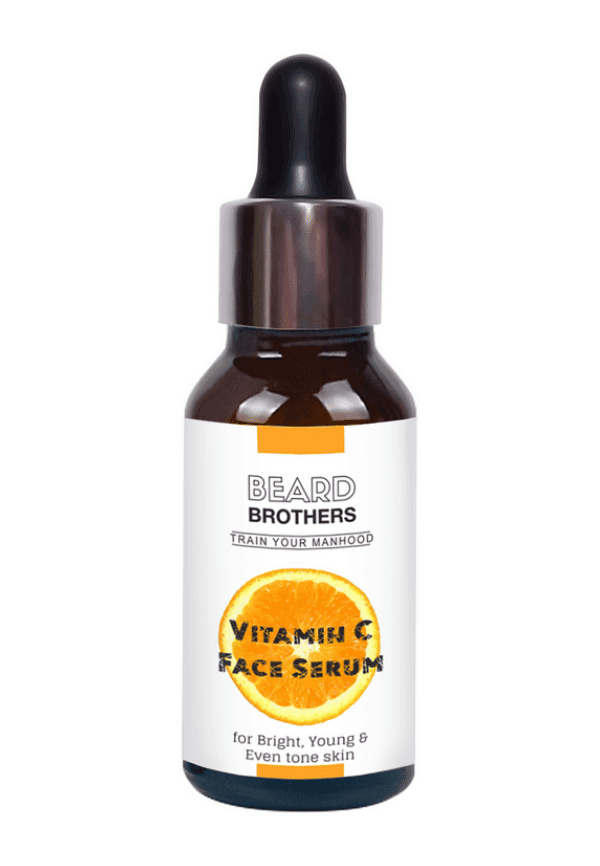
Vitamin-C Serum for Men, Anti-Aging Anti-Wrinkle Facial Serum
Let's be honest—when did you last look in the mirror and think about your skincare routine? If you're like most men, the answer is probably 'never' or 'when my partner mentioned those lines around my eyes.' But here's the thing: men's skin ages differently than women's, and it deserves attention that goes beyond a quick splash of water and aftershave. The good news? You don't need a 12-step routine or expensive treatments to maintain youthful-looking skin. With the right approach and consistency, you can significantly slow down the aging process and keep your skin looking fresh and healthy for years to come.
Men's skin isn't just women's skin with a beard attached—it's fundamentally different in ways that affect how it ages. Your skin is typically 25% thicker than women's, contains more collagen, and produces more oil thanks to higher testosterone levels. This means you might notice fewer fine lines in your twenties and thirties, but when aging does kick in, it tends to happen more dramatically.
The challenge is that most men's anti aging skincare advice treats male skin like it's identical to female skin. Testosterone affects how your skin behaves throughout your life, influencing everything from oil production to collagen breakdown. As testosterone levels naturally decline with age, your skin becomes thinner, drier, and more prone to sagging—particularly around the jawline and neck.
Many men make the mistake of thinking that because their skin feels tougher, it doesn't need gentle care. The reality is that harsh scrubbing, skipping moisturiser, and ignoring sun protection actually accelerate aging. The key is finding products and routines that work with your skin's natural characteristics, not against them.
UV damage accounts for up to 80% of visible facial aging—those deep lines, age spots, and leathery texture you see on heavily sun-damaged skin. For men who spend time outdoors for work or sports, this is absolutely crucial. But sun protection for anti aging for men's face goes beyond slapping on any old SPF.
Choose a broad-spectrum SPF 30 or higher that feels comfortable enough to wear daily. Look for zinc oxide or titanium dioxide for sensitive skin, or chemical sunscreens if you prefer a lighter feel. Apply it every morning, even on cloudy days, and reapply if you're spending extended time outdoors. Don't forget often-missed areas like your ears, neck, and the back of your hands.
A solid skincare routine for aging men doesn't need to be complicated, but it does need to be consistent. Start with the basics: a gentle cleanser that removes dirt and oil without stripping your skin, a moisturiser that hydrates without feeling greasy, and that all-important SPF.
Your morning routine should take less than five minutes: cleanse, apply a vitamin C serum if you're using one, moisturise, and finish with SPF. Evenings are when you can add treatment products like retinoids or exfoliating acids. The key is starting simple and adding products gradually as your skin adjusts.
Choose products formulated for your skin type—if you're oily, look for gel-based moisturisers; if you're dry, cream formulations work better. Don't assume that because you're a man, you need 'masculine' packaging or menthol-laden products that can actually irritate aging skin.
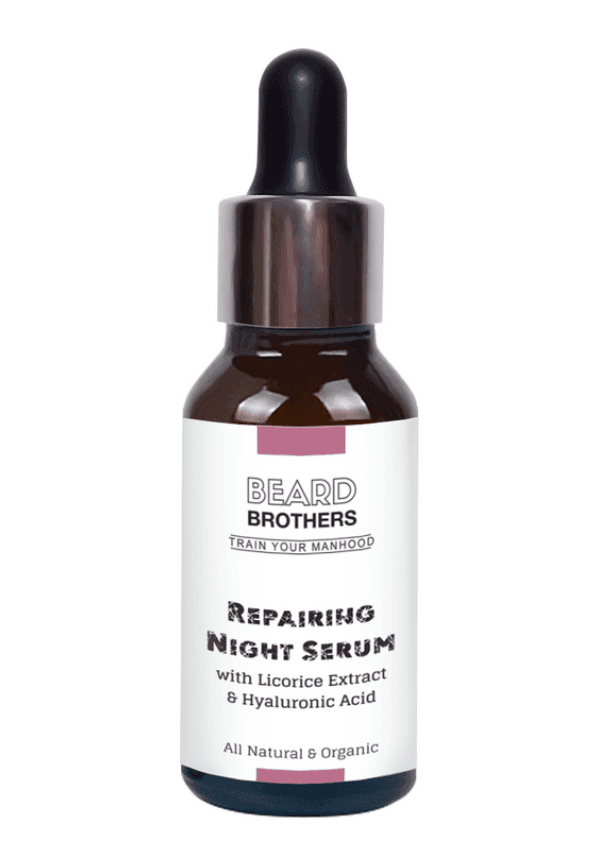
Anti-Aging Night Serum for Men, Natural and Organic, Anti-Aging Serum to Reduce Fine Lines and Wrinkles
When it comes to how men can reduce wrinkles, retinoids are the gold standard. These vitamin A derivatives are the most scientifically proven anti-aging ingredients available, stimulating collagen production and accelerating cell turnover to reveal fresher, younger-looking skin.
Start with an over-the-counter retinol product used twice a week in the evening, gradually increasing frequency as your skin builds tolerance. Expect some initial dryness or mild irritation—this is normal and usually subsides within a few weeks. Always use SPF during the day when using retinoids, as they can increase sun sensitivity.
For more dramatic results, consider seeing a dermatologist for prescription tretinoin. It's more potent than over-the-counter options but requires careful introduction to avoid excessive irritation.
Your skin does its most important repair work while you sleep, producing new collagen and repairing daily damage. Poor sleep doesn't just leave you looking tired—it actually accelerates the aging process by increasing cortisol levels and reducing growth hormone production.
Aim for 7-9 hours of quality sleep each night. Create a sleep environment that supports skin health: keep your bedroom cool and dark, invest in a silk or satin pillowcase to reduce friction against your skin, and try sleeping on your back when possible to avoid sleep lines that can become permanent over time.
If you're a side sleeper, consider switching sides regularly to prevent asymmetrical aging. The pressure and friction from sleeping on one side consistently can contribute to deeper lines and wrinkles on that side of your face.
What you eat directly impacts how your skin ages. A diet rich in antioxidants helps combat free radical damage, while adequate protein supports collagen production. Focus on foods high in vitamin C (citrus fruits, berries, leafy greens), vitamin E (nuts, seeds), and omega-3 fatty acids (fatty fish, walnuts).
Hydration is equally important—men typically need about 3.7 litres of fluid daily, more if you're active or live in a hot climate. Dehydrated skin looks older and shows fine lines more prominently. Limit alcohol and excessive caffeine, both of which can dehydrate your skin and interfere with sleep quality.
Consider adding collagen peptides to your routine if you're over 30. While your body produces collagen naturally, production decreases by about 1% per year after age 25. Supplementation may help maintain skin elasticity and hydration.
Regular exercise improves circulation, delivering oxygen and nutrients to skin cells while helping remove waste products. This increased blood flow gives your skin a healthy glow and supports the repair processes that keep it looking youthful.
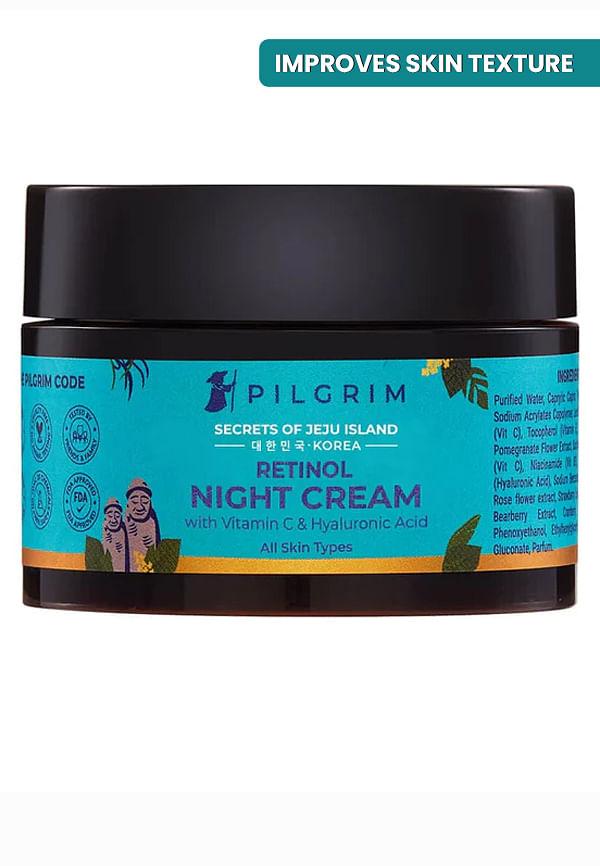
Retinol Anti-Ageing Night Repair Cream With Vitamin C & Hyaluronic Acid
However, post-workout skincare is crucial. Sweat and bacteria can clog pores and cause breakouts, while prolonged exposure to sweat can irritate skin. Shower promptly after exercising, use a gentle cleanser, and always moisturise to replace any hydration lost through sweating.
Chronic stress elevates cortisol levels, which breaks down collagen and impairs skin barrier function. Find stress management techniques that work for you—whether it's meditation, regular exercise, or simply ensuring you have downtime each day.
Different areas of your face age in different ways and may need targeted attention. The eye area is often the first to show signs of aging because the skin is thinner and gets constant movement from expressions. Use a dedicated eye cream with ingredients like caffeine for puffiness or peptides for fine lines.
Forehead lines and crow's feet respond well to retinoids and regular moisturising. For deeper expression lines, you might consider professional treatments, but consistent skincare can prevent them from becoming more pronounced.
Don't neglect your neck and jawline—areas that often show age but are frequently forgotten in skincare routines. Extend your facial products down to your neck, and consider using firming products with peptides or growth factors if you notice sagging.
While a good at-home routine forms the foundation of preventing wrinkles in men, professional treatments can provide more dramatic results. Chemical peels can address sun damage and improve skin texture, while microneedling stimulates collagen production for firmer skin.
If you're considering injectables like Botox or fillers, research qualified practitioners and have realistic expectations. These treatments can be effective for specific concerns but aren't necessary for everyone. Start with a consultation to understand your options and costs.
Professional treatments work best when combined with good home care. Think of them as a boost to your routine, not a replacement for daily skincare habits.
When selecting the best anti aging products for men, focus on ingredients with proven efficacy rather than marketing claims. Retinoids, vitamin C, niacinamide, peptides, and AHAs/BHAs all have scientific backing for anti-aging benefits.
Read ingredient lists and look for products with these actives in effective concentrations. Avoid products with excessive fragrance or alcohol, which can irritate aging skin. Price doesn't always indicate quality—some affordable drugstore products contain the same active ingredients as expensive alternatives.
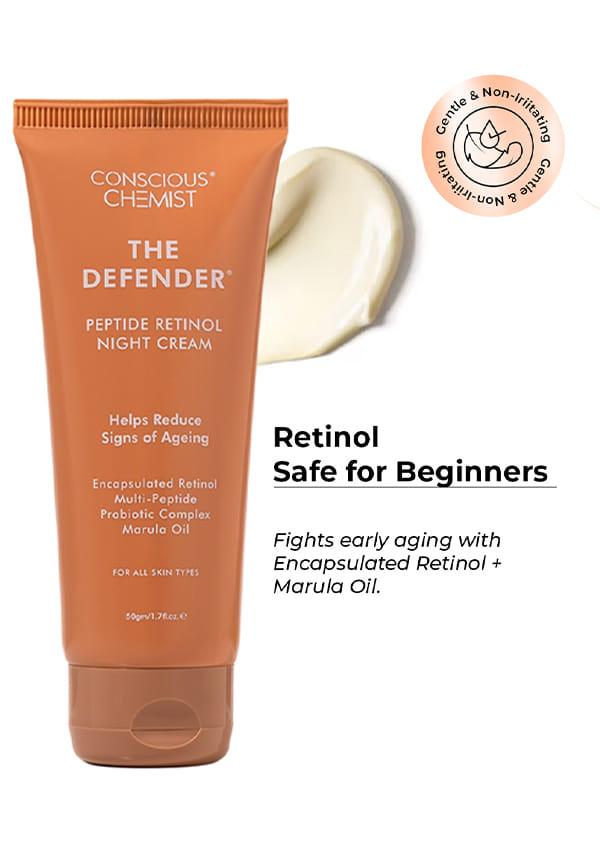
Multi Peptide Retinol Anti Aging Night Cream For Fine Lines & Sagging Skin
Start with one new product at a time to see how your skin responds. This approach helps you identify what works and prevents overwhelming your skin with too many new ingredients at once.
Men's skin ages differently due to higher collagen content and testosterone levels, meaning aging often appears more suddenly but can be effectively managed with consistent care. Focus on sun protection, retinoids, and hydration rather than complex multi-step routines. Men's skin typically tolerates stronger active ingredients better, but the key is consistency over complexity.
A simple morning routine includes gentle cleanser, vitamin C serum (optional), moisturiser with SPF 30+. Evening routine: cleanser, retinoid (2-3 times weekly initially), and night moisturiser. Add products gradually and focus on consistency. This basic routine addresses the main causes of aging: UV damage, collagen loss, and dehydration.
Immediate improvements come from proper hydration, regular exfoliation, and good grooming habits. Ensure you're drinking enough water, using a moisturiser suited to your skin type, and getting adequate sleep. Longer-term results require consistent use of proven anti-aging ingredients like retinoids and diligent sun protection.
Prevention is easier than correction, so starting in your late twenties or early thirties is ideal. However, it's never too late to begin. If you're noticing fine lines, sun damage, or changes in skin texture, that's your cue to upgrade your routine. The most important step at any age is consistent sun protection.
Aging gracefully isn't about fighting time—it's about giving your skin the support it needs to look and feel its best at every stage of life. These nine anti aging tips for skin to men aren't revolutionary secrets; they're evidence-based strategies that work when applied consistently.
Remember that skincare is a marathon, not a sprint. You won't see dramatic changes overnight, but with patience and consistency, you'll notice improvements in skin texture, tone, and overall appearance within a few months. Start with the basics—sun protection, gentle cleansing, and moisturising—then gradually add targeted treatments as your routine becomes second nature.
The beauty of building a solid skincare routine is that it becomes an investment in your future self. Every day you protect your skin from UV damage and support its natural repair processes is a day you're preventing future aging. Whether you're just starting to notice changes or you've been putting off skincare for years, today is the perfect day to begin.
If you're curious about trying new products but hesitant to commit to full sizes, platforms like Smytten offer a smart way to explore different brands and formulations through trial sizes. With access to over 2,400 trusted brands and the ability to test products before investing in full sizes, you can build your ideal routine without the guesswork or waste of buying products that don't suit your skin.
