8 Natural Ways to Prevent Facial Hair Growth

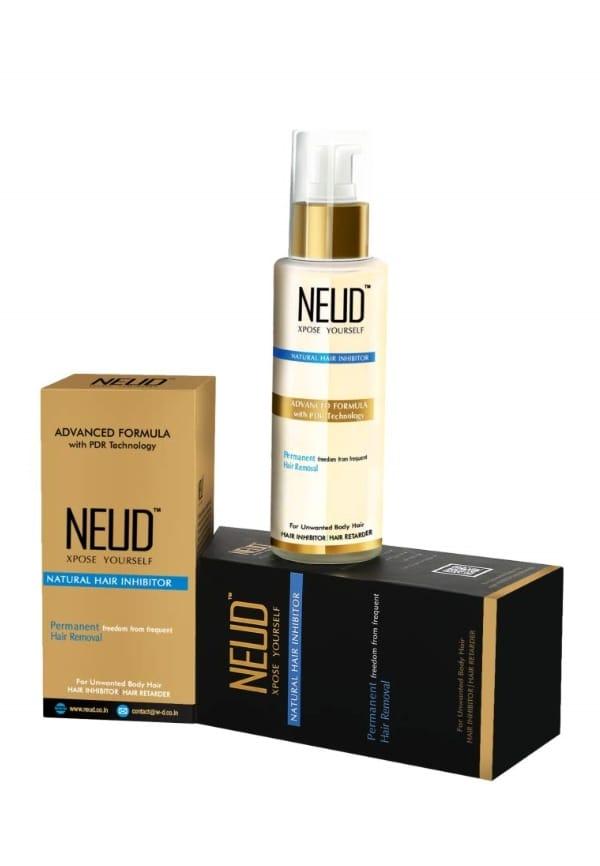
Natural Hair Inhibitor for Permanent Reduction of Unwanted Hair in Men and Women
Let's be real—dealing with unwanted facial hair can feel like a never-ending battle. Whether it's a few stray hairs or more noticeable growth, you're definitely not alone in wanting natural ways to manage it. The good news? There are plenty of gentle, natural methods that might help slow down facial hair growth without harsh chemicals or expensive treatments. From tweaking your diet to trying herbal remedies for excess hair, these approaches work with your body's natural processes. Ready to discover some game-changing techniques that could become your new go-to routine?
Facial hair growth in women is more common than you might think, and it's usually totally normal. Your hair follicles respond to hormones, genetics, and various lifestyle factors that can influence how much and how fast hair grows on your face.
Several factors can contribute to increased facial hair growth:
• Hormonal imbalances - particularly elevated androgen levels
• Polycystic ovary syndrome (PCOS) - affecting millions of women worldwide
• Genetics - thanks, family genes!
• Certain medications - including some steroids and hormonal treatments
Your body's testosterone levels basically control how much facial hair you grow. When these hormone levels spike or your skin becomes more sensitive to them, hair follicles can become more active. Understanding this connection is crucial for effective skincare for hirsutism and choosing the right gentle approaches for prevention.
Your plate might hold the secret to managing facial hair growth naturally. What you eat directly impacts your hormone levels, making diet tips for hair management a brilliant starting point. A balanced approach focusing on whole foods can help regulate insulin and androgen levels, potentially slowing down unwanted hair growth. The key is maintaining stable blood sugar levels and supporting your body's natural hormone production. Think of it as feeding your skin from the inside out—when your hormones are happy, your hair follicles tend to behave better too.
Certain foods can support hormonal balance for hair reduction:
• Spearmint tea - traditionally believed to help balance hormones
• Flaxseeds - rich in lignans that help balance hormones
• Green leafy vegetables - packed with vitamins that support hormone metabolism
• Fatty fish - omega-3s help reduce inflammation and support hormone health
• Cinnamon - may help improve insulin sensitivity
Some foods might worsen hormonal imbalances:
• Refined sugars and processed foods - can spike insulin levels
• Dairy products - may increase androgen activity in some people
• High-glycemic foods - white bread, pastries, and sugary snacks
• Trans fats - found in many processed and fried foods Limiting these foods helps maintain stable blood sugar and may reduce hormonal triggers for hair growth.
Topical treatments for facial hair can work wonders when used consistently. These nature-based solutions gently work on hair follicles over time, potentially slowing growth and making hair finer. The best part? Most ingredients are probably already in your kitchen cupboard. Consistency is your best friend here—holistic techniques take time to show results, but they're gentler on your skin than aggressive chemical treatments.
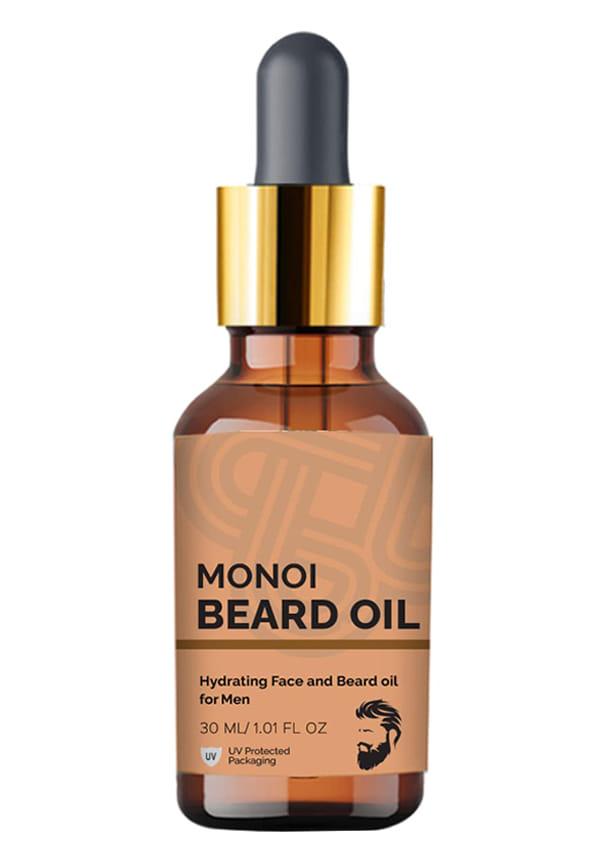
Natural Monoi Beard Oil for Men
Turmeric and chickpea flour create a powerhouse combination that's been used for centuries: • Mix 2 tablespoons chickpea flour with 1 teaspoon turmeric powder • Add milk or rose water to form a paste • Apply against hair growth direction, let dry for 15-20 minutes • Gently scrub off in circular motions 2-3 times weekly This mask may help weaken hair roots whilst gently exfoliating your skin.
Several essential oils show promise as facial hair growth inhibitors:
• Tea tree oil - mix 2-3 drops with a carrier oil
• Lavender oil - known for its hormone-balancing properties
• Spearmint oil - may help reduce androgen levels Always dilute essential oils and do a patch test first—your skin will thank you for being cautious.
Exfoliation techniques for hair prevention work by keeping hair follicles clear and potentially disrupting the growth cycle. Regular exfoliation removes dead skin cells that can trap hairs and may help weaken emerging hair shafts. It's like giving your skin a fresh start every time. The trick is finding the right balance—too much exfoliation can irritate your skin, whilst too little won't give you the benefits you're after.
Gentle physical exfoliation can help manage facial hair: • Use a soft facial brush or clean washcloth in circular motions • Try dry brushing with a clean, soft brush before cleansing • Limit physical exfoliation to 2-3 times per week • Always follow with a gentle moisturiser Be extra gentle around sensitive areas like your upper lip and chin.
Mild chemical exfoliants can complement your routine:
• Alpha hydroxy acids (AHAs) like lactic acid—these are gentle acids that dissolve dead skin
• Beta hydroxy acids (BHAs) like salicylic acid penetrate deeper into pores • Start with lower concentrations and use 1-2 times weekly • Always use sunscreen when using chemical exfoliants
Herbal remedies for excess hair have been used across cultures for generations, and modern research is starting to back up some traditional wisdom. These natural supplements work by supporting your body's hormone regulation systems, potentially reducing the signals that trigger excessive hair growth. Remember, supplements aren't magic bullets—they work best as part of a holistic approach to managing facial hair naturally.
Several herbs show promise for hormonal balance:
• Saw palmetto - traditionally used for hormone support
• Chasteberry (Vitex) - traditionally used to balance female hormones
• Red clover - contains phytoestrogens that may help hormone balance
• Nettle root - might help reduce free testosterone levels
• Licorice root - contains compounds that may lower androgen activity
Before starting any herbal supplement routine: • Consult with a healthcare provider, especially if you take medications • Start with one herb at a time to monitor effects • Be patient—herbal supplements typically take 2-3 months to show results • Check for interactions with birth control or other hormonal treatments
Stress is basically your hormones' worst enemy. When you're constantly stressed, your body produces more cortisol, which can mess with other hormones and potentially trigger more facial hair growth. Managing stress isn't just good for your mental health—it's a crucial part of natural hair management. The mind-body connection is real, and your hair follicles are listening to what's happening in your head. Chronic stress can disrupt the delicate balance of hormones that control hair growth patterns.
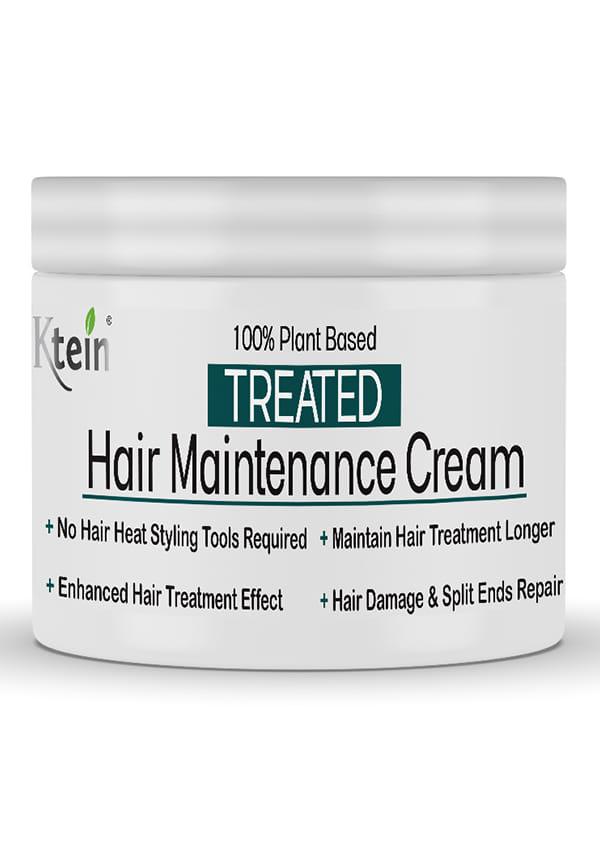
100% Plant Based Treated Hair Maintenance Cream Natural
Effective stress management methods include:
• Regular meditation - even 10 minutes daily can help
• Deep breathing exercises - try the 4-7-8 technique
• Yoga or gentle stretching - combines movement with mindfulness
• Regular sleep schedule - aim for 7-9 hours nightly
• Journaling - helps process emotions and reduce mental clutter
Stress affects hair growth through multiple pathways. High cortisol levels can increase insulin resistance, which may worsen hormonal imbalances. Additionally, stress can trigger inflammatory responses that affect hair follicle behaviour. Long-term stress management supports overall skin health and may help create an environment less favourable for excessive hair growth.
Whilst prevention is ideal, sometimes you need natural hair removal methods that work alongside your prevention routine. These traditional techniques have been trusted for centuries and offer gentle alternatives that are easier on your skin and wallet. The beauty of natural removal methods is that they often become less necessary over time as prevention techniques start working their magic.
These ancient techniques offer precise, natural hair removal:
• Threading uses a twisted cotton thread to pluck hairs from the root
• Sugaring uses a paste made from sugar, lemon, and water
• Both methods can weaken hair follicles over time with regular use
• Less irritating than waxing and completely natural • Results vary, but many people notice changes after consistent use for several weeks to months
Make your own natural hair removal paste: • Mix 2 cups sugar, 1/4 cup lemon juice, and 1/4 cup water • Heat until it reaches a honey-like consistency • Let cool slightly and apply against hair growth • Remove quickly in the direction of hair growth • Always test temperature before applying to avoid burns
Proper skincare isn't just about looking good—it's a fundamental part of managing facial hair naturally. Well-hydrated, healthy skin creates an environment that's less likely to support excessive hair growth. Think of good skincare as creating the perfect foundation for all your other prevention methods to work effectively. Healthy skin barrier function helps regulate sebum production and may influence hair follicle activity. When your skin is balanced and well-maintained, it's better equipped to respond to natural prevention methods.
Proper hydration affects every aspect of skin health: • Well-hydrated skin maintains better barrier function • Adequate water intake supports healthy hormone metabolism • Aim for 8-10 glasses of water daily • Dehydrated skin may become more sensitive to hormonal fluctuations • Proper hydration supports the effectiveness of topical treatments
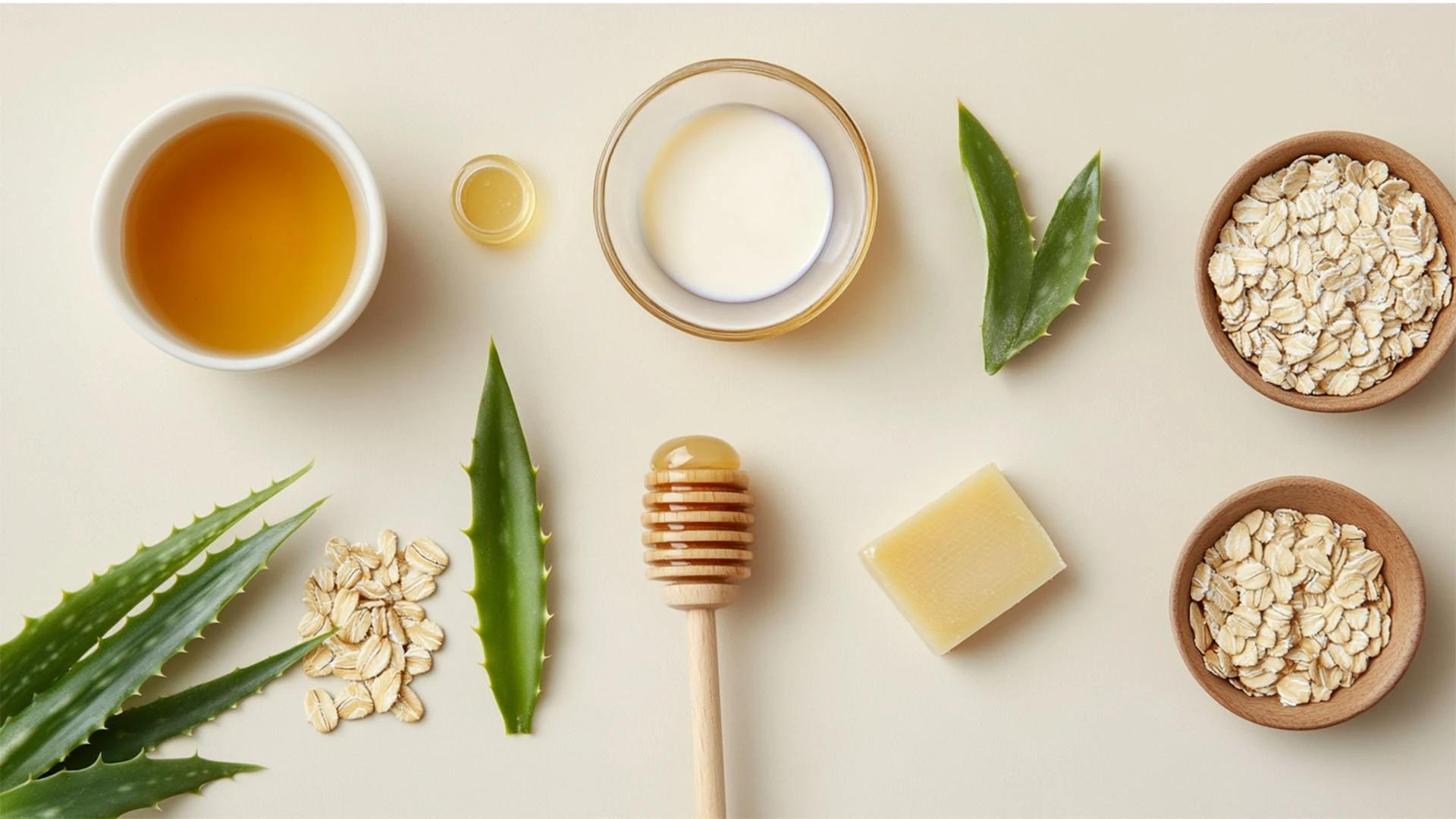
Certain natural ingredients may help slow hair growth:
• Papaya enzymes - may help break down hair proteins
• Aloe vera - soothes skin and may have mild hair-reducing properties
• Oatmeal - provides gentle exfoliation and skin-soothing benefits
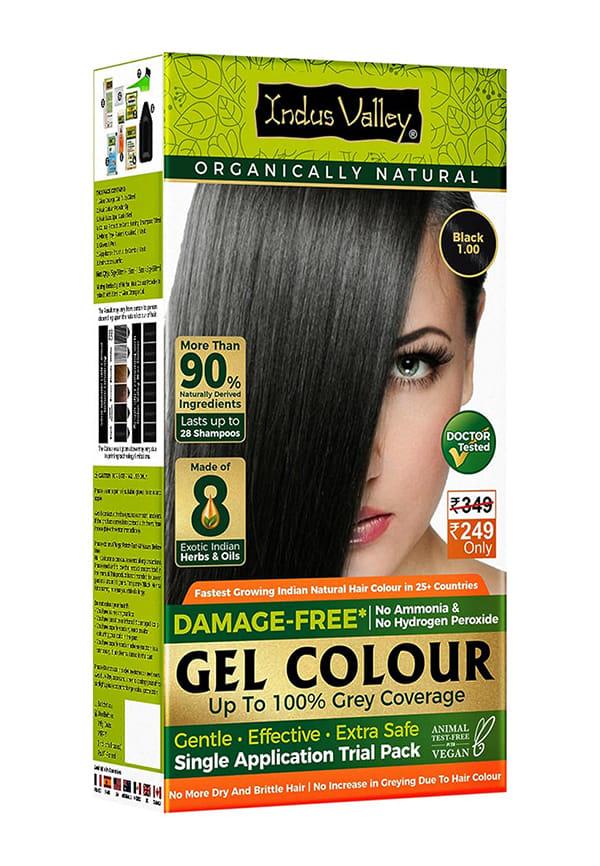
Damage Free Natural Gel Hair Colour for Women
Amazing Product
 4
4“amazing product 😁😁😁😁😁😁😁😁”
Amazing Product
4“amazing product 😁😁😁😁😁😁😁😁”
Amazing Product
4“amazing product 😁😁😁😁😁😁😁😁”
• Honey - natural antibacterial properties support skin health
• Cucumber extract - cooling and anti-inflammatory Incorporate these into face masks or gentle cleansers for daily benefits.
Movement is medicine, especially when it comes to hormone balance. Regular exercise helps regulate insulin levels, reduce stress hormones, and support healthy circulation—all factors that can influence facial hair growth. You don't need to become a fitness fanatic; even moderate activity can make a real difference. Exercise also improves overall insulin sensitivity, which is crucial for managing conditions like PCOS that can contribute to excess facial hair growth.
Focus on activities that support hormonal balance:
• Cardio exercise - 150 minutes of moderate activity weekly
• Strength training - 2-3 sessions per week help improve insulin sensitivity
• Yoga - combines movement with stress reduction
• Walking - simple but effective for hormone regulation
• Swimming - low-impact full-body exercise
Regular physical activity provides multiple skin and hormone benefits. Exercise improves circulation, delivering nutrients to hair follicles and skin cells whilst helping remove toxins. It also supports healthy sleep patterns, which are crucial for hormone regulation. Over time, consistent exercise may help create hormonal conditions less favourable for excessive hair growth whilst improving overall skin texture and health.
Androgens, particularly testosterone, are the primary hormones responsible for facial hair growth in females. When androgen levels are elevated or when the skin becomes more sensitive to these hormones, it can lead to increased facial hair growth.
There are several methods to remove facial hair, ranging from temporary to more permanent solutions: • Shaving - quick but temporary • Plucking or threading - lasts longer but can be time-consuming • Waxing or sugaring - removes hair from the root • Depilatory creams - dissolve hair at the skin's surface • Laser hair removal - reduces hair growth over time • Electrolysis - offers permanent hair removal Choose a method based on your skin sensitivity, hair type, and desired results.
Natural methods may significantly slow down facial hair growth and make hair finer over time, but permanent removal typically requires professional treatments like electrolysis for permanent results. However, consistent use of natural prevention methods can lead to long-term reduction in hair thickness and growth rate.
Results vary, but many people notice changes after consistent use for several weeks to months. Hormonal changes take time to stabilize, so consistency is key for seeing lasting improvements.
Natural methods are generally safer than chemical treatments, but some people may experience mild skin irritation from topical treatments or digestive upset from herbal supplements. Always patch test new topical treatments and consult healthcare providers before starting supplements.
Whilst diet plays a crucial role in hormone regulation, it's most effective when combined with other natural methods. A balanced diet supports overall hormonal health, but addressing facial hair growth typically requires a multi-faceted approach including topical treatments and lifestyle changes.
Consult a healthcare provider if you experience sudden changes in hair growth patterns, if facial hair is accompanied by other symptoms like irregular periods or weight gain, or if natural methods aren't providing satisfactory results after 6 months of consistent use.
Managing facial hair naturally is absolutely doable with the right combination of methods and a good dose of patience. From balancing your diet to trying herbal remedies, these eight approaches work together to address the root causes of unwanted hair growth. Remember, what works brilliantly for your friend might need tweaking for your skin type and lifestyle. The key is finding your perfect combination and sticking with it long enough to see results. Natural methods are gentler on your skin and wallet, making them worth a try for long-term hair management. Whether you're dealing with a few stray hairs or more noticeable growth, these techniques can help you feel more confident in your skin. Finding the right products for your routine doesn't have to be guesswork. Smytten's curated trial packs let you test different skincare ingredients mentioned here—from gentle exfoliants to soothing treatments—before committing to full sizes. This approach makes your journey to effective facial hair management both affordable and stress-free. This content is for informational purposes only and doesn't replace professional medical advice. Always consult healthcare providers before starting new treatments.
