7 Winter Skincare Secrets for Dewy, Hydrated Skin


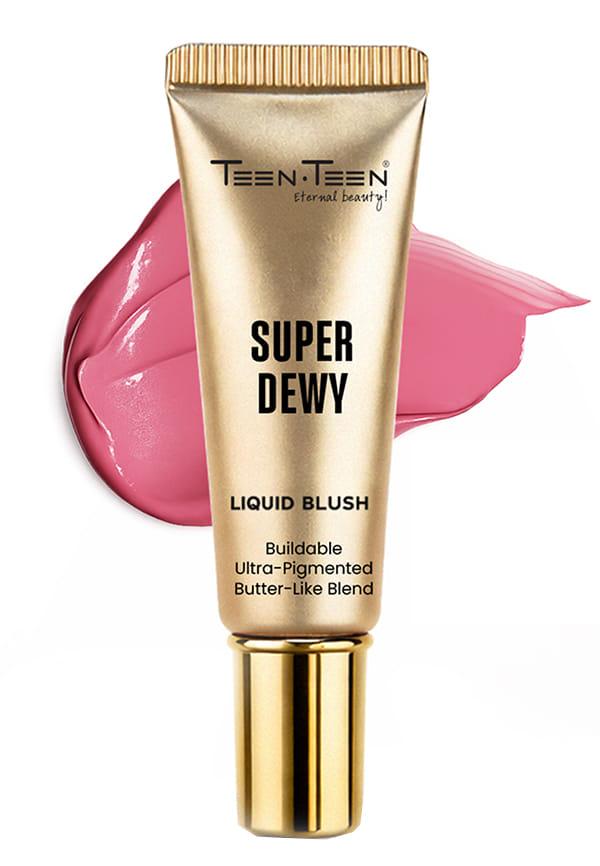
Dewy Liquid Blusher
Tiny but pigmented blusher
 5
5“It says full size, but it is a tiny blusher but is very very pigmented”
Tiny but pigmented blusher
5“It says full size, but it is a tiny blusher but is very very pigmented”
Tiny but pigmented blusher
5“It says full size, but it is a tiny blusher but is very very pigmented”
Winter's here, and your skin's probably sending you some not-so-subtle hints. That tight, flaky feeling? The way your usual glow seems to have packed up and left for warmer climates? You're not imagining it. Cold air, indoor heating, and plummeting humidity levels team up to wreak havoc on your skin's moisture barrier, leaving you looking more matte than magnificent. But here's the thing—achieving that coveted dewy skin routine winter glow isn't some impossible dream. With the right winter skincare secrets up your sleeve, you can maintain that healthy, hydrated radiance even when the temperature drops. These seven game-changing tips will transform your winter skincare approach, helping you say goodbye to dull, parched skin and hello to that enviable winter glow everyone will be asking about.
Let's get real about what winter actually does to your skin. When temperatures drop, humidity levels plummet—sometimes to as low as 10-20% compared to the ideal 40-60% your skin craves. Your skin's natural moisture barrier, which usually does a brilliant job keeping hydration in and irritants out, starts to break down under this stress. Indoor heating makes things worse by creating an even drier environment. Those cosy radiators and central heating systems are basically moisture-sucking machines, pulling water from your skin faster than you can say "winter skincare routine." The result? Your skin goes into survival mode, producing less natural oil and struggling to maintain its protective barrier. Visually, this shows up as tightness, flakiness, dullness, and that dreaded ashy appearance. Fine lines might seem more pronounced, and your usual products might suddenly feel like they're not cutting it. Your skin isn't being dramatic—it's genuinely struggling to cope with the environmental assault.
Here's where most people get winter skincare wrong—they think gentler means skipping steps. Actually, winter skincare tips start with proper cleansing, and double cleansing is your secret weapon against dry skin winter woes. Start with an oil-based cleanser to dissolve makeup, sunscreen, and daily grime without stripping your skin. Oil cleansing actually helps maintain your skin's natural moisture barrier whilst thoroughly cleaning. Look for cleansing oils with nourishing ingredients like jojoba or argan oil. Follow with a gentle, cream-based second cleanser—skip anything foaming or gel-based during winter months. These can be too harsh when your skin's already compromised. The key is using lukewarm water, not hot. Hot water feels lovely but strips away natural oils your skin desperately needs to retain.
That steamy hot shower might feel amazing, but it's sabotaging your skin goals. Lukewarm water preserves your skin's natural protective oils whilst still effectively cleansing.
Dry skin benefits from oil cleansers with ceramides or hyaluronic acid. Combination skin should look for lightweight oils that won't clog pores. Even oily skin needs gentler cleansing in winter—your skin might be producing less oil than usual.
This is where your hydrating skincare routine gets strategic. Serums are concentrated moisture bombs, and layering them correctly can transform parched skin into a dewy dream. The golden rule? Apply from thinnest to thickest consistency. Hyaluronic acid serum should be your winter MVP. This ingredient can hold up to 1,000 times its weight in water, making it perfect for skin hydration winter challenges. Apply it to slightly damp skin—this gives the hyaluronic acid moisture to grab onto and lock in. Next, layer a niacinamide serum if your skin tolerates it. Niacinamide helps strengthen your skin barrier and reduces water loss. Finally, if you're using any treatment serums (like vitamin C in the morning or retinol at night), these typically go last in your serum lineup.
Wait 30-60 seconds between each serum layer. This prevents pilling and ensures each product absorbs properly before the next application.
You can mix compatible serums in your palm before applying. Hyaluronic acid plays well with most ingredients, making it perfect for cocktailing with other hydrating serums.
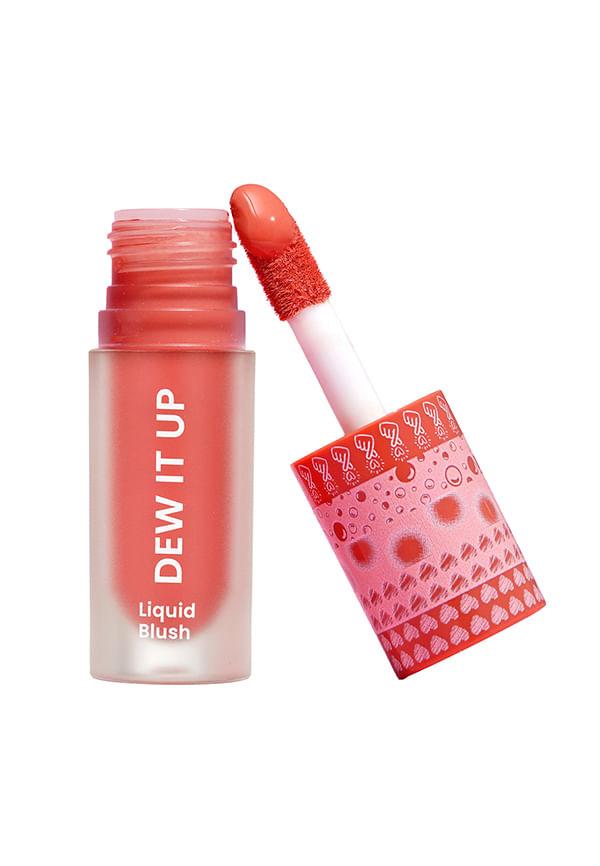
Swiss Beauty Dew It Up Liquid Blush
Good Item at Low Price
5“badhiya item h wo bhi itne kam price m”
Very Good Product
5“toooooooo much good product thanks”
Very Good Product
5“toooooooo much good product thanks”
Finding the best winter moisturiser isn't about grabbing the thickest cream you can find—it's about understanding what your skin actually needs. Winter calls for richer formulations, but the right choice depends on your skin type and concerns. Cream-based moisturisers with ceramides, glycerin, and niacinamide work brilliantly for most skin types during winter. Ceramides help repair and strengthen your moisture barrier, glycerin draws moisture from the environment, and niacinamide reduces inflammation and water loss. For very dry skin, look for moisturisers with petrolatum or dimethicone—these create a protective seal that prevents moisture loss. If you're acne-prone, don't skip moisturiser thinking it'll make breakouts worse. Instead, choose lightweight, non-comedogenic formulas with hyaluronic acid.
Your morning moisturiser should be lighter and play well under sunscreen and makeup. Evening moisturisers can be richer and more occlusive since you're not layering other products on top.
Squalane mimics your skin's natural oils and absorbs beautifully. Shea butter provides deep nourishment without feeling heavy. Avoid alcohol-based products that can further dry your skin.
Face oils are the ultimate dewy skin tips secret weapon, but using them correctly makes all the difference. The goal isn't to look like you've dunked your face in oil—it's to achieve that subtle, healthy glow that screams good skin. For dry skin, rosehip or argan oil work beautifully. Combination skin benefits from lightweight oils like jojoba or squalane. Even oily skin can benefit from face oils in winter—try tea tree or grapeseed oil to balance without over-drying. The application method matters hugely. Warm 2-3 drops between your palms, then press gently into your skin rather than rubbing. This prevents disturbing your other skincare layers and ensures even distribution.
Mix 1-2 drops of face oil with your moisturiser for a custom hydrating blend. This gives you the benefits of oil without the potentially heavy feeling.
Face oils typically go after serums but before moisturiser, unless you're mixing them together. In the morning, use sparingly to avoid interfering with sunscreen application.
Exfoliation during winter requires a delicate balance. Your skin needs help removing dead cells that make it look dull, but over-exfoliation can damage an already compromised moisture barrier. This is crucial skincare for dry skin during colder months. Chemical exfoliation with gentle AHAs like lactic acid works better than physical scrubs in winter. Lactic acid is particularly brilliant because it exfoliates whilst also providing hydrating benefits. Start with once or twice weekly and adjust based on how your skin responds. Avoid harsh ingredients like high-concentration glycolic acid or strong retinoids unless your skin is well-adjusted to them. Your skin is already stressed from environmental factors—don't add more irritation to the mix.
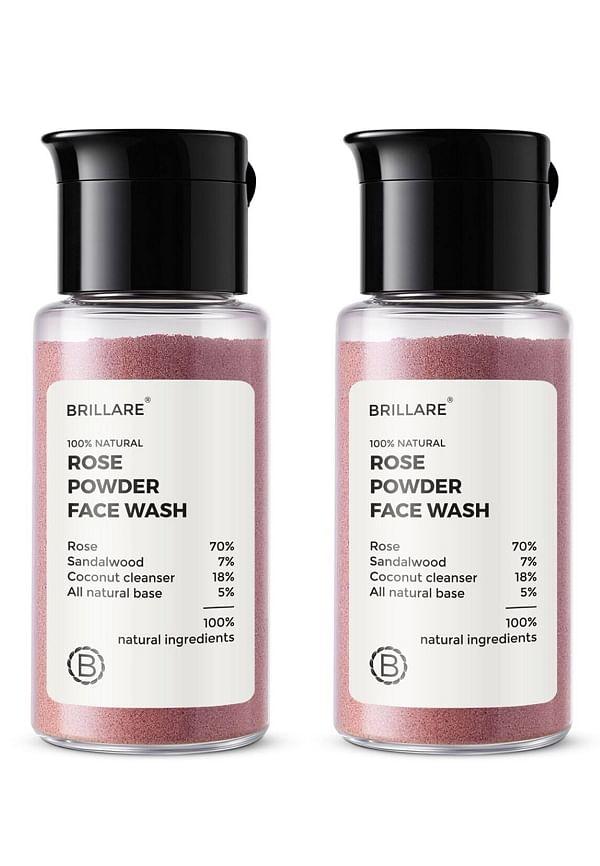
Rose Powder Face Wash Combo For Hydrated, Younger Looking Skin
Great Product!
5“Good product for this rage go for it”
Must Try Product
4“nice product must Try this once”
Always follow exfoliation with extra hydration. Your newly revealed skin cells are more receptive to moisturising ingredients, making this the perfect time to apply your most nourishing products.
Dry skin should exfoliate 1-2 times per week maximum. Combination skin can handle 2-3 times weekly. Always listen to your skin—if it feels tight or irritated, scale back.
Your winter skincare products are only part of the equation. Environmental factors play a massive role in maintaining healthy, hydrated skin during colder months. Invest in a humidifier for your bedroom—aim for 40-50% humidity. This single change can dramatically improve your skin's hydration levels overnight. Place it near your bed but not so close that it creates condensation issues. Sunscreen remains non-negotiable, even in winter. UV rays reflect off snow and can cause damage year-round. Choose a moisturising sunscreen with at least SPF 30 to kill two birds with one stone. Hydration from within matters too. Drink plenty of water, but also consider herbal teas and water-rich foods. Your skin reflects your overall hydration status, so internal hydration supports external efforts.
Keep indoor temperatures moderate—overheating dries out the air and your skin. Consider adding houseplants that naturally increase humidity levels.
Poor sleep and high stress increase cortisol levels, which can impair your skin barrier function. Prioritise good sleep hygiene and stress management for better skin health.
Now let's put it all together into a comprehensive dewy skin routine winter schedule that actually works. Consistency is key—your skin needs time to adjust and repair. Morning routine starts with gentle cleansing (just your second cleanser if you're not wearing makeup to bed), followed by hydrating serums on damp skin. Apply your day moisturiser, then face oil if needed, and finish with sunscreen. Keep morning oils light to avoid interfering with makeup application. Evening routine includes double cleansing, followed by any treatment serums, then hydrating serums, face oil, and night moisturiser. This is when you can go richer with your products since you're not layering makeup on top. Weekly treatments include gentle exfoliation 1-2 times and a hydrating mask once weekly. Listen to your skin—if it's feeling particularly dry or stressed, skip exfoliation and focus on hydration instead.
Always apply products from thinnest to thickest consistency. Water-based serums go before oil-based products, which go before creams and moisturisers.
If products are pilling, you're applying too much or not waiting long enough between layers. If skin feels tight after cleansing, your cleanser is too harsh. If breakouts increase, you might be over-moisturising or using comedogenic ingredients. Smytten makes discovering your perfect winter skincare routine incredibly simple and affordable. As India's largest product discovery platform, you can try mini versions of over 1,500 trusted skincare brands before committing to full sizes. This approach is particularly brilliant for winter skincare, when you might need to switch up your routine and try new products to combat seasonal skin changes.
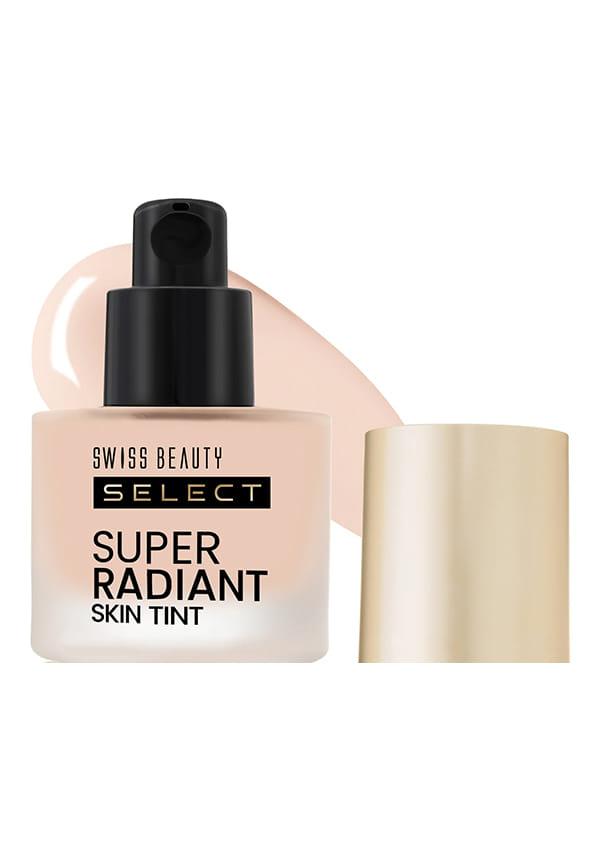
Select Super Radiant Hydrating Skin Tint
Extremely Good Product
5“toooooooo much good product thanks”
Extremely Good Product
5“toooooooo much good product thanks”
Love it! Natural Look
5“lovet it so lite weight i m loving this giving very natural look on my face”
You'll typically notice immediate improvements in skin comfort and hydration within a few days. Visible improvements in texture and glow usually appear within 2-4 weeks of consistent use.
Whilst some core products can stay consistent, winter typically requires richer moisturisers, gentler cleansing, and more hydrating serums compared to summer routines.
Avoid alcohol-based toners, harsh physical scrubs, and high-concentration acids unless your skin is well-adjusted. Fragrance can also be more irritating when your skin barrier is compromised.
Signs include persistent tightness, increased sensitivity, slow healing of minor irritations, and products that usually work well suddenly causing irritation.
Absolutely. Lower humidity, indoor heating, and cold winds all contribute to increased water loss from your skin. It's your skin's natural response to environmental stress.
Dry skin lacks oil production, whilst dehydrated skin lacks water. You can have oily but dehydrated skin, which is common in winter due to environmental factors.
Achieving that coveted winter glow isn't about completely overhauling your routine—it's about making strategic adjustments that support your skin through seasonal challenges. These seven secrets work together to create a comprehensive approach to winter skincare that addresses both immediate comfort and long-term skin health. Remember, consistency trumps perfection every time. Start with one or two changes and gradually build your routine. Your skin will thank you for the gentle, thoughtful approach rather than a dramatic overnight switch. The beauty of modern skincare discovery is that you don't have to guess what works for your skin. With platforms like Smytten offering trial-sized versions of premium skincare products, you can experiment with different formulations and brands until you find your perfect winter skincare combination. After all, why settle for maybe when you can try it all and discover what truly makes your skin glow, even in the depths of winter?
