7 Winter-Safe Acids for Gentle Skin Exfoliation


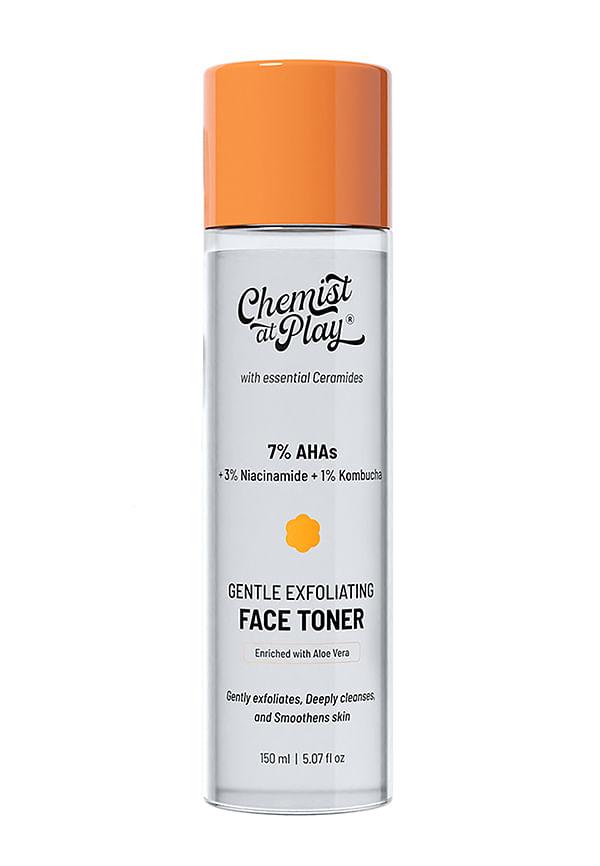
Glycolic Acid Face Toner for Gentle Exfoliation & Skin Hydration
Truly Good Toner
 5
5“truly good toner one must give it a try”
Truly Good Toner
5“truly good toner one must give it a try”
Truly Good Toner
5“truly good toner one must give it a try”
Winter's here, and your skin's probably feeling it. The cold air, indoor heating, and low humidity can leave your complexion looking dull and feeling rough. Your first instinct might be to reach for that trusty exfoliating acid that worked wonders in summer, but hold up. Winter skin needs a gentler approach. The same acids that gave you that glow in warmer months could now leave you red, irritated, and dealing with a compromised skin barrier. That's where winter safe acids for exfoliation come in. These gentler alternatives can help you maintain smooth, radiant skin without the drama of over-exfoliation. Let's explore seven acids that'll keep your skin happy through the colder months.
Winter weather is basically your skin's nemesis. When temperatures drop, humidity levels plummet, and your skin's natural barrier function takes a hit. Your sebaceous glands slow down oil production, leaving your skin drier than usual. Meanwhile, indoor heating systems are working overtime, creating an environment that's even more dehydrating. This perfect storm means your skin becomes more sensitive to exfoliation. What felt refreshing in July might feel like sandpaper in January. Your skin's protective barrier is already working harder to retain moisture, so aggressive exfoliation can push it over the edge into irritation territory. The key is recognising when your current routine needs adjusting. If your usual acids are causing stinging, persistent redness, or making your skin feel tight, it's time to switch to gentler alternatives. Your skin will thank you for the consideration.
Not all acids are created equal, especially when it comes to winter skincare. Understanding the differences between AHAs, BHAs, and PHAs can help you make smarter choices for your winter skincare routine. AHAs (alpha hydroxy acids) work on the skin's surface, breaking down the bonds between dead skin cells. BHAs (beta hydroxy acids) are oil-soluble, so they can penetrate deeper into pores. PHAs (polyhydroxy acids) have larger molecular structures, making them the gentlest option for sensitive skin exfoliation. The magic is in the molecular size and pH levels. Smaller molecules penetrate deeper but can be more irritating. Larger molecules work more slowly and gently. pH also matters—the lower the pH, the more active (and potentially irritating) the acid becomes. Some acids also have hydrating properties, making them perfect for winter use. These multitaskers exfoliate whilst adding moisture back to your skin, rather than just stripping it away.
Here's your lineup of gentle exfoliators that won't leave your skin feeling like the Sahara. Each one brings something different to the table, so you can find your perfect match.
PHAs are the gentle giants of the acid world. Think gluconolactone and lactobionic acid—these have larger molecular structures that can't penetrate as deeply as their smaller cousins. This means they're perfect for PHA for exfoliation without the irritation. What makes them brilliant for winter is their built-in hydrating properties. They actually help your skin retain moisture whilst gently removing dead cells. If you've got ultra-sensitive or compromised skin, PHAs are your safest bet.
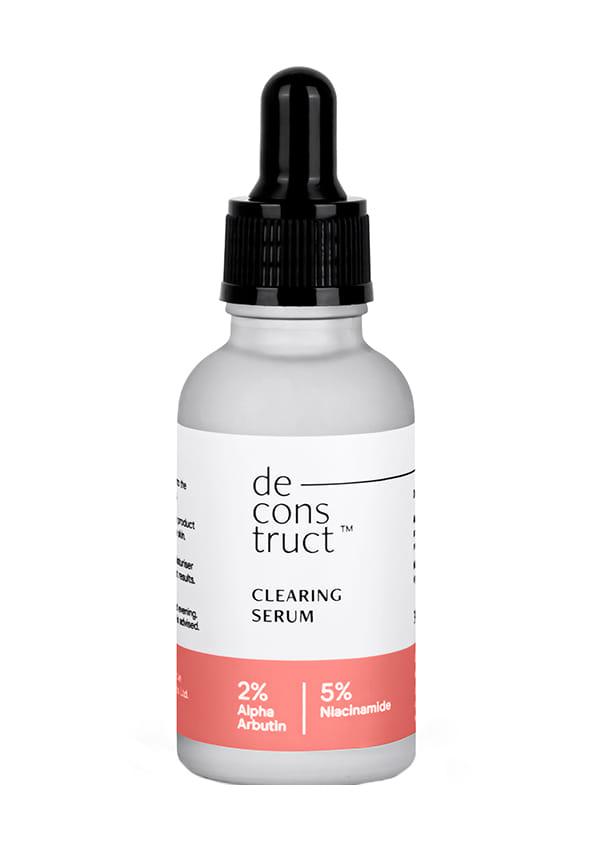
Clearing Serum - 5% Niacinamide Face Serum with Alpha Arbutin
Product not good, good packaging
4“itna fi accha nahi hai pekeging good parodct behtar nahi hai”
Good on skin
5“I love the product and this working good on my skin.”
Good Package and Quality for Face
5“good package and quality good for face”
Lactic acid deserves all the hype it gets. As a larger AHA molecule, it works more gently than glycolic acid, plus it's a natural humectant. This means it draws moisture to your skin whilst exfoliating—exactly what you need in winter. The lactic acid benefits extend beyond just exfoliation. It helps improve skin texture, reduces fine lines, and gives you that subtle glow without the harsh aftermath. Stick to 5-10% concentrations for winter use, and you'll get all the benefits without the irritation.
Derived from bitter almonds, mandelic acid has the largest molecular structure of all AHAs. This makes it the slowest to penetrate, which translates to minimal irritation. Mandelic acid for skin is particularly brilliant if you're dealing with both sensitivity and occasional breakouts. It also has natural antibacterial properties, making it a smart choice for those who need gentle exfoliation but still want to keep blemishes at bay. It's like having your cake and eating it too.
Azelaic acid is a bit of an overachiever. It exfoliates gently whilst reducing inflammation and fighting bacteria. Naturally occurring in grains, it's one of the best acids for dry skin because it doesn't strip your skin's natural oils. What's brilliant about azelaic acid is that it's safe for daily use, even in winter. It's particularly good for rosacea-prone skin or anyone dealing with persistent redness. Think of it as your skin's personal bodyguard.
If you want to avoid traditional acids altogether, fruit enzymes are your answer. Papain from papaya and bromelain from pineapple offer non-irritating exfoliation that's perfect for winter. These enzymes have a self-limiting action—they stop working once they've done their job, which prevents over-exfoliation. They're ideal for those days when your skin feels particularly sensitive but still needs a gentle refresh.
Glycolic acid doesn't have to be off-limits in winter—you just need to use it smarter. Stick to 5% or lower concentrations, and you can still get those immediate smoothing effects without the harsh aftermath. This is perfect for experienced acid users who want to maintain their routine but need to dial back the intensity. Just remember, less is definitely more when it comes to winter exfoliation.
![Glycolic Bright 8% [Melasyl + Niacinamide] Face Serum](/blogs/_next/image?url=https%3A%2F%2Fsmytten-image.gumlet.io%2Fshop_item%2FLLP0797BB12Q1.jpg&w=3840&q=75)
Glycolic Bright 8% [Melasyl + Niacinamide] Face Serum
Loved the serum
5“Lived it. Very noce serum…………zz”
Loved the serum
5“Lived it. Very noce serum…………zz”
Loved the serum
5“Lived it. Very noce serum…………zz”
Even oily skin needs gentler treatment in winter. Low-concentration salicylic acid (0.5-1%) can help maintain clear pores without over-drying your skin. Its anti-inflammatory properties make it one of the more tolerable gentle exfoliating acids for winter use. Being oil-soluble, it can still do its job of keeping pores clear, but at a concentration that won't leave your skin feeling stripped.
Knowing which acids to use is only half the battle. How you use them makes all the difference between glowing skin and an irritated mess. Start with patch testing any new acid, even if you've used stronger versions before. Winter skin behaves differently, and what worked in summer might not work now. Test on your inner arm for 24-48 hours before applying to your face. Frequency is crucial. Even with gentle acids, limit use to 1-3 times per week maximum. Your skin needs time to recover between treatments, especially when it's already dealing with winter stress. Timing matters too. Always apply acids in the evening, and follow up with a rich moisturiser. Consider buffering techniques—applying your acid over a light layer of moisturiser—to reduce potential irritation. On extreme weather days (think howling winds or sub-zero temperatures), skip the acids altogether. Your skin has enough to deal with without adding exfoliation to the mix.
Using winter-safe acids isn't just about the acid itself—it's about creating a supportive environment for your skin. Your winter skincare routine should include plenty of hydrating and barrier-repairing ingredients. Ceramides, hyaluronic acid, and niacinamide are your acid routine's best friends. They help repair and strengthen your skin barrier whilst the acids do their gentle exfoliating work. Think of them as the backup singers that make the main act shine. Sunscreen remains non-negotiable, even in winter. Acids can increase photosensitivity, and UV rays reflect off snow and ice. A broad-spectrum SPF 30 or higher should be part of your daily routine. Consider investing in a humidifier for your bedroom. Adding moisture back to the air helps counteract the drying effects of indoor heating and supports your skin's natural barrier function. When it comes to discovering these hydrating acids for skin, platforms like Smytten make it easier to try different formulations without committing to full-size products. With over 1,500 trusted brands and the ability to get up to 8 minis for just ₹249, you can experiment with different gentle acids to find what works best for your winter skin. The 100% cashback on trial purchases means you can explore options from brands like Cetaphil and Dot & Key risk-free.
Even with the best intentions, it's easy to make mistakes with winter acid use. Here are the pitfalls to avoid. Don't fall into the trap of over-exfoliating when your skin feels rough. Winter dryness can make your skin feel textured, but more exfoliation isn't always the answer. Sometimes your skin just needs more moisture. Avoid mixing multiple acids without proper spacing. Even gentle acids can become irritating when combined. Stick to one acid at a time, and alternate different types on different days if you want variety. Never skip moisturiser after acid application, even if your skin feels fine immediately after. Acids can cause delayed dryness, and winter air will only make it worse. Don't use your summer-strength concentrations just because you miss the results. Your skin's needs change with the seasons, and adapting your routine shows wisdom, not weakness.
Most winter-safe acids should be used 1-3 times per week maximum. Winter skin is more vulnerable to irritation, so daily use often leads to over-exfoliation and barrier damage.
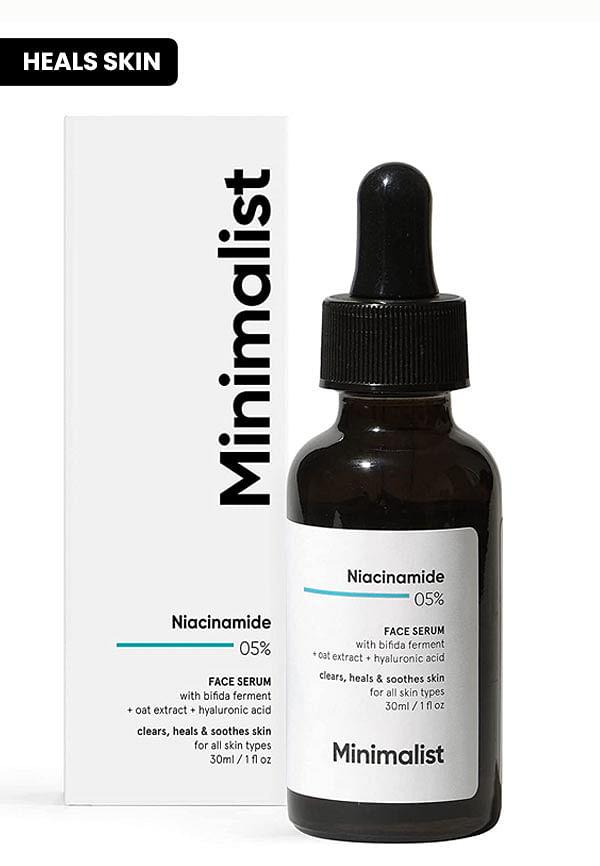
5% Niacinamide Face Serum For Glowing & Clear Skin With 1% Hyaluronic Acid
Effective for Skin Brightening
4“the product is very good and make my skin tone brighten”
Good Packaging & Skin Glow
4“the product is in good packaging and make my skin glow”
Best Niacinamide for Beginners
5“best niacinamide serum if you are beginner”
Polyhydroxy acids (PHAs) like gluconolactone are the gentlest option. They offer effective exfoliation with built-in hydrating properties and larger molecular structures that penetrate less deeply.
Yes, skin tightness indicates barrier compromise. Reduce frequency immediately and focus on hydration and barrier repair until your skin recovers its normal comfort level.
It's safer to alternate different acids on different days rather than mixing them. Even gentle formulations can become irritating when combined, especially on winter-compromised skin.
Watch for persistent redness, stinging, excessive flaking, or increased sensitivity that doesn't improve with reduced use. These are clear signs to switch to a gentler alternative.
Winter doesn't mean giving up on smooth, glowing skin—it just means being smarter about how you achieve it. These seven winter-safe acids prove that gentle doesn't mean ineffective. Whether you choose PHAs for ultra-sensitive skin or low-concentration glycolic for experienced users scaling back, there's an option that'll work for your skin's winter needs. The key is listening to your skin and adjusting accordingly. Start with the gentlest option and build tolerance gradually. Your skin will reward your patience with that healthy glow you're after, minus the irritation drama. Remember, finding your perfect winter acid routine might take some experimentation. With platforms like Smytten offering trial-sized products from trusted skincare brands, you can discover what works best for your skin without the commitment of full-size purchases. After all, why settle for maybe when you can try different gentle acids and find your perfect winter match?
