7 Winter Cracked Skin Healing Tips You Need Now

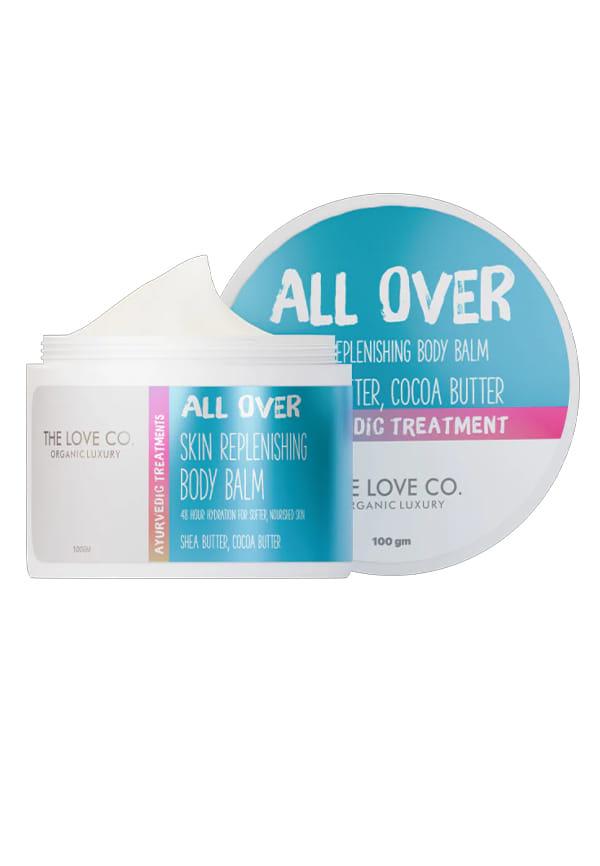
All Over Skin Replenishing Body Balm
Winter's here, and your skin's probably staging a full-scale rebellion. Those tiny cracks on your hands, the tight feeling after every wash, the constant urge to scratch—sound familiar? You're not alone. Winter weather is basically your skin's worst enemy, stripping away moisture faster than you can say "dry skin relief." But here's the thing: cracked skin doesn't have to be your winter reality. With the right winter cracked skin healing tips, you can turn your skin from flaky disaster to smooth perfection. Let's dive into seven game-changing strategies that actually work.
Let's be real—winter is tough on everyone, but your skin gets the worst of it. The science behind why your skin cracks in winter is actually pretty fascinating (and slightly terrifying). When temperatures drop, humidity levels plummet too, sometimes falling below 20%. Your skin, which normally loves a good 40-60% humidity level, basically goes into panic mode.
Indoor heating systems make things even worse. That cosy warmth you love? It's sucking every bit of moisture from the air—and your skin. Add in those brutal temperature swings between heated indoors and freezing outdoors, and your skin barrier starts breaking down. Wind exposure is the final nail in the coffin, increasing something called transepidermal water loss. Research shows skin loses up to 25% more moisture during winter months. No wonder your hands look like they've been through a desert storm.
Here's a skin hydration tip that sounds almost too simple to work, but trust us on this one. The 3-minute rule is your secret weapon against dry skin. The moment you step out of the shower or finish washing your hands, you've got exactly three minutes to lock in that moisture before it evaporates.
Your skin is like a sponge when it's damp—it's primed and ready to absorb whatever you put on it. This is when moisturising for dry skin becomes most effective. Choose products with ceramides, hyaluronic acid, or glycerin—these ingredients are moisture magnets. Apply using gentle upward strokes, and don't forget those often-missed spots like between your fingers and around your cuticles. This simple timing trick can make the difference between skin that stays soft all day and skin that's crying for help by lunchtime.
Your summer skincare routine needs a serious winter makeover. Think of it as switching from a light jacket to a proper winter coat—you need more protection when the weather gets harsh. A solid winter skincare routine isn't just about slapping on more moisturiser; it's about creating layers of defence.
Start with a gentle, cream-based cleanser that won't strip your skin. Follow with a hydrating toner (alcohol-free, obviously), then a serum with hyaluronic acid or niacinamide. Finish with a moisturiser that contains SPF—yes, even in winter. UV rays bounce off snow and can still damage your skin.
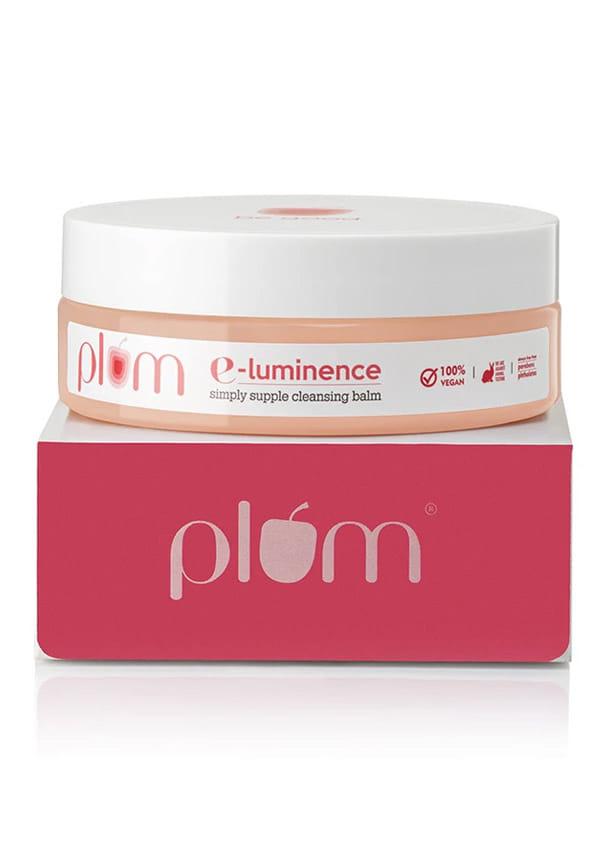
E-Luminence Simply Supple Cleansing Balm
Nice Balm, Gentle Feel
 5
5“Love it nice balm it smell so hood and feels grntle on your skin”
Nice Balm, Gentle Feel
5“Love it nice balm it smell so hood and feels grntle on your skin”
Nice Balm, Gentle Feel
5“Love it nice balm it smell so hood and feels grntle on your skin”
If you wear makeup, start with an oil-based cleanser to break everything down gently. Follow with your regular cleanser, then apply a repair serum with ingredients like peptides or retinol (start slow if you're new to retinol). End with a heavier night moisturiser—this is when you can really go to town with the rich, occlusive formulas.
Sometimes your skin is beyond basic moisturising—it's in full crisis mode with painful cracks and splits. This is when you need heavy-duty cracked skin treatment that works fast. For healing cracked hands and other severely affected areas, you need to think like a medic, not just a beauty enthusiast.
Petroleum jelly might not be glamorous, but it's incredibly effective for emergency repair. Apply a thick layer to cracked areas and cover with cotton gloves overnight—this creates an occlusive barrier that forces your skin to heal. For daytime, look for creams with 10-20% urea, which helps break down dead skin whilst providing intense moisture. Lactic acid in low concentrations (under 5%) can also help gently exfoliate whilst hydrating.
If cracks are deep, bleeding, or showing signs of infection (redness, warmth, pus), it's time to see a dermatologist. They might prescribe stronger treatments like topical corticosteroids or prescription-strength moisturisers. Don't mess about with infected skin—it can get serious quickly.
Before you roll your eyes at another "use honey for everything" suggestion, hear us out. Some dry skin remedies from your kitchen actually have solid science behind them. We're not talking about rubbing random food on your face—these are targeted chapped skin solutions with real benefits.
Colloidal oatmeal (finely ground oats) contains compounds called avenanthramides that reduce inflammation and itching. Add a cup to a lukewarm bath and soak for 15 minutes. Raw honey is a natural humectant, meaning it pulls moisture from the air into your skin. Apply a thin layer to clean hands, leave for 10 minutes, then rinse off.
Coconut oil contains fatty acids that help repair your skin barrier, but use it sparingly—a little goes a long way. Aloe vera gel (the real stuff, not the bright green kind with alcohol) provides cooling relief and contains compounds that promote healing. Mix equal parts aloe vera gel and honey for a 5-minute healing hand mask that actually works.
Sometimes the biggest barrier to healing cracked skin is what you're doing wrong. These common mistakes can actually make your dry skin relief efforts backfire, leaving you more frustrated than when you started.
Hot showers feel amazing when it's freezing outside, but they're basically torture for your skin. Hot water strips away your natural oils faster than anything else. Stick to lukewarm water and keep showers under 10 minutes. Over-exfoliation is another major culprit—those grainy scrubs might feel satisfying, but they're creating micro-tears in already compromised skin.
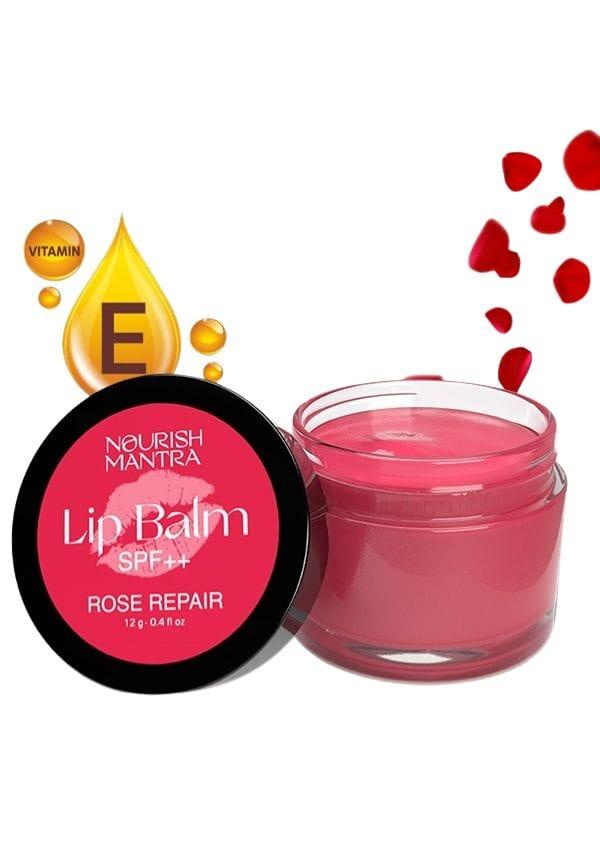
Rose Repair Lip Balm for Dry, Chapped and Dark Lips - 12 gm
Fragranced products are often the hidden villains in your skincare routine. That lovely lavender body wash could be the reason your skin won't heal. Switch to fragrance-free formulations, especially during winter. Alcohol-based toners are also off-limits—they'll dry you out faster than you can say "itchy skin relief." Instead, look for hydrating toners with ingredients like glycerin or hyaluronic acid.
Your environment plays a huge role in your skin's health, and winter environments are particularly brutal. But with a few smart environmental tweaks, you can create a skin-friendly bubble that supports your winter skincare routine 24/7.
Humidity is your best friend. Invest in a good humidifier and aim to keep indoor humidity between 40-60%. Place it in your bedroom first—you spend about 8 hours there, so it's the biggest bang for your buck. If you can't afford a humidifier for every room, try placing bowls of water near radiators or heating vents.
Your clothing choices matter more than you think. Natural fibres like cotton and silk are gentler on sensitive skin than synthetic materials, which can trap moisture and cause irritation. Silk pillowcases aren't just for your hair—they're also kinder to facial skin than cotton. And always, always wear gloves when it's cold outside. Your hands have thinner skin and fewer oil glands, making them extra vulnerable to cracking.
Basic moisturising is fine for normal skin, but winter-damaged skin needs advanced strategies. Think of this as the graduate-level course in moisturising for dry skin. The key is layering products in the right order and using ingredients that work synergistically.
Start with the thinnest consistency and work your way up. Apply a hydrating essence or toner first, then a hyaluronic acid serum whilst your skin is still damp. If your skin is really dry, add a few drops of face oil before your moisturiser—squalane and jojoba oil are particularly good for damaged skin barriers. Finish with your regular moisturiser, and at night, seal everything in with an occlusive agent like petroleum jelly or a sleeping mask.
Ingredient combinations can supercharge your skin hydration tips. Ceramides work brilliantly with niacinamide to repair and strengthen your skin barrier. Hyaluronic acid paired with glycerin creates a moisture-binding powerhouse. Squalane and peptides together support both hydration and skin repair. The key is patience—layer each product and give it a minute to absorb before applying the next.
Finding the right products for your specific skin needs can feel overwhelming, especially with so many options available. This is where platforms like Smytten become incredibly valuable. As India's largest product discovery and trial platform, Smytten connects you with over 1,500 trusted skincare brands including Cetaphil, Dot & Key, and Love, Beauty & Planet. Instead of committing to full-size products that might not work for your skin, you can try curated trial packs to discover what actually helps your winter skin concerns.
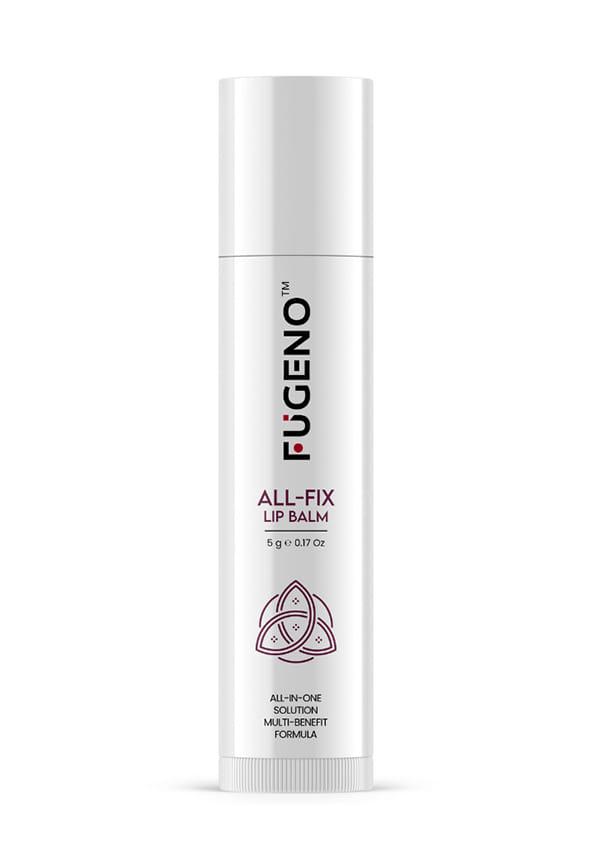
All-Fix Lip Balm
Healing time depends on severity and how consistently you follow your cracked skin treatment routine. Mild dryness usually improves within 3-7 days of proper care. Moderate cracking typically takes 1-2 weeks to heal completely. Severe cases with deep cracks might need 2-4 weeks of dedicated treatment. The key is consistency—skipping even one day can set back your progress.
For healing cracked hands, look for thick, occlusive formulations with ingredients like ceramides, urea (10-20%), or lanolin. Brands like Cetaphil and Eucerin make excellent heavy-duty hand creams. Apply immediately after washing your hands and reapply throughout the day. At night, slather on a thick layer and wear cotton gloves to maximise absorption.
Absolutely. Omega-3 fatty acids from fish, walnuts, and flaxseeds help maintain your skin barrier. Staying hydrated is crucial—aim for 8 glasses of water daily, more if you're in heated environments. Foods rich in vitamins A, C, and E also support skin health. Avoid excessive alcohol and caffeine, which can dehydrate you from the inside out.
See a professional if cracks are deep, bleeding, or showing signs of infection like redness, warmth, or pus. If your skin doesn't improve after 2-3 weeks of consistent treatment, or if you develop painful fissures that interfere with daily activities, it's time for expert help. You might have an underlying condition like eczema that needs prescription treatment.
Not necessarily. Some of the most effective dry skin remedies are simple, affordable ingredients like petroleum jelly or glycerin-based moisturisers. However, higher-end products often contain more sophisticated ingredient combinations and better formulations. The trick is finding what works for your skin without breaking the bank—this is where trial-sized products become invaluable for testing before investing in full sizes.
Winter skin doesn't have to be a nightmare. With these seven winter cracked skin healing tips, you've got a complete arsenal to fight back against the season's harsh effects. Remember, consistency is everything—sporadic care won't cut it when you're dealing with seriously damaged skin. Start with the basics like the 3-minute rule and proper environmental controls, then layer in more advanced techniques as your skin begins to heal.
The beauty of having access to trial-sized products through platforms like Smytten means you can experiment with different formulations without the financial risk. With over 25 million users and 100 million trial minis delivered, the platform has helped countless people discover their perfect winter skincare routine. Whether you're dealing with mild dryness or severe cracking, there's a solution out there—you just need to find what works for your unique skin. After all, why settle for uncomfortable, cracked skin when you can try different solutions until you find your perfect match?
