7 Winter Breakouts Treatments for Radiant Skin
-775ca6db-b0c3-4ce7-92a1-ef80e8990206.webp&w=3840&q=75)

Winter brings cosy sweaters and hot chocolate, but it also brings something less welcome—unexpected breakouts. If you've noticed your skin acting up as the temperature drops, you're not alone. Cold weather creates the perfect storm for skin issues: dry air strips away moisture, indoor heating disrupts your skin's natural balance, and suddenly your usual skincare routine isn't cutting it. The good news? There are proven winter breakouts treatment for women strategies that actually work. Let's dive into seven game-changing treatments that'll help you maintain radiant, clear skin all season long.
Understanding why your skin rebels during winter is the first step to fixing it. Cold weather isn't just uncomfortable—it's genuinely harsh on your skin barrier. When temperatures drop, your skin loses moisture faster than you can say "central heating." This creates a domino effect that leads to those frustrating winter skin problems.
Here's what's really happening: your skin produces less oil in cold weather, which sounds good for acne-prone skin, right? Wrong. This reduction in natural oils actually compromises your skin barrier, making it more vulnerable to irritation and bacteria. Meanwhile, indoor heating systems pump out dry air that further dehydrates your skin, triggering your oil glands to overcompensate.
When your skin is dehydrated (not the same as dry skin, by the way), it goes into panic mode. Your sebaceous glands start producing more oil to protect the skin barrier, but this excess oil mixes with dead skin cells that aren't shedding properly due to the cold. The result? Clogged pores and acne in winter that feels impossible to tackle.
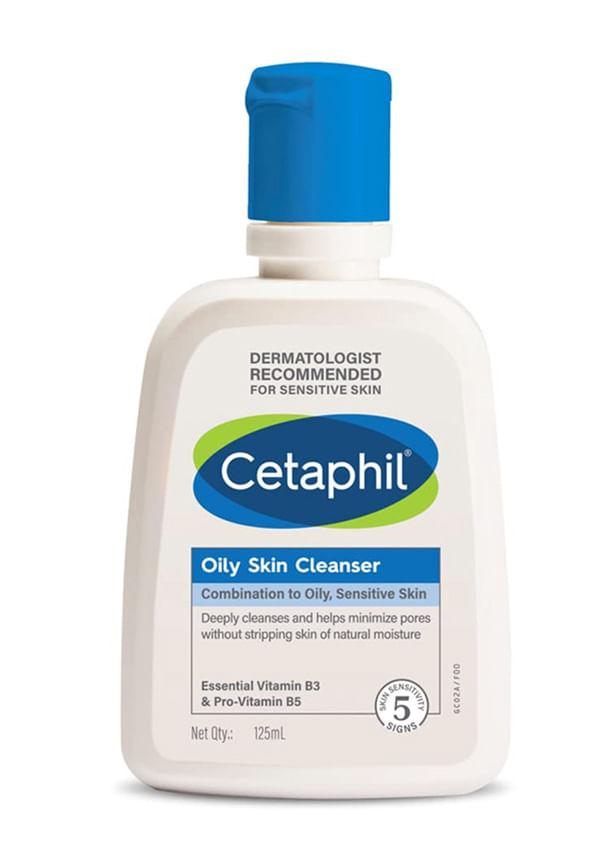
Oily Skin Cleanser
Many of us make the mistake of switching to harsher products when breakouts appear, thinking we need to "strip away" the problem. This actually makes things worse by further damaging the skin barrier. Another common error is skipping moisturiser when you see breakouts, fearing it'll make things worse.
Your cleansing routine is the foundation of any effective winter breakouts treatment for women. But here's the thing—what works in summer might be too harsh for winter skin. Cold weather skin needs a gentler approach that cleanses without stripping away essential moisture.
Start with lukewarm water, not hot. Yes, hot water feels amazing when it's freezing outside, but it's one of the worst things you can do for winter breakouts. Hot water strips away your skin's natural oils faster than you can replace them, leaving your skin tight, dry, and more prone to irritation.
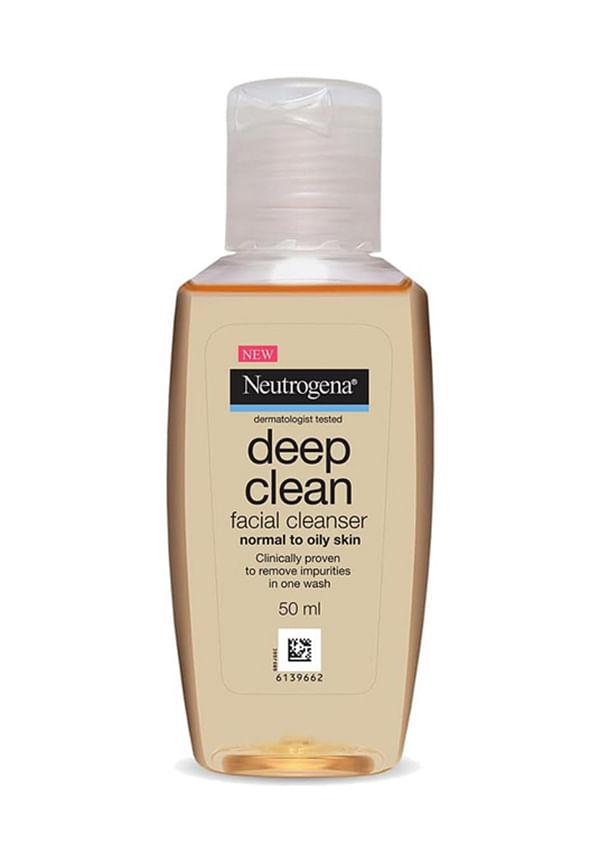
Deep Clean Facial Cleanser
Good Deep Pore Cleansing Face Wash
 5
5“it's a very good deep pore cleansing face wash”
Hydrating & Gentle Cleanser
5“nice and hydrating and cleanse gently suitable for all skin”
Useful for Oily Skin
5“most useful product for oily skin girlies”
Double cleansing isn't just for makeup wearers. Start with an oil-based cleanser to dissolve makeup, sunscreen, and excess sebum. Follow with a gentle, pH-balanced water-based cleanser to remove any remaining impurities without disrupting your skin barrier.
In the morning, a single gentle cleanse is often enough unless you've applied heavy night treatments. Evening is when you want to do the heavy lifting with your double cleanse routine. This approach prevents over-cleansing, which can worsen winter breakouts.
This might sound counterintuitive, but proper hydrating skincare is crucial for treating winter breakouts. The key is choosing the right type of moisturiser and applying it correctly. Non-comedogenic doesn't always mean oil-free—some oils actually help balance your skin's natural oil production.
Look for moisturisers with ingredients like hyaluronic acid, which can hold up to 1,000 times its weight in water. This helps your skin retain moisture without feeling heavy or greasy. Niacinamide is another superstar ingredient that helps regulate oil production while providing anti-inflammatory benefits.
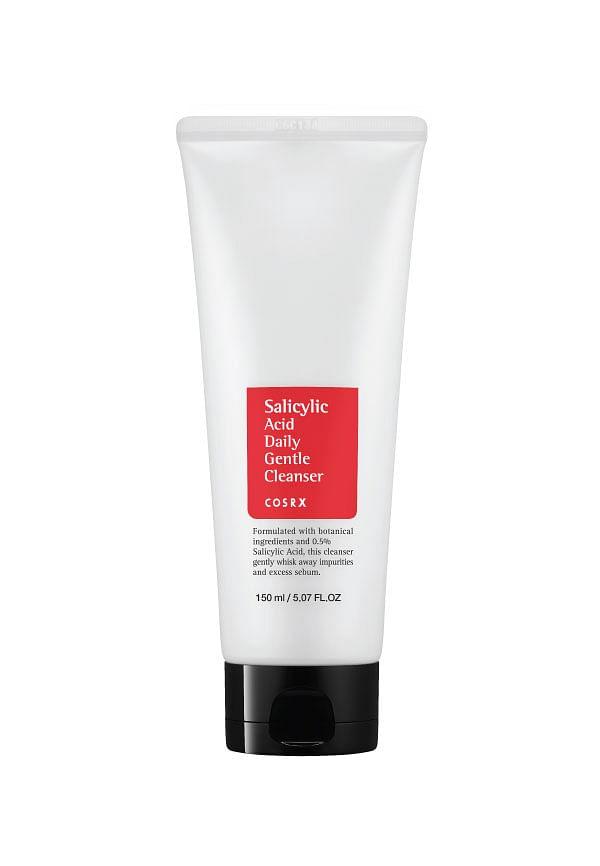
Salicylic Acid Daily Gentle Cleanser
Think of moisturising like getting dressed for winter—you need layers. Start with a lightweight, hydrating serum on damp skin. Follow with your moisturiser, and if your skin is particularly dry, seal it all in with a few drops of facial oil or a thin layer of occlusive like petroleum jelly on the driest areas.
Your T-zone might need different treatment than your cheeks during winter. Use lighter, gel-based moisturisers on oily areas and richer creams on dry zones. This targeted approach prevents over-moisturising breakout-prone areas while ensuring dry patches get the hydration they need.
Exfoliation is crucial for winter skincare, but it needs to be done thoughtfully. Dead skin cells accumulate more in winter due to slower cell turnover, leading to clogged pores and dull skin. However, over-exfoliation can damage your already compromised winter skin barrier.
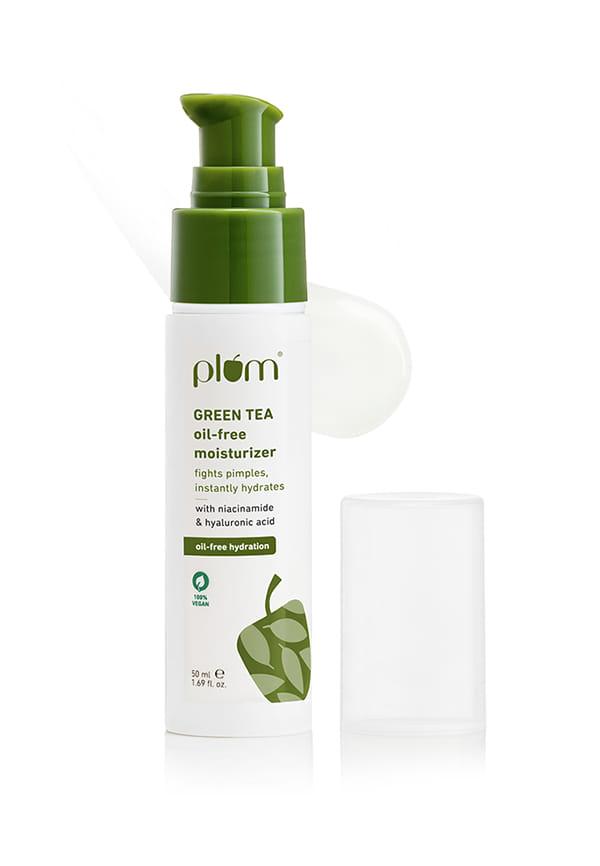
Green Tea Oil Free Moisturizer
Amazing Smell
5“loved it.... that smell is amazing”
Amazing Smell
5“loved it.... that smell is amazing”
Amazing Smell
5“loved it.... that smell is amazing”
Chemical exfoliation is generally better than physical scrubs during winter. Salicylic acid (BHA) is particularly effective because it's oil-soluble, meaning it can penetrate into pores to clear out the mix of oil and dead skin cells that cause winter breakouts.
Salicylic acid is your winter breakout warrior. It not only exfoliates the surface of your skin but also works inside your pores to prevent clogs. Start with a low concentration (0.5-1%) and use it every other day to begin with, gradually increasing frequency as your skin adjusts.
If you're already using retinol, winter isn't the time to stop—but you might need to adjust your approach. Use retinol less frequently and always follow with a good moisturiser. The cell turnover benefits of retinol are particularly valuable for preventing the buildup that leads to winter breakouts.
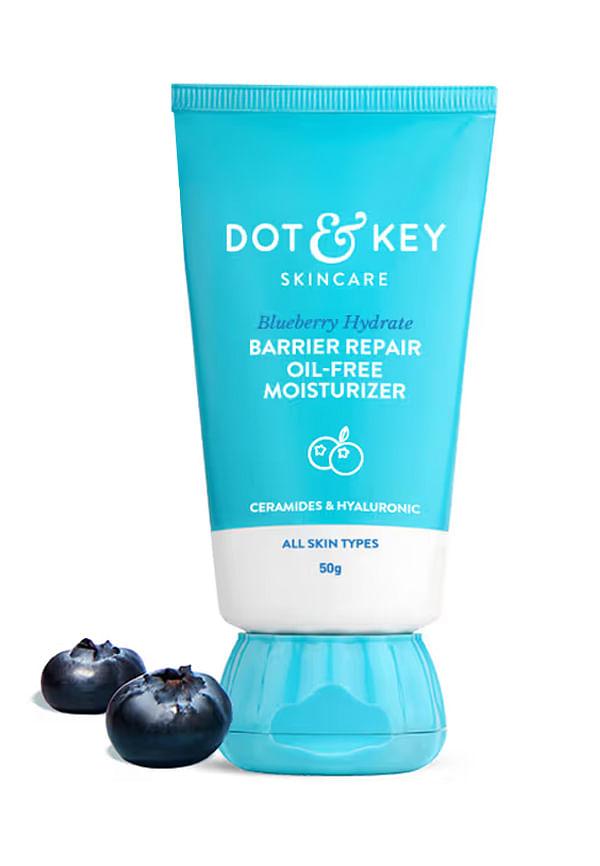
Blueberry Hydrate Barrier Repair Oil-Free Moisturizer
Good for Oily Skin
5“non sticky too good for oily skin”
Lightweight & Moisturizing
5“light weight and moisturizing.”
Hydrating & Smooth Texture
5“hydration, glow,no sticky, smooth texture”
When breakouts do appear, targeted treatments can help without disrupting your entire skincare routine. The key is choosing treatments that work effectively without further drying out your winter skin. Sensitive skin winter care requires a delicate balance between treating breakouts and maintaining skin barrier health.
Benzoyl peroxide remains one of the most effective acne treatments, but in winter, you'll want to use lower concentrations (2.5% instead of 5% or 10%) and always follow with moisturiser. The dry winter air amplifies benzoyl peroxide's drying effects, so extra hydration is non-negotiable.
Niacinamide is particularly valuable for winter breakouts because it addresses multiple issues simultaneously. It helps regulate oil production, reduces inflammation, and strengthens the skin barrier—exactly what winter skin needs. Look for concentrations between 5-10% for optimal results.
Tea tree oil can be effective for spot treatment, but it must be diluted properly (never use it neat). Mix a drop with your moisturiser for a gentler approach. Honey masks can also provide antibacterial benefits while adding moisture—perfect for winter skin.
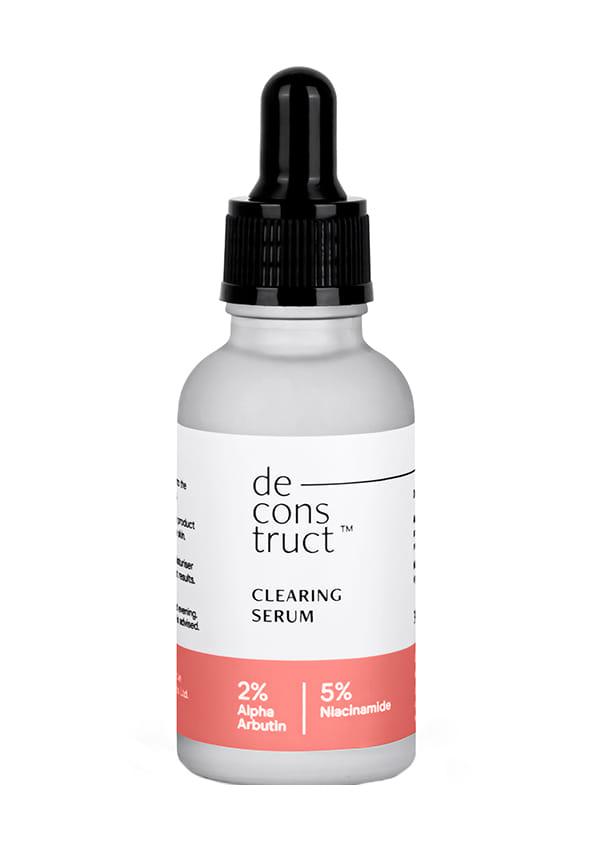
Clearing Serum - 5% Niacinamide Face Serum with Alpha Arbutin
Product not good, good packaging
4“itna fi accha nahi hai pekeging good parodct behtar nahi hai”
Good on skin
5“I love the product and this working good on my skin.”
Good Package and Quality for Face
5“good package and quality good for face”
Sometimes the best skincare for cold weather happens outside your bathroom. Environmental factors play a huge role in winter breakouts, and small adjustments can make a significant difference in your skin's health and appearance.
A humidifier is one of the best investments you can make for winter skin. Indoor heating systems can drop humidity levels to as low as 10%, which is drier than most deserts. Aim for 40-50% humidity in your bedroom and main living spaces.
Winter comfort foods are tempting, but high-glycemic foods and dairy can worsen breakouts. Focus on foods rich in omega-3 fatty acids, antioxidants, and vitamins A, C, and E. Hot drinks are fine, but avoid holding steaming mugs close to your face for extended periods—the heat can trigger inflammation.
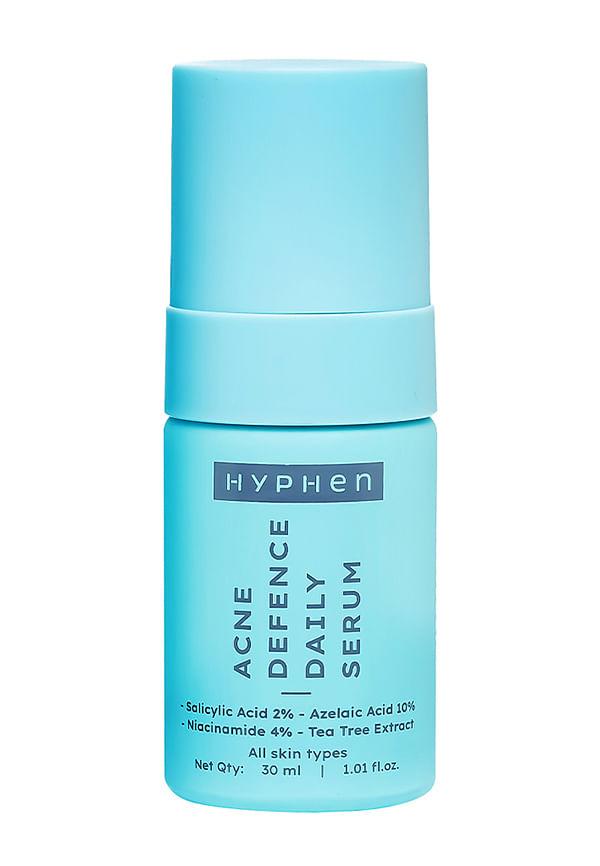
Acne Defence Daily Serum with 2% Salicylic Acid for Active Acne & Breakouts
Works for sensitive skin
5“it really works my sensitive skin”
Works for sensitive skin
5“it really works my sensitive skin”
Good for Oily Skin
5“nice product it's good for oily skin”
Winter can disrupt sleep patterns and increase stress levels, both of which directly impact skin health. Cortisol from stress increases oil production, while poor sleep impairs skin repair processes. Maintain consistent sleep schedules and consider stress-reduction techniques like meditation or gentle yoga.
You don't need expensive spa treatments to get professional-level results. Several at-home treatments can significantly improve winter breakouts when used correctly. The key is understanding which treatments work best for your specific skin concerns and winter skin routine needs.
LED light therapy devices have become more accessible and can be particularly effective for winter breakouts. Red light reduces inflammation while blue light targets acne-causing bacteria. Use these devices consistently for 10-15 minutes daily for best results.
Clay masks can help absorb excess oil, but in winter, mix them with honey or yogurt to prevent over-drying. Oatmeal masks provide gentle exfoliation while soothing irritated skin. Always follow any mask with a good moisturiser to prevent the tight, dry feeling that can trigger more oil production.
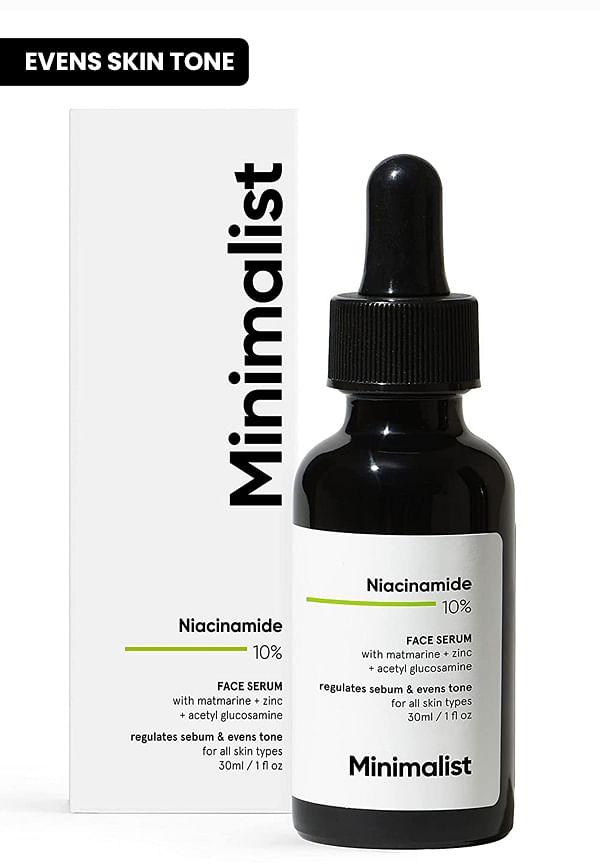
10% Niacinamide Face Serum for Acne Marks
Good but Expensive
4“it's good but slightly expensive”
Great Product, Works Well
5“great stuff, loved it, works well.”
Good but Expensive
4“it's good but slightly expensive”
Gentle steaming can help soften blackheads and improve product absorption. Use warm (not hot) water and steam for no more than 5-10 minutes. Follow immediately with your treatment products while pores are still open, then seal with moisturiser.
Sometimes winter breakouts require professional intervention, especially if they're severe or persistent. Knowing when to seek help can prevent scarring and save months of frustration with ineffective treatments.
Consider seeing a dermatologist if your breakouts are cystic, leaving scars, or not responding to over-the-counter treatments after 6-8 weeks. Winter can worsen hormonal acne in some women, and prescription treatments might be necessary for effective management.
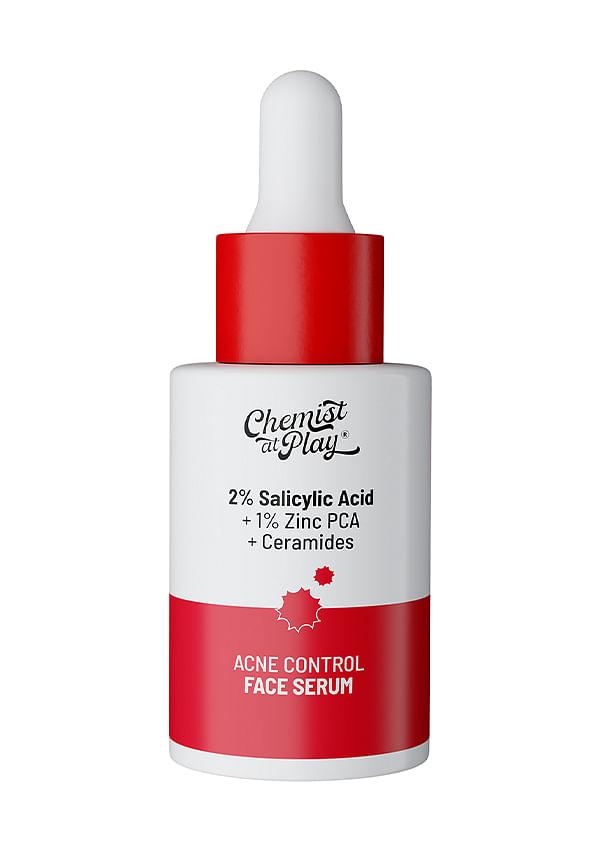
2% Salicylic Acid Face Serum | Treats Active Acne, Controls Excess Oil
Positive experience with delivery
5“love it.. and delivery went really well:)”
Skin feels good and relaxing
5“make. my skinnn. good and relaxing and came”
Nice Product, Thanks Smytten
5“nice product Love It Again and again I ordered thanks Smytten”
Topical retinoids, antibiotics, or hormonal treatments might be recommended for severe winter breakouts. These treatments require professional supervision but can provide significant improvement when over-the-counter options aren't sufficient.
Chemical peels, extractions, or light therapy performed by professionals can jump-start your winter skincare routine. However, timing is important—avoid aggressive treatments right before exposure to cold weather or wind.
When exploring new treatments, platforms like Smytten make it easier to try products before committing to full sizes. With curated trial packs from over 1,500 trusted brands including skincare favourites like Cetaphil and Dot & Key, you can test different breakout remedies without the risk of wasting money on products that don't work for your skin.
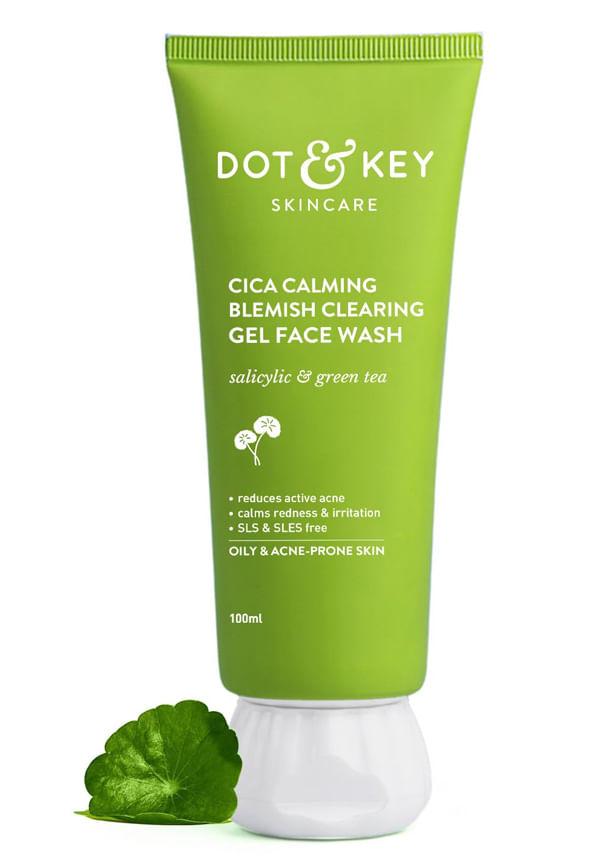
Cica Calming Blemish Clearing Gel Face Wash
Superb Product, Awesome Result
5“superb product use for awesome result”
Superb Product, Awesome Result
5“superb product use for awesome result”
Superb Product, Awesome Result
5“superb product use for awesome result”
Most people see initial improvement within 2-4 weeks of starting a consistent routine. However, significant changes typically take 6-8 weeks as your skin adjusts to new products and the skin cell turnover cycle completes.
While core ingredients like salicylic acid and niacinamide work year-round, you'll likely need to adjust concentrations and add more hydrating products in winter. Your summer routine might be too drying for cold weather skin.
This is often a temporary adjustment period called "purging" or could indicate you're using the wrong type of moisturiser. Look for non-comedogenic formulas and give your skin 2-3 weeks to adjust before making changes.
Winter breakouts are typically caused by environmental factors and barrier damage, while hormonal acne follows your menstrual cycle. However, winter can worsen existing hormonal acne by compromising your skin barrier's ability to fight bacteria.
Not necessarily. The right oils can actually help balance your skin's oil production and strengthen the barrier. Look for non-comedogenic oils like jojoba, squalane, or rosehip oil, and introduce them gradually.
Winter breakouts don't have to derail your skincare goals. The key is understanding that winter skin needs a different approach—one that balances treating breakouts with maintaining your skin barrier. Remember, consistency is more important than perfection, and it's better to use gentle products regularly than harsh treatments sporadically.
Start with the basics: gentle cleansing, proper moisturising, and targeted treatments. Make environmental adjustments like using a humidifier and managing stress. Most importantly, give your routine time to work—skin changes take patience, especially in challenging winter conditions.
The beauty of modern skincare is that you don't have to commit to expensive full-size products without knowing if they'll work. With platforms offering trial-sized versions of products from trusted brands, you can experiment with different winter breakouts treatment for women options until you find your perfect routine. After all, why settle for maybe when you can try it all and find what actually works for your unique skin needs?
