7 Turmeric Face Pack Secrets for Radiant Skin


Let's be real—turmeric isn't just that golden spice sitting in your kitchen cabinet. In India, it's been the secret weapon for glowing skin for centuries, and there's proper science backing why your grandmother swore by it. From tackling stubborn acne to giving you that natural glow everyone's after, turmeric face packs are having their moment, and honestly, it's about time. Whether you're dealing with oily skin that won't quit or dry patches that need some love, these seven turmeric face pack secrets will sort you right out. No fancy ingredients, no complicated routines—just tried-and-tested recipes that actually work.
Turmeric has been India's skincare MVP for over 4,000 years, and there's proper science behind the hype. The magic ingredient here is curcumin—a powerful anti-inflammatory compound that does everything from calming angry breakouts to evening out your skin tone. Unlike those trendy ingredients that come and go, turmeric benefits for skin are backed by both ancient wisdom and modern research. In traditional Ayurveda, turmeric isn't just about looking good—it's about balancing your skin's natural harmony. The golden spice works as a natural antiseptic, helping fight bacteria that cause acne whilst gently exfoliating dead skin cells. Plus, it's loaded with antioxidants that protect your skin from environmental damage and premature ageing. What makes turmeric face pack India's go-to beauty treatment is its versatility. Whether you're prepping for a wedding (hello, haldi ceremony!) or just want that everyday glow, turmeric adapts to what your skin needs. It's gentle enough for sensitive skin yet powerful enough to tackle serious concerns like hyperpigmentation and acne scars.
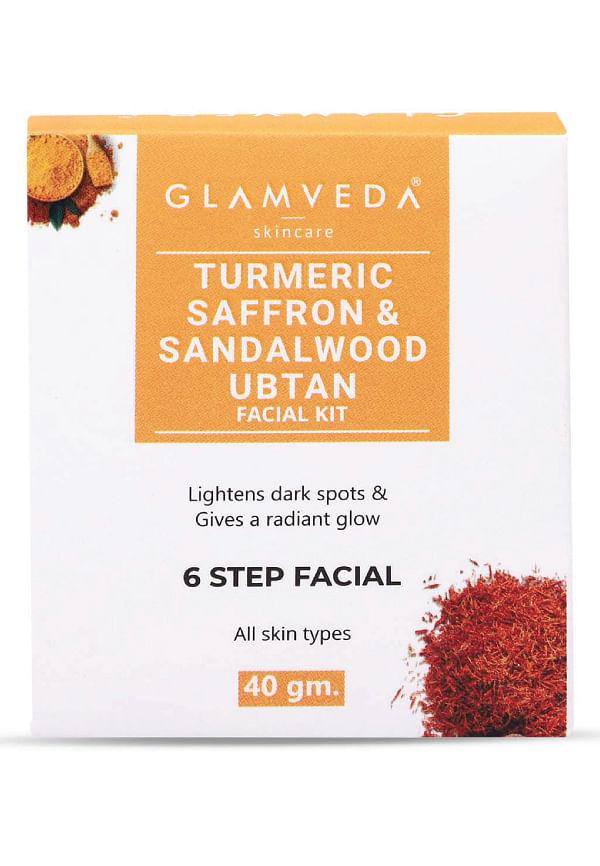
Turmeric saffron & Sandalwood Ubtan Skin Brightening Facial kit
Looks good, cruelty and chemical-free
 5
5“abhi use nhi kiya hai magr product pe mention hai ki cruelty free hai harmful chemicals free hai mujhe dikhne me sahi lg rha hai baki result dekhte hai kya aata hai ...”
Good single-use facial kit
5“very very good facial kit for 1 tym use”
Good for Glow & Clear Skin
4“good for a glow skin becomes clear”
Before you dive into mixing up your homemade face pack for glowing skin, let's talk prep. Not all turmeric is created equal—you want the pure, organic stuff, not the one that's been sitting in your spice rack for ages. Fresh turmeric powder works best, but if you're feeling fancy, grating fresh turmeric root gives you maximum potency. Here's what you'll need for most DIY turmeric face mask recipes: a clean mixing bowl (preferably glass or ceramic), a wooden spoon for mixing, and measuring spoons. Pro tip: wear an old t-shirt because turmeric stains are real, and they're stubborn.
Always do a patch test first—mix a tiny bit of your chosen recipe and test it on your inner wrist. Wait 24 hours to see if there's any reaction. Some people are sensitive to turmeric, and it's better to find out on your wrist than your face.
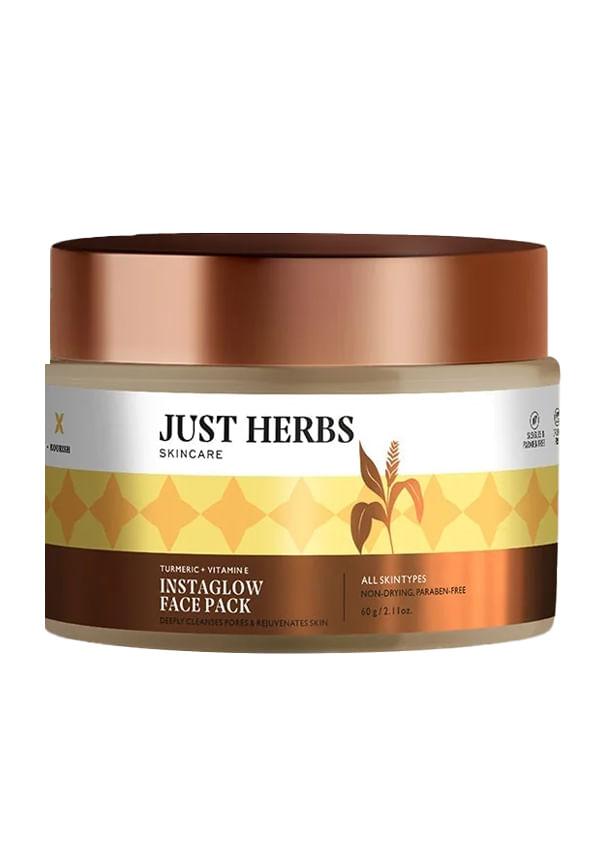
Instaglow Face Pack with Turmeric + Vitamin E
Most natural face pack mixtures are best used fresh, but you can store dry ingredient mixes in airtight containers for up to three months. Once you add wet ingredients like honey or yogurt, use it immediately.
Not every skin type needs the same treatment, and that's where turmeric's versatility really shines. These three recipes target specific skin concerns whilst giving you that coveted glow.
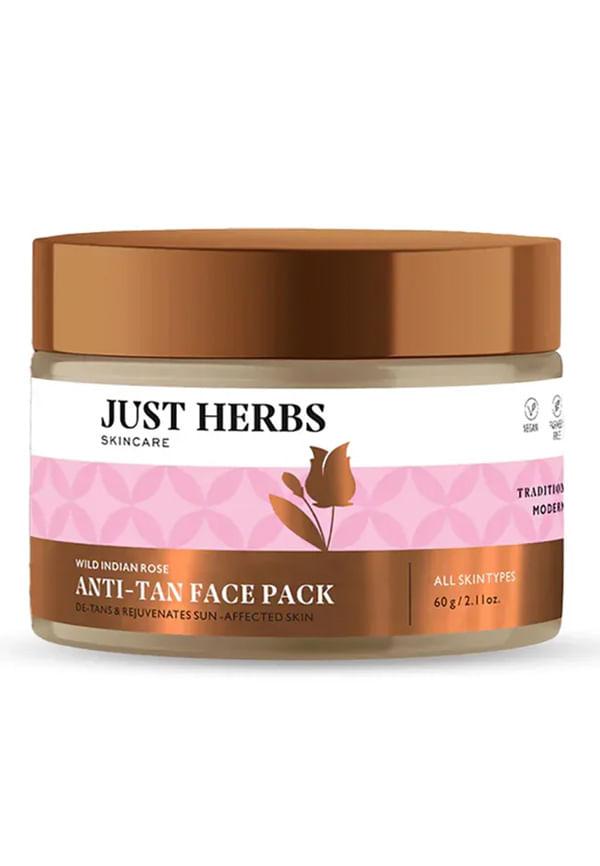
Wild Indian Rose Anti-Tan Face Pack
Effective tan removal, no acne
4“effective tan removal without any acne”
Mixed Results
5“nice but slow give gradual results give little tingling effect”
Excellent Face Pack
5“good prodect it s a best prodect very nice prodect. ,face pack”
If your skin produces enough oil to power a small engine, this one's your kind of pick. Mix 1 teaspoon turmeric powder with 2 tablespoons fuller's earth (multani mitti) and enough rose water to make a smooth paste. This combo is brilliant because fuller's earth absorbs excess oil whilst turmeric works its anti-inflammatory magic. Apply evenly, avoiding the eye area, and leave for 15-20 minutes until it's completely dry. The clay will tighten as it dries, pulling out impurities from your pores. Rinse with lukewarm water and follow with a light moisturiser.
Dry skin needs extra love, and this recipe delivers. Combine 1 teaspoon turmeric with 2 tablespoons raw honey and 1 tablespoon full-fat milk or plain yogurt. Honey is a natural humectant that draws moisture into your skin, whilst milk provides gentle lactic acid exfoliation. This mask should feel creamy and nourishing, not tight. Leave it on for 20 minutes, then rinse with cool water. Your skin will feel soft and properly hydrated—perfect for those winter months when everything feels parched.
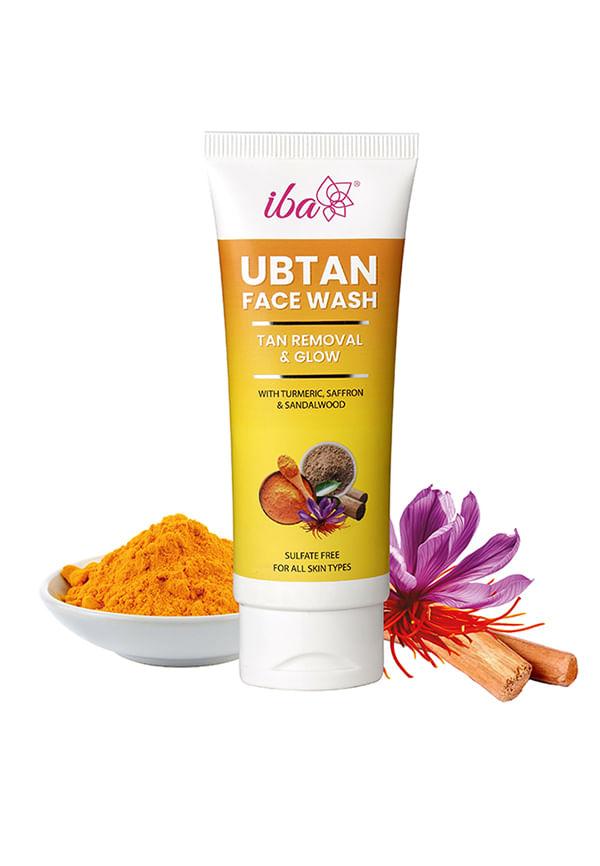
Ubtan Face Wash For all Skin Type with Turmeric, Saffron & Sandalwood
Great Product, Clean Ingredients
4“Nice product and also clean ingredients”
Excellent Face Wash
5“good face wash for all skin types and good for daily usess and go for buy everyone's good face wash for”
When in doubt, go classic. Mix 1 teaspoon turmeric with 2 tablespoons chickpea flour (besan) and enough water or milk to form a paste. This is the OG turmeric face pack that's been passed down through generations, and it works for normal to combination skin. The chickpea flour provides gentle exfoliation whilst the turmeric brightens and evens out your complexion. It's simple, effective, and uses ingredients you probably already have.
Ready to level up your turmeric game? These targeted treatments tackle specific skin issues with precision.
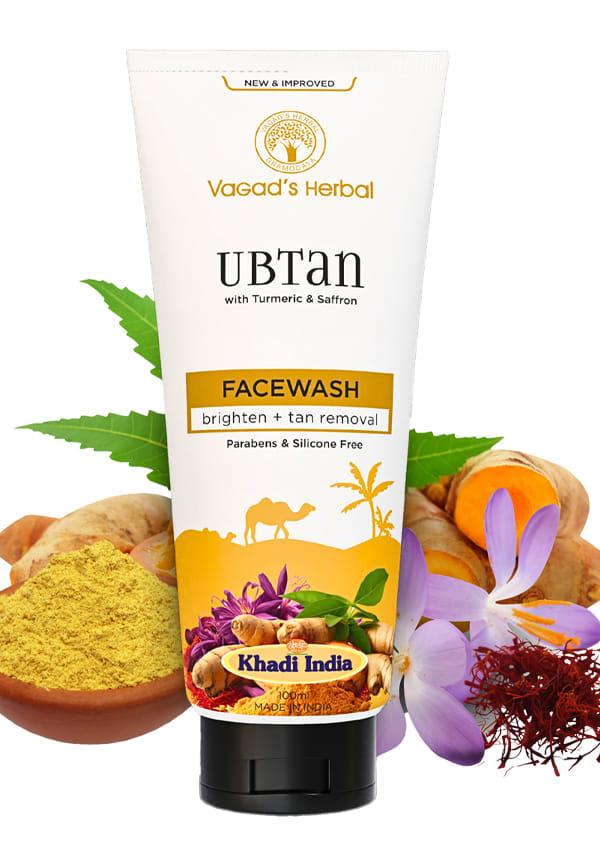
Ubtan with Turmeric & Saffron Face For Wash Brighten & Tan Removal
Good and Healthy for Skin
5“Must try. This is just too good and very healthy to use on your skin.”
Nice Product, Deep Cleaning
5“verry nice product...deep cleaning”
Good product, effective
5“nice product and best for result”
Acne doesn't stand a chance against this powerhouse combination. Mix 1 teaspoon turmeric with 1 tablespoon neem powder and 2-3 drops of tea tree oil. Add enough water to make a paste that's thick enough to stay put but not so thick it cracks. Neem is naturally antibacterial, tea tree oil fights acne-causing bacteria, and turmeric reduces inflammation. This trio works together to clear existing breakouts whilst preventing new ones. Use this as a spot treatment on active breakouts or apply all over if you're dealing with widespread acne.
Turning back the clock starts with this age-defying blend. Combine 1 teaspoon turmeric with 1 tablespoon sandalwood powder and 2 tablespoons fresh aloe vera gel. Sandalwood has been used in Indian skincare for centuries to improve skin texture, whilst aloe vera provides deep hydration and promotes collagen production. This best face pack for glowing skin also helps reduce fine lines and evens out skin tone. The consistency should be smooth and cooling—perfect for a weekend pamper session.
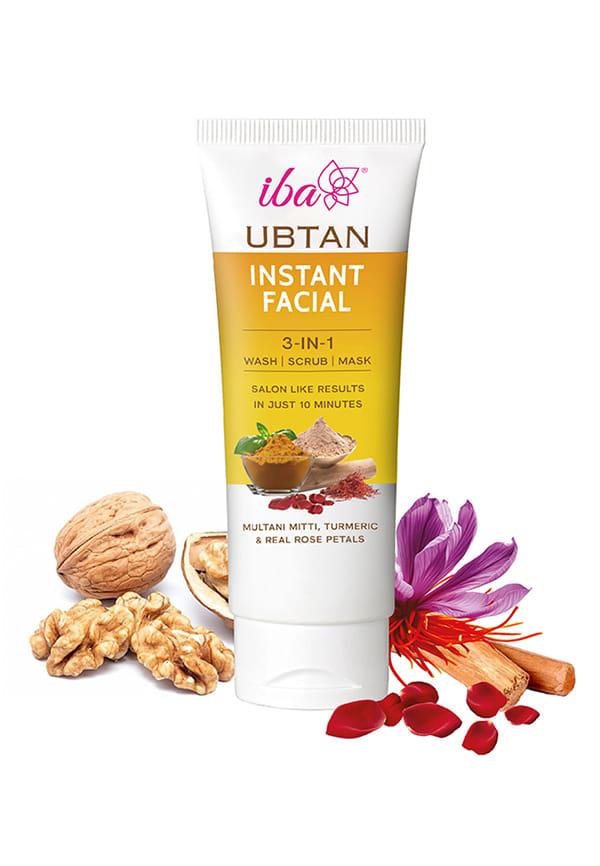
Ubtan Instant Facial 3 IN 1 Wash, Scrub & Mask For all Skin Type with Multani Mitti, Turmeric
Positive Skin Results
5“gives really great glow and open pores are also getting healed”
How you apply your turmeric skin care routine matters just as much as what you're applying. Start with clean, damp skin—the moisture helps the mask spread evenly and prevents it from drying too quickly. Use upward strokes when applying, working from your neck up to your forehead. Avoid the delicate eye area and be gentle around your lips. The ideal thickness is about the same as a sheet mask—thick enough to see the colour but not so thick it slides off.
The best time for a turmeric face pack is evening, about 2-3 hours before bed. This gives your skin time to calm down from any temporary redness and allows the active ingredients to work overnight. If you must do it during the day, make sure you're staying indoors for at least an hour afterwards.
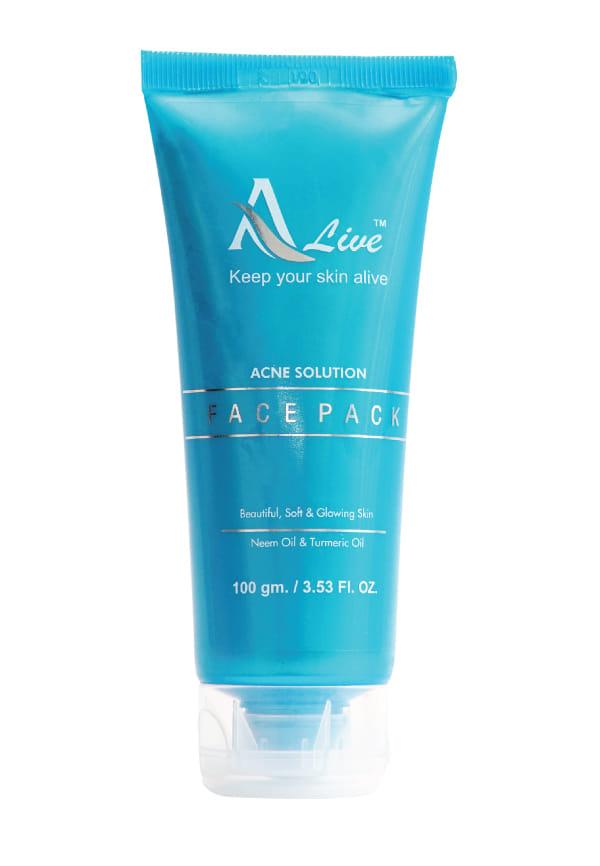
Neem + Turmeric Face Pack
Positive Product Review
5“product is good and I am more happy with the trial packs”
Here's the secret to avoiding turmeric stains: remove the mask with a damp cloth using gentle circular motions, then rinse with lukewarm water. Follow with a gentle cleanser if needed, then your usual moisturiser.
Even the best natural face pack can go wrong if you're not careful. The biggest mistake? Using turmeric too often. More isn't always better—2-3 times a week is plenty for most people. Overdoing it can lead to skin sensitivity or that dreaded yellow tinge that takes ages to fade. Another common error is mixing turmeric with lemon juice. Whilst it might seem like a good idea for brightening, lemon can make your skin photosensitive and cause irritation, especially if you have sensitive skin. Never leave a turmeric mask on longer than recommended. Unlike some skincare treatments where longer might seem better, turmeric can stain if left too long, and the active ingredients can become too intense for your skin. If you notice any persistent redness, itching, or irritation, stop using turmeric face packs and consult a dermatologist. Some people are naturally sensitive to turmeric, and that's completely normal. While DIY treatments are brilliant for maintaining healthy skin, sometimes you need professional-grade products to address specific concerns. That's where platforms like Smytten come in handy—you can try mini versions of trusted skincare brands before committing to full-size products, making it easier to find what actually works for your skin.
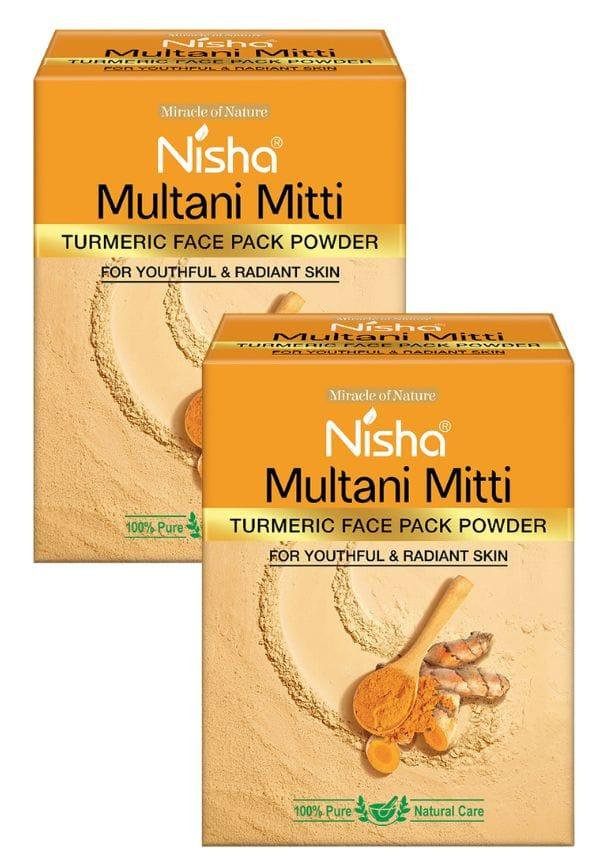
Turmeric Multani Mitti for Face
For most people, 2-3 times a week is perfect. If you have sensitive skin, start with once a week and see how your skin responds. Oily skin can typically handle more frequent use than dry or sensitive skin.
No, turmeric staining isn't permanent, but it can last a few days if you're not careful. Use less turmeric in your mix, don't leave it on too long, and always remove it properly with a damp cloth followed by gentle cleansing.
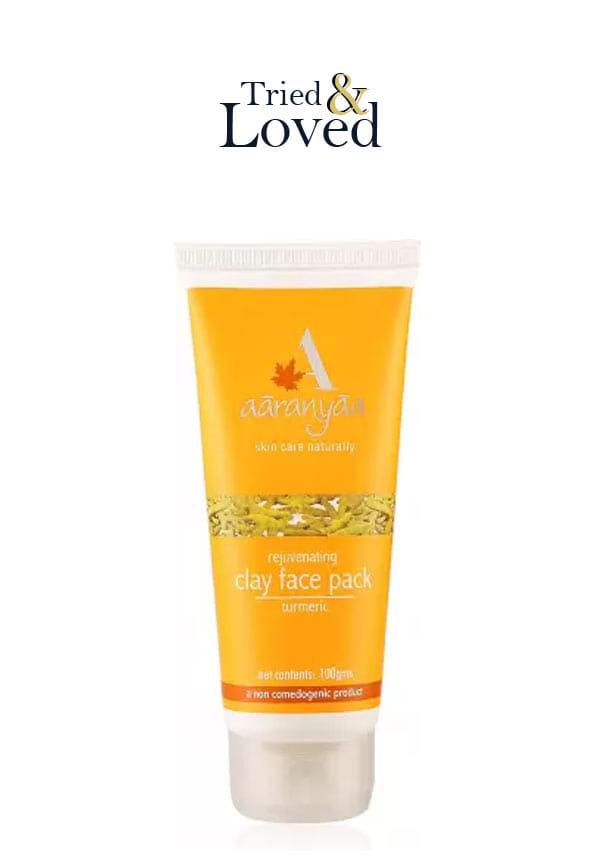
Face Pack Turmeric
Topical turmeric is generally considered safe during pregnancy, but it's always best to check with your doctor first. Some women find their skin becomes more sensitive during pregnancy, so patch testing is extra important.
Cosmetic turmeric is often more finely ground and sometimes has lower curcumin content to reduce staining. However, high-quality cooking turmeric works just fine for face packs—just use less and be more careful with removal.
You might notice your skin looking brighter after just one use, but significant improvements in acne, pigmentation, or overall skin texture typically take 4-6 weeks of consistent use.
Yes, some people are allergic to turmeric. Always do a patch test first, and if you experience any swelling, severe redness, or difficulty breathing, seek medical attention immediately.
Turmeric face packs aren't just another skincare trend—they're a time-tested solution that actually delivers results. From tackling acne to giving you that natural glow, these seven secrets cover everything you need to know about incorporating turmeric into your routine safely and effectively. Remember, consistency is key with any skincare routine. Whether you're trying a simple turmeric and chickpea flour mask or experimenting with more complex recipes, give your skin time to adjust and show results. And whilst DIY treatments are fantastic, don't forget that sometimes your skin needs a bit more help from professionally formulated products. With Smytten's curated trial packs, you can explore trusted skincare brands alongside your homemade treatments, ensuring you never have to settle for products that don't work for your unique skin needs. After all, why stick to just one approach when you can try it all and find what makes your skin truly happy?
