Skincare
•06 min read

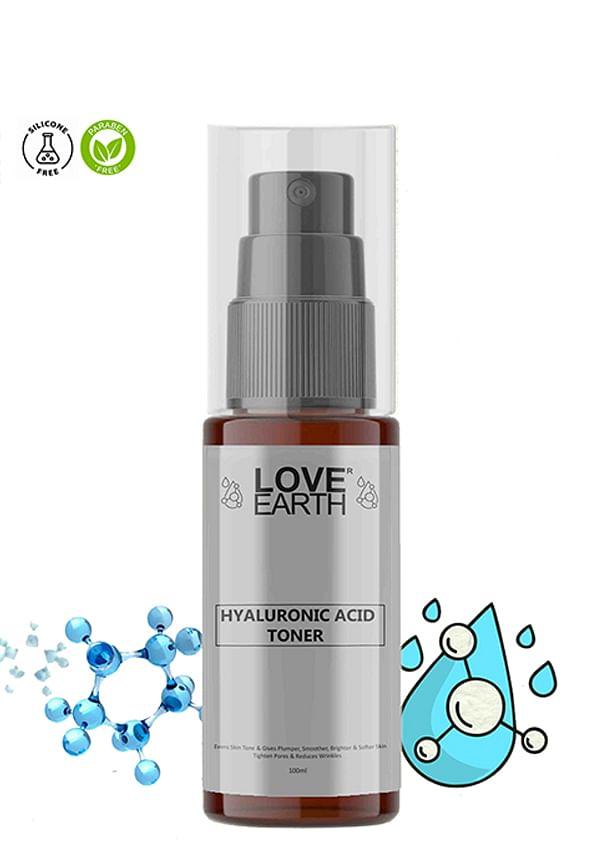
Hyaluronic Acid Toner
Hydrating and Refreshing
 5
5“hydrates and refreshes the skin”
Hydrating & Light
5“hydrates the skin and is light on face”
Excellent Product and Service
4“This product is very very good and I like the service of Smytten. Thank You Smytten”
Dealing with uneven skin tone can feel like a never-ending battle, especially in India's diverse climate conditions. From stubborn dark spots to melasma patches that seem to appear overnight, achieving that smooth, even complexion you're after requires the right approach. Whether you're battling post-acne marks or sun damage from years of exposure, understanding your options for uneven skin tone treatment in India is the first step towards clearer skin. Let's dive into the most effective treatments available, from professional dermatological procedures to tried-and-tested natural remedies that actually work.
Before jumping into treatments, it's worth understanding why uneven skin tone is such a common concern in India. Our unique climate, genetic factors, and lifestyle patterns all play a role in creating those frustrating patches and discolouration issues.
India's intense UV exposure throughout the year is probably the biggest culprit behind skin discolouration. The tropical climate means your skin is constantly battling harsh sun rays, leading to increased melanin production and those stubborn dark spots. Add pollution and dust to the mix, and you've got a recipe for uneven skin texture and tone.
Seasonal changes also impact how your skin behaves. The monsoon humidity can trigger breakouts that later turn into dark spots, whilst the dry winter months can make existing pigmentation appear more pronounced.
Indian skin types naturally produce more melanin, which can be both a blessing and a challenge. Whilst it provides better protection against UV damage, it also means we're more prone to hyperpigmentation and post-inflammatory darkening after any skin trauma.
Hormonal changes during pregnancy, periods, or due to certain medications can trigger melasma - those symmetrical brown patches that love to appear on your cheeks and forehead. Understanding these triggers helps you choose the right treatment approach.
When natural remedies aren't cutting it, professional treatments offer faster and more dramatic results. Here are the top four dermatological options that are making waves in India's skincare scene.
Laser technology has revolutionised pigmentation removal in recent years. Q-Switch lasers and newer LaseMD™ treatments work by targeting melanin deposits without damaging surrounding skin tissue.
The process typically involves 4-6 sessions spaced 3-4 weeks apart. You might notice some initial darkening of treated spots before they start to fade - this is completely normal. Cost-wise, expect to pay anywhere from ₹3,000 to ₹15,000 per session, depending on your location and the clinic's reputation.
Chemical peels remain one of the most effective skin brightening treatments available. Glycolic acid peels work brilliantly for surface-level pigmentation, whilst deeper TCA peels can tackle more stubborn discolouration.
The best part about peels is their versatility - your dermatologist can customise the strength based on your skin's tolerance and pigmentation severity. Most people see noticeable results after 4-6 sessions, with minimal downtime between treatments.
RF microneedling has gained popularity as an excellent option for those dealing with both uneven tone and texture issues. The tiny needles create controlled micro-injuries that stimulate collagen production, whilst the radiofrequency energy helps break down pigmentation.
When combined with vitamin C serums or growth factor treatments, the results can be quite impressive. The recovery time is minimal - just a day or two of slight redness - making it perfect for busy lifestyles.
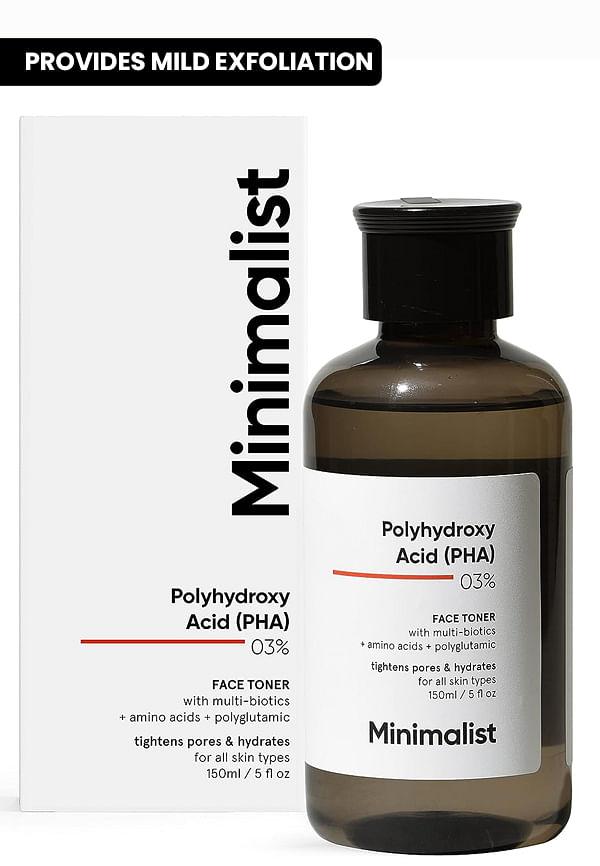
3% Pha Face Toner For Oily Skin - Alcohol Free Toner
Good for dark spots & pimples
4“Nice one can guve a try fir dark spots and pimple marks ”
Good for dark spots & pimples
4“Nice one can guve a try fir dark spots and pimple marks ”
Best Toner for Pores
5“Best toner for pores. Highly recommended”
Intense Pulsed Light therapy works particularly well for sun-induced pigmentation and age spots. The multi-wavelength approach means it can target different types of discolouration in a single session.
IPL treatments are typically scheduled monthly, and you'll start seeing improvements after the second or third session. It's especially effective for those with lighter skin tones and sun damage patterns.
Not everyone needs or wants invasive procedures. Sometimes, the right combination of topical treatments can deliver excellent results with patience and consistency.
Dermatologist-prescribed formulations often contain higher concentrations of active ingredients than over-the-counter products. Hydroquinone remains the gold standard for melasma treatment, though it requires careful monitoring due to potential side effects with long-term use.
Tretinoin combinations accelerate cell turnover, helping fade dark spots faster whilst improving overall skin texture. These prescription treatments typically show results within 6-12 weeks of consistent use.
Building an effective routine with medical-grade products can be just as powerful as professional treatments. Vitamin C serums containing L-ascorbic acid work brilliantly for preventing new pigmentation whilst gradually lightening existing spots.
Niacinamide has become a favourite for its gentle yet effective approach to evening skin tone. It's particularly good for sensitive skin types who can't tolerate stronger acids. Azelaic acid offers another gentle option that works well for both pigmentation and mild acne.
India's rich tradition of natural skincare offers several effective options for those preferring gentler approaches to treating uneven skin tone. These natural remedies for uneven skin tone have been used for generations and continue to show promising results.
Turmeric and sandalwood combinations have anti-inflammatory properties that help calm irritated skin whilst gradually lightening dark spots. The key is consistency - these natural ingredients work slowly but surely.
Licorice extract contains glabridin, a natural compound that inhibits melanin production. It's gentler than chemical alternatives and works well for sensitive skin types. Kojic acid derived from rice fermentation offers another natural approach to pigmentation control.
Oatmeal and honey masks provide gentle exfoliation whilst hydrating the skin. The natural enzymes in honey help brighten the complexion over time. Lemon and yogurt treatments offer natural acids that can help with mild pigmentation, though they should be used carefully to avoid irritation.
Aloe vera applications work wonderfully for soothing inflamed skin and preventing post-inflammatory hyperpigmentation. Fresh aloe gel applied nightly can help speed up the healing process for recent dark spots.
With so many options available, selecting the right treatment can feel overwhelming. The key is understanding your specific skin concerns, budget, and lifestyle constraints.
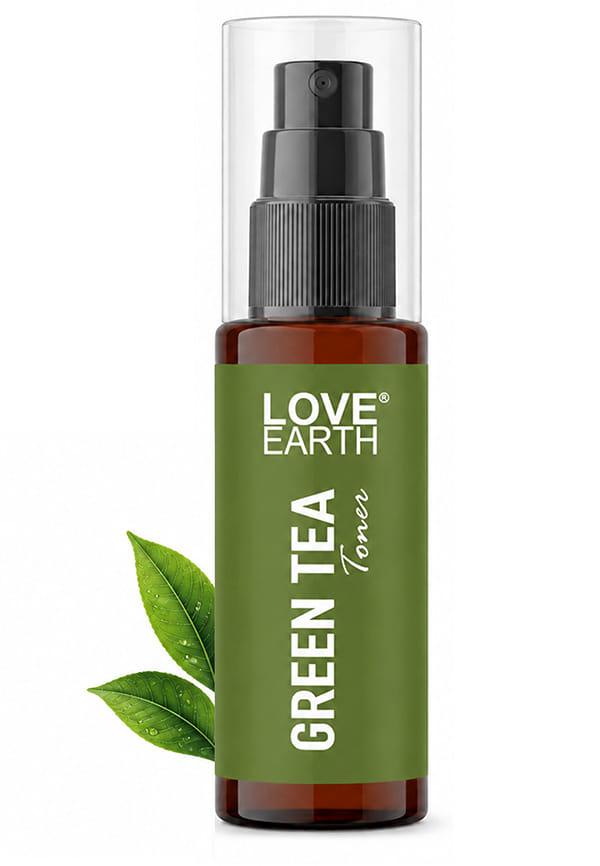
Green Tea Toner
Good Products & Packaging
5“products and packaging are very Good”
Positive First Impression
5“received in good condition.. eager to try this.”
Professional treatments generally offer faster results but come with higher costs and potential downtime. Laser treatments and chemical peels can show dramatic improvements within weeks, whilst topical treatments require months of consistent use.
Budget-wise, natural remedies and over-the-counter products are most affordable, ranging from ₹500-₹3,000 monthly. Professional treatments can cost ₹10,000-₹50,000 for a complete course, depending on the procedure and number of sessions required.
When seeking professional help, look for board-certified dermatologists with specific experience in treating pigmentation disorders. Ask about their approach to treating Indian skin types and request before-and-after photos of similar cases.
Good dermatologists will always start with a patch test and discuss realistic expectations. Be wary of practitioners promising overnight results or pushing expensive treatments without proper consultation.
Platforms like Smytten make it easier to explore different skin brightening products before committing to full-size purchases. With trial packs from trusted brands, you can test various formulations to see what works best for your skin type. This approach helps you make more informed decisions about your skincare routine without the financial risk of buying full-size products that might not suit your skin.
Laser treatments and chemical peels typically show the quickest results, with improvements visible within 2-4 weeks. However, the best treatment depends on your specific type of pigmentation and skin sensitivity.
Most treatments can significantly improve uneven skin tone, but maintenance is usually required. Sun protection and proper skincare routines are essential to prevent new pigmentation from forming.
Costs vary widely based on treatment type and location. Topical treatments range from ₹1,000-₹5,000 monthly, whilst professional procedures can cost ₹15,000-₹75,000 for complete treatment courses.
Professional treatments typically show results within 2-6 weeks, whilst topical treatments require 6-12 weeks of consistent use. Natural remedies may take 3-6 months to show noticeable improvements.
Natural remedies work well for mild pigmentation and as maintenance treatments. For severe melasma or deep pigmentation, professional treatments are usually more effective.
Treating uneven skin tone successfully requires understanding your specific concerns and choosing the right combination of treatments. Professional procedures offer faster results but require higher investment, whilst natural and topical treatments provide gentler, budget-friendly alternatives that work with patience.
The most effective approach often combines professional treatments with consistent at-home care. Whether you choose laser therapy, chemical peels, or natural remedies, sun protection remains crucial for preventing new pigmentation and maintaining your results.
Remember that achieving even skin tone is a journey, not a destination. With over 25 million users trusting platforms like Smytten to discover effective skincare solutions, you're not alone in this quest for clearer, more even-toned skin. The key is finding products and treatments that work for your unique skin type and lifestyle, making informed choices rather than settling for maybe when you can try it all.
