7 Slugging Routine Tips for Glowing Skin


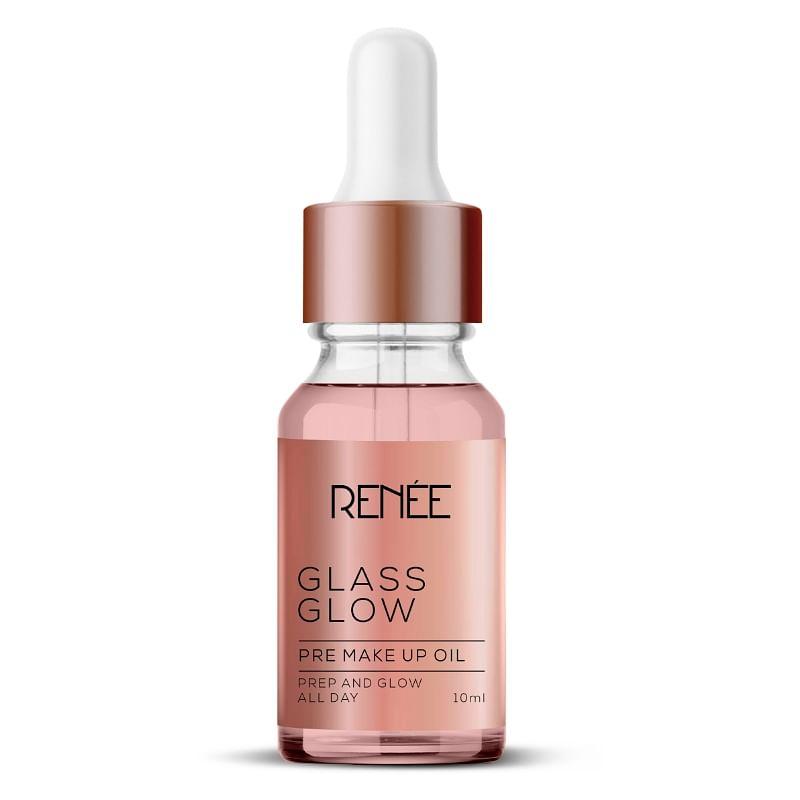
Glass Glow Pre Make Up Oil
Lovely, Blends Well
 5
5“lovely,blend in skin very well”
Nice Product, Thanks App
5“nice product, thanks to the app”
Real Glow After Oil
4“True real glow after applying this oil”
Ever wondered why your skin feels like sandpaper despite slathering on every moisturiser under the sun? Enter slugging—the viral skincare trend that's got everyone coating their faces in petroleum jelly before bed. Sounds weird? Maybe. But this slugging routine is actually backed by science and might just be the game-changer your skin's been crying out for. From locking in moisture to repairing your skin barrier, slugging benefits go way beyond what you'd expect from something so simple. Ready to discover how this occlusive skincare method can transform your complexion? Let's dive into seven tried-and-tested tips that'll have you slugging like a pro.
Let's be real—slugging skincare sounds like something you'd do to your garden, not your face. But this slugging method is actually a brilliant way to supercharge your skin's natural healing process. Think of it as giving your skin a protective hug all night long. The magic happens when you apply a thin layer of petroleum jelly as the final step in your evening routine. This creates an occlusive skincare barrier that locks in all the good stuff you've just applied—serums, moisturisers, treatments—whilst preventing water loss through your skin.
Your skin loses water throughout the day through a process called transepidermal water loss. It's like having tiny invisible holes that let moisture escape. Petroleum jelly acts like a protective film, sealing these gaps and keeping hydration where it belongs—in your skin. This barrier also gives your skin time to repair itself overnight. When your skin isn't busy fighting dehydration, it can focus on regenerating cells and strengthening its natural protective barrier.
Dry skin absolutely loves slugging because it provides intense hydration without any active ingredients that might irritate. If you're dealing with slugging dry skin concerns, this method can be a total game-changer. For acne-prone skin, things get a bit trickier. While slugging for acne isn't always recommended during active breakouts, it can help repair damaged skin barriers once your skin calms down.
Not all petroleum jellies are created equal, especially when it comes to your face. You want something pure, simple, and free from unnecessary additives that could irritate your skin. Look for 100% pure petroleum jelly for face use—no fragrances, no colours, no fancy extras. Your skin doesn't need the bells and whistles; it just wants that protective barrier. Brands like Vaseline's original formula are perfect because they're dermatologically tested and contain minimal ingredients.
Stick to the basic stuff. Medicated versions often contain ingredients like menthol or camphor that can irritate facial skin. Your face is way more sensitive than your hands or body, so keep it simple. If you're not keen on traditional petroleum jelly, there are some brilliant slugging alternatives worth trying. Squalane oil, ceramide-rich balms, or even a thick layer of your favourite occlusive moisturiser can work similarly.
Here's where many people go wrong—they think slugging means skipping their usual routine. Wrong! The magic of how to slug face properly lies in what you do before applying that petroleum jelly layer. Your pre-slugging routine should be your normal evening skincare, just with extra attention to hydration. This means your cleanser, any treatments or serums, and a good moisturiser. The petroleum jelly is just the final seal.
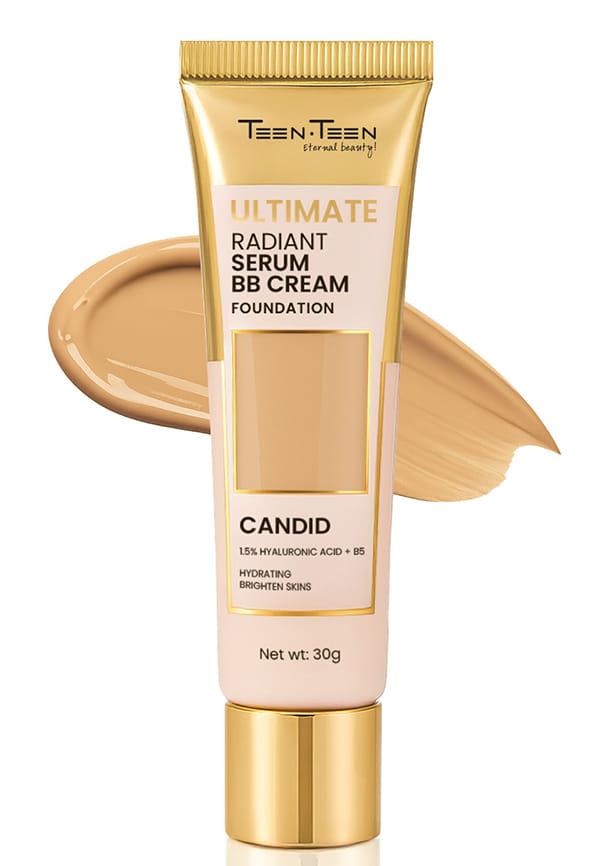
Radiant Serum Bb Cream Foundation
Start with a proper cleanse—double cleansing if you wear makeup or sunscreen. Your skin needs to be completely clean before you lock everything in with petroleum jelly. Use a gentle, pH-balanced cleanser that won't strip your skin. You want your skin prepped and ready, not irritated before you even start the slugging method.
If you use active ingredients like retinol or acids, apply them before your moisturiser but be extra careful. Slugging can intensify the effects of these ingredients, which might lead to irritation. Avoid using strong actives on the same night you plan to slug, especially when you're just starting out. Your skin needs time to adjust to this new routine.
The key to successful slugging isn't slathering on petroleum jelly like you're buttering toast. Less is definitely more when it comes to how to slug face properly. Take a tiny amount—we're talking pea-sized for your entire face—and warm it between your palms. Then gently press and pat it onto your skin, focusing on the driest areas first.
You want just enough to create a light, protective film. If you can see a thick, greasy layer, you've used too much. The goal is protection, not suffocation. Avoid the eye area and hairline unless you fancy waking up with petroleum jelly in your hair. Focus on your cheeks, forehead, chin, and any particularly dry spots. Some people find using a clean makeup brush or silicone applicator helps distribute the product more evenly, especially if you're new to the slugging routine.
Let's address the elephant in the room—can you do slugging for acne without making things worse? The answer is: it depends, and timing is everything. If you're in the middle of an active breakout, slugging probably isn't your best mate right now. The occlusive nature of petroleum jelly can trap bacteria and make existing spots angrier.
Skip slugging if you have active, inflamed acne or if your skin is feeling particularly congested. Wait until your skin calms down before introducing this slugging skincare method. Also avoid slugging if you're using strong acne treatments like benzoyl peroxide or high-concentration salicylic acid. The combination can be too intense for most skin types.
If you want to try slugging with acne-prone skin, start with spot treatment. Apply petroleum jelly only to the driest, most irritated areas—usually around your nose, chin, or any spots that feel tight. Reduce your slugging frequency to once a week maximum, and always patch test first. Your skin will tell you if it's happy with this new addition to your routine.
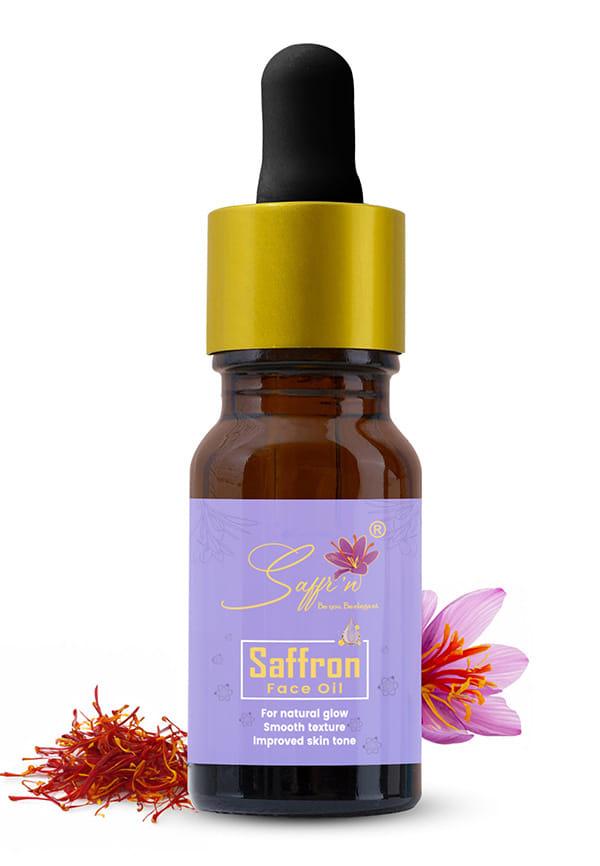
Saffron Face Oil
One of the biggest mistakes people make with their slugging routine is thinking more equals better. Your skin type should dictate how often you slug, not some arbitrary schedule you found online. Dry skin types can typically handle slugging 3-4 times per week, whilst normal skin might only need it once or twice. If you're dealing with slugging dry skin issues, you might even benefit from nightly slugging initially.
For dry skin: Start with twice a week and gradually increase if your skin loves it. You might end up slugging every other night during winter months. Normal skin: Once or twice weekly is usually plenty. Think of it as a weekly treat rather than a daily necessity. Combination skin: Focus on your dry zones only. You might slug your cheeks whilst avoiding your T-zone entirely.
Here's something nobody talks about enough—how do you actually know if slugging is working? Tracking your slugging before and after progress helps you understand whether this method suits your skin. Start by taking photos of your skin before you begin slugging. Use natural light and take shots from different angles. Your skin's texture, hydration levels, and overall appearance should gradually improve.
Pay attention to how your skin feels when you wake up. Does it feel softer? Less tight? These are good signs that the slugging benefits are kicking in. Look for improvements in skin texture—less flakiness, smoother surface, and better makeup application. These changes often appear before visible improvements.
Don't expect overnight miracles. Most people notice improved hydration within the first week, but significant texture improvements take 4-6 weeks of consistent slugging. Keep a simple skin diary noting how your skin feels and looks each morning after slugging. This helps you spot patterns and adjust your routine accordingly.
Even the best slugging routine can hit some bumps. The good news? Most slugging problems have simple solutions that don't require abandoning the method entirely. Breakouts after starting slugging usually mean you're either using too much product, slugging too frequently, or your skin isn't ready for this level of occlusion yet.
If you notice new spots appearing, scale back immediately. Reduce your slugging frequency to once a week and use even less product. Sometimes your skin just needs time to adjust to the slugging method. Always patch test on a small area first—behind your ear or on your inner wrist. Wait 24-48 hours to see how your skin reacts before applying petroleum jelly to your entire face.
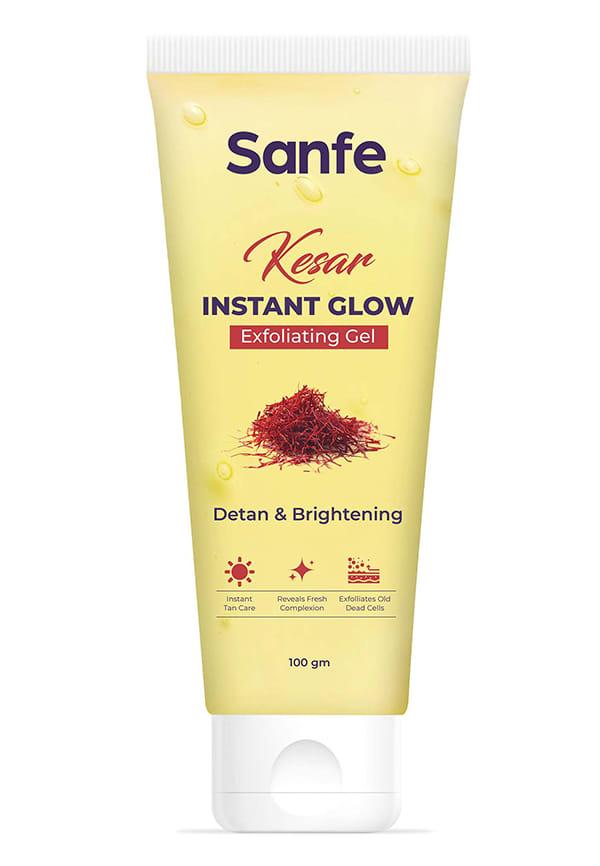
Kesar Instant Glow Exfoliating Gel | Visibly removes tan & brighten skin
Effective for Tan & Brightening
5“Removes tan and brightens skin ”
Effective for Tan & Brightening
5“Removes tan and brightens skin ”
Effective for Tan & Brightening
5“Removes tan and brightens skin ”
Worried about ruining your pillowcase? Use an old pillowcase or place a clean towel over your pillow on slugging nights. The amount you should be using is minimal enough that transfer shouldn't be a major issue. For morning removal, a gentle cleanser is usually enough. Don't scrub or use harsh products—your skin will be more sensitive after a night of slugging. When you're exploring new skincare methods like slugging, having access to trial sizes can be incredibly helpful. Smytten connects you with over 1,500 trusted skincare brands, letting you try products before committing to full sizes. This way, you can test different cleansers, moisturisers, and treatments to perfect your pre-slugging routine without the financial commitment.
Slugging can potentially cause breakouts if you have active acne, use too much product, or slug too frequently. Start slowly and avoid slugging during active breakouts to minimise this risk.
This depends on your skin type. Dry skin can typically handle 3-4 times per week, whilst normal skin might only need once or twice weekly. Start with once a week and adjust based on how your skin responds.
100% pure, fragrance-free petroleum jelly works best for facial slugging. Avoid medicated or scented versions that might irritate your skin.
Be cautious when combining slugging with retinol, as the occlusive barrier can intensify retinol's effects and potentially cause irritation. Consider alternating nights or reducing retinol frequency when starting slugging.
Yes! Squalane oil, ceramide-rich balms, or thick occlusive moisturisers can provide similar barrier-sealing benefits. These slugging alternatives might be better for acne-prone or sensitive skin.
Leave it on overnight—that's the whole point of slugging. Your skin repairs itself during sleep, and the petroleum jelly barrier supports this natural process.
Slugging might sound unconventional, but this simple slugging routine can seriously transform your skin when done right. The key is starting slowly, using the right products, and listening to your skin's needs. Remember, skincare isn't one-size-fits-all. What works brilliantly for your mate might not suit your skin, and that's completely normal. The beauty of slugging lies in its simplicity—it's just you, some petroleum jelly, and patience. With Smytten's extensive range of skincare trial packs, you can experiment with different cleansers, moisturisers, and treatments to build the perfect pre-slugging routine. After all, why settle for 'maybe' when you can try it all and find what actually works for your unique skin?
