7 Skincare Hacks for Combination Skin Perfection

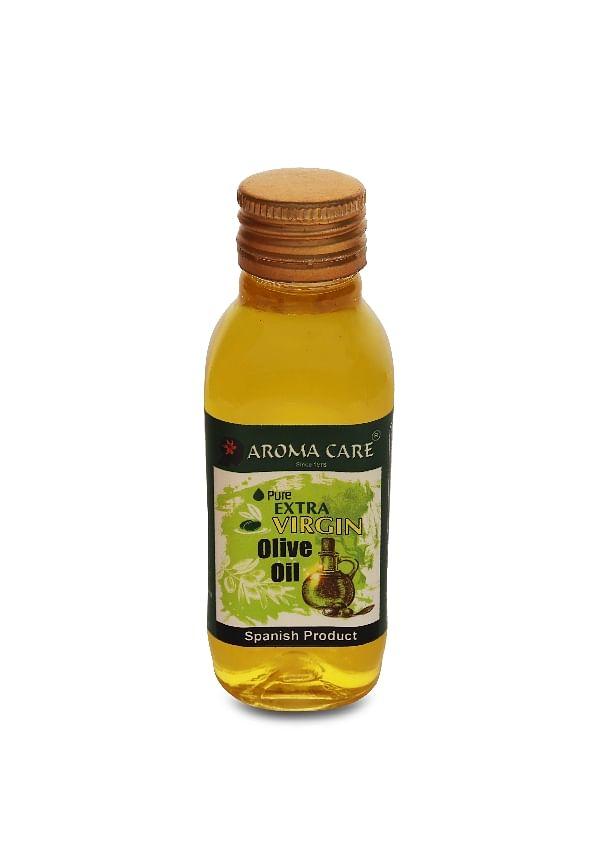
Olive Oil
Good Product, Happy
 5
5“Good product, happy with the product”
Good for Cooling in Summer
4“good for cooling the body. must try in summer”
Authentic Aromatic Benefits
5“very authentic and aromatic with advanced benefits”
Let's be real – combination skin can feel like you're managing two completely different faces at once. Your oily T-zone might be producing enough shine to blind someone, while your dry cheeks are practically begging for moisture. It's the classic skincare plot twist that leaves you wondering if you need two separate routines or one magical solution. The good news? You don't have to choose sides. Here's how it works: with the right hacks, you can create a balanced skincare routine. This approach keeps both zones happy. These seven tried-and-tested tricks can help you navigate the combination skin game like a pro, giving you that balanced glow you've been after.
Combination skin is basically your face playing favourites with oil production. Your T-zone (forehead, nose, and chin) tends to be oily, while your cheeks and outer areas lean towards normal or dry. This happens because you have more oil-producing glands in your T-zone, which pump out more oil. Hormones, genetics, and even the weather can make this contrast more noticeable.
The tricky bit? Most skincare products are designed for one skin type, not this mixed situation. Using the wrong products can make your oily areas greasier or leave your dry patches feeling tight and flaky. That's why combination skin needs a thoughtful approach that treats each zone according to its needs.
The dual cleansing method isn't just a K-beauty trend – it's your combination skin's new BFF. If you're looking to try different cleansers for your combination skin, platforms like Smytten let you discover what works through curated trial packs. Here's the deal with dual cleansing:
For your first cleanse, go for a gentle oil cleanser or micellar water that won't strip your skin. For the second cleanse, pick a gel cleanser for your T-zone if it's particularly oily, or stick with a cream cleanser if your skin is only mildly combination. The key is finding that sweet spot where your oily areas feel clean but your dry patches don't feel tight.
Start by applying your oil cleanser to dry skin, massaging gently for about 30 seconds. Rinse with lukewarm water, then apply your second cleanser, focusing a bit more on your T-zone. Rinse thoroughly and pat dry with a clean towel. This method ensures you're getting rid of all the day's buildup without over-cleansing any area.
Finding a moisturiser for mixed skin can feel like searching for a unicorn, but it's totally doable. The trick is looking for lightweight formulations that hydrate without adding excess oil to your T-zone. Your skin barrier needs moisture everywhere, even in oily areas.
Look for gel-based or lightweight cream moisturisers with ingredients like hyaluronic acid, which hydrates without heaviness. Avoid anything too rich or pore-clogging. Water-based formulas are your friend here – they give your dry areas the moisture they crave while keeping your T-zone comfortable.
Apply your moisturiser while your skin is still slightly damp to lock in extra hydration. Use a lighter hand on your T-zone and be more generous on your cheeks and dry areas. If needed, you can even use two different moisturisers – a gel for your oily zones and a cream for dry patches.
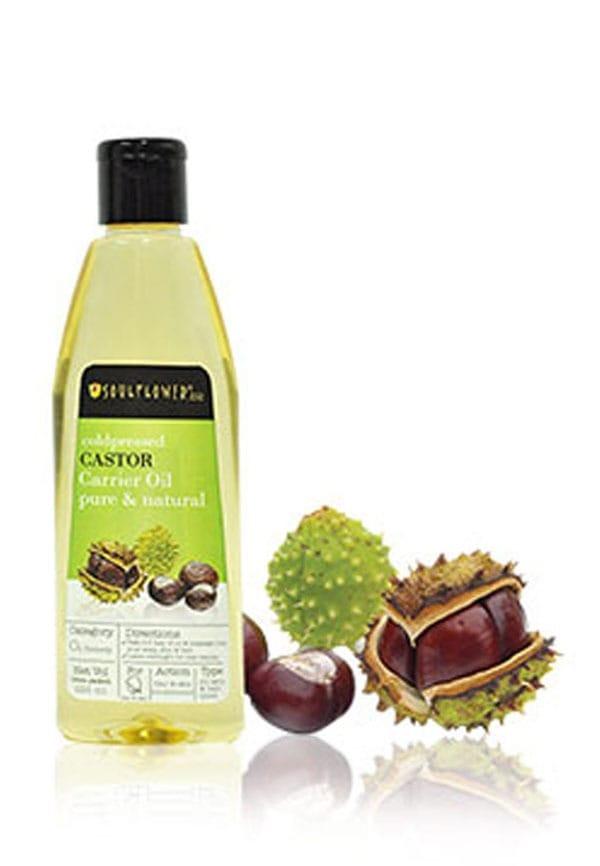
Coldpressed Castor Carrier Oil
Multi-masking is basically the ultimate hack for combination skin. Instead of using one mask for your entire face, you apply different masks to different areas based on what each zone needs. It might look a bit rainbow-ish in your selfies, but your skin might thank you.
For your oily T-zone, clay or charcoal masks work brilliantly to absorb excess oil and refine pores. For dry cheeks, go for hydrating or nourishing masks with ingredients like hyaluronic acid or ceramides. Sheet masks can also be cut up and placed strategically on different areas.
Apply your clay mask to the T-zone first, then your hydrating mask to the cheeks and dry areas. Make sure the masks don't overlap – you want clean lines between different zones. Leave them on for the recommended time, then remove gently with lukewarm water and a soft cloth.
A hydrating serum is like that reliable friend who gets along with everyone – it works beautifully for combination skin. Serums are lightweight but powerful, delivering active ingredients without the heaviness that might make your T-zone feel greasy. They're the perfect middle ground for mixed skin types.
Hyaluronic acid is the star player here – it's known for its incredible water-holding capacity, making it perfect for hydrating dry areas without overwhelming oily zones. Niacinamide is another winner, helping to balance oil production while providing hydration. Vitamin B5 and glycerin are also gentle, effective options.
Apply your hydrating serum after cleansing but before moisturiser. Use gentle patting motions rather than rubbing, and give it a minute to absorb before applying your next product. You can use it morning and night – it's gentle enough for daily use and plays well with other skincare ingredients.
Exfoliation for combination skin is all about balance. Your oily T-zone might need more frequent exfoliation to prevent clogged pores, while your dry areas need gentler treatment. Getting this balance right can make a huge difference in your skin's texture and appearance.
Chemical exfoliants like BHA (Beta Hydroxy Acid, such as salicylic acid) are brilliant for oily areas as they can penetrate pores and clear out buildup. For dry areas, gentle AHA (Alpha Hydroxy Acid, like glycolic or lactic acid) works well. If you prefer physical exfoliation, choose something very gentle with fine particles, and use it sparingly.
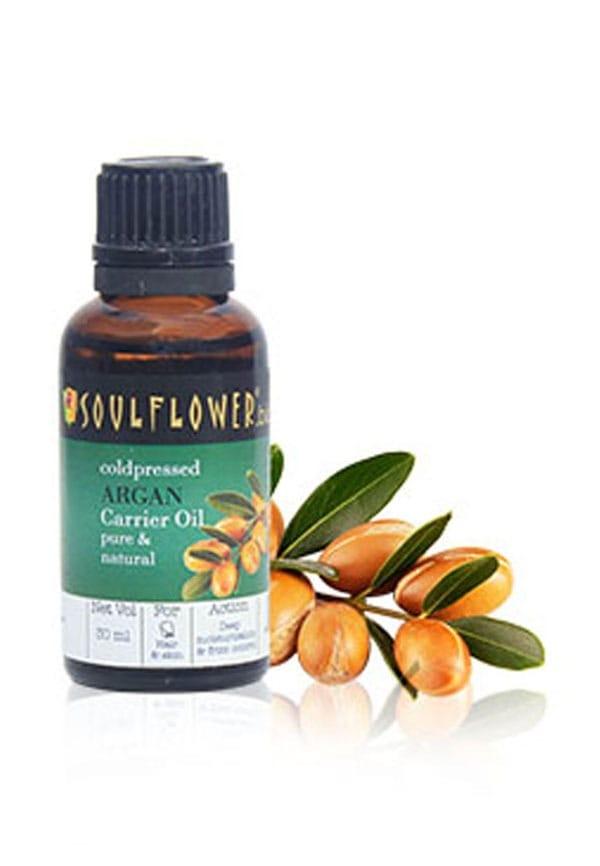
Coldpressed Argan Carrier Oil
Start with once or twice a week and see how your skin responds. You might find your T-zone can handle more frequent exfoliation than your cheeks. Apply the exfoliant with gentle motions, focusing on areas that tend to get congested but being lighter on sensitive or dry patches.
Pore-refining products are your T-zone's best mate. These products typically contain ingredients that help reduce the appearance of pores and control oil production. The key is using them strategically on areas that actually need them, rather than your entire face.
Niacinamide is fantastic for refining pore appearance and regulating oil production. Retinol can also help with pore size over time, though start slowly if you're new to it. Salicylic acid keeps pores clear, while zinc helps control oil production without over-drying.
Focus these products on your T-zone where pores tend to be more visible. Apply them after cleansing but before moisturiser. Start with a small amount – these products can be potent, and you don't want to over-treat your skin. Consistency is key, so use them regularly rather than sporadically.
A mattifying primer can be a game-changer for combination skin, especially if you wear makeup. It creates a smooth base while controlling shine in your T-zone throughout the day. Think of it as creating the perfect canvas for whatever comes next.
Look for primers with oil-absorbing ingredients like silica or kaolin clay. Water-based formulas tend to work better for combination skin than oil-based ones. Some primers also contain skincare benefits like SPF or pore-refining ingredients, which can be worth obsessing over.
Apply primer after your moisturiser has fully absorbed. Focus on your T-zone where you tend to get oily, but you can use a light layer all over if needed. Let it set for a minute before applying makeup. A little goes a long way – using too much can make your makeup pill or slide around.
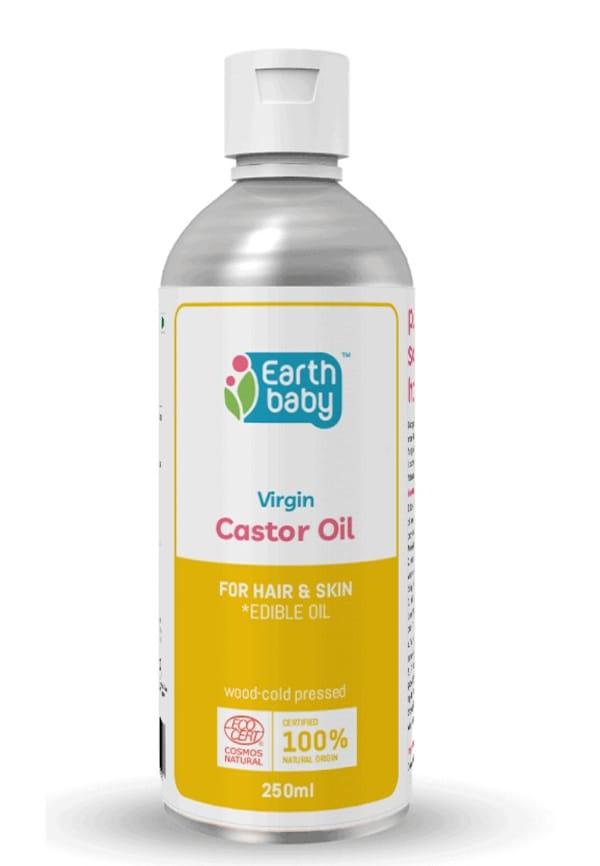
Cold Pressed Castor Oil
Combination skin is primarily caused by genetics and hormones. Your T-zone has more sebaceous glands, which produce more oil than other areas of your face. Factors like age, climate, and even stress can influence how pronounced the combination pattern is.
Absolutely! Your skin type can shift due to hormonal changes, aging, climate, or even seasonal variations. Many people find their skin becomes less oily as they age, while others might notice changes during pregnancy or menopause.
Your basic routine can stay consistent, but you might need to adjust products seasonally. In winter, you might need richer moisturisers for dry areas, while summer might call for lighter formulations. Listen to your skin and adjust as needed.
For beginners, start with a gentle cleanser, a lightweight moisturiser, and a broad-spectrum sunscreen. Look for products labeled "non-comedogenic" or "for combination skin". As you get more comfortable, you can add targeted treatments like serums or exfoliants.
If your T-zone (forehead, nose, and chin) tends to be oily while your cheeks are normal or dry, you likely have combination skin. You might notice larger pores and shine in your T-zone, but feel tightness or see flakiness on your cheeks.
You can, but it might not be ideal. Many people with combination skin prefer using a lighter gel moisturiser on their T-zone and a richer cream on drier areas. However, if you find a balanced moisturiser that works for your whole face, that's perfectly fine too.
While oily skin is oily all over, combination skin has oily areas (typically the T-zone) and normal to dry areas (usually the cheeks). Oily skin might need oil-control products all over, while combination skin requires a more targeted approach.
Managing combination skin doesn't have to feel like solving a puzzle. With these seven hacks, you can create a balanced skincare routine that addresses each zone's needs without overcomplicating things. Remember, consistency is more important than perfection – find what works for your skin and stick with it.
The beauty of having combination skin is that you get to be strategic about your skincare choices. What might seem challenging at first can actually become your superpower once you understand how to work with your skin's natural patterns. Whether you're dealing with an oily T-zone, dry cheeks, or trying to perfect that multi-masking technique, the key is patience and finding the right products for your unique needs.
If you're curious about trying new products but worried about committing to full sizes, platforms like Smytten make it easier to experiment. With curated trial packs from trusted skincare brands, you can test different products for your combination skin without the risk. These might just become your new faves! After all, why settle for maybe when you can Try It All?
