7 Simple Steps to Determine Your Skin Type at Home
Published Date - 29 August 2025
4.2|(Combo)
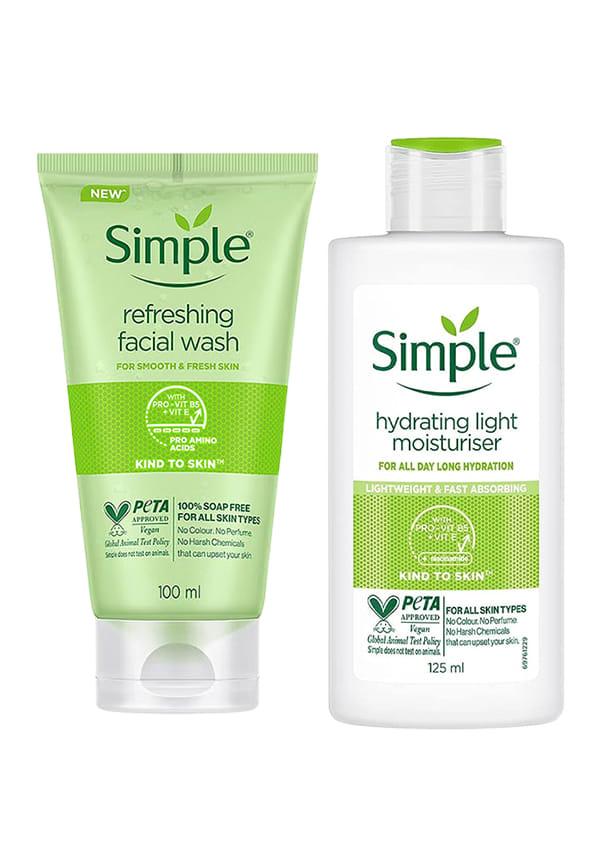
Simple
Sensitive Skin Essentials Duo
₹ 74045 % OFF
₹ 407
Reviews from genuine users
Product Met Expectations
5
“The product received is as per the expectation.”
Nirav Boghra20 Oct 2025
Hydrates skin well
4
“it's very nice and hydrates my skin”
Priyanka Prajapati18 Oct 2025
Good & Recommended Product
5
“good and very nice product..must recommend”
Krash Gupta13 Oct 2025
Ever wonder why that skincare routine your mate swears by just isn't doing it for you? The secret might be simpler than you think – it's all about knowing your skin type. Real talk, most of us are just winging it when it comes to our skincare game, but understanding whether you've got oily, dry, combination, normal, or sensitive skin is the game-changer you've been looking for. These seven simple steps will help you crack the code on your skin type from the comfort of your own home, no fancy equipment needed. Let's dive into how to know your skin type at home!
Understanding Skin Types: The Foundation of Skincare
Your skin type is basically your skin's personality – how it behaves naturally without any products interfering. Think of it as your skin's default settings. Several factors influence this, including genetics, hormones, age, and even the climate you live in. Understanding these factors that determine your skin type helps you make sense of what you're working with.
There are five main skin types to know about: oily, dry, combination, normal, and sensitive. Each one has its own quirks and needs different care. Once you've figured out which camp you're in, choosing the right products becomes so much easier.
Step 1: Cleanse Your Face
First things first – you need a clean slate for an accurate skin type test at home. Start with a gentle cleanser to remove any makeup, dirt, or leftover products from your skin. Think of this as hitting the reset button on your face.
Use a mild, non-stripping cleanser and lukewarm water. Avoid anything too harsh or overly moisturising at this stage – you want your skin in its most natural state. Pat your face dry with a clean towel, being gentle around the delicate eye area.
Step 2: Wait and Observe
Here's where patience comes in handy. After cleansing, resist the urge to slap on your usual products. Instead, let your skin do its thing for about 30 minutes to an hour. This waiting period is crucial for accurate facial skin analysis.
During this time, your skin will start showing its true colours. Some areas might feel tight, others might start looking shiny, and you might notice different sensations across your face. This bare-face method is one of the most reliable ways to assess your skin's natural behaviour.
Step 3: T-Zone Analysis
Your T-zone – that's your forehead, nose, and chin – is like the control centre for oil production. This area typically has more sebaceous glands, making it a key indicator of your overall skin type. Take a close look at how this area feels and appears after your waiting period.
Is it looking shiny? Feeling oily to the touch? Or maybe it feels just right – not too oily, not too dry? The T-zone often tells a different story from the rest of your face, especially if you have combination skin.
Oily Skin Characteristics
If your T-zone (and possibly your whole face) is looking like it could power a disco ball, you might have oily skin. Look for that telltale shine, enlarged pores, and a slightly thicker skin texture. Oily skin characteristics also include being more prone to blackheads and breakouts, especially in this area.
Normal Skin Traits
Lucky you if your T-zone looks balanced – not too shiny, not too matte. Normal skin traits include even texture, barely visible pores, and that naturally healthy glow that doesn't scream "I need blotting papers." Your skin feels comfortable and looks clear without much fuss.
Step 4: Examine Your Cheeks
Now shift your attention to your cheeks – this is where things get interesting. Your cheek area often behaves differently from your T-zone and can reveal whether you have dry, normal, or combination skin. Feel the texture and notice any tightness or flakiness.
Are your cheeks feeling a bit parched? Maybe you notice some rough patches or fine lines that seem more prominent? Or perhaps they feel just as balanced as your T-zone? This contrast between different areas of your face is totally normal and helps paint the full picture.
Dry Skin Indicators
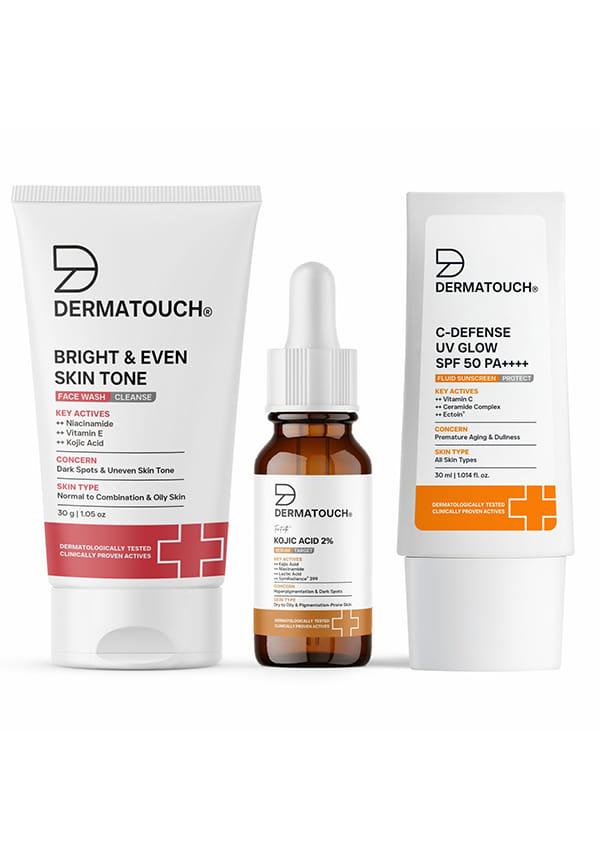
(70 gm)
Dermatouch
Bright & Even Tone Kit for All Skin Types
₹ 59838 % OFF
₹ 369
If your cheeks feel tight, look a bit dull, or have some flaky patches, these are classic dry skin indicators. You might also notice that fine lines appear more visible, and your skin feels like it's constantly thirsty for moisture. Dry skin often feels uncomfortable, especially after cleansing.
Combination Skin Signs
Here's where it gets fun – if your T-zone is oily but your cheeks are normal or dry, welcome to the combination skin club. Combination skin signs include having different needs across your face. It's like having two different skin types that somehow need to coexist peacefully.
Step 5: Conduct the Blotting Paper Test
Time for a bit of detective work with blotting papers. If you don't have any lying around, clean tissue paper works too. Gently press the paper against different areas of your face – forehead, nose, chin, and cheeks.
Hold the paper up to the light and see what you've collected. Lots of oil spots? That's oily skin talking. Little to no oil? You're probably dealing with dry skin. Oil only from the T-zone area? Combination skin it is. This simple test gives you visual proof of your skin's oil production patterns.
Step 6: Assess Skin Sensitivity
Sensitive skin deserves special attention because it can overlap with any other skin type. Think about how your skin typically reacts to new products, weather changes, or even stress. Does it get red easily? Feel stingy with certain ingredients?
Sensitivity isn't just about dramatic reactions – it can be subtle too. Maybe your skin feels irritated by fragrances, or it gets red spots from products that work fine for your friends. Pay attention to these patterns because they're important clues.
Sensitive Skin Symptoms
Sensitive skin symptoms can include redness, burning, stinging, or itching when you use certain products. You might also notice that your skin reacts to environmental factors like wind, heat, or even certain fabrics. If your skin throws a tantrum easily, sensitivity is likely part of your skin story.
Step 7: Consider Your Skin's Reaction to Products
Your skin's response to different products is like a conversation – it tells you what it likes and what it definitely doesn't. Think about patterns you've noticed over time. Does your skin drink up heavy moisturisers or does it feel suffocated? Do lightweight products leave you feeling parched?
This step is about connecting the dots between your observations and your past experiences. If you've tried products specifically for oily skin and they worked well, that's a strong indicator. Same goes for products designed for dry or sensitive skin. Smytten's trial packs can be particularly helpful here, allowing you to test various products suited to different skin types without committing to full-size purchases.
Putting It All Together: Your Personal Skin Type Profile
Now comes the fun part – combining all your observations into a clear picture. Look at the evidence you've gathered from each step. Is there a consistent theme? Maybe your T-zone screams oily while your cheeks whisper dry – that's combination skin talking.
Remember, skin types aren't always textbook perfect. You might have oily skin that's also sensitive, or normal skin that leans slightly dry. The goal is to understand your skin's main personality traits so you can treat it right.
Tailoring Your Skincare Routine to Your Skin Type
Once you know your skin type, the real magic happens – creating a skincare routine for skin types that actually works for you. Each skin type has its own needs and responds better to certain ingredients and formulations.
Consistency is your best friend here. It's better to stick with a simple routine that suits your skin type than to constantly switch products. Give your skin time to adjust and show you what it thinks of your new approach.
Skincare Routine for Oily Skin
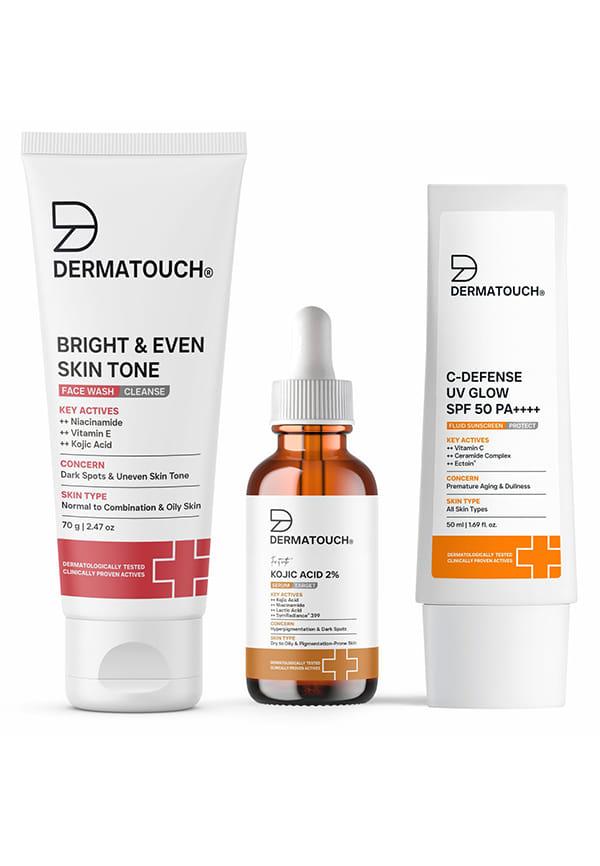
(150 gm)
Dermatouch
Bright & Even Tone Kit for All Skin Types
₹ 117737 % OFF
₹ 740
Oily skin often responds well to ingredients like salicylic acid, niacinamide, and gentle clay masks. Look for lightweight, oil-free moisturisers and don't skip the hydration step – even oily skin needs moisture. The key is balancing oil control with proper hydration.
Skincare Routine for Dry Skin
Dry skin typically thrives with rich moisturisers, hyaluronic acid, and gentle, creamy cleansers. Avoid harsh scrubs and alcohol-based products that can strip your skin further. Think hydration, hydration, hydration – and then seal it in with a good moisturiser.
Skincare Routine for Combination Skin
Combination skin might need a bit of multitasking – lighter products on oily areas and richer ones on dry spots. You can also use different products on different areas of your face. It's like customising your routine to each zone's needs.
Skincare Routine for Normal Skin
Normal skin is pretty easygoing but still benefits from a consistent routine. Focus on maintaining that natural balance with gentle cleansing, light moisturising, and sun protection. Think of it as keeping a good thing going.
Skincare Routine for Sensitive Skin
Sensitive skin needs the gentle approach – fragrance-free products, minimal ingredients, and lots of patch testing. Look for soothing ingredients like aloe vera, chamomile, and avoid known irritants like harsh acids or fragrances.
When to Seek Professional Help
Sometimes DIY skin analysis has its limits. If you're dealing with persistent skin issues, sudden changes, or if you're just not sure about your assessment, a dermatologist skin assessment can provide professional insights.
Professional help is especially valuable if you have specific skin concerns like acne, rosacea, or unusual reactions to products. Dermatologists have tools and expertise that can reveal things you might miss at home.
Frequently Asked Questions
Can my skin type change over time?
Absolutely. Your skin type can shift due to hormonal changes, age, climate, medications, and lifestyle factors. It's worth reassessing every few years or when you notice significant changes in how your skin behaves.
How often should I reassess my skin type?
5.0|(Combo)
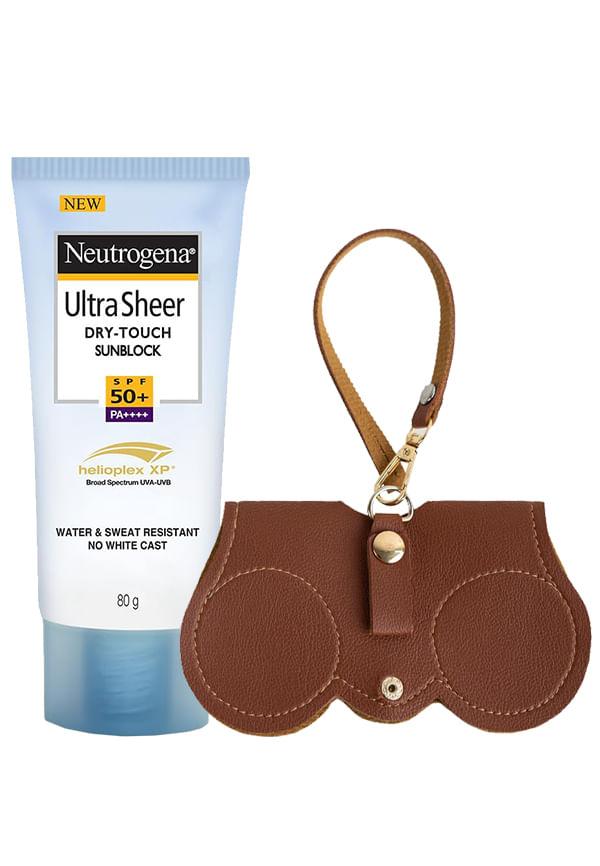
Neutrogena
Summer-Ready Kit
₹ 126010 % OFF
₹ 1134
A good rule of thumb is to reassess annually or whenever you notice your usual routine isn't working as well. Major life changes, new climates, or different life stages might call for a fresh evaluation.
Does diet affect my skin type?
While diet doesn't change your fundamental skin type, it can influence how your skin behaves. What you eat can affect oil production, inflammation, and overall skin health, which might make your skin seem different.
Can weather conditions impact my skin type?
Weather definitely affects how your skin behaves, but it doesn't change your underlying skin type. Your oily skin might feel drier in winter or your dry skin might feel oilier in humid weather, but the basic type remains the same.
Are there any at-home devices for skin type analysis?
There are some gadgets available, but the simple observation methods we've covered are quite reliable and cost-effective. High-tech isn't always necessary – your skin tells its own story pretty clearly when you know what to look for.
What if I have multiple skin types?
It's common to have combination skin, where different areas of your face exhibit different characteristics. In this case, you might need to tailor your skincare routine to address each area's specific needs.
How accurate are at-home skin type tests?
At-home tests can be quite accurate if done correctly. However, for persistent issues or if you're unsure, it's always best to consult a dermatologist for a professional assessment.
Can skincare products change my skin type?
While skincare products can't change your inherent skin type, using the wrong products for your skin can exacerbate issues or create new ones. That's why it's crucial to use products suited to your skin type.
What's the difference between skin type and skin condition?
Skin type refers to your skin's natural characteristics (oily, dry, combination, etc.), while skin conditions are specific issues that can affect any skin type (acne, rosacea, eczema, etc.). Understanding both is key to effective skincare.
Final Thoughts
Figuring out your skin type doesn't have to be rocket science. These seven simple steps give you a solid foundation for understanding what your skin needs. From the initial cleanse to analysing different zones of your face, each step builds a clearer picture of your skin's personality.
Once you know whether you're dealing with oily, dry, combination, normal, or sensitive skin, the skincare world becomes much less overwhelming. You can focus on products and ingredients that actually work for your specific needs instead of trying every trending product that pops up on your feed.
Smytten, India's largest product discovery and trial platform, can be your perfect partner in this skincare journey. With over 1,500 trusted brands offering mini-sized products, Smytten allows you to test different formulations suited to your newly discovered skin type without the commitment of full-size purchases. Their innovative approach lets you try up to 8 minis for just ₹249, with 100% cashback redeemable for future orders. This makes finding your perfect skincare routine both affordable and risk-free – because why settle for 'maybe' when you can Try It All and discover what actually works for your unique skin?
Remember, understanding your skin type is just the beginning. It's an ongoing process of listening to your skin, adapting to its changes, and finding the products that make it happy. So go ahead, get to know your skin – it's the first step towards that healthy, glowing complexion you've been dreaming of!


 5
5