7 Reasons Why Your Face Craves Moisturizer Now

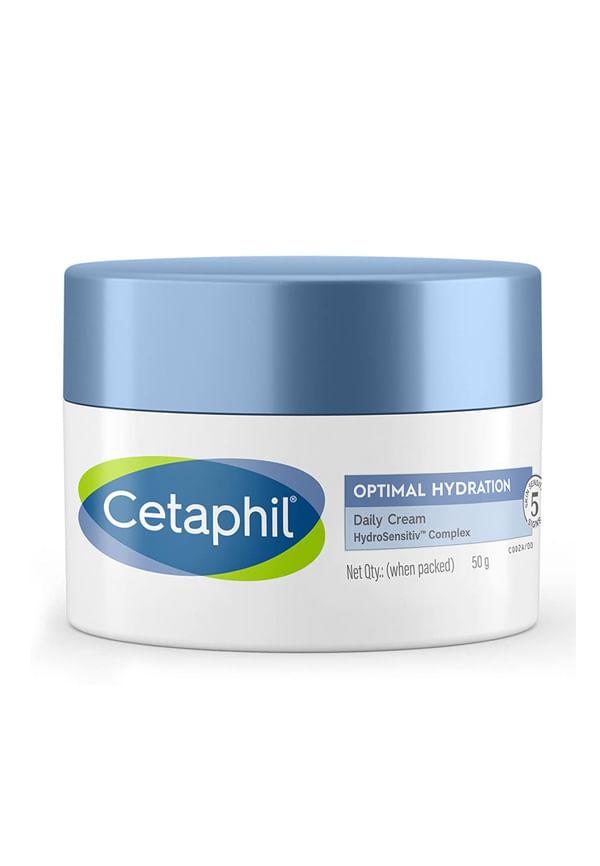
Optimal Hydration Daily Cream
Ever wondered why your face needs moisturiser even when it doesn't feel particularly dry? Your skin is constantly sending signals that it's craving hydration, but we often miss these subtle cues until dryness becomes obvious. The truth is, every skin type—from oily to sensitive—benefits from proper moisturising, and the reasons go far beyond just preventing flaky patches. Understanding the importance of moisturising face daily can transform your skincare routine and give you that healthy, glowing complexion you've been after. Let's dive into the seven science-backed reasons why your face is practically begging for that daily dose of moisture.
Your skin speaks a language that's easy to misinterpret. That tight feeling after cleansing? That's not your skin being "clean"—it's crying out for hydration. When your skin feels rough to the touch or makeup doesn't apply smoothly, these are early warning signs that your moisture barrier needs backup. The difference between dehydrated and dry skin is crucial to understand. Dehydrated skin lacks water and can affect any skin type, whilst dry skin lacks oil and is typically a skin type you're born with. Both conditions benefit from proper moisturising, but they might need different approaches. Here's a quick test: gently pinch the skin on your cheek and release. If it bounces back immediately, you're well-hydrated. If it takes a moment to return to normal, your skin is telling you it needs more moisture. The best time to apply moisturiser is within three minutes of cleansing, when your skin is still slightly damp—this helps lock in that extra hydration.
Your skin barrier is like a protective shield that keeps the good stuff in and the bad stuff out. But this barrier faces daily attacks from pollution, UV rays, harsh weather, and even over-cleansing. When this protective layer becomes compromised, you'll notice increased sensitivity, redness, and that uncomfortable tight feeling. Moisturiser acts as reinforcement for your natural barrier function. It contains ingredients like ceramides, fatty acids, and humectants that help repair and strengthen this protective layer. Think of it as giving your skin the tools it needs to do its job properly. The importance of moisturising face becomes crystal clear when you realise that a damaged barrier leads to accelerated ageing, increased sensitivity, and a dull complexion. Regular moisturising helps maintain the barrier's integrity, keeping your skin looking healthy and resilient.
Here's something that might surprise you: dehydrated skin shows signs of ageing much faster than well-moisturised skin. When your skin lacks moisture, fine lines become more pronounced, and your complexion can look dull and tired. Well-hydrated skin appears plumper and more youthful because moisture fills in those tiny lines and gives your skin that coveted glow. The face moisturiser benefits extend beyond immediate comfort—they're an investment in your skin's future appearance. Consistent moisturising helps maintain skin elasticity and supports the natural repair processes that keep your skin looking fresh. It's like giving your skin a daily drink of water, but from the outside in. The face cream benefits compound over time, so starting a good routine early pays dividends later.
This might sound counterintuitive, but if you have oily skin and skip moisturiser, you're actually making the problem worse. When your skin is dehydrated, it compensates by producing more oil to protect itself. It's like your skin's panic response to feeling vulnerable. Choosing the right oily skin moisturiser is key. Look for lightweight, gel-based, or water-based formulas that hydrate without adding extra oil. Ingredients like hyaluronic acid and niacinamide are brilliant for oily skin because they provide hydration whilst helping to regulate sebum production. Even combination skin benefits from this approach. You might need different products for different areas of your face, but the principle remains the same: proper hydration helps balance oil production naturally. Finding the best face moisturiser for your skin type might take some trial and error, but the results are worth it.
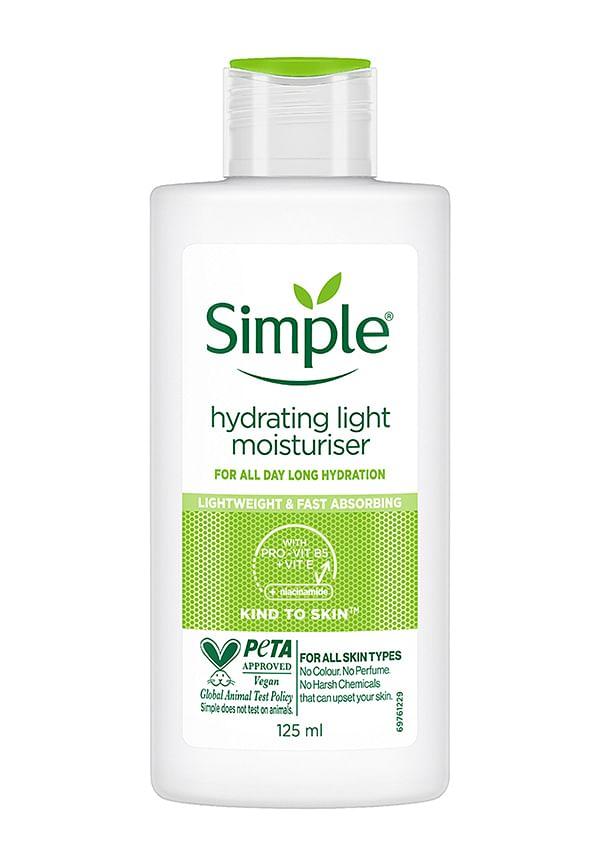
Kind To Skin Hydrating Light Moisturiser
Inflammation is often at the root of many skin concerns, from acne to rosacea to general sensitivity. A good moisturiser doesn't just add hydration—it can actually help calm inflammation and reduce redness. Look for moisturiser for sensitive skin that contains soothing ingredients like aloe vera, chamomile, or centella asiatica. These ingredients work alongside hydrating components to calm irritated skin whilst providing the moisture it needs to heal and repair. For those dealing with dry skin solutions, a rich, nourishing moisturiser can provide immediate relief from itching, flaking, and discomfort. The key is finding products that hydrate without causing further irritation—fragrance-free and hypoallergenic formulas are often your best bet.
Think of moisturiser as the foundation of your daily skincare routine. When your skin is properly hydrated, it's better able to absorb and utilise other skincare products like serums, treatments, and actives. Dehydrated skin can actually become a barrier to product absorption. If you're using expensive serums or treatments but skipping moisturiser, you're not getting the full benefit of those products. Proper hydration creates the ideal environment for active ingredients to penetrate and work effectively. Learning how to hydrate skin properly involves understanding the right order of application. Generally, you'll want to apply products from thinnest to thickest consistency, with moisturiser being one of the final steps to seal everything in.
Your face is constantly exposed to environmental stressors that can damage and dehydrate your skin. Air conditioning, heating, wind, and pollution all work to strip moisture from your skin throughout the day. A good moisturiser creates a protective film on your skin's surface that helps prevent water loss and shields against environmental aggressors. Some moisturisers also contain antioxidants that help neutralise free radicals from pollution and UV exposure. Seasonal changes also affect your skin's moisture needs. Winter air is typically drier and can leave your skin feeling tight and uncomfortable, whilst summer heat and humidity might make you think you don't need moisturiser—but you absolutely do. Your skin needs consistent hydration year-round, though you might need to adjust your formula based on the season.
Your skin is constantly renewing itself, shedding old cells and creating new ones. This process works best when your skin is properly hydrated. Moisture supports cellular turnover, helping your skin maintain its natural glow and smooth texture. When skin is dehydrated, this renewal process can become sluggish, leading to a buildup of dead skin cells that make your complexion look dull and feel rough. Regular moisturising helps maintain the optimal environment for healthy cell turnover. Proper hydration also supports your skin's natural repair mechanisms. Whether you're dealing with minor irritation, environmental damage, or the effects of ageing, well-moisturised skin heals and recovers more efficiently than dehydrated skin.
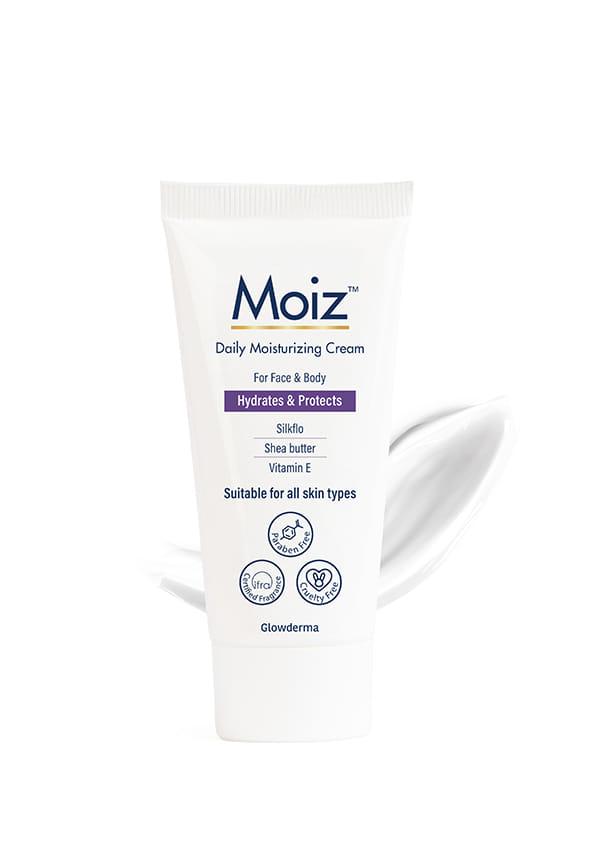
Daily Moisturizing Cream for Face & Body
Selecting the right moisturiser starts with understanding your skin type and concerns. Oily skin typically benefits from lightweight, gel-based formulas, whilst dry skin needs richer, cream-based products. Sensitive skin requires gentle, fragrance-free options with minimal ingredients. Application technique matters just as much as product choice. Always apply moisturiser to clean, slightly damp skin using gentle upward motions. Don't forget your neck and the delicate area around your eyes (though you might want a separate eye cream for this area).
Your morning moisturiser should be lightweight and play well with makeup and SPF. Look for formulas that absorb quickly and provide a good base for your daily routine. Night moisturisers can be richer and more nourishing since you don't need to worry about makeup application. This is when your skin does most of its repair work, so giving it extra hydration and nutrients can enhance this natural process.
Using too much product can actually clog pores and prevent proper absorption. A pea-sized amount is usually sufficient for your entire face. Applying moisturiser to completely dry skin reduces its effectiveness. Your skin should be clean but slightly damp when you apply your moisturiser. Skipping moisturiser because you have oily skin is one of the biggest mistakes you can make. Remember, all skin types need hydration. With platforms like Smytten, you can explore different moisturisers through trial-sized products before committing to full-size purchases. This approach lets you test how different formulas work with your skin without the risk of wasting money on products that don't suit you. Smytten's curated trial packs from trusted brands make it easy to find your perfect match whilst staying within budget.
Absolutely. Your skin loses moisture constantly throughout the day and night, regardless of your skin type. Daily moisturising helps maintain your skin's protective barrier and prevents dehydration that can lead to various skin issues.
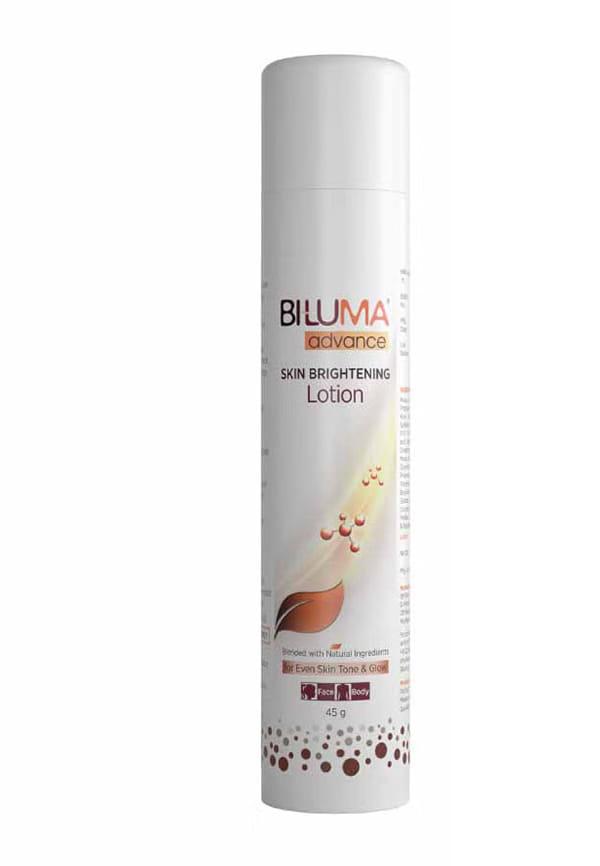
Advance Skin Brightening Lotion
Yes, many moisturisers contain anti-inflammatory ingredients like niacinamide, aloe vera, or ceramides that can help calm irritated skin whilst providing hydration. A well-moisturised skin barrier is also less likely to become inflamed in the first place.
Skipping moisturiser can lead to dehydration, increased oil production (even in oily skin), premature ageing, and a compromised skin barrier. Your skin might become more sensitive, prone to irritation, and less effective at protecting itself from environmental damage.
Your skin should feel comfortable throughout the day, not tight or dry. You'll notice improved texture, reduced flaking or rough patches, and better makeup application. Over time, you should see a more even complexion and fewer signs of dehydration.
Using a moisturiser that's too heavy for your skin type can potentially clog pores and contribute to milia formation. The key is choosing the right formula for your skin type and using the appropriate amount.
Understanding why your face needs moisturiser goes beyond preventing dry patches—it's about supporting your skin's overall health and function. From strengthening your protective barrier to preventing premature ageing, the benefits of consistent moisturising compound over time. The key is finding the right product for your unique skin needs and making it a non-negotiable part of your routine. Whether you're dealing with oily, dry, sensitive, or combination skin, there's a moisturiser out there that can transform your complexion. Smytten makes this discovery process easier and more affordable by offering trial-sized products from over 1,500 trusted brands. With options to try up to 8 minis for just ₹249 and 100% cashback on trial purchases, you can explore different moisturisers without the commitment. Once you find your perfect match, purchasing the full-size version is just a click away. With over 25 million users trusting Smytten for their skincare discoveries, you're in good company on your journey to healthier, more hydrated skin.
