7 Quick Ways to Soothe Skin Irritation Fast


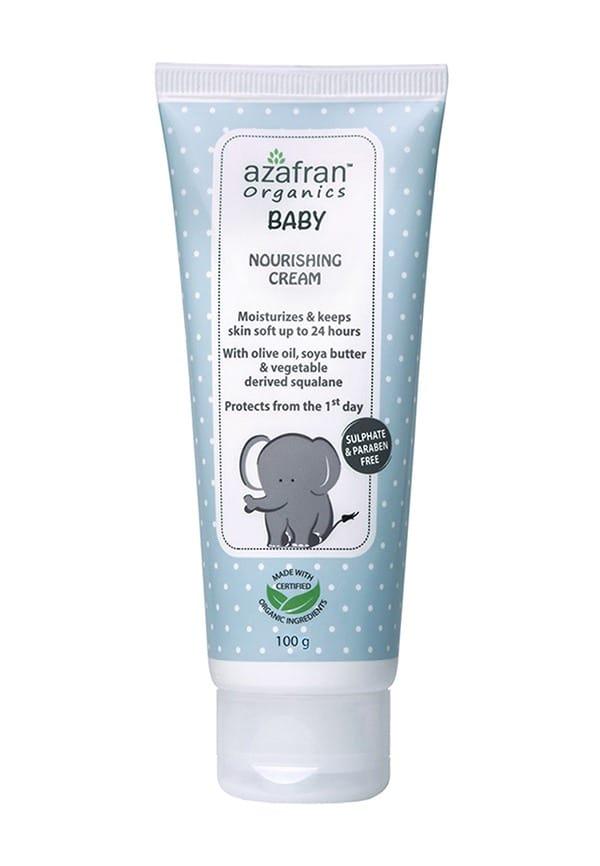
Baby Nourishing Cream
Dealing with angry, irritated skin? We've all been there—that annoying itch, redness, or burning sensation that seems to come out of nowhere. Whether it's from a new product, environmental factors, or just one of those days when your skin decides to throw a tantrum, knowing how to soothe skin irritation quickly can be a total game-changer. The good news? You don't need to suffer through it or wait days for relief. With the right approach and a few tried-and-tested methods, you can calm your skin and get back to feeling comfortable in no time.
Before diving into solutions, let's talk about what might be causing your skin to act up. Skin irritation can pop up for loads of reasons—from using a new product that doesn't agree with you, to environmental triggers like pollution or weather changes. Sometimes it's contact dermatitis from touching something your skin doesn't fancy, or it could be an underlying condition like eczema having a moment. The telltale signs are pretty obvious: redness, itching, burning, swelling, or that tight, uncomfortable feeling. Your skin might look angry and inflamed, and trust us, it probably feels just as frustrated as it looks. The key is recognising these symptoms early so you can jump into action with the right skin irritation relief methods.
When your skin is throwing a fit, sometimes the simplest solution is the most effective. Cold compresses are your first line of defence for instant skin irritation relief. The cold temperature helps reduce inflammation, numbs the area to stop that maddening itch, and gives your skin a chance to chill out—literally. Here's how to do it right: grab a clean cloth and soak it in cold water, or wrap some ice cubes in a thin towel. Gently press it against the irritated area for 10-15 minutes. Don't go overboard with the cold—you want relief, not frostbite. This method works brilliantly for red skin treatment and can provide almost immediate comfort.
Never apply ice directly to your skin, especially when it's already irritated. Always use a barrier like a cloth or towel. You can repeat this every few hours as needed, but give your skin breaks in between to avoid overdoing it.
A good soak can work wonders for calming skin all over your body. But we're not talking about any old bath—these are therapeutic soaks designed specifically for sensitive skin care and itchy skin remedies.
Colloidal oatmeal is basically finely ground oats that create a milky, soothing bath. It's packed with compounds that reduce inflammation and create a protective barrier on your skin. Add about a cup to lukewarm bathwater and soak for 15-20 minutes.
Baking soda helps restore your skin's natural pH balance, which can get thrown off when irritation strikes. Mix 4-5 tablespoons into your bath for a gentle, alkalising soak that helps reduce itching.
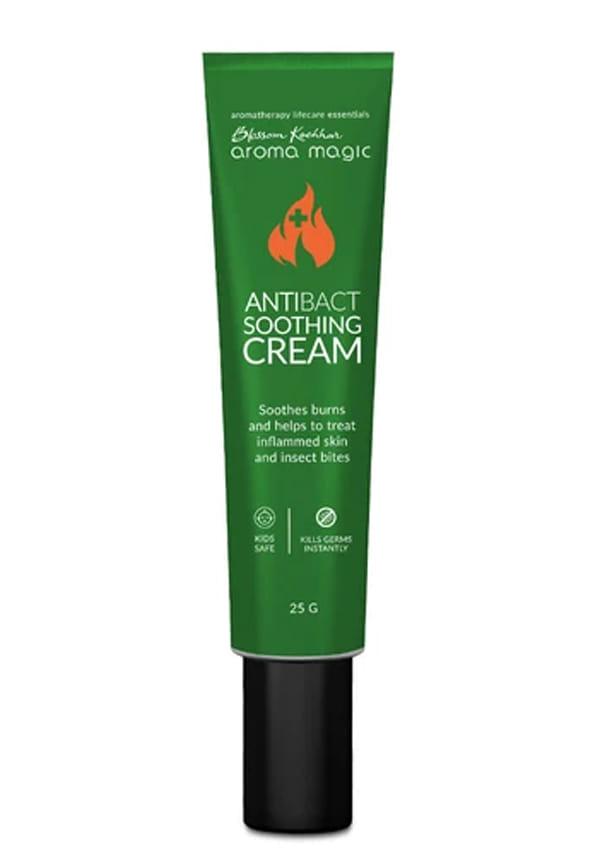
Anti Bact Soothing Cream
Epsom salts aren't just for sore muscles—they're brilliant for reducing skin inflammation too. The magnesium helps calm irritated skin and can provide significant relief from itching and redness.
When your skin is having a moment, it's not the time to experiment with new products or stick with your usual routine if it includes harsh ingredients. This is where gentle, fragrance-free soothing skincare becomes absolutely essential. Look for cleansers that are specifically formulated for sensitive skin—they'll clean without stripping your skin's natural protective barrier. Ingredients like aloe vera, ceramides, and niacinamide are your friends right now. They help repair, soothe, and protect irritated skin without causing further drama.
Skip anything with alcohol, strong fragrances, or harsh exfoliants. Your skin is already stressed, so the last thing it needs is more irritation. Stick to the basics until things calm down.
Sometimes you need to bring in the big guns with targeted treatments that get straight to work on the irritated area. There are loads of options, from natural remedies for skin irritation to over-the-counter solutions.
Aloe vera gel is probably the most famous natural remedy for a reason—it's incredibly soothing and has anti-inflammatory properties. Keep a tube in your fridge for extra cooling relief. Chamomile, whether as a compress made from cooled tea or in cream form, is another gentle option that helps calm angry skin.
Hydrocortisone cream is brilliant for reducing inflammation and itching, but use it sparingly and not for extended periods. Calamine lotion is old-school but effective, especially for itchy, weepy irritation. Zinc oxide creates a protective barrier and helps healing.
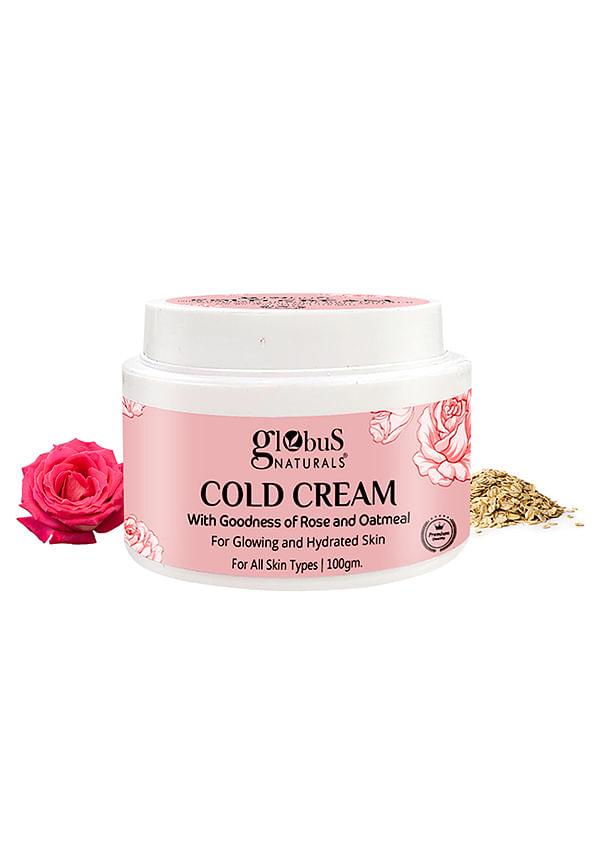
Cold Cream Quick Absorbing & Non Sticky Formula
Good Product
 4
4“good product very nice product”
Don't skip moisturiser, even if your skin feels sensitive. Choose something gentle and apply it while your skin is still slightly damp to lock in hydration. This helps repair your skin barrier and prevents further irritation.
Your surroundings play a bigger role in skin health than you might think. Making a few tweaks to your environment and lifestyle can significantly help with how to calm irritated skin and prevent future flare-ups.
Switch to breathable, natural fabrics like cotton or bamboo. Synthetic materials can trap heat and moisture, making irritation worse. Wash new clothes before wearing them to remove any manufacturing chemicals that might trigger sensitivity.
Dry air can make skin irritation worse, especially during winter months. A humidifier in your bedroom can help maintain optimal moisture levels for your skin to heal and stay comfortable.
Stress can absolutely make skin inflammation worse—it's not just in your head. Practice stress management techniques like deep breathing or meditation. Also, prioritise good sleep, as this is when your skin does most of its repair work.
Prevention is always better than cure, and identifying what's causing your skin to react is crucial for long-term skin irritation relief. Common culprits include hot water (stick to lukewarm), harsh soaps, certain fabrics, and even stress. Pay attention to when your skin acts up—is it after using a particular product, eating certain foods, or during stressful periods? Keeping a simple diary can help you spot patterns and avoid future irritation.
Irritated skin is more vulnerable to sun damage, so don't skip the SPF. Choose a mineral sunscreen with zinc oxide or titanium dioxide, as these are less likely to cause further irritation than chemical sunscreens.
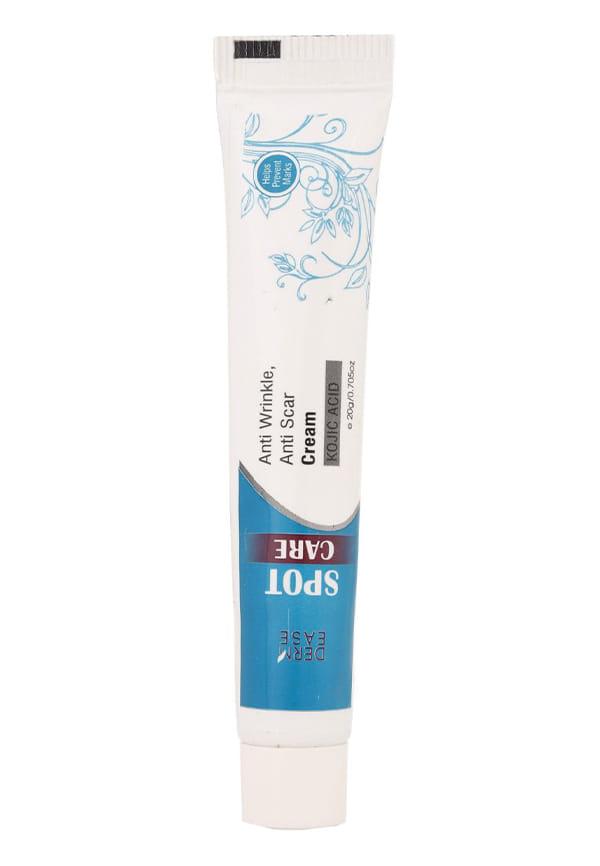
Spot Care Anti Wrinkle Cream
While most skin irritation can be managed at home, sometimes you need expert help. If your symptoms persist for more than a few days, are getting worse despite treatment, or if you develop signs of infection like pus or red streaks, it's time to see a dermatologist. Severe reactions, widespread irritation that doesn't respond to home treatment, or symptoms that interfere with your daily life all warrant professional attention. Don't tough it out if your skin isn't improving—there are prescription treatments that can provide relief when over-the-counter options aren't cutting it. When you're dealing with persistent skin issues, finding the right products can feel overwhelming. This is where platforms like Smytten come in handy—you can try mini versions of gentle, soothing skincare products from trusted brands like Cetaphil and Dot & Key before committing to full sizes. It's a smart way to test what works for your sensitive skin without the risk of wasting money on products that might not suit you.
Cold compresses are your quickest bet for immediate relief. The cold temperature numbs the area and reduces inflammation almost instantly. You can also try applying aloe vera gel straight from the fridge or using an over-the-counter anti-itch cream with hydrocortisone.
Keep your bedroom cool and use breathable bedding. Take a lukewarm bath with colloidal oatmeal before bed, and apply a gentle moisturiser while your skin is still damp. Consider using a humidifier to prevent dry air from making itching worse.
For widespread itching, try a full-body soak with baking soda or colloidal oatmeal. Wear loose, breathable clothing and avoid hot showers. If the itching is severe or persistent, see a doctor as it could indicate an underlying condition that needs treatment.
Combine cold compresses for immediate relief with gentle, fragrance-free moisturising to support your skin barrier. Avoid further irritants and give your skin time to heal—usually 3-7 days for minor irritation. Consistency with gentle care is key.
Yes, conditions like eczema, psoriasis, allergies, or even internal issues like liver or kidney problems can cause ongoing skin irritation. If your symptoms don't improve with basic care or keep coming back, definitely see a healthcare professional for proper diagnosis and treatment.
Dealing with skin irritation doesn't have to be a nightmare. With these seven quick methods, you've got a proper toolkit for tackling everything from minor redness to more stubborn flare-ups. Remember, the key is acting fast and being gentle with your skin while it heals. The best approach combines immediate relief methods like cold compresses with longer-term strategies like using gentle products and avoiding known triggers. And here's the thing—what works for your mate might not work for you, so don't be afraid to try different approaches until you find your perfect combination. Smytten's trial platform makes it easier than ever to discover gentle, effective products for sensitive skin care without the commitment of full-size purchases. With over 1,500 trusted brands available in mini sizes, you can build a personalised routine that actually works for your skin's unique needs. After all, why settle for products that might irritate your skin when you can try them first and find what truly soothes and calms?
