7 Proven Ways to Stop Acne Causes & Breakouts

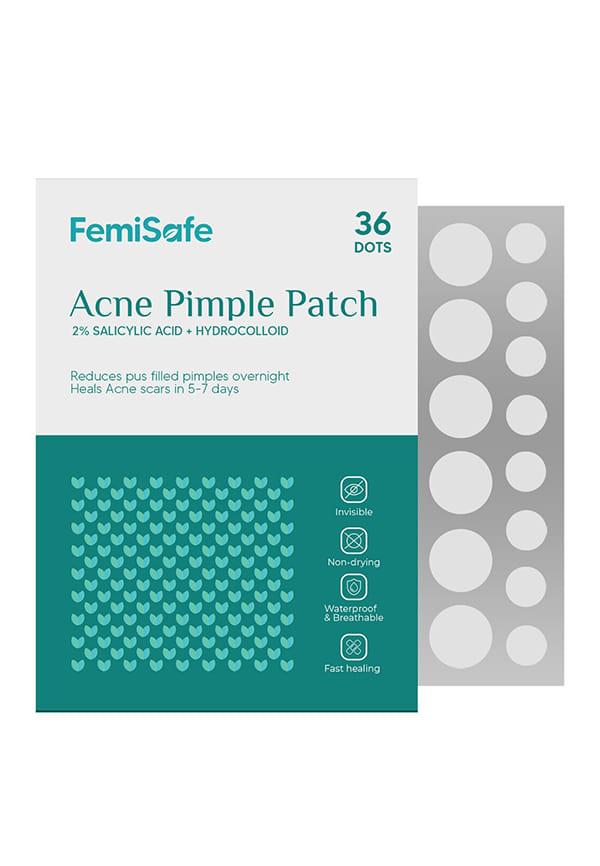
Acne Pimple Patch
Let's be real—dealing with acne can feel like fighting an invisible enemy that keeps coming back just when you think you've won. Whether you're dealing with the occasional breakout or more persistent skin concerns, understanding acne causes and prevention is your first step towards clearer, happier skin. The good news? There are proven methods that actually work, and we're about to break them down in a way that makes sense for your daily life. From identifying different types of acne to mastering the right skincare routine, these seven strategies will help you take control of your skin's story.
Before diving into solutions, it's worth understanding what causes those unwelcome visitors on your face. Acne happens when four main factors team up against your skin: excess oil production, clogged pores, bacteria growth, and skin inflammation. Think of it like a perfect storm brewing beneath the surface. Your skin naturally produces sebum (oil) to keep itself moisturised and protected. But sometimes, your sebaceous glands go into overdrive, producing more oil than your skin needs. When this excess oil mixes with dead skin cells, it can clog your pores. Add bacteria (specifically Propionibacterium acnes) into the mix, and you've got the recipe for inflammation and breakouts.
Hormones play a massive role in acne development, especially during puberty, menstrual cycles, and times of stress. Androgens like testosterone can increase oil production, which explains why breakouts often coincide with hormonal fluctuations. If your parents dealt with acne, there's a good chance genetics are playing a role in your skin's behaviour too.
Adult acne often differs from teenage breakouts in both location and causes. While teen acne typically appears in the T-zone, adult acne often shows up along the jawline and chin, usually linked to hormonal changes and stress.
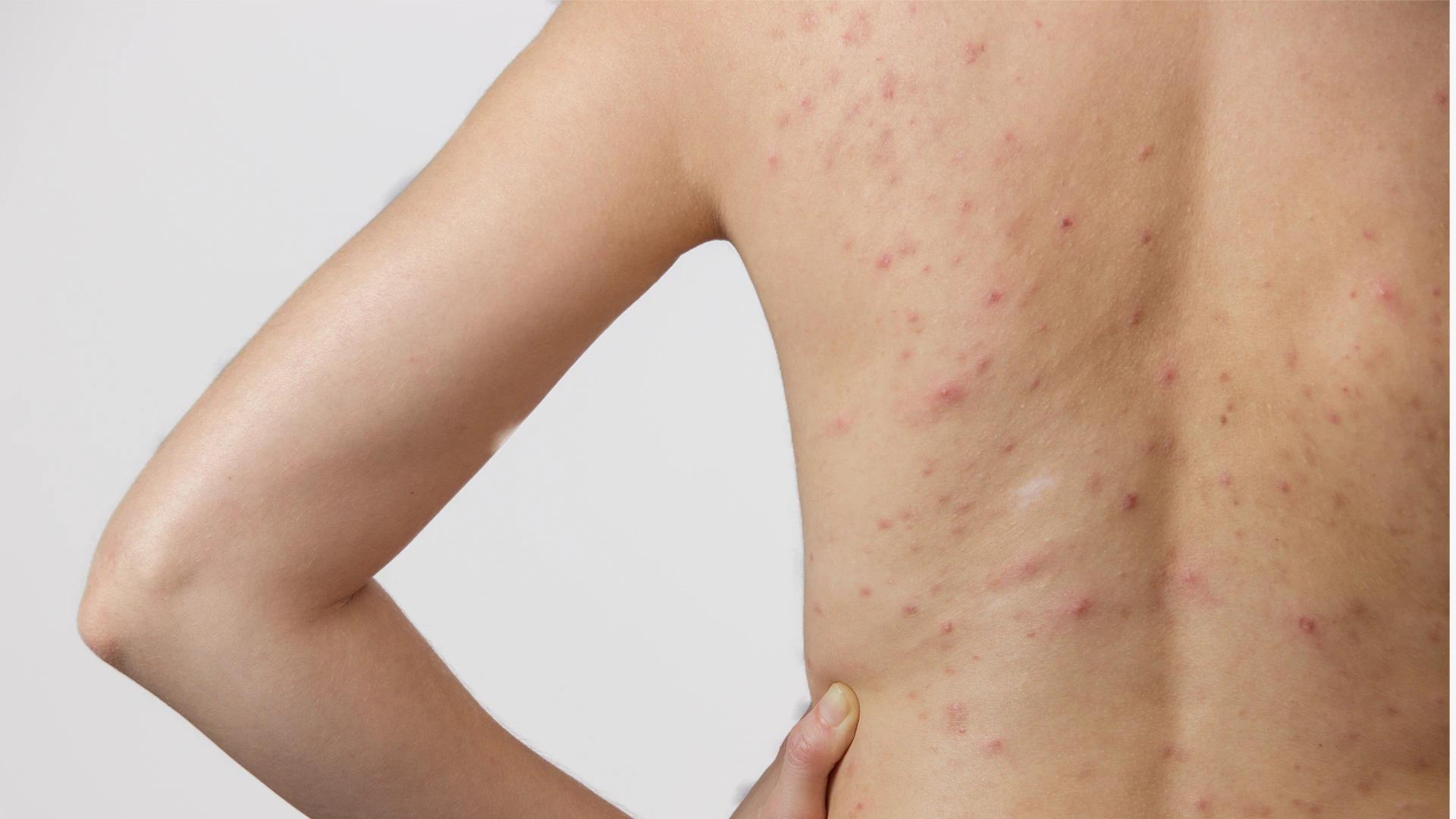
Not all breakouts are created equal, and understanding the types of acne you're dealing with helps you choose the right approach. Let's break down what you might be seeing in the mirror. Non-inflammatory acne includes blackheads and whiteheads—those are your milder forms that don't involve redness or swelling. Blackheads happen when pores are partially blocked, allowing the trapped material to oxidise and turn dark. Whiteheads occur when pores are completely blocked, creating those small, flesh-coloured bumps.
Papules are small, red, tender bumps without a visible centre. Pustules are similar but contain pus, creating that white or yellow centre you might be tempted to squeeze (resist the urge!). Nodules are larger, deeper, and more painful—these form when clogged pores become severely inflamed.
Cystic acne represents the most severe type, involving deep, painful cysts that can lead to scarring. These require professional treatment and shouldn't be tackled with over-the-counter products alone. If you're dealing with cystic acne, it's worth consulting a dermatologist for proper acne treatment options.
Your daily skincare routine is your first line of defence against breakouts. The key is consistency and using the right products for your skin type. A good routine doesn't need to be complicated—sometimes simpler is better. Start with a gentle cleanser twice daily. Look for a face wash for acne that removes excess oil without stripping your skin completely. Over-cleansing can actually make acne worse by triggering your skin to produce even more oil to compensate.
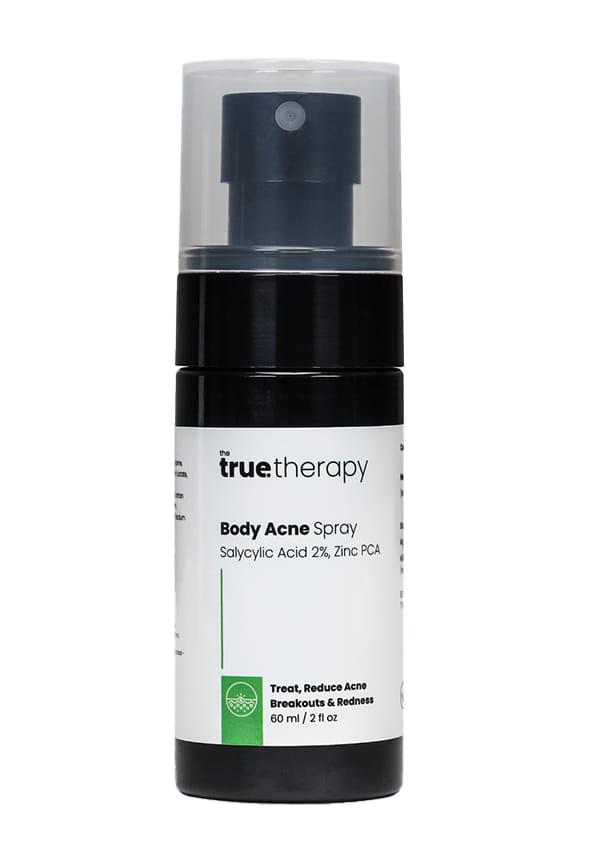
Body Acne Spray
Mornings should focus on protection. After cleansing, apply any treatment products, followed by a lightweight moisturiser and broad-spectrum SPF. Yes, even acne-prone skin needs moisture and sun protection.
Evenings are for repair and treatment. This is when you'd use stronger active ingredients like retinoids or exfoliating acids. Always follow up with a moisturiser to maintain your skin barrier.
Salicylic acid and benzoyl peroxide are two powerhouse ingredients that target different aspects of acne formation. Understanding how to use them properly can make a significant difference in your skin's clarity. Salicylic acid is a beta-hydroxy acid that penetrates into pores, helping to dissolve the buildup of dead skin cells and oil. It's particularly effective for blackheads and whiteheads. Start with a 0.5% to 2% concentration and use it once daily to begin with.
Benzoyl peroxide works differently—it kills acne-causing bacteria and helps reduce inflammation. It's available in concentrations from 2.5% to 10%, but starting low is wise as it can be quite drying. This ingredient is particularly effective for inflammatory acne.
You can use both ingredients, but not necessarily at the same time. Many people find success using salicylic acid in the morning and benzoyl peroxide at night, or alternating days. Always introduce one new product at a time to see how your skin responds.
Sometimes the most effective acne treatment involves looking beyond skincare products. Your lifestyle, stress levels, and hormonal health all play crucial roles in skin clarity. Stress triggers cortisol production, which can increase oil production and inflammation. Finding healthy ways to manage stress—whether through exercise, meditation, or hobbies you enjoy—can genuinely improve your skin.
While the relationship between diet and acne isn't completely straightforward, some people find that high-glycemic foods and dairy can trigger breakouts. Pay attention to your skin after eating certain foods to identify potential triggers.
Poor sleep affects hormone regulation and can worsen acne. Aim for 7-9 hours of quality sleep and consider changing your pillowcases regularly to reduce bacteria buildup.
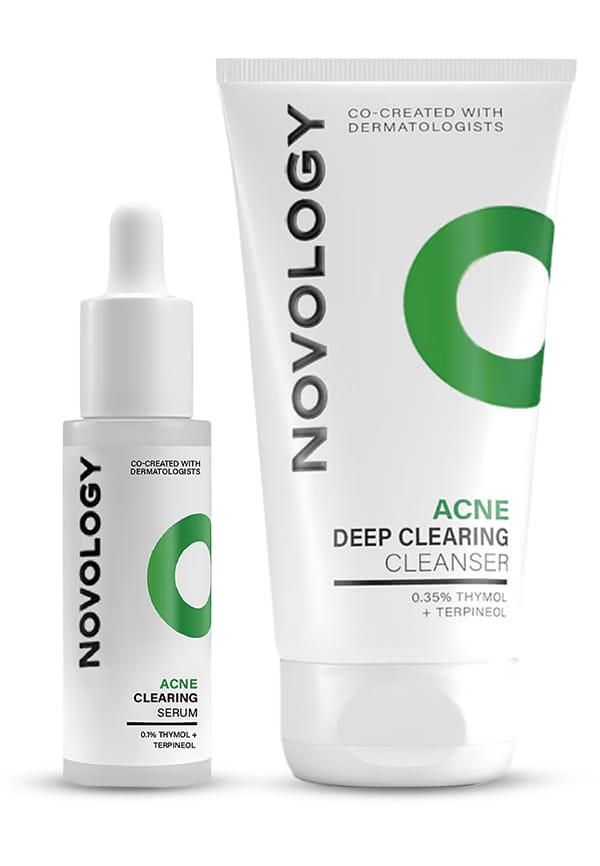
Anti-Acne Solution Combo
Effective for oily, acne-prone skin
 5
5“Very effective for oily andacne prone skin”
Sometimes, despite your best efforts with over-the-counter products, you need professional intervention. Dermatologists have access to prescription treatments that can be game-changers for persistent acne. Prescription retinoids like tretinoin are incredibly effective for preventing clogged pores and reducing inflammation. Oral antibiotics might be recommended for inflammatory acne, while hormonal treatments can help women whose breakouts are clearly linked to their menstrual cycle.
In-office treatments like chemical peels, extractions, and light therapy can complement your home routine. These procedures should only be performed by trained professionals to avoid scarring or further irritation.
Most acne treatment options take 6-12 weeks to show significant results. Patience is crucial—jumping between products too quickly can actually make things worse.
Your environment and the products you use daily can significantly impact your skin's behaviour. Clear skin tips often involve making small adjustments to your surroundings and habits. Pollution, humidity, and seasonal changes all affect your skin. In humid weather, you might need lighter products, while dry seasons may require more moisture. Pay attention to how your skin responds to different environments.
Look for non-comedogenic products that won't clog pores. When trying new skincare products, especially those targeting acne, it's smart to test them first. This is where platforms like Smytten become invaluable—you can try mini versions of products from trusted brands like Cetaphil and Dot & Key before committing to full sizes.
Travel can disrupt your skin routine, but maintaining consistency is key. Pack travel-sized versions of your essential products and stick to your routine as much as possible.
Finding the right products for your skin can feel overwhelming, especially when full-size products are expensive and you're not sure they'll work. This is where smart product discovery becomes crucial for your skin journey. With over 1,500 trusted brands available in trial sizes, you can explore different acne treatment options without the financial risk. Whether you're curious about a new face wash for acne or want to try a product with salicylic acid, testing mini versions first helps you make informed decisions.
Every skin is different, and what works for your friend might not work for you. By trying various products in smaller sizes, you can build a personalised skincare routine that actually addresses your specific needs and skin type.
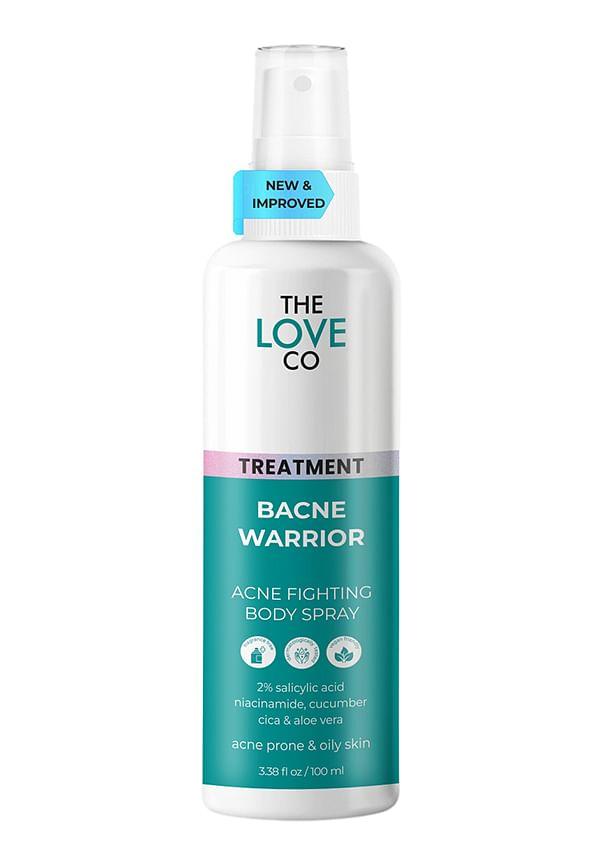
Bacne Warrior Acne Fighting Body Spray
Ineffective for Backne
5“Does not work well enough for backne.”
Effective Acne Treatment
4“prevent acne and works on spots too”
Fast Results
5“I could see visible result within 2 months.”
Perhaps the most important strategy is maintaining consistency with whatever routine you choose. Skincare isn't about quick fixes—it's about building healthy habits that support your skin long-term. Keep a simple skin diary noting what products you're using and how your skin responds. This helps you identify patterns and understand what's working. Remember, most effective pimple remedies take time to show results.
Once you find a routine that works, stick with it. Your skin will thank you for the consistency. Make adjustments gradually and only when necessary.
The key to acne causes and prevention lies in gentle, consistent care. Avoid over-washing or using harsh scrubs, which can irritate your skin and trigger more oil production. Stick to a simple routine with proven ingredients, and resist the urge to pick at your skin.
Adult acne often appears along the jawline and chin, typically linked to hormonal fluctuations and stress. Teenage acne usually affects the T-zone and is primarily driven by puberty-related hormone surges.
Yes, but introduce them gradually. You can often combine salicylic acid and benzoyl peroxide, but use them at different times of day or on alternating days to avoid irritation.
Most treatments take 6-12 weeks to show significant improvement. Some people see initial changes in 2-4 weeks, but patience is crucial for lasting results.
Absolutely! Skipping moisturiser can actually make acne worse by causing your skin to produce more oil to compensate. Choose a lightweight, non-comedogenic formula.
Dealing with acne doesn't have to be a guessing game. By understanding acne causes and prevention, identifying your specific types of acne, and building a consistent skincare routine with proven ingredients, you're setting yourself up for success. Remember, finding the right products often involves some trial and error. That's why exploring different options through trial sizes can be so valuable—you get to discover what works for your unique skin without the commitment of full-size products. Whether you're looking for the perfect face wash for acne or want to experiment with salicylic acid or benzoyl peroxide treatments, starting small and building up is always the smartest approach. Smytten makes this journey easier by offering curated trial packs from over 1,500 trusted brands, letting you explore and experience products before committing to full-size purchases. With options to try up to 8 minis for just ₹249 and 100% cashback on trial purchases, you can build your perfect skincare routine without breaking the bank. After all, why settle for 'maybe' when you can try it all and find what truly works for your skin?
