7 Proven Ways to Stop Acne Causes and Prevention


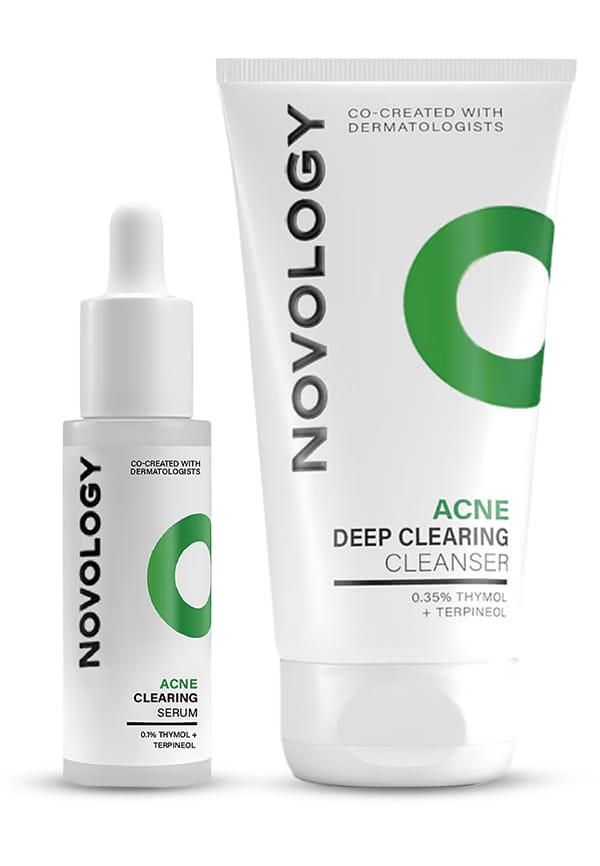
Anti-Acne Solution Combo
Effective for oily, acne-prone skin
 5
5“Very effective for oily andacne prone skin”
Let's be real—acne doesn't just disappear when you hit your twenties. Whether you're dealing with stubborn breakouts or trying to prevent them altogether, understanding acne causes and prevention is your first step towards clearer skin. Studies show that nearly 85% of people experience acne at some point, and it's not just a teenage thing anymore. Adult acne affects millions, making effective prevention strategies more important than ever. The good news? Science has given us proven methods that actually work. From tweaking your skincare routine to making simple lifestyle changes, these seven evidence-backed approaches will help you tackle breakouts at their source and keep your skin looking its best.
Before diving into solutions, it's worth knowing what's actually happening beneath your skin. Acne isn't just about being "dirty" or eating too much chocolate—though diet does play a role. The real culprits are a bit more complex, and understanding them helps you choose the right acne treatment approach.
Your skin has four main enemies when it comes to breakouts. First up is excess sebum production, which creates those oily skin solutions we're always searching for. When your sebaceous glands go into overdrive, they produce more oil than your skin can handle.
Next, we've got clogged hair follicles—this is where pore cleansing becomes crucial. Dead skin cells mix with that excess oil, creating the perfect storm for blockages. Then there's bacterial overgrowth, specifically Propionibacterium acnes, which thrives in these clogged environments. Finally, your immune system responds with skin inflammation, leading to those red, angry bumps we all know too well.
Adult acne is more common than you might think. Hormonal fluctuations don't stop after your teens—stress, menstrual cycles, and even certain medications can trigger breakouts well into your thirties and beyond.
Environmental factors like pollution, humidity, and even your phone screen can contribute to adult acne. Plus, many of us unknowingly use products that clog pores or over-cleanse our skin, disrupting its natural balance.
Your daily skincare routine is your first line of defence against breakouts. But here's the thing—more isn't always better. A simple, consistent routine often beats an elaborate 12-step process that you can't maintain.
Start with gentle cleansing twice daily using facial cleansers designed for your skin type. Morning routines should include a mild cleanser, followed by a lightweight moisturiser and SPF. Evening routines can handle slightly stronger actives, but always follow up with hydration.
The key is consistency over intensity. Your skin needs time to adjust to new products, so introduce changes gradually. This approach helps prevent the irritation that can actually worsen breakouts.
Look for non-comedogenic labels—these products won't clog your pores. Ingredients like salicylic acid, niacinamide, and gentle retinoids can help with blemish control without being too harsh.
Avoid products with heavy fragrances, alcohol-based toners, or overly aggressive scrubs. These can strip your skin's natural barrier, leading to more oil production and irritation. Remember, the goal is balance, not squeaky-clean skin.
While that slice of pizza won't directly cause a pimple overnight, your overall diet does influence your skin's health. An anti-acne diet focuses on reducing inflammation and supporting your skin's natural healing processes.
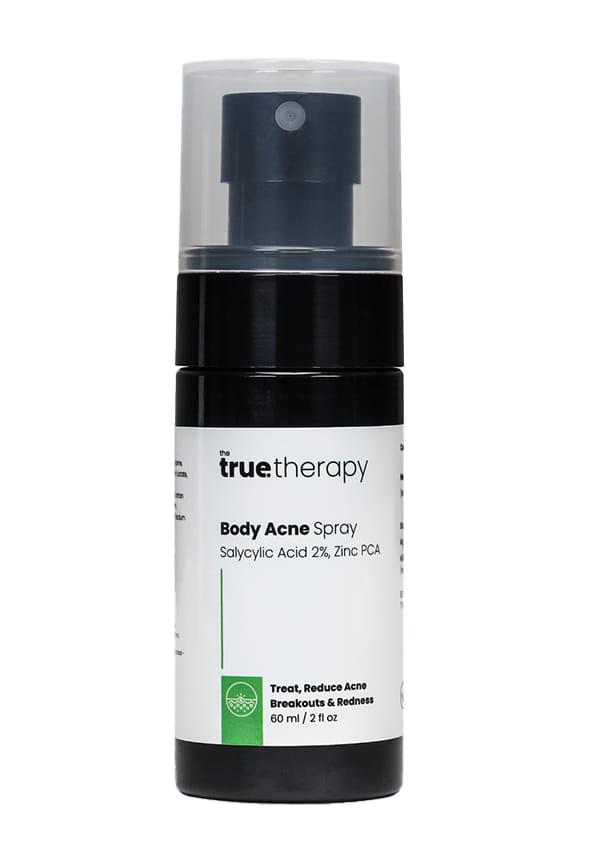
Body Acne Spray
Foods with a high glycemic index—think white bread, sugary snacks, and processed foods—can spike insulin levels and potentially trigger breakouts. Dairy products might also be problematic for some people, though the evidence is still mixed.
On the flip side, foods rich in omega-3 fatty acids, antioxidants, and zinc can support clearer skin. Think salmon, leafy greens, berries, and nuts. Staying hydrated is equally important—aim for at least eight glasses of water daily to help flush out toxins.
Try incorporating anti-inflammatory foods into your daily meals. A breakfast of oatmeal with berries, a lunch salad with salmon, and dinner featuring lean proteins with plenty of vegetables can all support skin health.
Consider supplements like zinc, vitamin D, or omega-3s if your diet lacks these nutrients. However, always consult with a healthcare provider before starting any supplement regimen.
When prevention isn't enough, targeted treatments can help clear existing breakouts and prevent new ones. The key is choosing the right approach for your specific skin concerns and sticking with it long enough to see results.
Salicylic acid is brilliant for pore cleansing—it penetrates deep into follicles to clear out debris. Start with a 0.5% concentration and work your way up if needed. Benzoyl peroxide targets bacteria effectively but can be drying, so use it sparingly at first.
Retinoids, available over-the-counter as retinol or adapalene, help speed up cell turnover and prevent clogged pores. These are particularly effective for long-term prevention but require patience—results typically take 6-12 weeks to show.
Tea tree oil has antimicrobial properties that can help with spot treatments. Dilute it properly (5-10% concentration) to avoid irritation. Clay masks can absorb excess oil and provide gentle exfoliation, making them great weekly treatments.
Honey, particularly manuka honey, has anti-inflammatory properties that can soothe irritated skin. These pimple remedies work best as part of a comprehensive routine rather than standalone solutions.
Your daily habits play a huge role in skin health. Small changes in how you manage stress, sleep, and general hygiene can make a significant difference in preventing breakouts.
Chronic stress increases cortisol levels, which can trigger more oil production and inflammation. Regular exercise, meditation, or even just taking time for hobbies you enjoy can help manage stress levels.
Quality sleep is equally important—aim for 7-9 hours nightly. During sleep, your skin repairs itself and regulates hormone production. Poor sleep can disrupt this process and lead to more breakouts.
Change your pillowcases regularly, clean your phone screen daily, and avoid touching your face throughout the day. These simple habits prevent bacteria transfer that can contribute to breakouts.
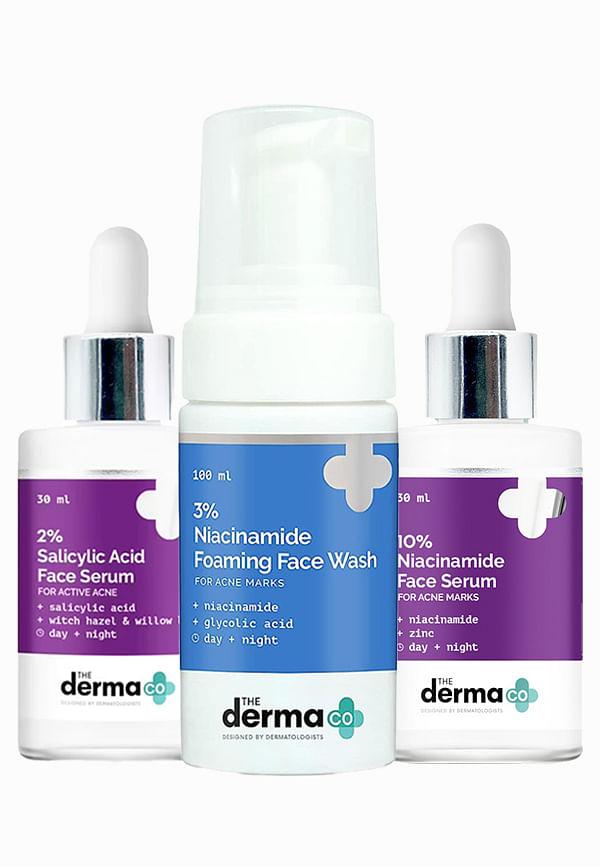
Anti Acne Treatment Kit
Good Product and Delivery
5“good product and delivery service”
Loved this amazing product
5“wow I love this product amazing”
Good for skin, 2 months use
5“good for the skin I m using it from 2 month”
Be mindful of hair products that might migrate to your face, especially if you have forehead or hairline acne. Choose non-comedogenic makeup and remove it thoroughly each night.
Not all acne is created equal, and what works for your friend's breakouts might not work for yours. Understanding your specific acne type helps you choose the most effective treatment approach.
Comedonal acne shows up as blackheads and whiteheads—these respond well to salicylic acid and retinoids. Inflammatory acne includes papules, pustules, and cysts, which often need anti-inflammatory treatments.
Hormonal acne typically appears along the jawline and chin, especially in women. This type often requires a combination of topical treatments and lifestyle changes, sometimes including hormonal regulation.
For comedonal acne, focus on gentle exfoliation and pore-clearing ingredients. Inflammatory acne benefits from anti-bacterial treatments and soothing ingredients like niacinamide.
Hormonal acne might require patience and consistency, as it's often tied to internal factors. Consider tracking your breakouts alongside your menstrual cycle to identify patterns.
Finding the right products for your skin can feel overwhelming, especially when full-size products are expensive and might not work for you. This is where smart product discovery becomes crucial for effective acne causes and prevention strategies.
Smytten, India's largest product discovery platform, connects you with over 1,500 trusted brands including skincare favourites like Cetaphil and Dot & Key. Instead of committing to full-size products that might not suit your skin, you can try curated trial packs first. This approach is particularly valuable for acne-prone skin, where the wrong product can trigger more breakouts.
With trial packs available for just ₹249 (covering up to 8 minis), you can test different facial cleansers, treatments, and moisturisers without the financial risk. Plus, the 100% cashback offer means you're essentially trying products for free, with the cashback redeemable for full-size versions of products that actually work for your skin.
This trial-first approach is especially smart for acne treatment, where patch testing and gradual introduction of new products is crucial. You can explore different brands and formulations until you find your perfect match.
Perhaps the most important factor in successful acne causes and prevention is consistency. Skincare isn't about quick fixes—it's about building sustainable habits that support long-term skin health.
Most acne treatments take 6-12 weeks to show significant results. This timeline can feel frustrating, but understanding it helps you stick with effective treatments long enough to see benefits.
Keep a simple skin diary to track what you're using and how your skin responds. This helps identify what's working and what might be causing irritation.
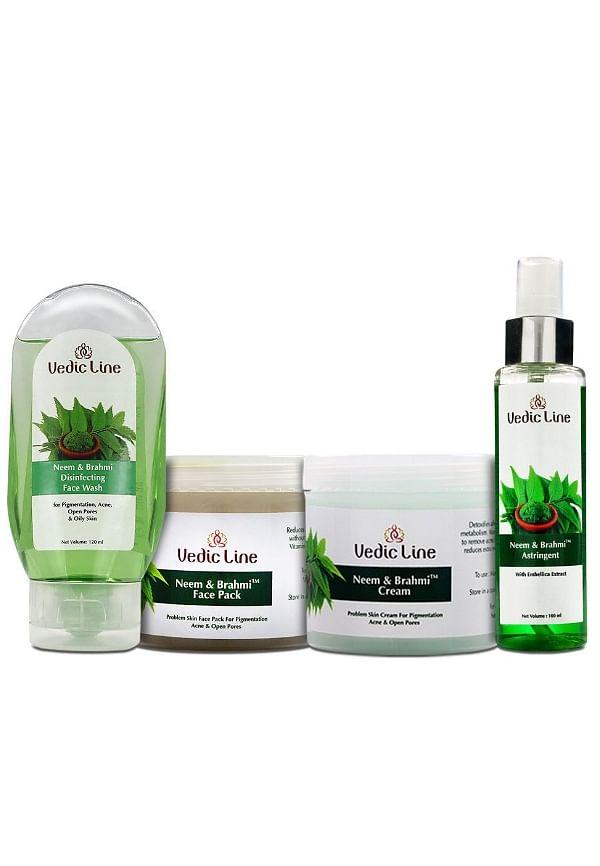
Anti Acne Skin Care Combo
Start with a basic routine and gradually add products as needed. It's better to consistently use three products than to sporadically use ten.
Remember that your skin's needs might change with seasons, stress levels, or hormonal fluctuations. Stay flexible and adjust your routine accordingly, but avoid constantly switching products.
While these proven methods work for many people, some situations require professional intervention. Knowing when to consult a dermatologist can save you time and prevent scarring.
Severe cystic acne, acne that's not responding to over-the-counter treatments after 3 months, or any acne that's causing scarring should be evaluated by a professional.
Sudden onset of adult acne, especially if accompanied by other symptoms like irregular periods or excessive hair growth, might indicate underlying hormonal issues that need medical attention.
Dermatologists can prescribe stronger retinoids, antibiotics, or hormonal treatments that aren't available over-the-counter. They can also perform procedures like chemical peels or extractions safely.
For severe cases, treatments like isotretinoin might be recommended. These require careful monitoring but can provide long-lasting results for stubborn acne.
Acne is primarily caused by a combination of four factors: excess oil production, clogged hair follicles, bacterial overgrowth (particularly P. acnes), and skin inflammation. Hormonal fluctuations, genetics, and certain lifestyle factors can influence how severely these factors affect your skin.
Prevention focuses on maintaining a consistent skincare routine with gentle cleansing, using non-comedogenic products, managing stress, eating an anti-inflammatory diet, and avoiding pore-clogging habits like touching your face. Results typically take 6-12 weeks of consistent effort.
While there's no permanent "cure" for acne-prone skin, you can achieve long-term clear skin through consistent prevention strategies, appropriate treatments for your skin type, and lifestyle modifications. The key is finding a sustainable routine that works for your specific skin needs and sticking with it.
Consider limiting high-glycemic foods like white bread, sugary snacks, and processed foods, as these can spike insulin levels and potentially trigger breakouts. Some people also find that dairy products worsen their acne, though this varies individually. Focus on anti-inflammatory foods rich in omega-3s, antioxidants, and zinc instead.
Achieving clear skin isn't about finding one magic solution—it's about understanding acne causes and prevention and building a comprehensive approach that works for your lifestyle. These seven proven methods give you a solid foundation, but remember that everyone's skin is different.
The key is patience and consistency. Start with the basics—a gentle skincare routine, stress management, and smart product choices—then gradually add targeted treatments as needed. With platforms like Smytten offering trial packs from trusted brands, you can explore different options without the commitment, making it easier to find what truly works for your skin. After all, why settle for maybe when you can try it all and find your perfect match?
