7 Proven Ways to Heal Cracked Heels This Winter
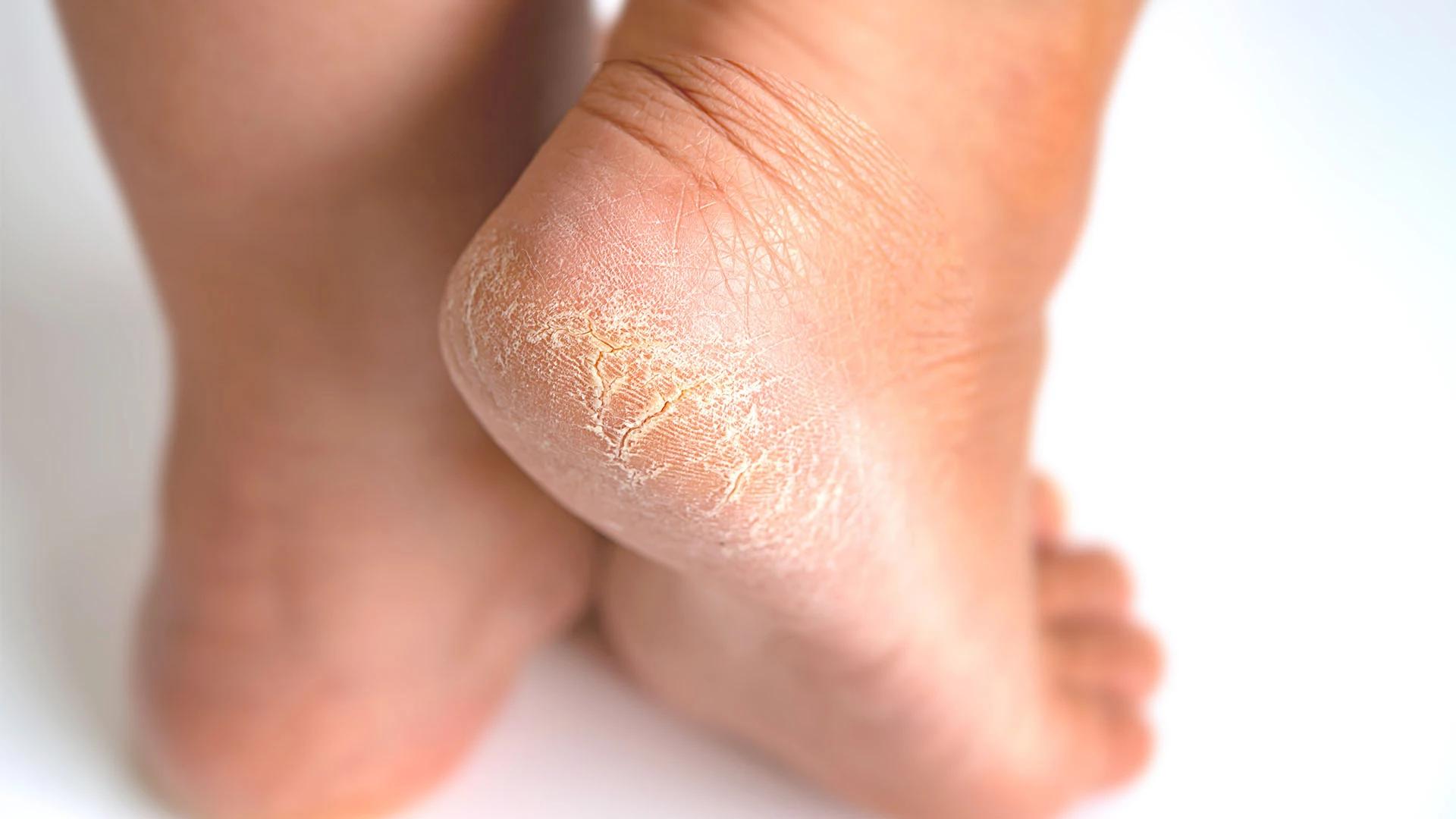

Winter's here, and whilst we're busy layering up our wardrobes, our feet often get forgotten until those painful heel fissures make walking uncomfortable. If you've been dealing with cracked heels that seem to get worse as the temperature drops, you're definitely not alone. The combination of cold air, indoor heating, and reduced humidity creates the perfect storm for dry, cracked skin on your heels. But here's the good news—with the right cracked heels treatment in winter approach, you can get your feet back to feeling smooth and comfortable. Let's dive into seven proven methods that actually work, plus some insider tips on creating a foot care routine that'll keep your heels happy all season long.
Before we jump into solutions, let's get real about why winter is basically your heels' worst enemy. Understanding the science behind heel fissures helps you tackle the problem more effectively.
Cold air holds less moisture than warm air, which means your skin loses hydration faster during winter months. When you add indoor heating systems that further dry out the air, your skin's natural moisture barrier gets compromised. Your heels bear the brunt of this because they naturally have fewer oil glands compared to other parts of your body, making them more vulnerable to drying out and cracking.
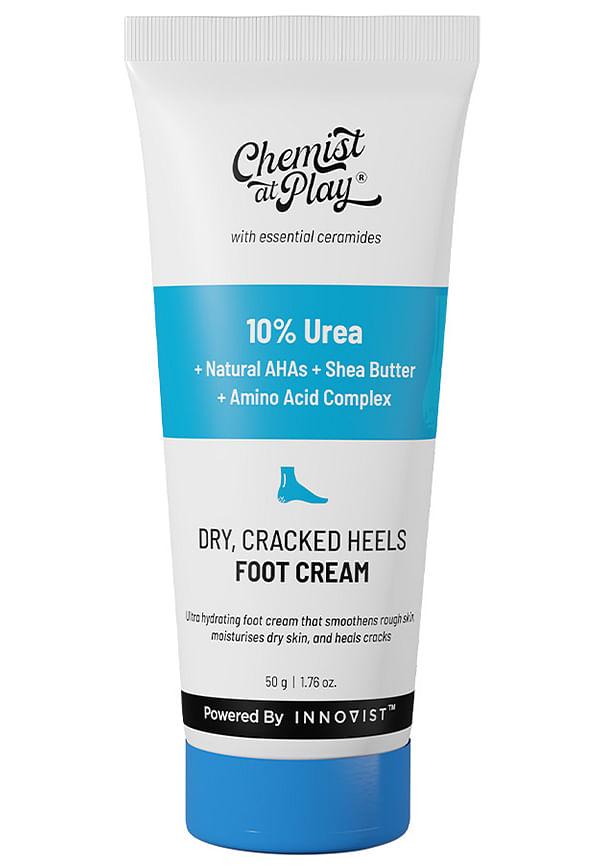
Foot Cream for Cracked Heels & Diabetic Foot | Up to 24 hours of Moisturization
Nice Formula, Soft Feet
 4
4“it is really nice formula left my foot soft”
Cracked heels recovery
5“helps recovery from cracked heels”
Good Product
5“good good product this is really nice.”
Heel fissures can range from minor dry patches to deep, painful cracks. Early signs include rough, flaky skin around the heel area, whilst more severe cases show visible cracks that might bleed or cause pain when walking. If you notice any signs of infection like redness, swelling, or discharge, it's time to see a healthcare professional rather than trying home remedies.
Ready to give your heels some serious TLC? These seven methods are backed by dermatologists and have helped countless people get through winter with smooth, comfortable feet.
The foundation of any good cracked heels treatment starts with proper moisturising for dry skin. But it's not just about slapping on any old cream—timing and technique matter.
Apply foot cream immediately after showering when your skin is still damp
Use the "wet skin moisturising" technique to lock in extra hydration
Focus on heel areas with gentle circular motions
Follow up with cotton socks to prevent product transfer
Repeat this process twice daily for best results
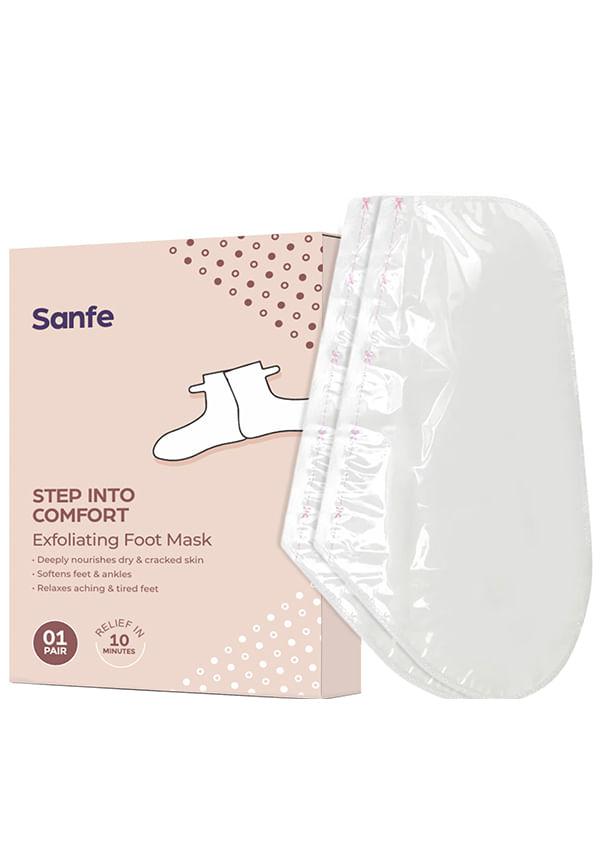
Exfoliating Foot Mask | Nourish dry, cracked skin | Softens, Exfoliates, Hydrates | Removes Dry Skin & Hard Calluses | 1 Pair, For men & women
Good Product, Love It
5“good results good product i love it”
Highly Recommended Product
5“Best peoduct in house will recommend everyone to use”
Amazing Product
5“i love this product it is amazing”
A proper foot soak isn't just relaxing—it's therapeutic. The warm water helps soften hardened skin, making it easier for treatments to penetrate.
Epsom Salt Soak: Mix 2 tablespoons of Epsom salt in warm water, soak for 15-20 minutes
Oatmeal Treatment: Blend oats into a fine powder, mix with warm water for a soothing soak
Essential Oil Addition: Add a few drops of tea tree or lavender oil for extra healing properties
Always follow with immediate moisturising whilst skin is still soft
Not all foot creams are created equal. The best foot cream for winter should contain specific ingredients that target severe dryness and help repair damaged skin barriers.
Key Ingredients to Look For: Urea (10-40%), ceramides, glycerin, lactic acid
Application Technique: Apply a thick layer before bed, focusing on cracked areas
Day vs. Night Formulations: Use lighter formulas during the day, intensive heel balm at night
Consider products specifically designed for diabetic foot care if you have circulation issues
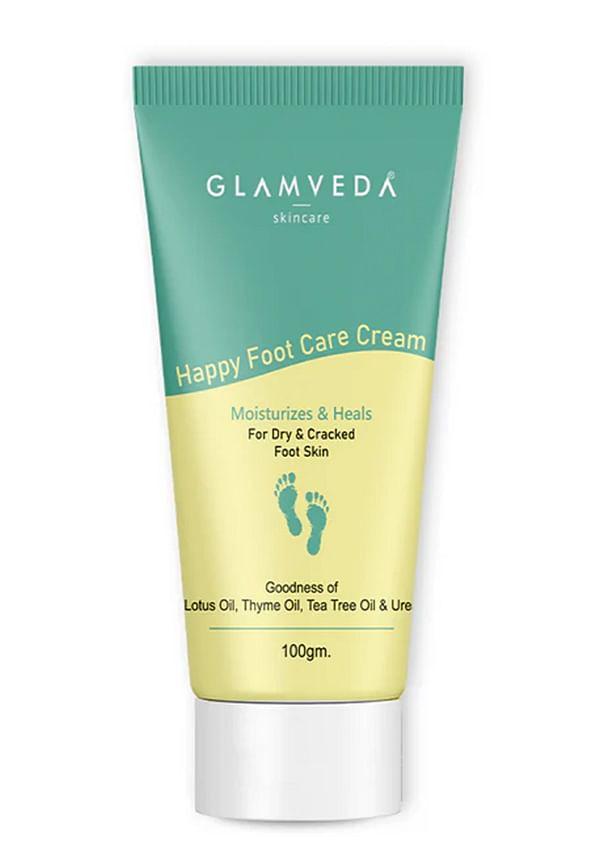
Happy Foot Care Cream for Cracked Heels
Good Product, Requires Use
5“The product is good but the result of this product i know after using it.”
Glamveda Foot Cream: Amazing!
5“glamveda Foot care cream working amazing.”
Effective Moisturizer
4“It is good moisturizer you can feel the softness after applying.”
Removing dead skin helps your moisturisers work more effectively, but gentle is the key word here.
Use a pumice stone or foot file on damp skin only
Work in one direction rather than back and forth
Limit exfoliation to 2-3 times per week maximum
Never use sharp tools or attempt to cut away skin
Always moisturise immediately after exfoliation
Sometimes the best cracked feet home remedy solutions are sitting right in your kitchen. These natural options can be surprisingly effective for mild to moderate heel fissures.
Honey Treatment: Raw honey has antimicrobial properties—apply as a mask for 20 minutes
Coconut Oil Method: Warm coconut oil penetrates deeply, perfect for overnight treatment
Petroleum Jelly Protocol: Classic occlusive therapy that locks in moisture
DIY Combinations: Mix honey with coconut oil or add a few drops of vitamin E oil
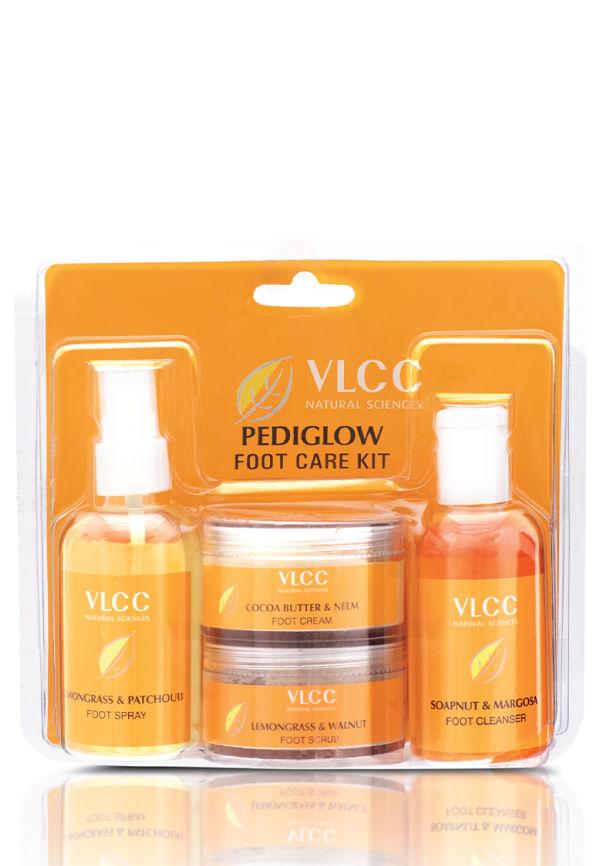
Pedi Glow Foot Care Kit
Great Product for Foot
5“great product all time. This works great on foot”
Great Pedicure Kit
5“best and amazing pedicure kit for foot”
Creating a protective barrier helps your skin heal whilst preventing further damage from environmental factors.
Apply a thick layer of occlusive cream before bed
Wear cotton socks overnight to enhance absorption
Use silicone heel sleeves for extra protection during the day
Consider heel cups or cushioned insoles for additional comfort
Sometimes the best treatment is prevention. Small changes to your daily routine can make a massive difference in heel health.
Footwear Adjustments: Choose breathable, well-fitting shoes with adequate cushioning
Humidity Control: Use a humidifier in your bedroom to maintain optimal moisture levels
Hydration Importance: Drink plenty of water—hydration starts from within
Avoid walking barefoot on hard surfaces
Limit hot showers which can strip natural oils from your skin
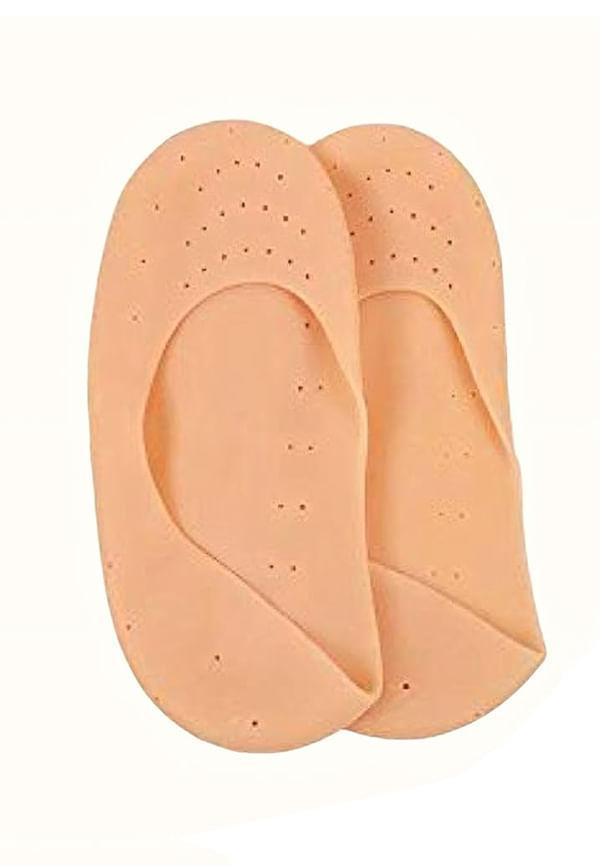
Anti Crack Heel Care Silicone Socks
Consistency is everything when it comes to preventing and treating cracked heels. Here's how to structure your foot care routine for maximum effectiveness throughout the winter months.
Start your day by giving your feet the protection they need to handle whatever winter throws at them.
Apply a lightweight moisturiser after your morning shower
Use products that absorb quickly to avoid slipping in shoes
Check your feet for any new cracks or irritation
Choose appropriate footwear for the day's activities
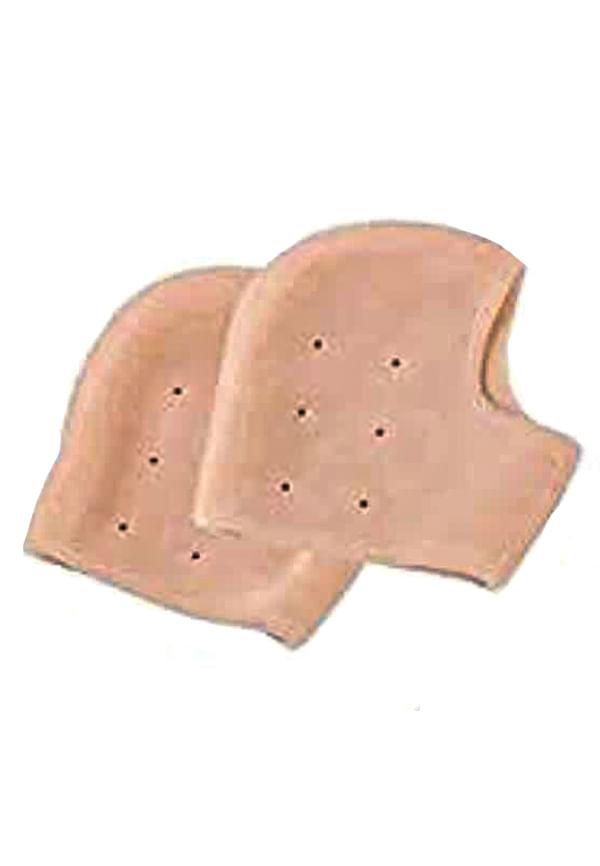
Anti Crack Heel Care Silicone Socks
Nighttime is when the real healing happens. Your feet aren't bearing weight, and you can use heavier formulations without worrying about comfort or absorption time.
Soak feet in warm water for 10-15 minutes to soften skin
Gently exfoliate if needed (not every night)
Apply a thick layer of heel balm or intensive foot cream
Put on cotton socks to lock in moisture overnight
Some treatments work best when done weekly rather than daily. Here's your maintenance schedule for optimal heel health.
Sunday: Deep exfoliation followed by intensive moisturising treatment
Wednesday: Mid-week foot soak with Epsom salts
Friday: Natural remedy treatment (honey mask or coconut oil)
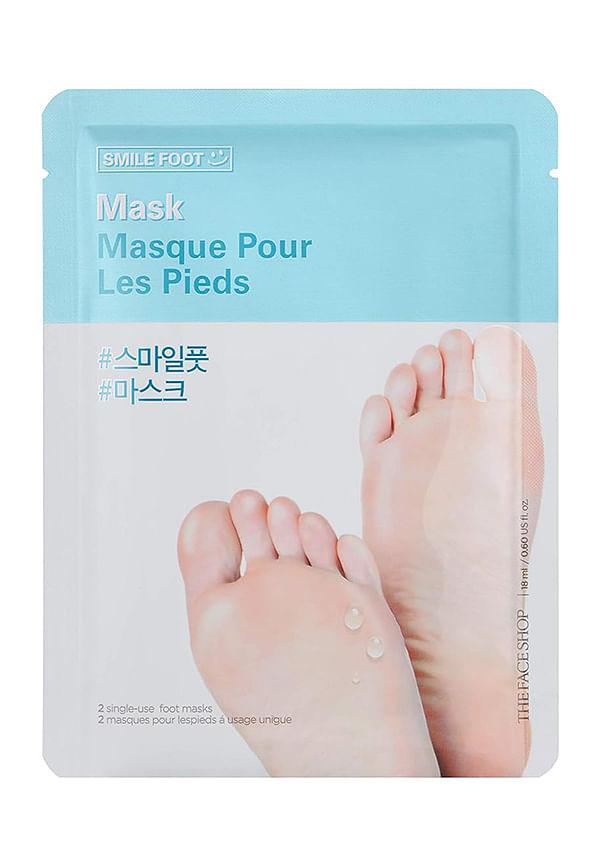
Smile Foot Mask
Positive Foot Mask Experience
5“Love it and feel nice the foot mask ”
Smooth, soft feet
5“good one foot so smooth and feel soft”
Good Quality Product
5“Very nice product with good quality material. Can be recommended for gift”
With so many options available, knowing what to look for can save you time and money. The right products can make the difference between ongoing struggle and smooth, comfortable heels.
Understanding skincare ingredients helps you make informed choices about which products will work best for your specific needs.
Humectants: Glycerin, hyaluronic acid—draw moisture from the environment
Emollients: Ceramides, fatty acids—smooth and soften skin
Occlusives: Petrolatum, dimethicone—create a barrier to prevent water loss
Active Ingredients: Urea, lactic acid—help remove dead skin and improve texture
Even the best products won't work if you're not using them correctly. Here's how to get maximum benefit from your heel care arsenal.
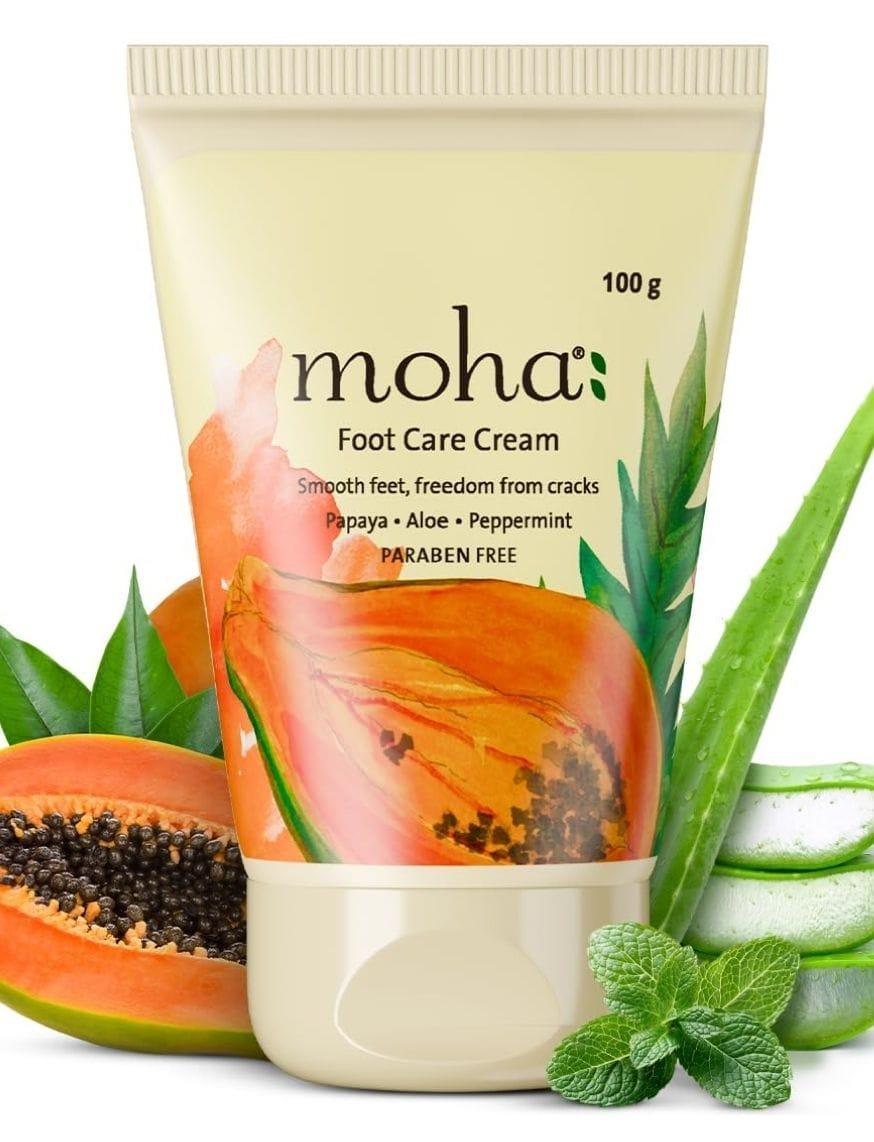
Foot Care Cream
Good for Feet Crackiness
4“nice product for feet and reduce crackiness”
Effective & Great Smelling Foot Cream
5“what a product !! used my other foot creams but nothing worked like this!! and the smell , gosh ! I'm addicted.. loved it.. my heels are healing 💞”
Excellent Quality, Highly Recommended
5“This product is really good quality and worth the money.I am very satisfied with this purchase, highly recommend it.The product works perfectly and I really liked using it.Good packaging and nice quality, totally happy with it.This is a great product and I would buy it again.Very Nice texture, good fragrance and gives a great result.”
Layer products from thinnest to thickest consistency
Allow each product to absorb before applying the next
Use upward motions when applying to improve circulation
Don't forget the sides and back of your heels
The best cracked heels treatment is prevention. By making some simple adjustments to your environment and daily habits, you can keep your heels healthy all winter long.
Your surroundings play a huge role in skin health. Small changes to your environment can prevent cracked heels from developing in the first place.
Maintain indoor humidity levels between 30-50%
Choose shoes made from breathable materials
Avoid synthetic socks that don't allow moisture to escape
Use area rugs on hard floors to reduce impact on heels
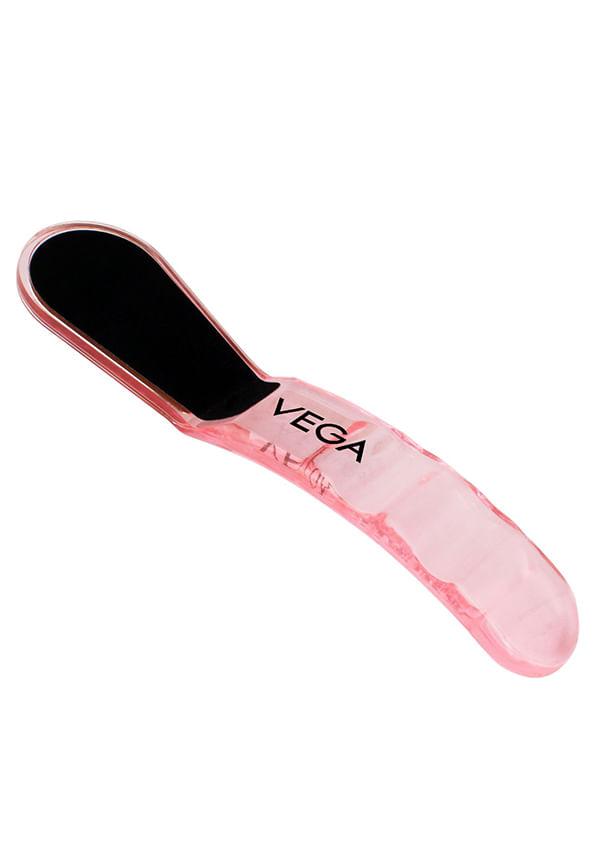
Black Emery- Foot File (PD-06N)
Sometimes it's the little things that make the biggest difference. These daily habits support healthy skin from the inside out.
Drink at least 8 glasses of water daily for internal hydration
Use lukewarm water instead of hot when washing feet
Pat feet dry gently rather than rubbing vigorously
Apply moisturiser within 3 minutes of bathing
When you're exploring different products to find what works best for your skin, platforms like Smytten make it easier to discover effective treatments without committing to full-size products. With trial packs from trusted skincare brands, you can test various heel balms and foot creams to find your perfect match before investing in larger sizes.
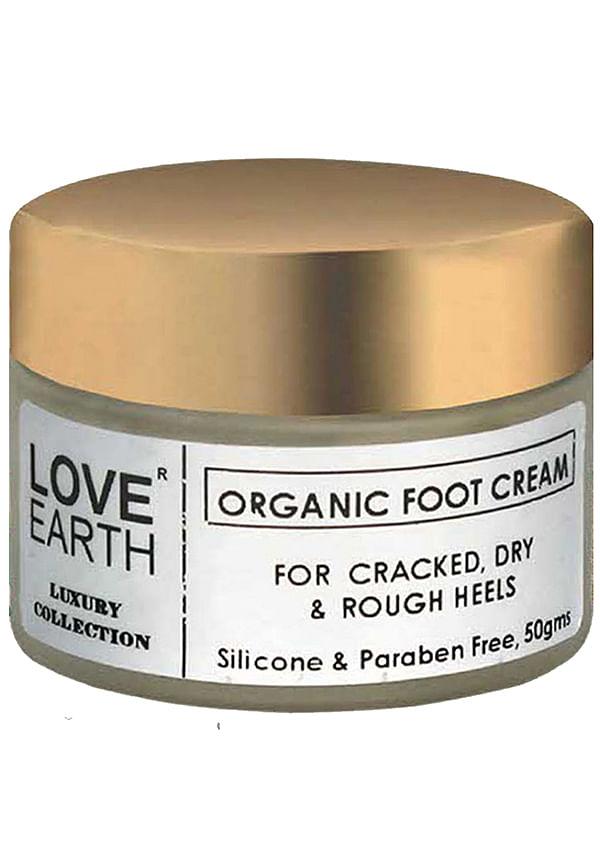
Organic Foot Cream
With consistent treatment, mild to moderate heel fissures typically improve within 1-2 weeks. Deeper cracks may take 3-4 weeks to heal completely. The key is maintaining your routine even after you see improvement.
Regular body lotion isn't usually thick enough for severely cracked heels. Look for products specifically designed for feet, which contain higher concentrations of healing ingredients like urea or ceramides.
Natural remedies can be effective for mild cases, but severe heel fissures often need products with active ingredients like urea or lactic acid. Combining both approaches often works best.
At minimum, moisturise your feet twice daily—once in the morning and once before bed. If your heels are severely dry, you might need to apply cream more frequently throughout the day.
Dry skin appears flaky and rough but remains intact. Cracked heels show visible splits or fissures in the skin that can be shallow or deep. Deep cracks may bleed and cause pain when walking.
Yes, deep heel fissures can become infected, especially in people with diabetes or compromised immune systems. If you notice signs of infection like redness, swelling, or discharge, see a healthcare professional immediately.
Dealing with cracked heels doesn't have to be a winter-long struggle. With the right combination of treatments, consistent care, and preventive measures, you can keep your feet comfortable and healthy throughout the cold months. Remember that healing takes time, so stick with your routine even when you start seeing improvement.
The most effective approach combines proper moisturising, gentle exfoliation, and protective measures. Whether you prefer natural remedies or professional-grade products, consistency is what makes the difference. And when you're ready to explore new foot care products, Smytten's trial packs let you discover what works best for your skin without the commitment of full-size purchases. After all, why settle for maybe when you can try different treatments and find the perfect solution for your winter foot care needs?
