7 Proven Ways to Boost Skin Elasticity Naturally


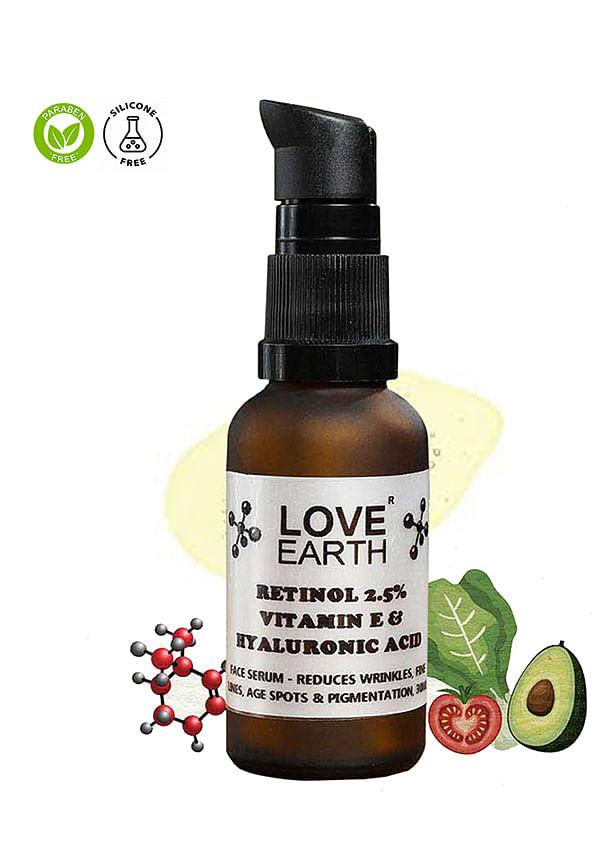
Retinol Serum
Very Good Product
 4
4“veryy goodd productt..........”
Excellent Product, Nice Results
5“excellent product using it daily nice results”
Loved product experience
5“Loved it. Lightweight, works well, can use daily”
Let's be real—when you catch yourself in the mirror and notice your skin isn't quite as bouncy as it used to be, it hits different. That subtle loss of firmness, those fine lines that seem to appear overnight, and the way your skin just doesn't snap back like it did in your twenties. If this sounds familiar, you're definitely not alone. The good news? There are proven, natural ways to boost skin elasticity and get that youthful bounce back. We're talking about simple changes that work with your skin's natural processes, not against them. From tweaking your skincare routine to making smarter lifestyle choices, these seven methods are backed by science and totally doable. Ready to give your skin the support it deserves?
Before we dive into the how-to, let's get clear on what we're actually working with. Skin elasticity is basically your skin's ability to stretch and then bounce back to its original shape—think of it as your skin's natural springiness. This magical quality comes down to two key players: collagen and elastin. These proteins work together like a dream team in your dermal health system, keeping everything firm and supple.
Elasticity isn't the same as firmness, though they're definitely related. While firmness is about how tight your skin feels, elasticity is all about that bounce-back factor. Collagen provides the structure and strength, whilst elastin gives your skin that stretchy, rubber-band quality. Together, they create what we call skin suppleness—that plump, healthy look that screams youthful skin.
Sadly, our skin's natural elasticity doesn't stick around forever. The ageing process naturally slows down collagen and elastin production from our mid-twenties onwards. UV damage is another major culprit, breaking down these precious proteins faster than your skin can replace them. Add in lifestyle factors like smoking, poor nutrition, dehydration, and even dramatic weight changes, and you've got a recipe for elasticity loss.
Here's the thing about sun protection—it's not just about preventing sunburn or dark spots. UV rays are literally the biggest threat to your skin's elasticity, breaking down collagen and elastin at a cellular level. This process, called photoageing, is responsible for up to 80% of visible ageing signs. The solution? Make SPF your non-negotiable daily habit.
When UV rays penetrate your skin, they create free radicals that attack collagen fibres like tiny molecular scissors. Over time, this damage accumulates, leading to that saggy, less elastic texture we all want to avoid. The scary part? This damage starts happening from the moment you step outside, even on cloudy days.
Your anti-aging skincare routine should start with broad-spectrum SPF 30 or higher, applied every single day. Reapply every two hours if you're spending time outdoors, and don't forget often-missed spots like your neck and hands. Protective clothing, wide-brimmed hats, and seeking shade during peak UV hours (10 AM to 4 PM) are your backup squad for comprehensive protection.
The right skincare ingredients can actually stimulate your skin to produce more collagen and protect what you already have. Think of it as giving your skin the tools it needs to repair and maintain itself. The key is choosing ingredients that are proven to work and using them consistently.
Retinoids are basically the overachievers of the anti-aging skincare world. They work by speeding up cell turnover and stimulating collagen production deep in your skin. Whether you opt for prescription tretinoin or over-the-counter retinol, these vitamin A derivatives are your best bet for long-term skin rejuvenation. Start slow—think twice a week initially—and always use SPF during the day.
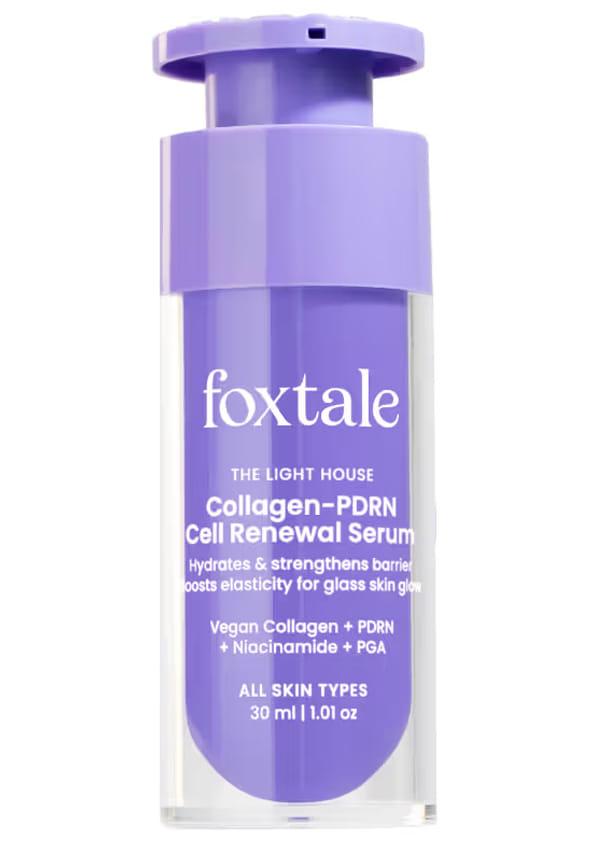
Collagen-PDRN Cell Renewal Serum
Good on skin, subtle glow
4“good on skin giving a subtle glow”
Effective & Hydrating
5“worked since day 1...loved it ..very hydrating”
Effective & Hydrating
5“worked since day 1...loved it ..very hydrating”
Vitamin C isn't just great in your morning smoothie—it's essential for collagen synthesis. This powerhouse antioxidant helps your skin build new collagen whilst protecting existing fibres from free radical damage. Vitamin E works as the perfect sidekick, enhancing vitamin C's effectiveness and providing additional protection. Look for stable forms like magnesium ascorbyl phosphate or L-ascorbic acid.
Hyaluronic acid might not directly boost elasticity, but it creates the perfect environment for skin firming by keeping your skin plump and hydrated. Peptides, on the other hand, are like little messengers that tell your skin to make more collagen. Copper peptides and palmitoyl pentapeptide-4 are particularly effective for improving skin suppleness over time.
Your skin is basically a reflection of what you eat, so feeding it the right nutrients is crucial for maintaining elasticity. The foods you choose can either support collagen production or contribute to its breakdown. It's all about making choices that work from the inside out.
Vitamin C-rich foods like citrus fruits, berries, and leafy greens are non-negotiable for collagen synthesis. Your skin literally cannot make collagen without adequate vitamin C. Omega-3 fatty acids from fish, walnuts, and flaxseeds help maintain skin barrier function and reduce inflammation. Don't forget about zinc and protein—these are the building blocks your skin needs for repair and regeneration.
Blueberries, green tea, dark chocolate, and colourful vegetables are packed with antioxidants that protect your existing collagen from damage. These foods work like internal sunscreen, neutralising free radicals before they can wreak havoc on your skin structure. The more variety you include, the better your wrinkle reduction defence system becomes.
The jury's still out on whether drinking collagen actually translates to firmer skin, but some studies show promising results. Marine collagen peptides seem to be the most bioavailable form. If you're curious about trying them, manage your expectations—any benefits typically take 8-12 weeks to become noticeable, and they work best alongside a healthy diet and good skincare routine.
Hydrated skin is happy skin, and happy skin maintains its elasticity better. When your skin cells are properly hydrated, they function optimally, producing collagen more efficiently and maintaining that plump, youthful appearance. It's not just about drinking water—though that's important too.
Dehydrated skin loses its ability to bounce back quickly, making fine lines more pronounced and giving your complexion a dull, tired look. Proper hydration supports cellular function, helps maintain the skin barrier, and creates the ideal environment for skin tightening processes to occur naturally.
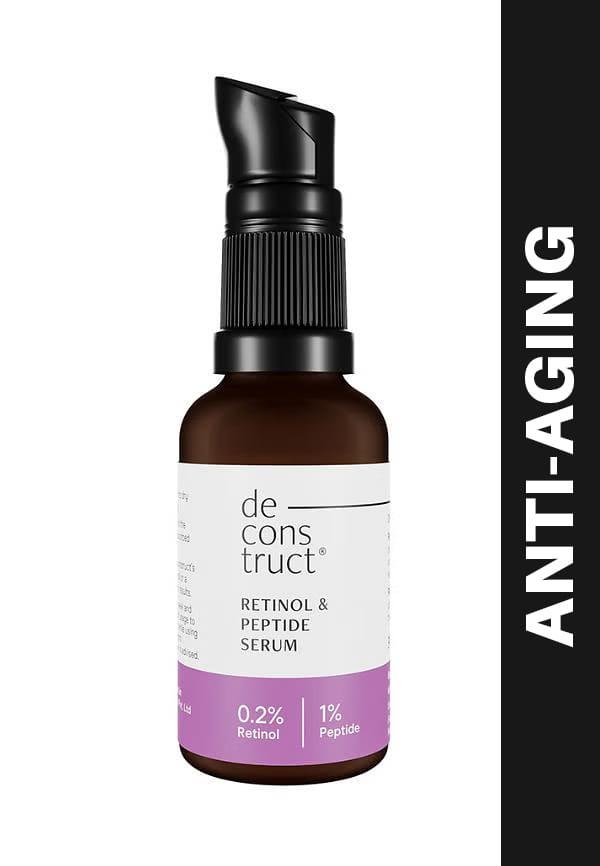
Retinol Face Serum with Peptide
Hydrating & Glowing
4“good for face gives hydration and glow.”
Beginner-Friendly Retinol
5“It was Beginner friendly Retinol.”
Disliked fragrance
4“I didn't like the fragrance of this serum”
Aim for about 8 glasses of water daily, but remember that hydrating foods like cucumber, watermelon, and leafy greens also contribute to your fluid intake. Environmental factors like air conditioning, heating, and low humidity can zap moisture from your skin, so consider using a humidifier and applying hydrating skincare products whilst your skin is still damp.
Regular exercise does more for your skin than you might think. Beyond the healthy glow from increased circulation, physical activity actually supports the processes that keep your skin firm and elastic. It's like giving your skin a workout from the inside out.
Exercise increases blood flow, delivering oxygen and nutrients to skin cells whilst helping remove waste products. This improved circulation supports collagen production and cellular repair. Plus, building muscle underneath your skin provides natural support, creating a firmer foundation that enhances overall skin firming effects.
Strength training is particularly beneficial because it builds the underlying muscle structure that supports your skin. Don't overlook facial exercises either—gentle massage and targeted movements can improve circulation in your face and neck. Cardiovascular exercise helps manage stress hormones that can break down collagen, making it a win-win for your youthful skin goals.
Sometimes the most powerful changes happen when you're sleeping. Your lifestyle choices—from how much rest you get to how you manage stress—directly impact your skin's ability to maintain its elasticity. These habits might seem unrelated to skincare, but they're actually fundamental to dermal health.
Your skin does its heavy lifting while you sleep, producing new collagen and repairing daily damage. Poor sleep quality or insufficient rest disrupts these processes, leading to accelerated ageing. Aim for 7-9 hours of quality sleep and consider sleeping on your back to avoid repetitive facial creasing that can contribute to wrinkle formation over time.
Chronic stress floods your system with cortisol, which breaks down collagen faster than your skin can replace it. Finding effective stress management techniques—whether that's meditation, yoga, journaling, or simply taking regular breaks—is crucial for maintaining skin suppleness. Your skin literally reflects your stress levels, so managing them is non-negotiable.
Smoking is basically kryptonite for skin elasticity. It reduces blood flow to the skin, depletes vitamin C levels, and directly damages collagen and elastin fibres. The good news? Your skin starts repairing itself almost immediately after you quit, with noticeable improvements in texture and elasticity within just a few months.
Once you've got the basics down, there are additional techniques that can amplify your results. These methods work best when combined with the foundational practices we've already covered, creating a comprehensive approach to maintaining and improving skin elasticity.
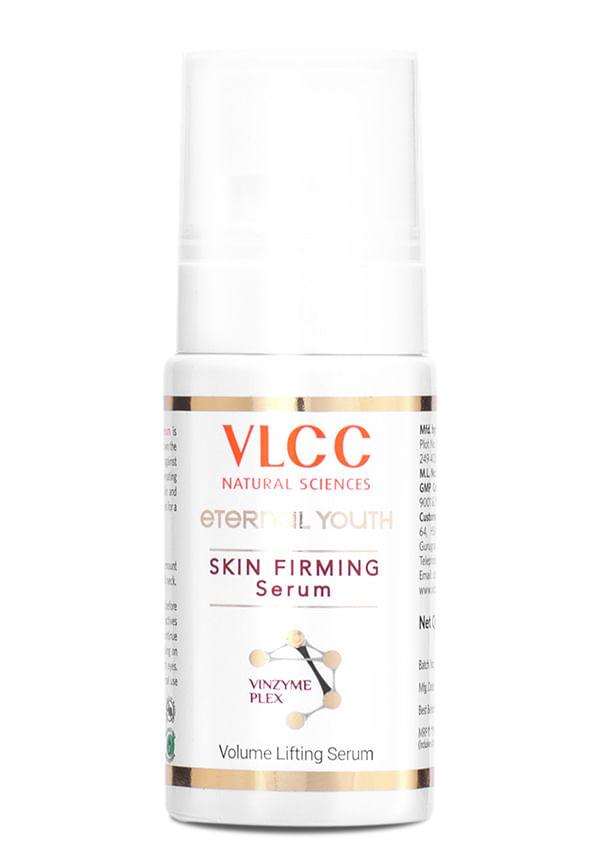
Eternal Youth Skin Firming Serum
Gentle facial massage improves circulation and can help maintain muscle tone underneath your skin. Use upward and outward motions, and consider tools like jade rollers or gua sha stones for added benefits. Just remember—gentle is key. You're not trying to stretch your skin; you're encouraging healthy blood flow and lymphatic drainage.
Whilst natural methods are incredibly effective, sometimes combining them with professional treatments can accelerate results. Options like laser resurfacing, chemical peels, or dermal fillers can complement your natural routine. The key is finding treatments that work with your skin's natural processes rather than against them.
Absolutely, though it requires patience and consistency. Your skin is constantly renewing itself, and with the right support through nutrition, skincare, and lifestyle choices, you can significantly improve elasticity over time. Most people start seeing improvements within 6-12 weeks of consistent effort.
Timelines vary depending on your starting point and which methods you're using. Hydration improvements can be noticeable within days, whilst collagen-building changes typically take 6-12 weeks to become visible. The key is consistency—small daily actions compound into significant improvements over time.
Sun protection is hands-down the most important single factor. Preventing further damage whilst supporting your skin's natural repair processes gives you the best foundation for improvement. Combining this with retinoids and good nutrition creates a powerful trio for skin rejuvenation.
Whilst nutrition is crucial, diet alone isn't enough for significant improvements. The most effective approach combines internal nutrition with external skincare and lifestyle factors. Think of it as supporting your skin from multiple angles rather than relying on any single method.
Not necessarily. Many effective ingredients like retinol, vitamin C, and hyaluronic acid are available at various price points. The key is choosing products with proven ingredients and using them consistently. Sometimes, trying different formulations through trial sizes can help you find what works best for your skin without the commitment of full-size products.
Improving skin elasticity naturally isn't about finding a magic bullet—it's about creating sustainable habits that support your skin's health over time. The seven methods we've covered work best when combined, creating a comprehensive approach that addresses elasticity from multiple angles. Start with the basics like sun protection and hydration, then gradually incorporate other strategies as they become second nature. Remember, your skin is unique, and what works brilliantly for your friend might need tweaking for you. This is where platforms like Smytten become invaluable—being able to try different anti-aging skincare products in mini sizes means you can experiment with various formulations and ingredients without the risk of wasting money on full-size products that might not suit your skin. With access to trial packs from trusted brands, you can discover which retinols, vitamin C serums, or hydrating treatments work best for your specific needs. After all, why settle for 'maybe' when you can try it all and find your perfect elasticity-boosting routine?
