7 Proven Remedies to Banish Black Spots on Skin
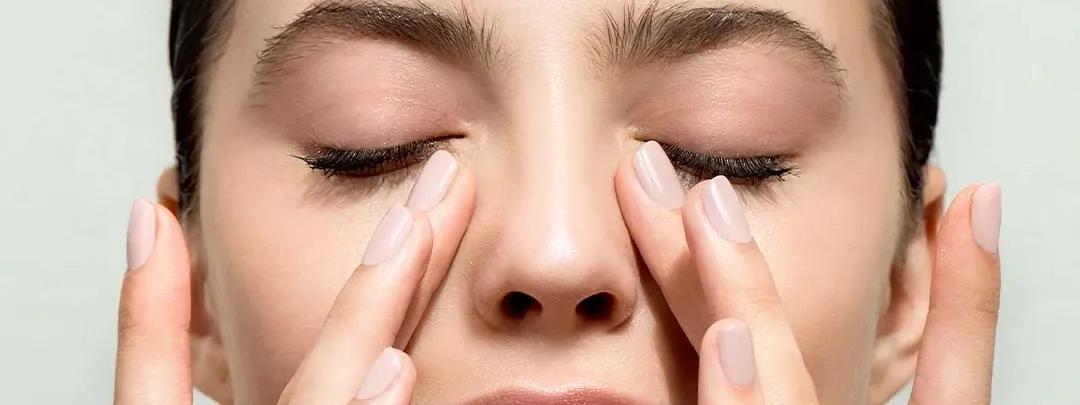

Those pesky black spots on skin can feel like they've set up permanent residence on your face, right? Whether it's from that summer you forgot sunscreen daily or leftover reminders from teenage breakouts, skin discoloration is something most of us deal with at some point. The good news? You don't have to accept these skin blemishes as your forever reality. With the right approach and a bit of patience, you can tackle hyperpigmentation and get your skin looking more even-toned. Let's dive into seven tried-and-tested remedies that actually work for banishing those stubborn spots.
Before we jump into solutions, let's get clear on what we're actually dealing with. Black spots on skin aren't all created equal, and knowing what type you have can help you choose the most effective treatment.
Black spots are areas where your skin has produced excess melanin, the pigment that gives your skin its colour. When melanin production gets a bit overenthusiastic in certain spots, you end up with these darker patches that stand out against your natural skin tone.
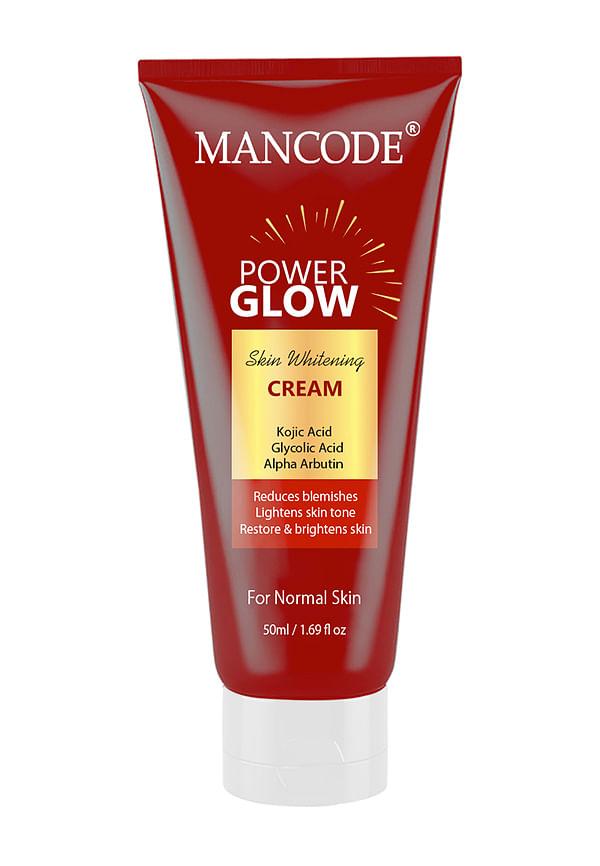
Power Glow Skin Whitening Cream Reduces Dark Spots
Sun exposure is the biggest troublemaker here. Those UV rays trigger melanin production as your skin tries to protect itself, sometimes leaving behind dark reminders of sunny days past.
Hormonal changes during pregnancy or from birth control can also trigger skin pigmentation issues, creating what's often called melasma or the "pregnancy mask."
Acne scars and injuries to the skin can leave behind post-inflammatory hyperpigmentation, where the healing process creates darker spots.
Hyperpigmentation is the umbrella term for most dark spots caused by excess melanin production.
Age spots or solar lentigines appear from years of sun exposure and tend to show up on hands, face, and shoulders.
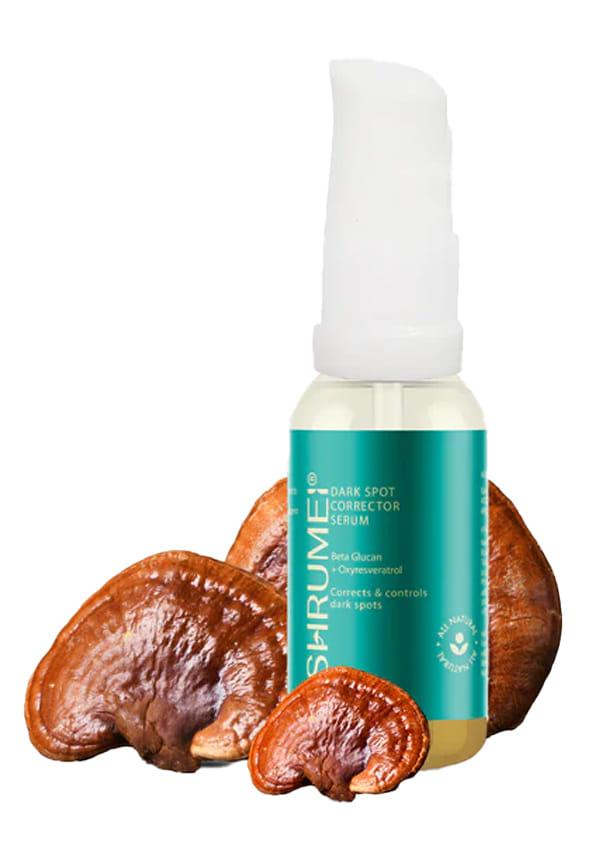
All Natural Dark Spot and Pigmentation Correcting serum
Effective and Fast Results
 5
5“Very effective and fast results”
Melasma creates larger patches of skin darkening, usually on the face, and is often hormone-related.
Right, let's get to the good stuff. These remedies range from simple daily habits to more intensive treatments, so you can find what works for your lifestyle and budget.
This one's non-negotiable if you're serious about fading existing spots and preventing new ones. Sunscreen isn't just for beach days – it's your daily armour against skin tone irregularities.
Choose a broad-spectrum SPF 30 or higher and apply it generously every morning, even on cloudy days. UV rays are sneaky like that. Reapply every two hours if you're outdoors, and don't forget often-missed spots like your ears, neck, and the back of your hands.
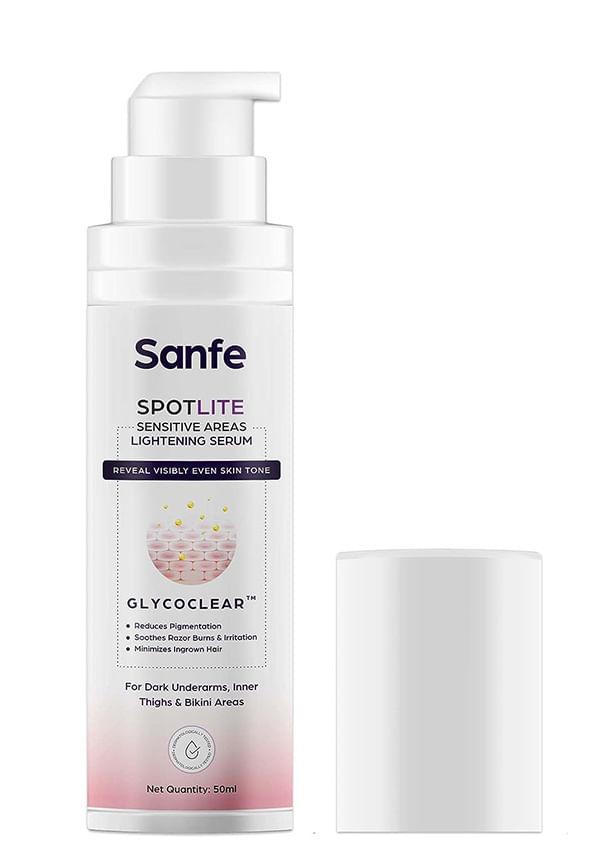
Dark Spot Sensitive Body Serum For Dark Underarms, Inner Thighs and Sensitive Areas
Smooth but Sticky
5“smooth feeling n somewhat sticky”
Gentle with Good Smell
5“gentle on skin doesn't irritate the skin and good smell”
Gentle with Good Smell
5“gentle on skin doesn't irritate the skin and good smell”
This is where the real magic happens for treating skin discoloration. Vitamin C serums are brilliant for brightening and preventing further pigmentation. They work by inhibiting melanin production and providing antioxidant protection.
Retinoids are another powerhouse ingredient that speeds up cell turnover, helping fade dark spots whilst preventing new ones. Start slowly with these – your skin needs time to adjust.
Niacinamide is gentler but effective, helping to reduce the transfer of melanin to skin cells and improving overall skin tone.
Think of chemical exfoliation as giving your skin a gentle nudge to shed those pigmented cells faster. Alpha hydroxy acids (AHAs) like glycolic and lactic acid work on the surface, whilst beta hydroxy acids (BHAs) like salicylic acid can penetrate deeper.
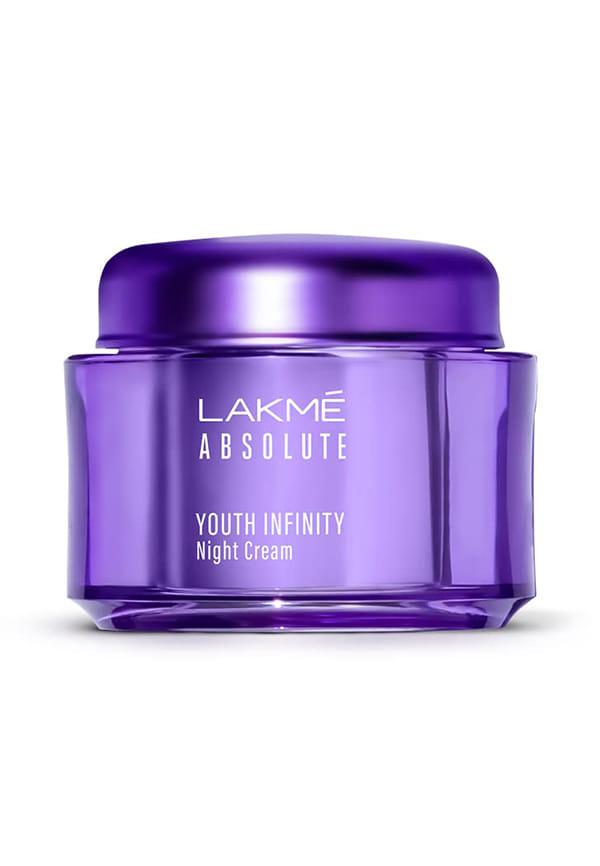
Youth Infinity Night Creme
Start with products containing 5-10% AHA or 1-2% BHA, using them 2-3 times a week initially. Always follow up with sunscreen the next day, as these acids can make your skin more photosensitive.
Sometimes you need to bring in the big guns. Chemical peels performed by professionals can tackle deeper pigmentation issues more effectively than at-home treatments.
Laser therapy targets melanin directly, breaking it down so your body can naturally eliminate it. There are different types of lasers, so a dermatologist can recommend the best option for your skin type and pigmentation concerns.
Microdermabrasion physically removes the top layer of dead skin cells, helping fade surface-level spots over multiple sessions.
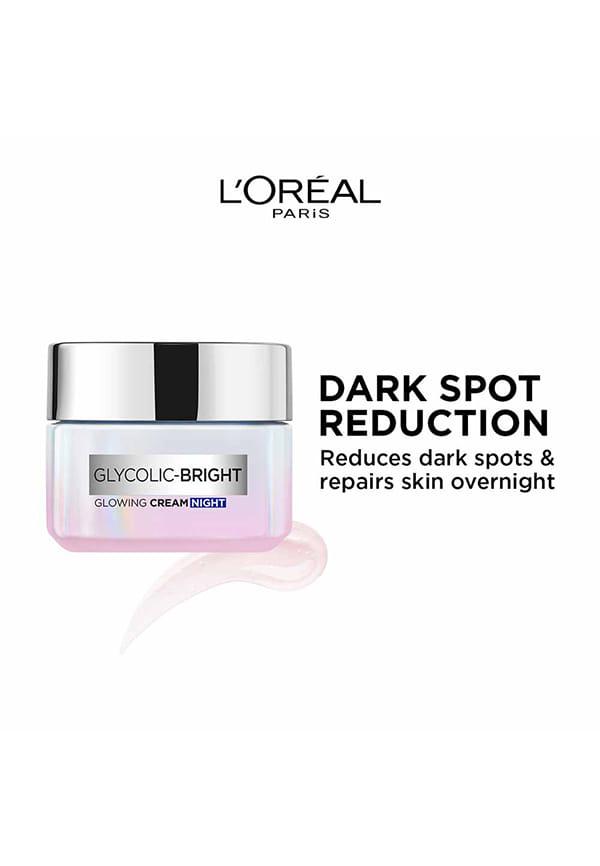
Glycolic Bright Glowing Night Cream
Great for Various Skin Types & Layers Well
5“works well for oily, combination, and normal skin, and layers nicely under sunscreen and makeup. The packaging is convenient, and a little product goes a long”
Great for Various Skin Types & Layers Well
5“works well for oily, combination, and normal skin, and layers nicely under sunscreen and makeup. The packaging is convenient, and a little product goes a long”
Great for Various Skin Types & Layers Well
5“works well for oily, combination, and normal skin, and layers nicely under sunscreen and makeup. The packaging is convenient, and a little product goes a long”
Whilst natural doesn't always mean better, some ingredients have shown promise for mild skin pigment problems. Aloe vera contains compounds that may help inhibit melanin production whilst soothing the skin.
Green tea extract is rich in antioxidants and has shown some ability to reduce hyperpigmentation when used consistently.
Licorice root extract contains glabridin, which can help brighten skin and reduce the appearance of dark spots over time.
Your skin reflects what's happening inside your body, so lifestyle factors play a bigger role than you might think. Antioxidant-rich foods like berries, leafy greens, and nuts help protect your skin from the inside out.
Staying hydrated keeps your skin plump and helps with cell turnover, whilst managing stress prevents hormone fluctuations that can trigger skin discoloration causes.
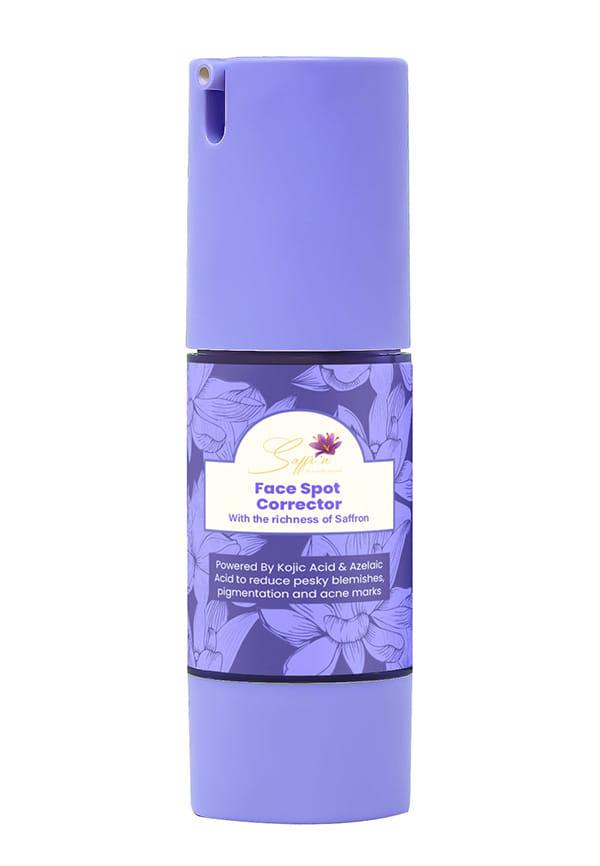
Face Spot Corrector
Decent Product, Highly Recommended
5“it's a very decent product highly recommend it to all”
Positive Experience
4“liked it......................”
Excellent Face Corrector
5“such a good face corrector....”
Quality sleep is crucial too – it's when your skin does most of its repair work, including processing and eliminating damaged pigmented cells.
Consistency is everything when tackling skin blemishes. Your routine doesn't need to be complicated, but it does need to be regular. Start with a gentle cleanser that won't irritate your skin or strip its natural barrier.
Follow with your chosen treatment products – whether that's vitamin C in the morning or retinoid at night. Always finish with a moisturiser to keep your skin barrier healthy and sunscreen during the day.
Layer products from thinnest to thickest consistency, and give each product time to absorb before applying the next one.
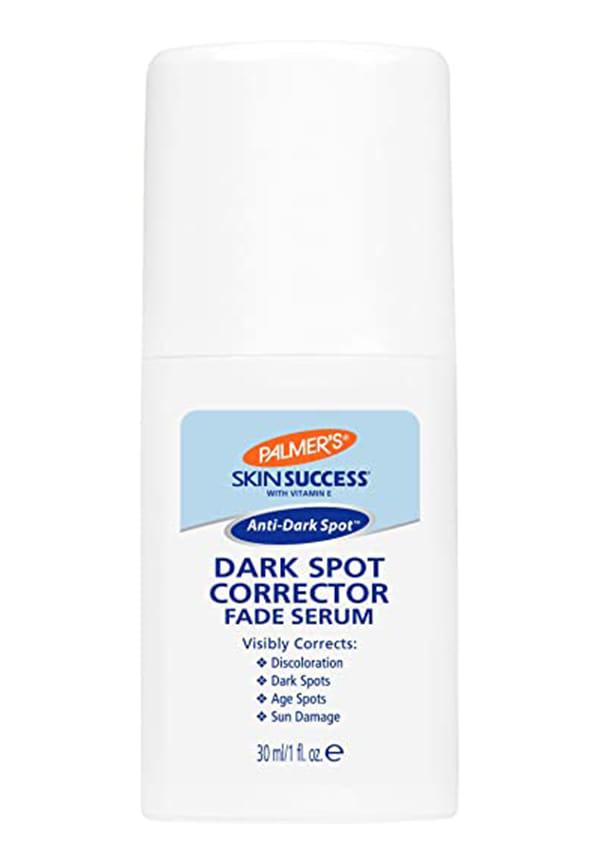
Skin Success Dark Spot Corrector Fade Serum
Prevention really is better than cure when it comes to skin tone irregularities. Once you've got your current spots under control, these habits will help keep new ones at bay.
Make sunscreen as automatic as brushing your teeth. Keep a tube in your bag, car, and desk drawer so you're never caught without protection. Wide-brimmed hats and sunglasses aren't just fashion statements – they're practical tools for preventing facial pigmentation.
Avoid direct sun exposure between 10 AM and 4 PM when UV rays are strongest. If you must be outdoors, seek shade when possible and wear tightly woven fabrics that offer better UV protection than loose weaves.
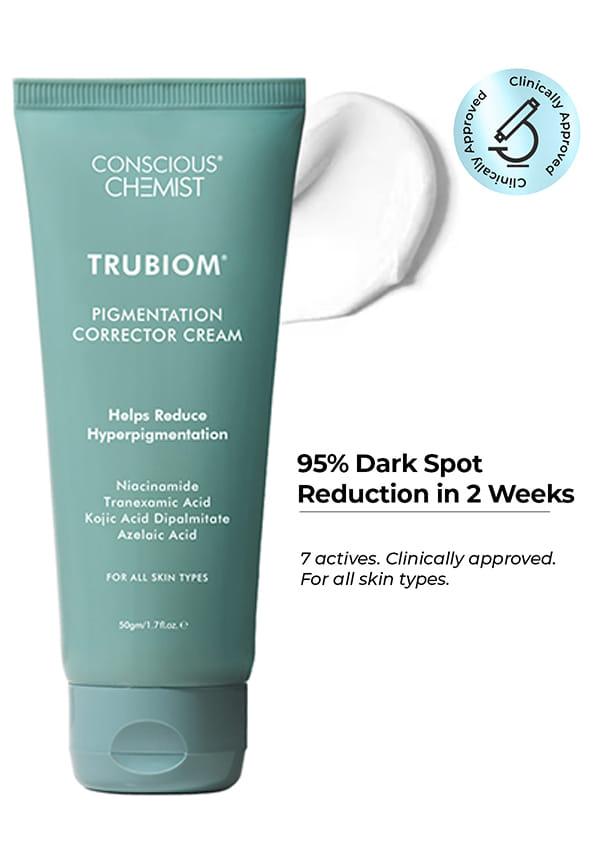
Pigmentation Corrector Moisturiser For Dark Spots
Good for pigmentation
5“Its good for pigmentation , try it”
Good for pigmentation
5“Its good for pigmentation , try it”
Good Product Quality
5“very good quality of the product”
Most black spots on skin are harmless, but it's important to know when to consult a dermatologist. Any spot that changes in size, shape, or colour needs professional evaluation.
If you notice irregular borders, multiple colours within one spot, or if a spot bleeds or becomes itchy, don't wait – book an appointment. It's also worth seeing a professional if your spots aren't responding to treatment after 3-6 months of consistent use.
For those dealing with extensive hyperpigmentation or melasma, a dermatologist can create a customised treatment plan that might combine multiple approaches for better results.
Finding the right products to tackle skin discoloration can feel overwhelming with so many options available. This is where Smytten comes in handy – as India's largest product discovery and trial platform, you can try skincare minis from trusted brands like Cetaphil and Dot & Key before committing to full-size purchases. With over 1,500 brands available and the ability to get up to 8 minis for just ₹249, you can experiment with different treatments to find what works for your skin without the usual trial-and-error expense.
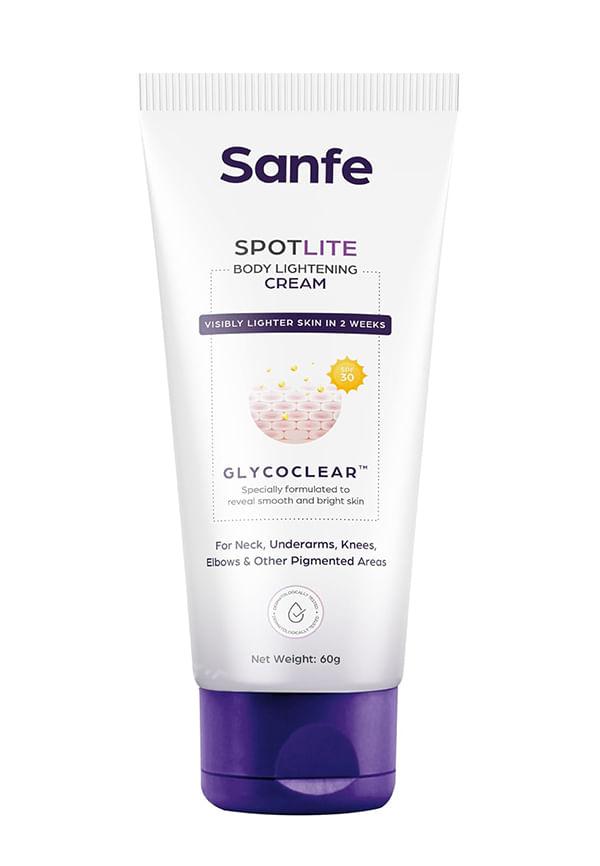
Dark Spot Body Serum Cream For Dark Neck Joints And Skinfolds with Lactic Acid and SPF 15
Brightens and Smoothens Skin
5“brightens the skin smoothens the skin”
Brightens and Smoothens Skin
5“brightens the skin smoothens the skin”
Good Product
5“yeah this profuct is good enough”
Black spots are primarily caused by excess melanin production triggered by sun exposure, hormonal changes, acne scars, or skin injuries. Age, genetics, and certain medications can also contribute to skin discoloration.
Vitamin deficiencies don't directly cause black spots, but deficiencies in vitamins C, E, and B12 can affect skin health and healing, potentially making pigmentation issues more noticeable or slower to fade.
Most black spots are benign, but any spot that changes in size, shape, colour, or texture should be evaluated by a dermatologist. The ABCDE rule (Asymmetry, Border, Colour, Diameter, Evolving) can help identify concerning changes.
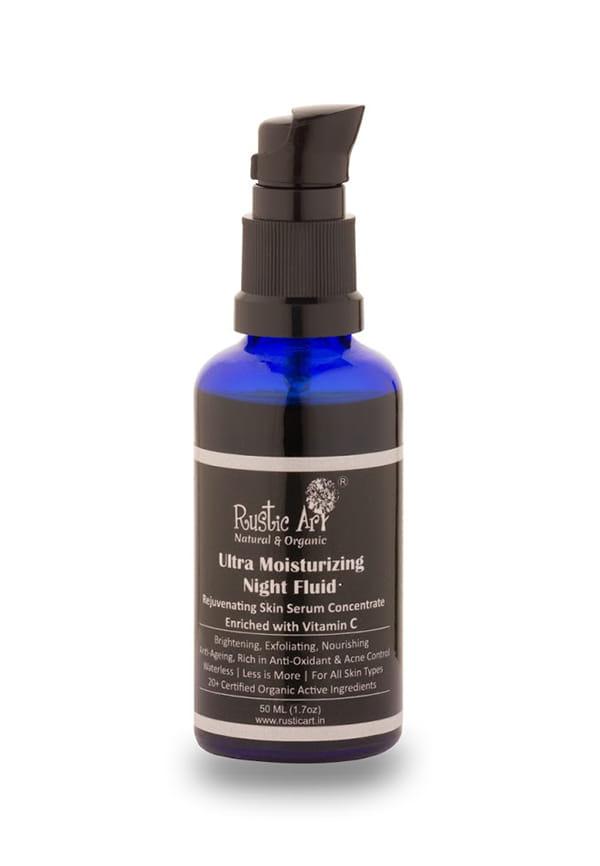
Organic Ultra Moisturizing Night Fluid
Results typically take 6-12 weeks of consistent use, as this is how long it takes for skin cells to renew completely. Some people may see improvements in 4-6 weeks, whilst deeper pigmentation may take several months to fade significantly.
It's possible, but you need to be careful about combining active ingredients. Start with one treatment and gradually introduce others. Some combinations (like retinoids and AHAs) can cause irritation if used together initially.
Tackling black spots on skin isn't about finding one miracle cure – it's about consistency, patience, and using the right combination of treatments for your specific skin concerns. Sun protection remains your most important tool, both for fading existing spots and preventing new ones.
Whether you choose gentle natural remedies or more intensive professional treatments, give your chosen approach time to work. Skin renewal takes weeks, not days, so don't get discouraged if you don't see immediate results.
Remember, with Smytten's trial platform, you can discover products from over 1,500 trusted brands without the commitment of full-size purchases. With 100% cashback on trial minis and delivery across 27,000+ pincodes, finding your perfect skin discoloration treatment has never been more accessible. After all, why settle for 'maybe' when you can try it all and find what genuinely works for your skin?
