7 Proven Remedies for Hyperpigmentation on Indian Skin

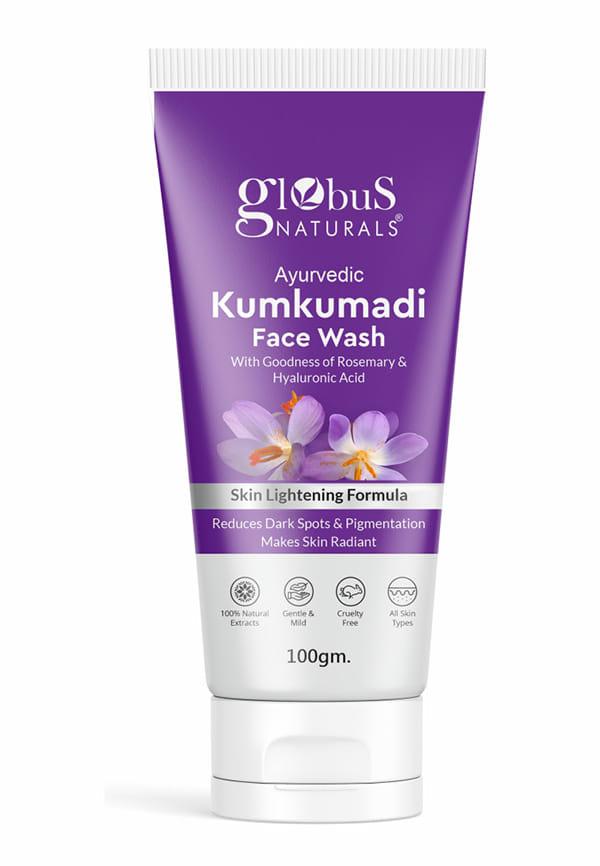
Ayurvedic Kumkumadi Skin Lightening Face Wash
Amazing Product and Smytten Experience
 5
5“amazing and good i love it i like smyteen product very much 😁”
Amazing Product and Smytten Experience
5“amazing and good i love it i like smyteen product very much 😁”
Nice Product, Good Cleanser
4“nice product and good cleanser”
Let's be real—hyperpigmentation is probably one of the most frustrating skincare concerns for Indian skin. Those stubborn dark spots from old acne marks, melasma patches that seem to have made themselves at home, or uneven skin tone that no amount of concealer can fully hide. If you've been on the hunt for hyperpigmentation Indian skin remedies that actually work, you're in the right place. Indian skin has its own unique characteristics, and what works for other skin types might not always be your kind of pick. We're diving into seven proven remedies that understand your skin's needs and deliver real results.
Indian skin is beautifully diverse, but it comes with its own set of challenges when it comes to hyperpigmentation treatment. Most of us fall into the Fitzpatrick skin types III to V, which means we naturally have higher melanin content. While this gives us that gorgeous natural glow and better protection against UV damage, it also means our skin is more prone to developing Indian skin dark spots and uneven pigmentation.
Here's what makes Indian skin different: our melanocytes (the cells that produce melanin) are more reactive to inflammation, trauma, and hormonal changes. This means that even a tiny pimple can leave behind a dark mark that lingers for months. Post-inflammatory hyperpigmentation is incredibly common, and it's not just about acne—friction from tight clothing, minor cuts, or even aggressive scrubbing can trigger pigmentation.
Melasma is particularly common, especially in women, thanks to hormonal fluctuations during pregnancy or while using birth control. Then there are age spots from cumulative sun damage, acne marks that refuse to fade, and general skin discoloration from environmental factors.
The tricky part? Standard treatments designed for lighter skin tones can sometimes be too harsh for us, leading to more irritation and, ironically, more pigmentation. That's why finding the right pigmentation removal Indian skin approach is crucial.
Before we jump into the remedies, let's understand what's actually happening in your skin. Hyperpigmentation occurs when melanin production goes into overdrive, usually triggered by inflammation, UV exposure, or hormonal changes. For Indian skin, the key is gentle, consistent treatment that doesn't trigger more inflammation.
Your skin barrier plays a huge role here. When it's compromised, your skin becomes more reactive and prone to pigmentation. That's why many effective hyperpigmentation Indian skin remedies focus on both treating existing pigmentation and strengthening your skin barrier. Patience is your best friend—most treatments take 3-6 months to show significant results, and that's completely normal.
Ready to tackle those stubborn spots? These seven remedies have solid science backing them up and work particularly well for Indian skin tones. Remember, consistency is key, and it's always worth trying products in smaller sizes first to see how your skin responds.
Vitamin C is hands down one of the most effective skin brightening remedies out there. It works by inhibiting tyrosinase, the enzyme responsible for melanin production, while also providing antioxidant protection against environmental damage.
For Indian skin, look for stable forms like magnesium ascorbyl phosphate or sodium ascorbyl phosphate if you have sensitive skin, or L-ascorbic acid if your skin can handle it. Start with 10-15% concentration and work your way up. Apply it in the morning under your sunscreen for maximum benefits.
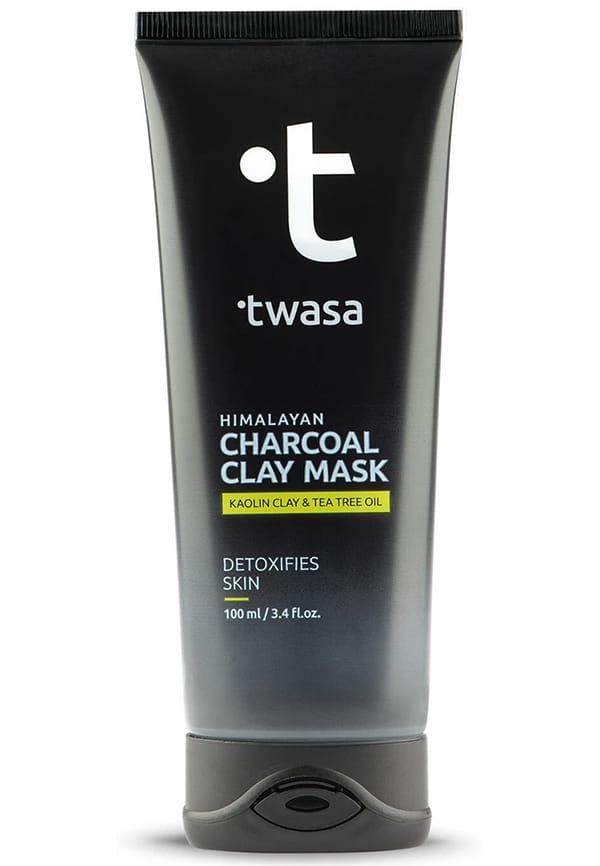
Himalayan Charcoal Face Wash
If your skin is on the sensitive side, niacinamide might just become your new fave. This form of vitamin B3 is brilliant for uneven skin tone treatment because it's anti-inflammatory and helps regulate melanin transfer to skin cells.
The sweet spot is 5-10% concentration—anything higher isn't necessarily better and might cause irritation. Niacinamide plays well with other ingredients, making it perfect for layering in your routine.
Azelaic acid is seriously underrated for hyperpigmentation treatment. It gently exfoliates while inhibiting tyrosinase, making it perfect for Indian skin that needs effective but gentle treatment.
Available in 10-20% formulations, azelaic acid is particularly good for acne-related pigmentation since it also has antibacterial properties. It's one of the few actives that's safe during pregnancy, making it a versatile choice.
Retinoids accelerate cell turnover, helping pigmented cells shed faster while preventing new pigmentation from forming. For Indian skin, start slow—begin with retinol 2-3 times a week and gradually increase frequency.
The key is patience and sun protection. Retinoids can make your skin more photosensitive, so never skip your SPF. Results typically show up after 8-12 weeks of consistent use.
Alpha arbutin is derived from bearberry plants and works similarly to hydroquinone but much more gently. It's one of the most effective natural hyperpigmentation solutions available.
Look for 2% concentration and use it consistently for best results. It's particularly effective when combined with vitamin C or niacinamide, making it perfect for a comprehensive approach to skin brightening.
This relatively new ingredient in skincare is showing incredible promise for treating melasma and stubborn pigmentation. Tranexamic acid works by reducing inflammation and inhibiting melanin synthesis.
Available in 2-5% topical formulations, it's particularly effective for hormonal pigmentation. Many users see improvements in as little as 4-6 weeks, making it worth a try if other treatments haven't worked.
AHAs and BHAs help remove pigmented surface cells while promoting cell turnover. For Indian skin, mandelic acid is often the gentlest option, followed by lactic acid.
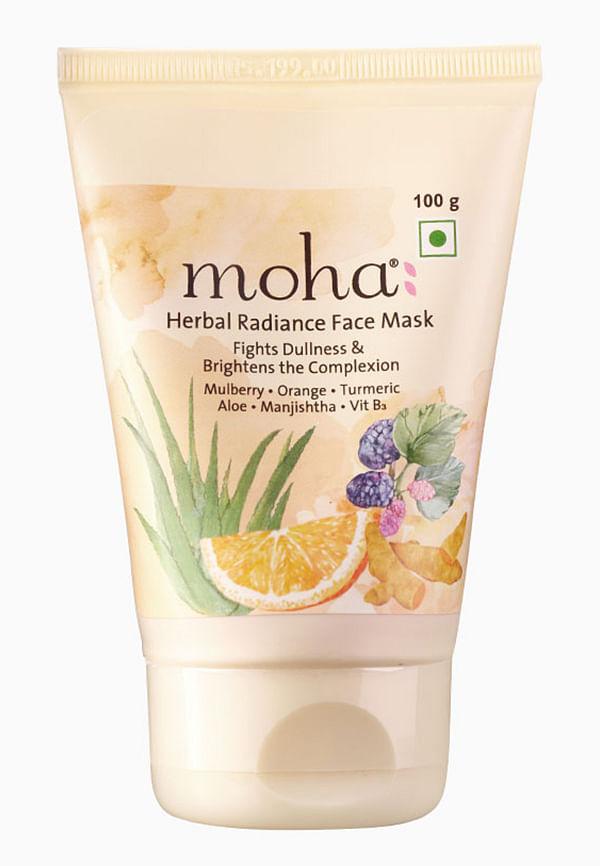
Herbal Radiance Facemask - For Brightness
Cleanses and refreshes
5“it's good helps to clean the face and gives a fresh look”
Amazing Face Mask!
5“just wow nice and very good 👍 one of the best face masks that I have used no irritation no tightness created softness in skin best I love it”
Lightweight & Refreshing
4“very light weight feel after applying, it's refreshing”
Start with 1-2 times per week and always follow up with moisturiser and SPF. These ingredients make your skin more photosensitive, so sun protection is non-negotiable.
While professional treatments are incredibly effective, there are some home remedies for dark spots that actually have scientific backing. The key is using them correctly and having realistic expectations about results.
Traditional ayurvedic treatment for hyperpigmentation often includes ingredients that modern science has validated. However, it's important to approach these remedies with the same caution you'd use with any skincare ingredient.
Turmeric contains curcumin, which has anti-inflammatory and skin-brightening properties. Mix a pinch of turmeric with milk or honey to create a gentle mask. Always patch test first, as turmeric can temporarily stain the skin yellow.
Use this treatment 2-3 times per week and be patient—natural remedies take longer to show results than commercial products.
Fermented rice water contains natural kojic acid, which can help with mild pigmentation. Soak rice for 30 minutes, strain the water, and use it as a toner. This is one of the gentlest natural hyperpigmentation solutions you can try.
Green tea is packed with antioxidants that can help prevent further pigmentation while gently brightening existing spots. Brew strong green tea, let it cool, and use it as a toner or compress on affected areas.
Building an effective Indian skincare routine for hyperpigmentation is about consistency and patience. Your routine should focus on treating existing pigmentation while preventing new spots from forming.
Morning routine should include a gentle cleanser, your chosen active ingredient (like vitamin C), moisturiser, and broad-spectrum SPF 30 or higher. Evening routine can include double cleansing, treatment products like retinoids or azelaic acid, and a nourishing moisturiser.
Incorporate gentle exfoliation 1-2 times per week with AHAs or BHAs. Face masks with brightening ingredients can be used once a week for an extra boost.
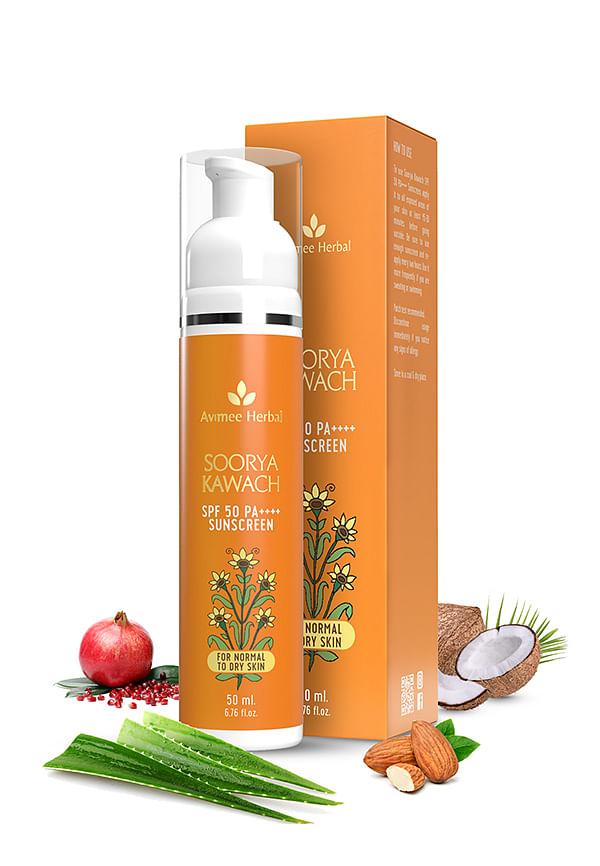
Soorya Kawach Sunscreen
Excellent Formula
5“nice formula no white cast enriched with vitamin c”
Great Product
5“very good performance and nice”
Light and Fast Absorbing
5“very very lite and quick absorbing”
Remember, when you're trying new products, platforms like Smytten make it easier to test different formulations without committing to full sizes. With over 1,500 trusted brands available in trial sizes, you can discover what works for your unique skin needs before making larger investments.
While many hyperpigmentation Indian skin remedies can be effective at home, sometimes professional intervention is necessary. If you notice rapidly changing pigmentation, raised or textured spots, or no improvement after 6 months of consistent treatment, it's time to consult a dermatologist.
Professional treatments like chemical peels, laser therapy, or prescription medications can be incredibly effective for stubborn pigmentation. The key is finding a dermatologist experienced with Indian skin tones who can modify treatments accordingly.
Most treatments take 4-6 weeks to show initial changes and 3-6 months for significant improvement. Indian skin often takes longer to respond due to higher melanin content, so patience is crucial.
Higher melanin concentration in Indian skin types makes melanocytes more reactive to inflammation, trauma, and hormonal changes. This increased reactivity leads to more frequent and persistent pigmentation issues.
Yes, but introduce them gradually. Start with one active ingredient and add others slowly to avoid irritation. Some combinations, like vitamin C and niacinamide, work particularly well together.
Not necessarily. The key is finding products with effective concentrations of proven ingredients. Many affordable options contain the same active ingredients as luxury brands.
Generally yes, but be cautious about over-treating your skin. If you're using active ingredients like retinoids or acids, stick to gentle home remedies and always patch test new combinations.
Treating hyperpigmentation on Indian skin requires patience, consistency, and the right approach. These seven proven remedies offer different pathways to clearer, more even-toned skin, whether you prefer gentle natural solutions or more potent active ingredients.
Remember, what works for your friend might not work for you, and that's completely normal. Your skin is unique, and finding the right combination of treatments often involves some trial and error. This is where platforms like Smytten become invaluable—with curated trial packs from over 1,500 trusted brands including skincare favourites like Cetaphil and Dot & Key, you can explore different hyperpigmentation treatment options without the commitment of full-size purchases.
The platform's approach of offering up to 8 minis for just ₹249, with 100% cashback redeemable for future orders, makes it easier to discover your perfect skincare routine. With over 25 million users and 100 million trial minis delivered, Smytten understands that finding the right products shouldn't involve guesswork or expensive mistakes. After all, why settle for 'maybe' when you can try it all and find what truly works for your skin?
