7 Proven Niacinamide Benefits for Acne-Prone Skin


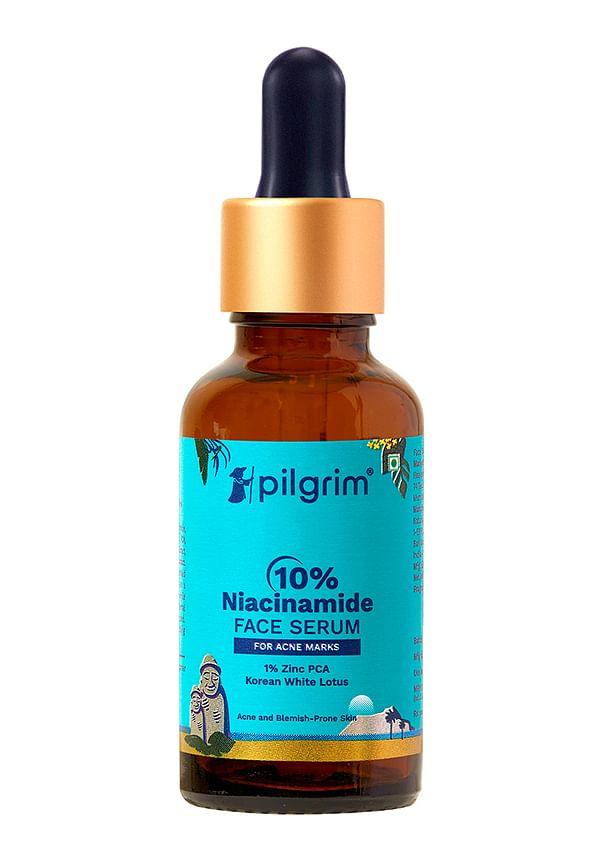
10% Niacinamide Face Serum For Acne Marks
Thanks for Best Quality
 5
5“thanks symtten for best quality 5”
Good for Oily Skin & Acne Marks
5“it is good for oily skin. remove acne marks”
Good Packaging, Effective Product
4“The packaging looks so good. Its effective since day 1. ”
Let's be real—dealing with acne-prone skin feels like a never-ending battle. You've probably tried countless products, from harsh scrubs to drying treatments, only to end up with irritated skin that's somehow still breaking out. Enter niacinamide for acne, the gentle yet powerful ingredient that's been quietly revolutionising skincare routines across the globe. Unlike aggressive treatments that strip your skin bare, niacinamide works smarter, not harder. It's the kind of ingredient that tackles multiple skin concerns whilst being kind to your face—think of it as your skin's diplomatic peacekeeper. Whether you're dealing with stubborn breakouts, post-acne marks, or that annoying oily T-zone, niacinamide benefits for acne extend far beyond just zapping spots.
Niacinamide, also known as nicotinamide or vitamin B3, is basically your skin's multitasking bestie. This water-soluble vitamin doesn't just sit pretty on your face—it gets to work at the cellular level, targeting the root causes of acne rather than just masking symptoms. The science behind niacinamide acne treatment is pretty fascinating, actually.
Here's where it gets clever: niacinamide regulates sebum production by influencing your sebaceous glands. Too much oil? It dials it down. Skin barrier compromised? It helps rebuild it. Inflammation causing those angry red spots? It soothes them. Clinical research consistently shows that niacinamide can reduce acne lesions by up to 60% when used consistently over 8-12 weeks. The best part? It does all this without the irritation, dryness, or peeling that comes with harsher acne treatments. Your skin gets clearer without feeling like it's been through a battle.
Ready to discover why niacinamide deserves a permanent spot in your skincare routine? These seven benefits aren't just marketing fluff—they're backed by solid research and real results that you can actually see and feel.
If your face feels like an oil slick by midday, niacinamide for oily skin and acne is about to become your new obsession. This clever ingredient works by regulating sebaceous gland activity, essentially teaching your skin to produce just the right amount of oil—not too much, not too little. Studies show that 2% niacinamide can reduce sebum production by up to 30% within just four weeks. That means fewer clogged pores, less shine, and significantly fewer breakouts. Your makeup will thank you, and so will your confidence.
Large, visible pores aren't just a cosmetic concern—they're acne waiting to happen. Niacinamide works to refine pore appearance by improving skin elasticity and reducing the buildup of dead skin cells that can lead to blockages. Whilst you can't actually shrink pores (they're genetically determined), niacinamide helps them appear smaller by keeping them clear and improving the overall texture of your skin. Think of it as giving your pores a proper deep clean that lasts.
Those angry, red breakouts that seem to announce themselves to the world? Niacinamide's anti-inflammatory properties help calm them down significantly. It works by inhibiting the transfer of inflammatory mediators, essentially telling your skin to chill out. This means faster healing times for active breakouts and less of that lingering redness that can hang around for weeks after a spot has cleared. Your skin looks calmer, more even-toned, and generally less stressed.
Here's where niacinamide for acne scars really shines. Those dark marks left behind after breakouts clear up? Niacinamide helps fade them by regulating melanin transfer and promoting healthy cell turnover. It's particularly effective on post-inflammatory hyperpigmentation—those brown or purple marks that can linger for months. Whilst it won't work overnight miracles, consistent use over 8-12 weeks can lead to noticeably more even skin tone. Your complexion starts looking like you, just with better lighting.
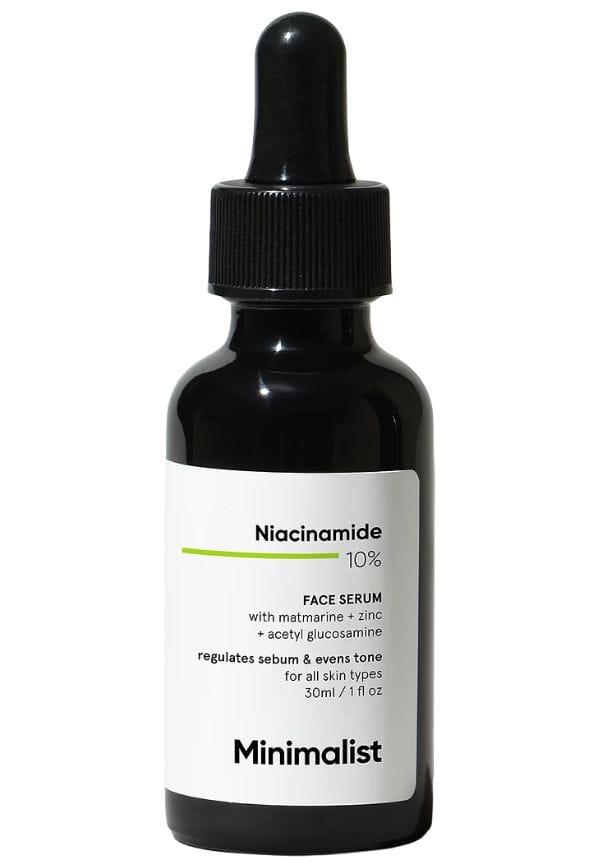
10% Niacinamide Face Serum for Acne Marks
Good but Expensive
4“it's good but slightly expensive”
Great Product, Works Well
5“great stuff, loved it, works well.”
Good but Expensive
4“it's good but slightly expensive”
A compromised skin barrier is like leaving your front door wide open to acne-causing bacteria and irritants. Niacinamide helps strengthen this crucial protective layer by boosting ceramide production and improving moisture retention. When your skin barrier is healthy, it's better equipped to defend against environmental aggressors and maintain proper hydration levels. This means less irritation, fewer breakouts, and skin that just feels more resilient overall.
If you've got sensitive skin that breaks out at the mere mention of harsh treatments, niacinamide is your gentle giant. Unlike salicylic acid or retinoids, which can cause irritation, dryness, and peeling, niacinamide is remarkably well-tolerated. It's suitable for all skin types, including sensitive and rosacea-prone skin. You can use it twice daily without worrying about over-exfoliation or compromising your skin barrier. It's effective acne treatment without the drama.
The real magic of niacinamide isn't just in treating existing breakouts—it's in preventing future ones. By regulating oil production, maintaining healthy cell turnover, and keeping your skin barrier strong, niacinamide creates an environment where acne is less likely to develop in the first place. It's like having a bouncer for your pores, keeping the troublemakers out whilst letting the good stuff in.
Now that you're convinced niacinamide needs to be in your life, let's talk about how to actually use it. Getting the application right can make the difference between seeing real results and wondering why everyone's raving about this ingredient.
When it comes to niacinamide serum for acne, more isn't always better. Most research shows that concentrations between 2-5% are just as effective as higher percentages, with less risk of irritation. If you're new to niacinamide, start with 2-5% and see how your skin responds. You can always work up to 10% if needed, but many people find lower concentrations perfectly effective. Remember, consistency trumps concentration every time.
The beauty of niacinamide is its flexibility—you can use it morning, evening, or both. Apply it after cleansing but before heavier creams or oils. If you're using other active ingredients like retinoids or AHAs, niacinamide actually plays well with others and can help reduce potential irritation. Start with once daily application and gradually increase to twice daily as your skin adjusts. Your skin will tell you what it can handle.
A little goes a long way with niacinamide serums. Use 2-3 drops for your entire face, gently patting it into clean skin. Don't rub vigorously—let it absorb naturally for about 10-15 minutes before applying your next product. If you're using multiple serums, apply niacinamide after water-based products but before oil-based ones. Think of it as building layers, with the thinnest consistency going on first.
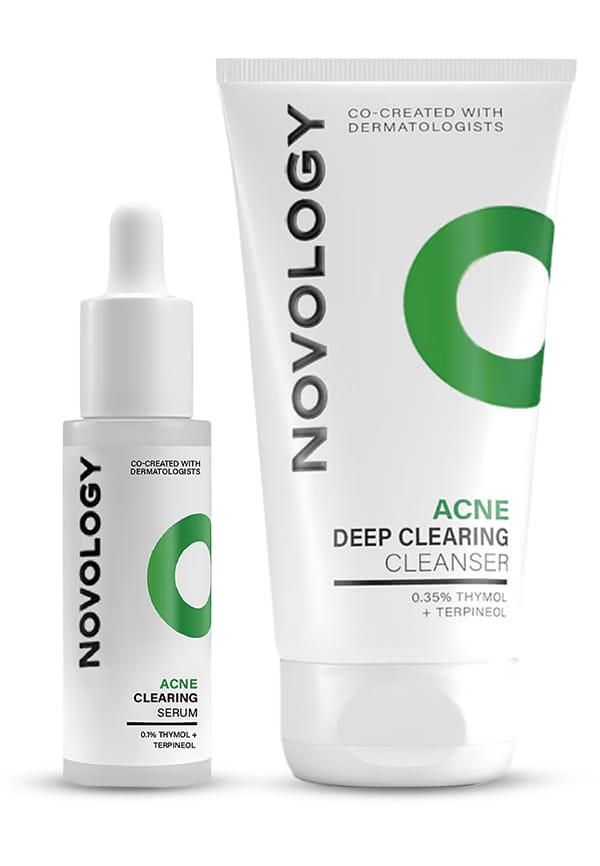
Anti-Acne Solution Combo
Effective for oily, acne-prone skin
5“Very effective for oily andacne prone skin”
Let's set realistic expectations about your niacinamide journey. Unlike some skincare ingredients that promise overnight transformations, niacinamide is more of a steady, reliable friend who shows up consistently over time.
Weeks 1-2: You might notice your skin feels calmer and less reactive. Any existing breakouts may heal slightly faster, and your skin might feel more balanced overall.
Month 1: This is when things get interesting. You should start seeing fewer new breakouts, reduced oiliness, and existing acne marks beginning to fade. Your skin tone might look more even.
Month 3 and beyond: The long-term magic happens here. Pores appear smaller, acne scars continue fading, and your overall skin texture improves significantly. Many people find their skin looks healthier and more resilient.
Here's some good news: niacinamide purge isn't really a thing. Unlike exfoliating acids or retinoids that can cause initial breakouts as they speed up cell turnover, niacinamide doesn't typically cause purging. If you experience increased breakouts when starting niacinamide, it's more likely due to a sensitivity or reaction to other ingredients in the formula. This is why patch testing is always worth doing, even with gentle ingredients.
Whilst niacinamide is generally well-tolerated, it's worth knowing what to watch out for. Most people can use niacinamide without any issues, but everyone's skin is different.
The most common side effect is mild facial flushing, particularly with higher concentrations. Some people might experience slight irritation, redness, or tingling when first starting. These effects usually subside as your skin adjusts. If you experience persistent irritation, burning, or worsening breakouts, discontinue use and consider trying a lower concentration or different formulation.
For most people, 10% niacinamide isn't necessary and might actually be counterproductive. Higher concentrations can cause irritation without providing additional benefits. If you're curious about trying 10%, start with every other day and monitor your skin's response carefully. Remember, the goal is healthy skin, not using the highest concentration possible.
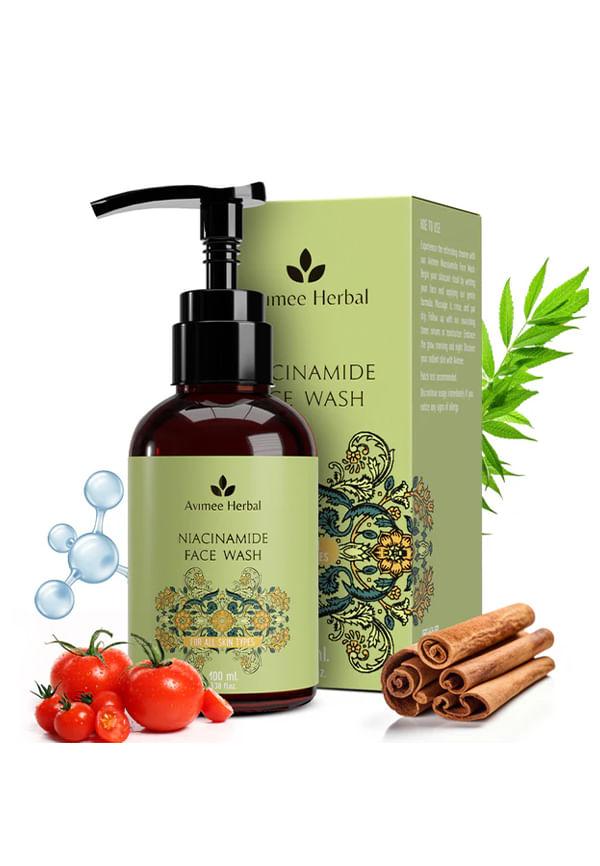
Niacinamide Face Wash
Great Facewash
4“I Love this facewash. it gives me flawless skin”
Positive Product Review
5“this product was very good...I love it”
Highly Recommended Product
4“good product. everyone should try.”
Speaking of finding what works for your skin, this is where platforms like Smytten become incredibly valuable. As India's largest product discovery platform, Smytten lets you try mini-sized niacinamide serums from trusted brands before committing to full-size purchases. With over 1,500 brands available, you can explore different niacinamide formulations to find your perfect match without the financial risk of buying full-size products that might not work for you.
Absolutely. Clinical studies consistently show that niacinamide can reduce acne lesions by up to 60% when used consistently. It works by regulating oil production, reducing inflammation, and preventing pore blockages—all key factors in acne development.
Yes, niacinamide plays well with most other skincare ingredients, including salicylic acid, retinoids, and vitamin C. It can actually help reduce irritation from stronger acne treatments whilst boosting their effectiveness.
Most people start noticing improvements within 2-4 weeks, with significant results visible after 8-12 weeks of consistent use. Remember, skincare is a marathon, not a sprint.
It's practically made for oily, acne-prone skin. Niacinamide regulates sebum production, minimises pore appearance, and reduces inflammation—all crucial for managing oily, breakout-prone complexions.
Niacinamide itself rarely causes breakouts. If you experience increased acne when starting a niacinamide product, it's more likely due to other ingredients in the formulation or a sensitivity reaction.
Niacinamide for acne isn't just another skincare trend—it's a scientifically-backed ingredient that offers real, lasting benefits for problematic skin. From regulating oil production to fading acne scars, it addresses multiple concerns without the harsh side effects of traditional acne treatments. The key is choosing the right concentration, applying it consistently, and being patient with the process.
What makes niacinamide particularly appealing is its gentleness and versatility. Whether you're dealing with occasional breakouts or persistent acne, sensitive skin or oily complexions, niacinamide adapts to your skin's needs. It's the kind of ingredient that works quietly in the background, steadily improving your skin without drama or irritation.
With Smytten's trial packs, you can explore different niacinamide formulations from trusted brands without the commitment of full-size purchases. Get up to 8 minis for just ₹249, plus enjoy 100% cashback redeemable for future orders. It's the perfect way to discover which niacinamide serum becomes your skin's new favourite. After all, why settle for guessing when you can try it all and find what truly works for your unique skin?
