7 Pro Tips to Reduce Dark Patches on Skin Fast


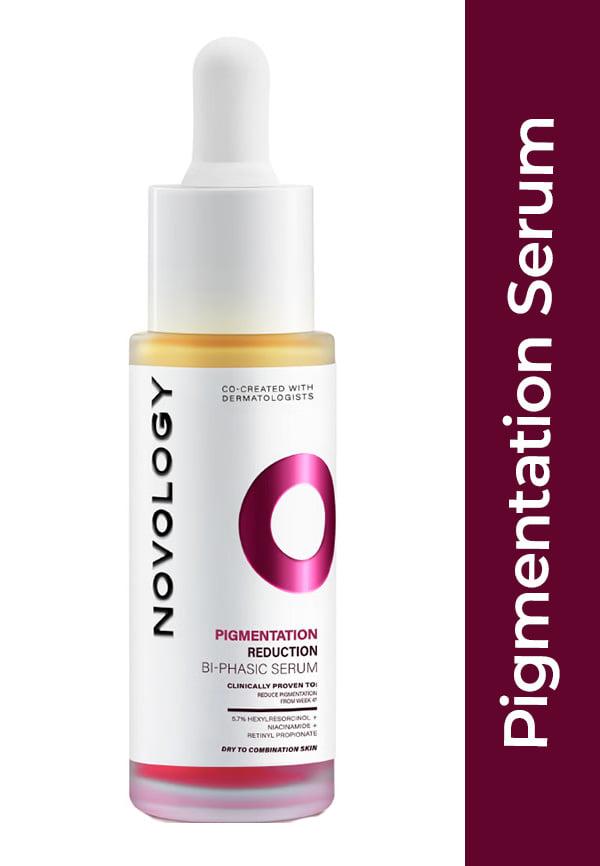
Pigmentation Serum, Bi-Phasic Face Serum for Hyperpigmentation & Dark Spots
Nice Product, Love It
 5
5“nice product i love it.........”
Effective Product
5“can see the result soon... very effective”
Positive Product Feedback
5“I like this product this is good 😊”
Dark patches on your skin can feel like unwelcome guests that just won't leave. Whether it's age spots from years of sun exposure, melasma from hormonal changes, or those stubborn marks left behind from breakouts, dealing with skin discoloration can be frustrating. The good news? You don't have to live with uneven skin tone forever. With the right approach and proven techniques, you can effectively reduce dark patches skin and get back to feeling confident in your own skin. Let's dive into seven pro tips that actually work, backed by dermatology research and real results.
Before jumping into solutions, let's get real about what's happening beneath the surface. Dark patches occur when your skin produces too much melanin—the pigment that gives your skin its colour. Think of melanin as your skin's natural defence system that goes a bit overboard sometimes.
Several factors can trigger this melanin overproduction. Sun exposure is the biggest culprit, causing age spots and sunspots that seem to appear overnight. Hormonal changes during pregnancy or from birth control can lead to melasma—those symmetrical patches that often show up on the cheeks and forehead. Even inflammation from acne, cuts, or other skin injuries can leave behind post-inflammatory hyperpigmentation.
Some people are naturally more prone to pigmentation issues due to genetics or skin type. If you have darker skin, you're more likely to develop dark spots after any kind of skin trauma. The timeline for seeing improvement varies, but most people notice changes within 6-12 weeks of consistent treatment.
Here's the truth bomb: no hyperpigmentation treatment will work if you're not protecting your skin from the sun. It's like trying to fill a bucket with holes in it. Even on cloudy days, UV rays can make existing dark spots darker and create new ones.
Your daily SPF should be at least 30, but honestly, go for 50 if you're dealing with stubborn spots. Look for broad-spectrum formulas that protect against both UVA and UVB rays. Here's a pro tip most people miss: choose sunscreens with iron oxide. This ingredient provides extra protection against visible light, which can also worsen melasma and other types of pigmentation.
Apply sunscreen 15-20 minutes before going outside, and reapply every two hours. If you're wearing makeup, try a setting spray with SPF or a powder sunscreen for touch-ups.
If you have sensitive skin or active hyperpigmentation, physical sunscreens with zinc oxide or titanium dioxide might be gentler than chemical formulas.
Not all dark spot corrector ingredients are created equal. Some are backed by decades of research, while others are just marketing hype. Let's focus on the proven players that actually deliver results for skin brightening.
Hydroquinone is often called the gold standard for treating dark spots. It works by blocking the enzyme that produces melanin. You can find 2% concentrations over-the-counter, but dermatologists can prescribe stronger formulas. Start slowly—use it every other night for the first week to see how your skin reacts.
L-ascorbic acid is the most potent form of vitamin C for fade dark spots, but it can be unstable. Magnesium ascorbyl phosphate and sodium ascorbyl phosphate are gentler alternatives that work well for sensitive skin.
Tretinoin is prescription-strength and highly effective, while retinol and retinyl palmitate are available over-the-counter. These ingredients speed up cell turnover, helping to fade dark spots faster.
Kojic acid, arbutin, and azelaic acid are gentler options that can be effective for mild to moderate pigmentation. They're particularly good if you can't tolerate hydroquinone.
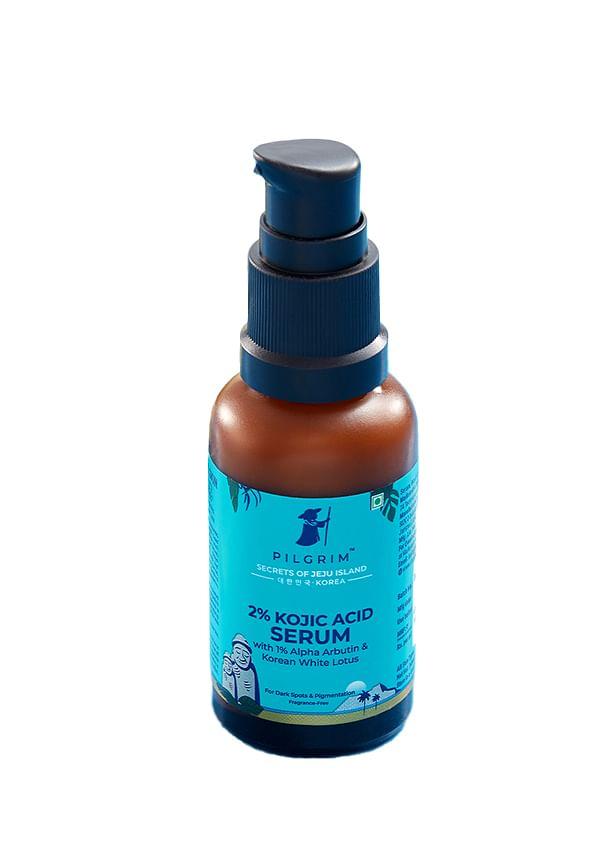
2% Kojic Acid Serum For Dark Spots & Pigmentation
Effective for Dark Spots and Skin Tone
5“This kojic acid product is very effective for reducing dark spots and uneven skin tone. It feels light on the skin and gives a clear, brightened look with regular use.”
Very Good Product
4“very very good product hai nice 👌”
Very Good Product
4“very very good product hai nice 👌”
While natural remedies won't work as quickly as prescription treatments, some have genuine science behind them for addressing uneven skin tone. The key is managing your expectations and being consistent with application.
Aloe vera contains aloin, a compound that has been shown to have depigmenting effects. Apply fresh aloe gel directly to dark spots twice daily. It's gentle enough for daily use and provides bonus hydration.
Curcumin in turmeric has anti-inflammatory properties that can help prevent new dark spots from forming. Mix turmeric powder with honey or yoghurt for a weekly mask, but be careful—it can temporarily stain your skin yellow.
The antioxidants in green tea can help protect against further skin discoloration. You can apply cooled green tea as a toner or look for products containing green tea extract.
Glabridin, found in licorice root, can inhibit melanin production. It's particularly effective for melasma and post-inflammatory hyperpigmentation.
Sometimes, at-home treatments aren't enough for stubborn melasma treatment or deep age spots. Professional treatments can provide faster, more dramatic results, especially for severe pigmentation issues.
Chemical peels use acids to remove the top layers of skin, revealing fresher, more even-toned skin underneath. Glycolic acid peels are great for surface-level spots, while TCA (trichloroacetic acid) peels can address deeper pigmentation. Expect some downtime with stronger peels—your skin will peel and be sensitive for about a week.
IPL (Intense Pulsed Light) targets pigmented cells without damaging surrounding tissue. Q-switched lasers are particularly effective for sunspots removal and can often clear spots in just one or two sessions.
This gentler option uses tiny crystals to exfoliate the skin surface. It's less intense than chemical peels but requires multiple sessions for noticeable results.
Professional treatments typically range from ₹3,000 to ₹15,000 per session in India. Most people need 3-6 sessions spaced 4-6 weeks apart for optimal results.
For stubborn age spots and sunspots removal, combination therapy often works better than single ingredients. The classic triple combination includes hydroquinone, tretinoin, and a mild steroid to reduce irritation.
Start with the combination therapy every third night for the first week, then gradually increase to nightly use as your skin adjusts. Always apply these treatments in the evening, as they can make your skin more photosensitive.
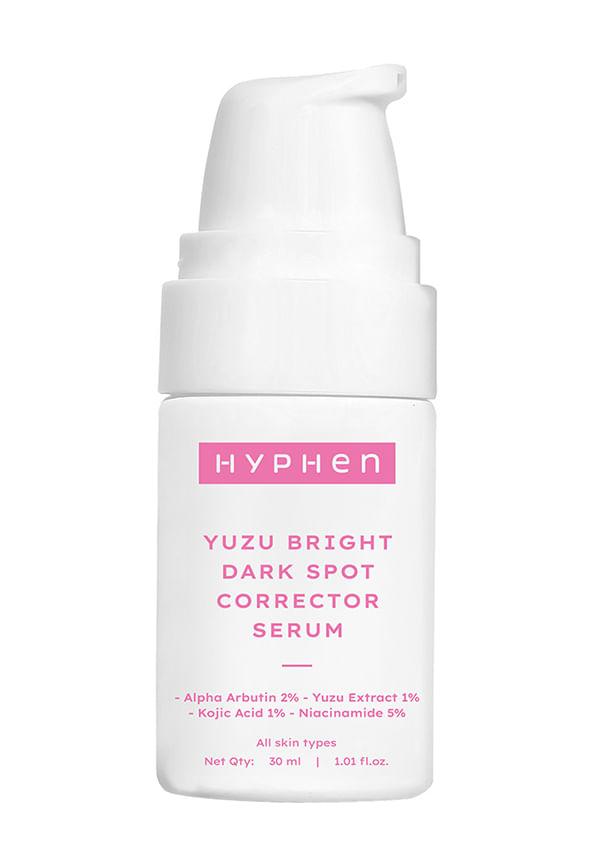
Yuzu Bright Dark Spot Corrector Serum | Reduces Dark Spots & Pigmentation
Use vitamin C and sunscreen in the morning, and save your stronger treatments for nighttime. This prevents ingredient interactions and maximises effectiveness.
Take photos in the same lighting every two weeks to track your progress. Sometimes changes are so gradual that you won't notice them day-to-day, but photos don't lie.
If you experience excessive dryness or irritation, scale back to every other night. Consistency is more important than intensity when it comes to treating pigmentation.
Sometimes dark spots appear suddenly, and it's important to know when to be concerned. While most skin discoloration is harmless, certain changes warrant immediate attention from a dermatologist.
See a doctor immediately if a dark spot changes shape, colour, or size rapidly, bleeds, or has an irregular border. These could be signs of skin cancer rather than benign pigmentation.
If you have a breakout or injury, resist the urge to pick or scratch. Apply a gentle anti-inflammatory treatment like aloe vera or a low-concentration hydrocortisone cream to minimise the risk of dark spots forming.
For new spots, start treatment immediately. The sooner you begin, the easier they are to fade dark spots. Keep a targeted serum with vitamin C or kojic acid on hand for quick application.
The most effective approach to skin brightening is a comprehensive routine that addresses multiple aspects of pigmentation. Consistency is absolutely key—sporadic treatment won't give you the results you're after.
Your morning routine should focus on protection and antioxidants. Start with a gentle cleanser, apply a vitamin C serum, follow with moisturiser, and finish with broad-spectrum sunscreen. This combination protects against further damage while working to fade dark spots.
Evenings are for repair and treatment. Cleanse thoroughly, apply your chosen treatment product (retinoid, hydroquinone, or natural alternative), and finish with a nourishing moisturiser.
Add a gentle exfoliating mask or enzyme treatment once or twice weekly to boost cell turnover. This helps your other products penetrate better and speeds up the fade dark spots process.
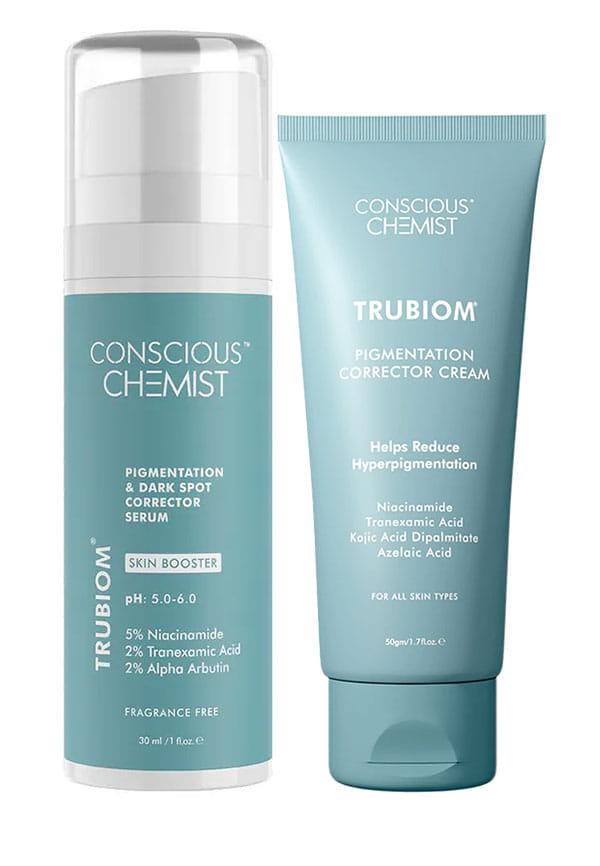
Niacinamide Serum + 1% Zinc & Pigmentation Corrector Moisturiser For Dark Spots Combo
Good for pigmentation
5“good...for pigmentation and brighter skin”
Thank you Smytten
5“Done done done thank you smytten for this”
Initial good, then waste
4“shuru me acha result Mila fir koi result nai Mila ..waste”
Don't use vitamin C and retinoids at the same time—they can neutralise each other. Stick to vitamin C in the morning and retinoids at night.
With Smytten's trial packs, you can test different dark spot corrector products without committing to full sizes. This is particularly helpful when building a skin brightening routine, as you can try various serums and treatments from trusted brands like Dot & Key and Cetaphil to find what works best for your skin type.
The most effective approach combines daily sun protection with proven ingredients like vitamin C, retinoids, or hydroquinone. Over-the-counter options take 6-12 weeks to show results, while prescription treatments work faster. Professional treatments like chemical peels or laser therapy can provide quicker results for stubborn patches.
Natural remedies like aloe vera, turmeric, and licorice root can help lighten dark patches, but they work much slower than clinical treatments. Aloe vera contains aloin, which has depigmenting properties, but you'll need to be patient and consistent. Natural methods work best for mild pigmentation and as supportive treatments alongside proven ingredients.
Honestly, you can't completely fade established dark spots in just 3 days. However, you can reduce inflammation and prevent new spots from darkening by applying aloe vera, avoiding sun exposure, and using a gentle vitamin C serum. For emergency situations before events, colour-correcting makeup can temporarily camouflage spots.
Dark patches result from excess melanin production triggered by sun exposure, hormonal changes, inflammation, or genetics. Age spots come from cumulative sun damage, melasma is often hormone-related, and post-inflammatory hyperpigmentation follows acne or injuries. Some people are genetically predisposed to developing more pigmentation.
While you can't completely remove established spots in 2 days, you can minimise their appearance with ice to reduce inflammation, aloe vera gel for healing, and gentle exfoliation with oatmeal. Focus on preventing further darkening with sun protection and anti-inflammatory treatments rather than expecting complete removal.
The basic treatments are the same regardless of gender, but men often develop pigmentation from shaving irritation. Using a sharp razor, proper shaving cream, and post-shave soothing products can prevent new dark spots. Men's skin is typically thicker, so they may tolerate stronger treatments better, but the same caution applies when starting new products.
Ready to tackle those dark patches? Start with the basics: daily broad-spectrum sunscreen is non-negotiable. This single step prevents existing spots from getting darker and stops new ones from forming. Next, choose one proven treatment ingredient—whether it's vitamin C for beginners or hydroquinone for faster results—and use it consistently.
Remember, patience is your friend here. Most people see initial improvements in 4-6 weeks, with significant results taking 3-6 months. Take progress photos, stick to your routine, and don't give up if you don't see overnight changes.
For stubborn pigmentation that doesn't respond to at-home treatments after 3 months, consider professional options. A dermatologist can assess whether you need prescription treatments or in-office procedures.
The beauty of addressing skin discoloration is that the same habits that help fade dark spots also improve your overall skin health. You're not just treating existing issues—you're preventing future ones and building a foundation for healthier, more radiant skin.
Through Smytten's platform, you can explore trial sizes of various skin brightening products from over 1,500 trusted brands. With Trial Points, you can test up to 8 different products for just ₹249, making it affordable to find your perfect hyperpigmentation treatment routine. Plus, with 100% cashback on trial purchases, you can discover what works for your skin without the financial risk of full-size commitments. After all, why settle for maybe when you can try it all and find exactly what helps you achieve the even, glowing skin you deserve?
