7 Pro Tips for Effective Blackhead Removal Routine

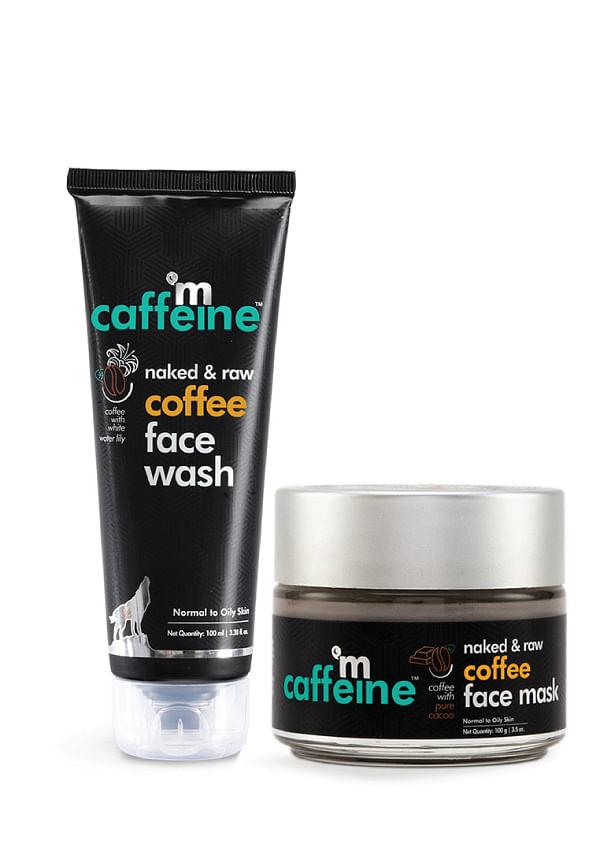
Quick Pore Cleansing Kit - Cleanse & Unclog Pores
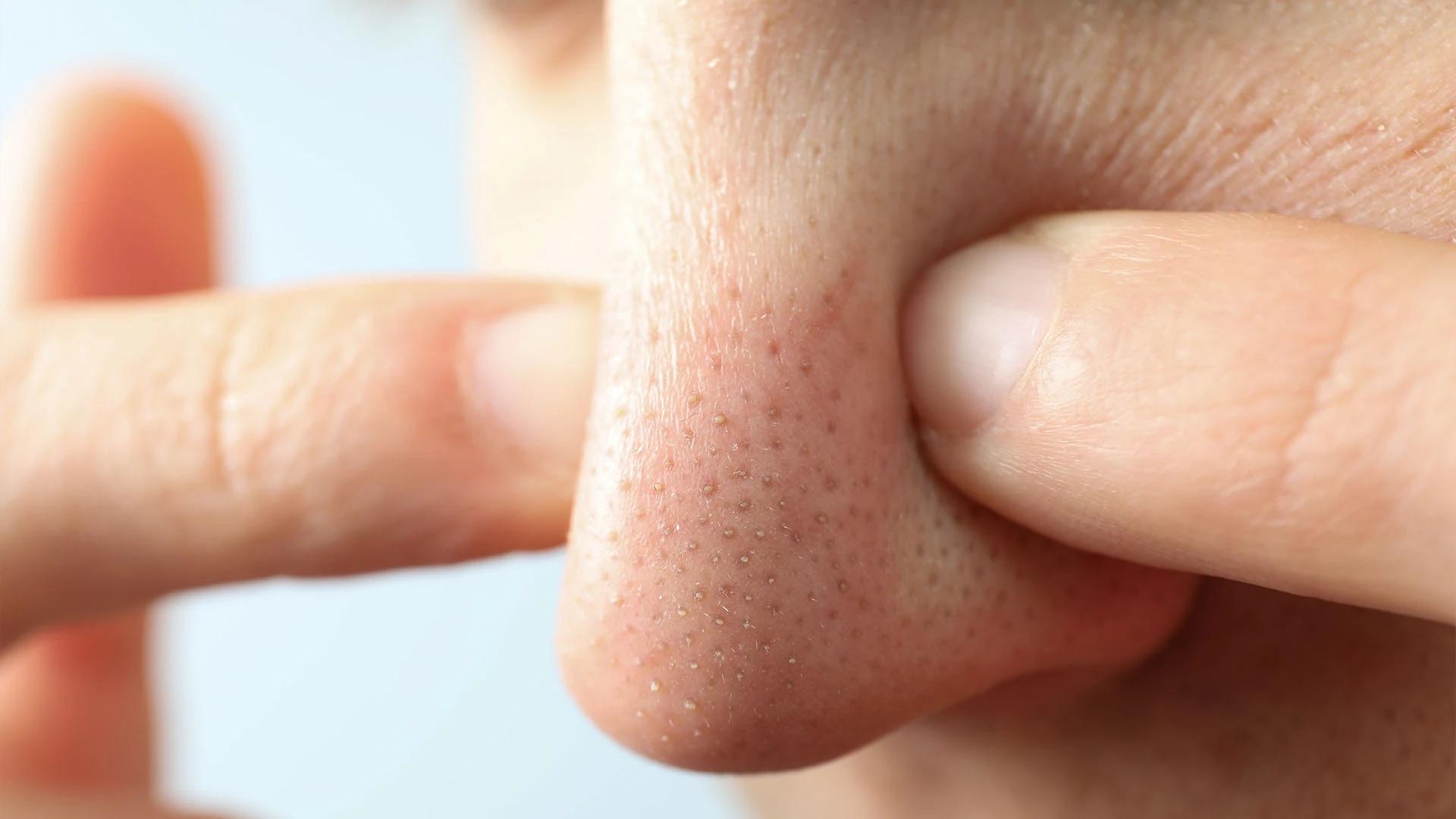
Let's be real—blackheads are probably one of the most stubborn skincare concerns out there. Those tiny dark spots that seem to multiply overnight, especially around your nose and chin, can make even the most confident person feel self-conscious. If you've been battling blackheads with random products and hoping for the best, it's time to level up your approach. A proper blackhead removal routine isn't just about squeezing and hoping—it's about understanding what causes clogged pores and creating a systematic plan that actually works. The good news? With the right techniques and a bit of patience, you can achieve the clear skin you've been dreaming of. Here are seven pro tips that'll transform your skincare game and help you say goodbye to those pesky blackheads for good.
Double cleansing might sound like overkill, but trust us—it's the foundation of any effective blackhead removal routine. This method ensures you're removing every trace of makeup, sunscreen, and excess oil that can contribute to clogged pores. Start with an oil-based cleanser to dissolve sebum and makeup. Oil attracts oil, so this first step breaks down the stubborn buildup that water-based cleansers can't touch. Massage the oil cleanser into dry skin for about 30 seconds, focusing on blackhead-prone areas like your T-zone.
Follow up with a gentle foaming cleanser to remove any remaining impurities. Look for ingredients like salicylic acid or glycolic acid in your second cleanser—these help with gentle exfoliation for blackheads whilst cleaning.
For blackhead-prone skin, seek out cleansers with niacinamide, which helps regulate oil production, or tea tree oil for its antibacterial properties. Avoid harsh sulphates that can strip your skin and trigger more oil production.
Salicylic acid is your best mate when it comes to blackhead treatment. Unlike other acids that work on the surface, salicylic acid is oil-soluble, meaning it can penetrate deep into your pores to dissolve the gunk that's causing those blackheads. Start with a 0.5% to 2% concentration, depending on your skin's tolerance. If you're new to chemical exfoliation for blackheads, begin with every other day and gradually increase frequency as your skin adapts.
Apply salicylic acid products in the evening after cleansing but before moisturiser. This gives the acid time to work overnight without interference from other products.
You can layer salicylic acid with niacinamide or hyaluronic acid, but avoid mixing it with retinoids or vitamin C to prevent irritation. Always follow up with a good moisturiser to maintain your skin barrier.
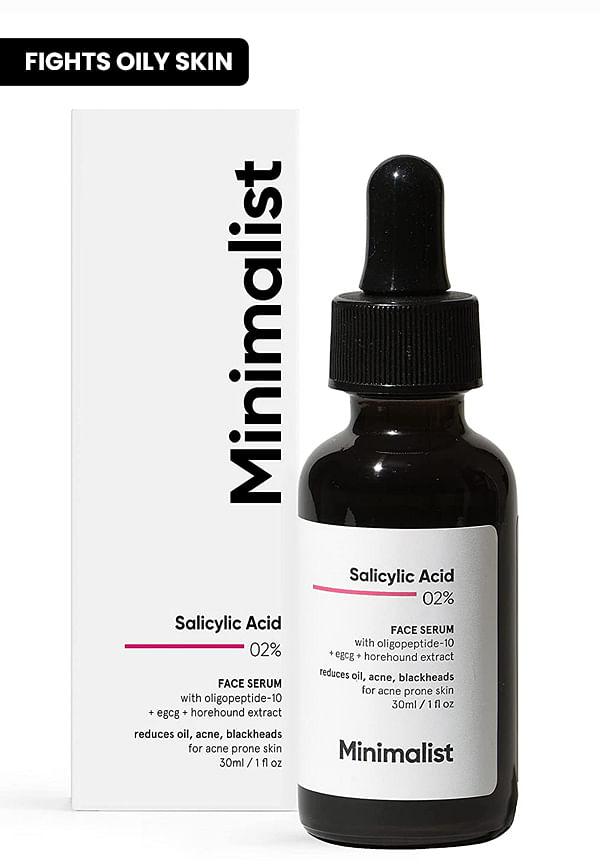
2% Salicylic Acid Serum For Acne, Blackheads & Open Pores
Pleasant Smell
 5
5“its very nice and smells too good”
Pleasant Smell
5“its very nice and smells too good”
Good for oily skin
5“Serum is no stices and good product salicylic acid oliy skin for great ”
Pore strips can be satisfying (who doesn't love seeing all that gunk come out?), but they need to be used correctly to avoid damaging your skin. They're best used as an occasional treatment, not a daily solution. Before applying a pore strip, steam your face or use a warm, damp cloth to open your pores. This makes the blackhead extraction more effective and less harsh on your skin.
If you're going the DIY route with extraction tools, always sanitise everything first. Use a comedone extractor with gentle, even pressure—never dig or force anything out. Work on clean, steamed skin and follow up with a soothing toner.
After any extraction method, apply a gentle antiseptic toner and avoid heavy products for 24 hours. Your pores will be more vulnerable, so stick to lightweight, non-comedogenic products.
Consistent exfoliation for blackheads is key, but overdoing it can backfire and make your skin produce more oil. Creating a balanced schedule helps you maintain clear pores without irritation. Physical exfoliation (scrubs) should be limited to once or twice a week, whilst chemical exfoliation can be done more frequently depending on your skin's tolerance. The goal is to remove dead skin cells that can mix with oil and create blackheads.
Physical exfoliants work immediately but can be harsh if overused. Chemical exfoliants like AHAs and BHAs work more gently over time and are generally better for sensitive skin.
Watch out for increased redness, sensitivity, or paradoxically, more breakouts. If you notice these signs, scale back your routine and focus on gentle, hydrating products until your skin recovers.
Not all blackhead treatment products are created equal, and what works for your mate might not work for you. Understanding your skin type helps you choose the most effective products for your skincare for blackheads routine. Clay masks are brilliant for oily skin types as they absorb excess oil and draw out impurities. Charcoal masks work similarly but can be more drying, so they're best for very oily skin.
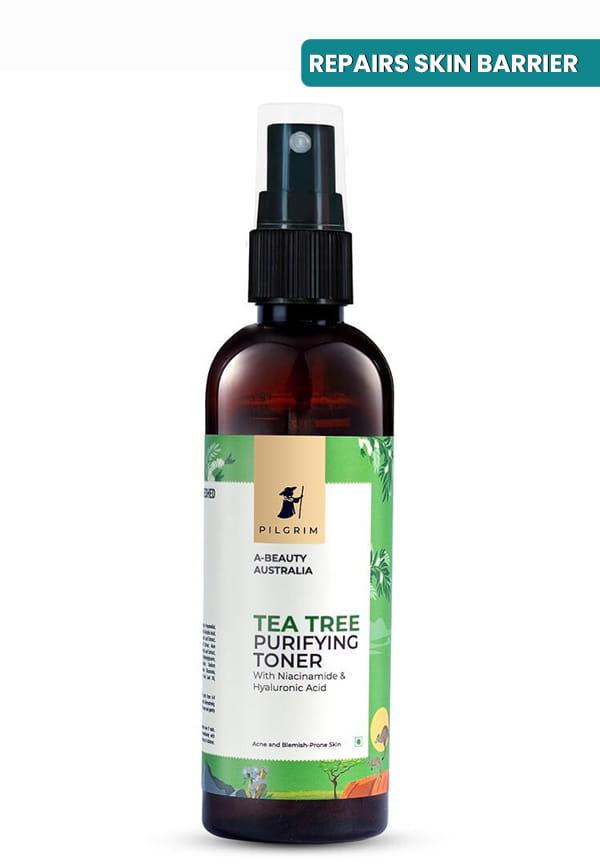
Tea Tree Purifying Alcohol-Free Toner To Cleanse, Refine & Tighten Pores
Reduces Pores & Refreshes Skin
5“reduce pores, cleaner skin , refreshing”
Good for Acne Prone Skin
5“good for acne prone skin.... having active puss filled acne”
Gentle & Fresh Feeling
5“so gentle and fresh feeling good”
Retinoids are the gold standard for preventing blackheads. They increase cell turnover, preventing dead skin cells from clogging your pores. Start with a low concentration and use only at night.
Counterintuitively, certain oils can actually help with blackheads. Jojoba oil and squalane are non-comedogenic and can help balance your skin's oil production.
Prevention is always better than cure when it comes to clogged pores. Small daily habits can make a massive difference in keeping your skin clear long-term. Your pillowcase, phone screen, and even your hands can transfer bacteria and oil to your face throughout the day. Change your pillowcase weekly, clean your phone regularly, and resist the urge to touch your face.
Look for non-comedogenic labels on all your face products. Heavy, oil-based foundations and sunscreens can contribute to blackheads, especially if not properly removed at the end of the day.
Stress, lack of sleep, and certain foods (particularly dairy and high-glycemic foods) can trigger more oil production and worsen blackheads. A holistic approach to skincare includes taking care of your overall health.
Sometimes, despite your best efforts with an at-home blackhead removal routine, you might need professional intervention. Knowing when to seek help can save your skin from damage and frustration. If you're dealing with deep, stubborn blackheads that don't respond to over-the-counter treatments, or if you notice scarring from aggressive extraction attempts, it's time to see a dermatologist or professional aesthetician.
Professional extractions are performed with proper tools and technique, reducing the risk of scarring. Treatments like chemical peels or microdermabrasion can also help with stubborn blackheads.
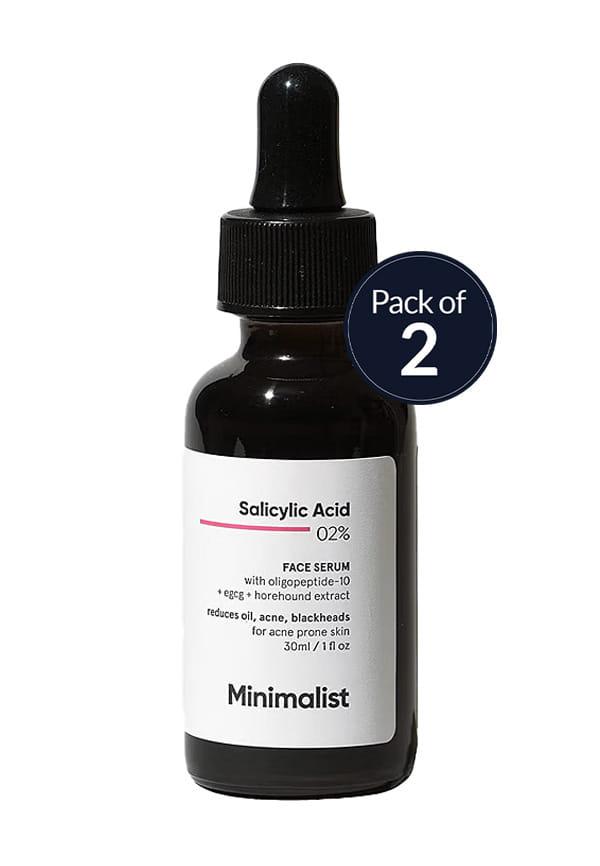
2% Salicylic Acid Serum For Acne, Blackheads & Open Pores
Good for acne skin
4“very nice product suit for acne skin😍”
Soft and Glowing Skin
5“my skin is very soft and glowing”
After professional treatment, maintaining results requires a consistent home routine. Your aesthetician can recommend specific products and techniques based on your skin's response to treatment. This is where platforms like Smytten become incredibly valuable. With access to trial packs from trusted brands like Cetaphil and Dot & Key, you can experiment with different blackhead treatment products without committing to full sizes. Finding the right combination of products for your skin type becomes much more affordable and less risky.
Professional extractions should be done every 4-6 weeks, whilst gentle at-home methods can be used weekly. Daily aggressive extraction will damage your skin and make blackheads worse.
Blackheads can't be permanently removed since they're a natural result of oil production and dead skin cells. However, a consistent routine can keep them minimal and manageable.
Blackheads are actual clogs that appear dark, whilst sebaceous filaments are natural oil channels that appear grey or yellow. Sebaceous filaments are normal and will refill even after extraction.
Basic extraction tools are sufficient for most people. Expensive gadgets aren't necessarily better—proper technique and consistency matter more than fancy tools.
Most people see initial improvements within 2-4 weeks, but significant changes typically take 6-8 weeks of consistent use. Patience is key with any skincare for blackheads routine.
Dairy and high-glycemic foods may worsen blackheads for some people, but the relationship isn't the same for everyone. If you suspect food triggers, try eliminating them for a month to see if your skin improves.
Building an effective blackhead removal routine isn't about quick fixes—it's about understanding your skin and creating sustainable habits. Start with gentle double cleansing, incorporate salicylic acid gradually, and be patient with the process. Remember that consistency beats intensity every time. The key to success lies in finding products that work specifically for your skin type and concerns. With Smytten's trial packs, you can explore different blackhead treatment options from over 1,500 trusted brands without the commitment of full-size purchases. Whether you're trying a new clay mask or testing a gentle exfoliant, the platform's approach of letting you try before you buy makes building your perfect routine both affordable and smart. After all, why settle for products that might work when you can discover what actually does?
