7 Pro Tips for Dry Skin in Urban Climates


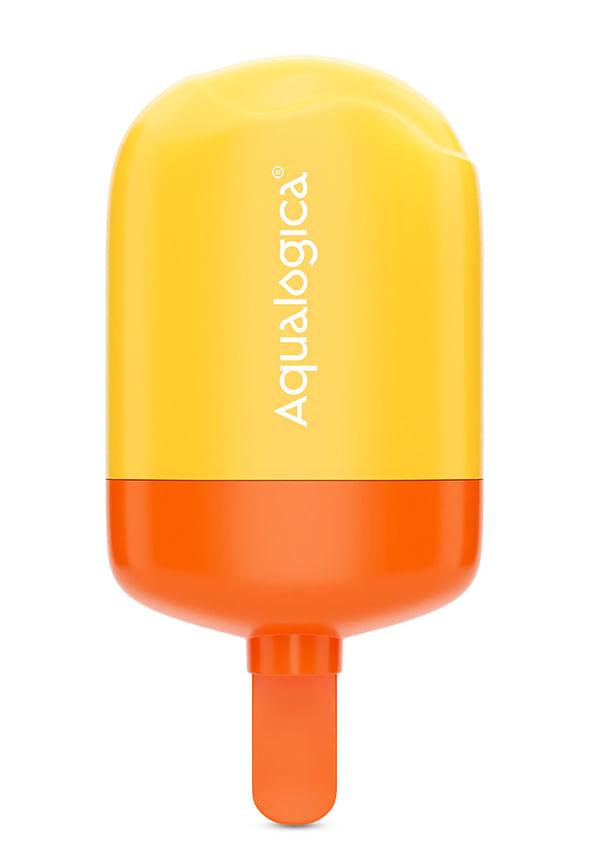
Glow+ Milk Fluid Moisturizer
Living in Delhi, Pune, or Bangalore? Your skin probably knows the struggle all too well. Urban interior cities come with their own set of skincare challenges that coastal dwellers simply don't face. Between the dry air, pollution, and constant temperature shifts from AC to outdoor heat, your skin barrier takes a proper beating. But here's the thing—with the right dry-weather skincare routine for women in interior cities, you can actually get that healthy, hydrated glow year-round. Let's dive into seven game-changing tips that'll transform how your skin handles urban dryness.
Real talk—if you've moved from Mumbai to Delhi or Chennai to Hyderabad, you've probably noticed your skin acting up within weeks. Interior cities have humidity levels that hover around 20-30%, compared to coastal cities that enjoy 50-60%. That's a massive difference for your skin barrier.
Indoor heating and cooling systems make things worse by constantly stripping moisture from both the air and your skin. Add urban pollution to the mix, and you've got a recipe for dehydrated skin solutions becoming absolutely essential. The temperature swings between air-conditioned indoors and scorching outdoors? Your skin barrier doesn't know what hit it.
Wind exposure in open city landscapes accelerates moisture loss through something called transepidermal water loss. Basically, your skin's natural hydration gets whisked away faster than you can say "moisturiser." This is why your regular city skincare routine needs to be way more strategic than what worked back home.
Think of your hydrating skincare routine like getting dressed for unpredictable weather—you need layers that work together. The golden rule? Humectant, then emollient, then occlusive. This isn't just skincare jargon; it's your ticket to all-day hydration.
Your morning routine should flow like this: hydrating toner (humectant) → hydrating serum → moisturiser → SPF. Each layer serves a purpose—toners pull moisture into your skin, serums deliver concentrated hydration, moisturisers seal it in, and SPF protects against environmental damage.
Evenings are when you can really go all out with intense hydration skincare. Start with a cleansing oil to remove pollution and sunscreen, follow with a gentle hydrating cleanser, then layer on your treatment products and finish with a rich night cream.
Here's a pro move most people skip—wait 30-60 seconds between each layer. This gives each product time to absorb properly instead of just sitting on top of each other. Your skin will thank you for the patience.
Not all moisturisers are created equal, especially when you're dealing with skincare for dry climate conditions. You want ingredients that actually work: hyaluronic acid, ceramides, glycerin, and squalane should be your best mates.
Hyaluronic acid can hold up to 1,000 times its weight in water—that's the kind of hydration power you need. Ceramides help repair your skin barrier, while glycerin acts like a moisture magnet. Squalane mimics your skin's natural oils without feeling heavy.
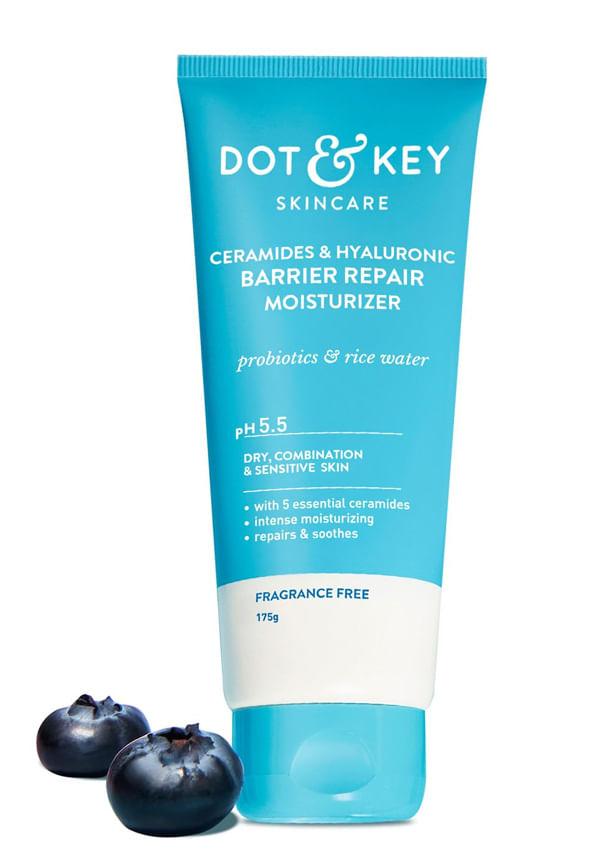
Ceramides & Hyaluronic Barrier Repair Moisturizer
Highly Moisturizing & Delicate
 5
5“highly moisturized and delicate for all types of shin”
Good Hydration and Product
5“very hydration and good product”
Acne Safe & Barrier
5“might not be fungal acne safe, but best for combination and barrier”
For mild dryness, a lightweight cream works brilliantly. But if your skin feels tight and flaky, you need the heavy-duty stuff—rich balms and ointments that create a protective barrier. Don't be afraid to switch between textures based on how your skin feels each day.
Your daytime moisturiser should include SPF 30 or higher—non-negotiable in urban environments. Night-time is when you can layer on treatments with retinoids and peptides that work while you sleep to repair and hydrate.
Sometimes your regular dry skin routine needs backup. Weekly hydrating masks (2-3 times per week) can provide that extra boost your skin craves. Look for masks with hyaluronic acid, honey, or oatmeal—ingredients that draw moisture in and lock it down.
Facial oils deserve a spot in your routine, but timing is everything. Apply them after your serum but before your moisturiser, or mix a few drops into your night cream. Jojoba, rosehip, and marula oils work particularly well for women's dry skin care.
Invest in a humidifier and keep indoor humidity between 40-50%. Place it in your bedroom for overnight skin recovery. This simple addition can dramatically improve how your skin feels in the morning.
Hydrafacials, oxygen therapy, and LED light therapy can provide deeper hydration than at-home treatments. These aren't just luxury splurges—they're legitimate dehydrated skin solutions that can reset your skin's moisture levels.
Your skincare tips for dry weather need to evolve with the seasons. Winter months (October to March) require the most intensive approach—think richer creams, more frequent masking, and possibly adding a facial oil to your routine.
Spring brings transition challenges as temperatures fluctuate wildly. This is when you might switch between your winter and summer moisturisers based on daily weather conditions. Summer doesn't mean abandoning hydration—air conditioning can be just as drying as winter heating.
Moving between cities or travelling for work? Pack mini versions of your core products and always include a hydrating sheet mask for the first night in a new climate. Your skin needs time to adjust, and a good mask can speed up the process.
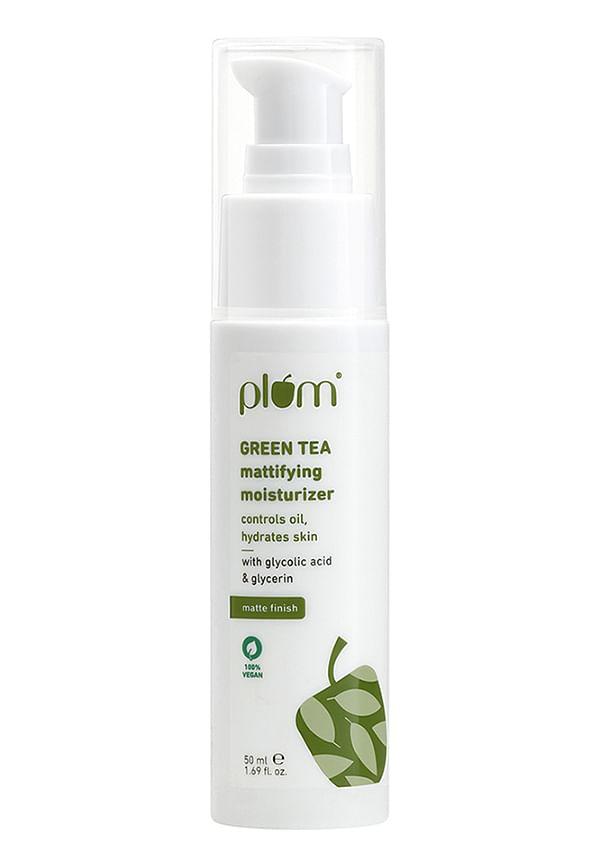
Green Tea Mattifying Moisturizer
Excellent Moisturizer
5“Best in the section very good moisturizer ”
Best, Smooth Moisturizer
5“one of the best moisturizer, so smooth 😀”
Effective for skin, no side effects
4“it's very effective for skin and no side effects of it”
Let's address the elephant in the room—over-cleansing. Using harsh cleansers twice daily strips your skin's natural oils, making dryness worse. Switch to a gentle, hydrating cleanser and consider cleansing only once daily if your skin is particularly sensitive.
Hot showers feel amazing but are terrible for dry skin. The heat breaks down your skin barrier faster than you can rebuild it. Lukewarm water is your friend, and always moisturise immediately after showering while your skin is still damp.
Applying products in the wrong order can render even the best moisturiser for dry skin useless. Always go from thinnest to thickest consistency, and never apply oil before water-based products—it creates a barrier that prevents absorption.
Skipping sunscreen in winter because "it's not sunny" is a massive mistake. UV rays penetrate clouds and reflect off buildings, causing ongoing skin damage that worsens dryness. Make SPF a year-round habit.
Some ingredient combinations work better together than alone. Hyaluronic acid plus vitamin C creates a powerhouse duo for hydration and protection. Niacinamide pairs beautifully with ceramides to strengthen your skin barrier while reducing inflammation.
Avoid mixing retinoids with AHAs or BHAs in the same routine—this can increase irritation and dryness. Instead, alternate nights or use acids in the morning and retinoids at night.
Peptides signal your skin to produce more collagen and improve barrier function. Look for products containing copper peptides or palmitoyl pentapeptide-4 for long-term hydration improvements.
Your dry skin remedies shouldn't stop at topical products. Drinking enough water is obvious but crucial—aim for at least 8 glasses daily, more if you're in air conditioning all day.
Diet plays a bigger role than most people realise. Omega-3 fatty acids from fish, walnuts, and flaxseeds support skin barrier function from the inside out. Antioxidant-rich foods like berries and leafy greens help combat environmental damage.
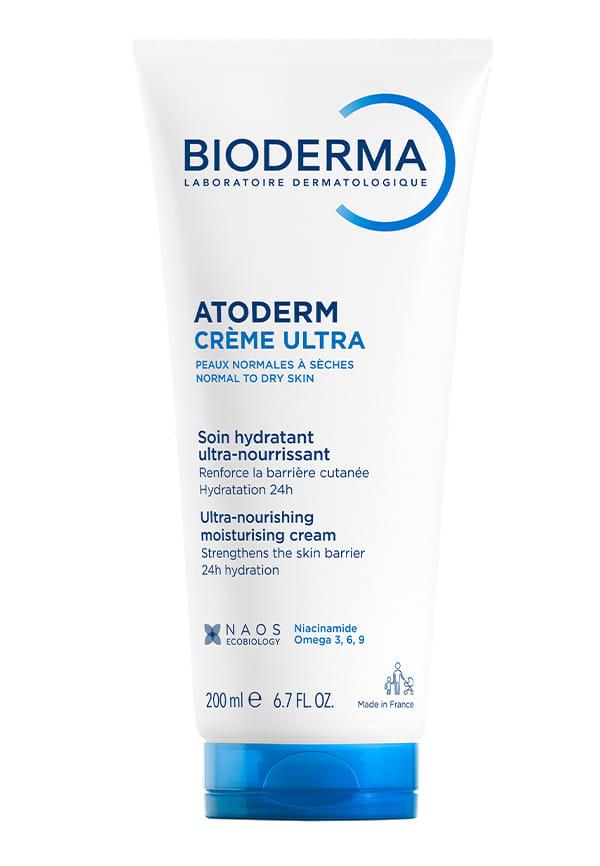
Atoderm Creme Ultra-Nourishing Moisturizer
Good Performance, No Smell
5“the product is overall good in performance but there is no smell.”
Best Long-Lasting Moisture
5“It is the best moisture and hydrate better for long time.”
Best Long-Lasting Moisture
5“It is the best moisture and hydrate better for long time.”
Poor sleep and high stress levels increase cortisol, which breaks down collagen and impairs skin barrier function. Prioritise 7-8 hours of quality sleep and find stress management techniques that work for you.
This is where platforms like Smytten become incredibly valuable for urban women dealing with dry skin challenges. With over 1,500 trusted brands including Cetaphil, Dot & Key, and Love, Beauty & Planet, you can discover the perfect products for your specific climate needs without the commitment of full-size purchases. Getting up to 8 minis for just ₹249 means you can test multiple dry-weather skincare routine for women in interior cities products until you find your perfect match.
Most people notice initial improvements within 1-2 weeks, but significant changes in skin texture and hydration levels typically take 4-6 weeks. Your skin barrier needs time to repair and strengthen, so patience is key with any new hydrating skincare routine.
While rare, over-moisturising can happen if you're using too many heavy products that clog pores. Signs include small bumps, increased sensitivity, or a greasy feeling that doesn't absorb. The key is finding the right balance for your skin's current needs.
Dry skin lacks oil (sebum) and is a skin type, while dehydrated skin lacks water and is a skin condition. You can have oily but dehydrated skin, especially in urban environments. Dehydrated skin solutions focus on water-based hydration, while dry skin needs both water and oil-based products.
Not necessarily. Start by adding one or two more hydrating products to your existing routine—perhaps a hydrating toner or a richer moisturiser. Give your skin 2-4 weeks to adjust before making major changes.
Price doesn't always equal effectiveness. Some drugstore brands offer excellent hydrating ingredients at affordable prices. Focus on the ingredient list rather than the price tag. Look for ceramides, hyaluronic acid, and glycerin regardless of brand.
Signs include persistent tightness, flaking, increased sensitivity to products that previously worked fine, redness, and a feeling that nothing seems to help. A damaged barrier needs gentle, barrier-repairing ingredients like ceramides and niacinamide.
Mastering your dry-weather skincare routine for women in interior cities isn't about using the most expensive products—it's about understanding your skin's specific needs and responding accordingly. The key lies in consistent layering, choosing the right ingredients, and adapting your routine to seasonal changes.
Remember, what works for your friend in Mumbai might not work for you in Delhi. Your skin's needs are unique, and finding the right combination of products often requires some trial and error. This is where Smytten's approach of offering curated trial packs becomes invaluable—you can explore different brands and formulations without the financial commitment of full-size products.
With over 25 million users and 100 million trial minis delivered across 27,000+ pincodes, Smytten understands that settling for "maybe" isn't an option when it comes to your skin. Whether you're dealing with the dry winds of Rajasthan or the pollution of NCR, the right city skincare routine is out there waiting to be discovered. After all, why settle for skin that just survives urban climates when you can #TryItAll and find products that help it truly thrive?
