7 Pro Tips for Choosing Right Face Cleanser


Let's be real—choosing the right face cleanser feels like solving a puzzle with a million pieces. You're standing in the skincare aisle (or scrolling endlessly online), staring at bottles that promise everything from 'deep pore cleansing' to 'gentle hydration,' and honestly? It's overwhelming. But here's the thing: your cleanser is the foundation of your entire skincare routine. Get this step wrong, and even the fanciest serums won't save you. The good news? Once you know what to look for, finding your perfect match becomes so much easier. Whether you're dealing with oily skin that feels like an oil slick by noon or sensitive skin that reacts to everything, these seven pro tips will help you navigate the world of facial cleansers like the skincare guru you're meant to be.
Before you even think about ingredients or formulas, you need to get cosy with your skin type. Think of it as getting to know your skin's personality—because trust me, it definitely has one. This isn't just skincare 101; it's the difference between a cleanser that works with your skin and one that fights against it.
The blotting paper test is your best friend here. Wash your face with a gentle cleanser, pat dry, and wait about an hour. Then press blotting papers on different areas of your face. Lots of oil on the paper? You've got oily skin. Little to no oil? Dry skin it is. Oil only in your T-zone? Welcome to the combination skin club.
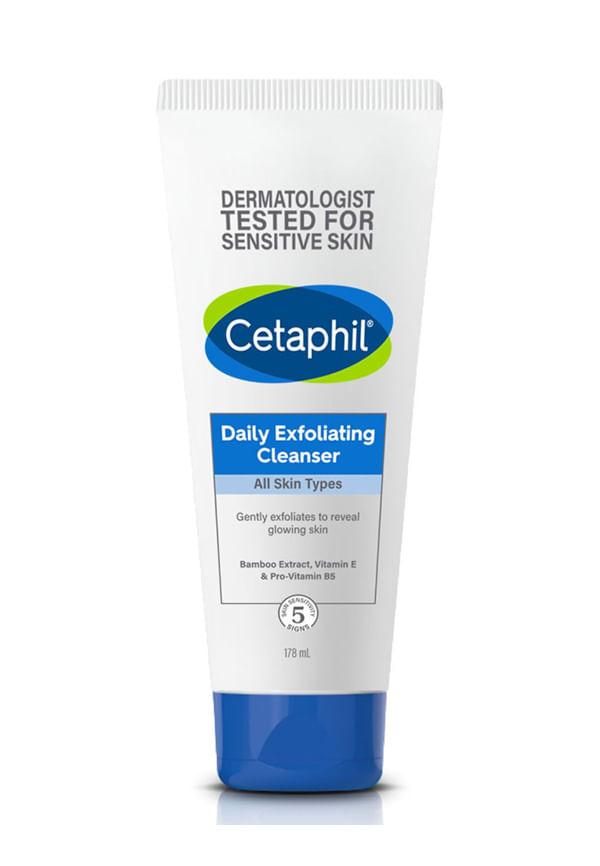
Daily Exfoliating Cleanser
Your skin type determines how much oil your skin produces, how sensitive it is, and what kind of care it craves. Using the wrong cleanser for your skin type is like wearing the wrong shoe size—technically possible, but definitely not comfortable. A cleanser for oily skin on dry skin will leave you feeling tight and flaky, whilst a rich cream cleanser on oily skin might leave you looking like you've been dunked in oil.
Combination skin is tricky because your T-zone (forehead, nose, chin) acts like oily skin whilst your cheeks behave more like dry skin. The key is finding a gentle face cleanser that balances both needs without over-drying or over-moisturising either area. Some people swear by using different cleansers on different parts of their face, but honestly, a good balanced formula usually does the trick.
Now that you know your skin type, let's talk formulas. The cleanser world is packed with options, and each type has its own superpower. Understanding these different facial cleanser types will help you make smarter choices and avoid that trial-and-error game that can wreak havoc on your skin.
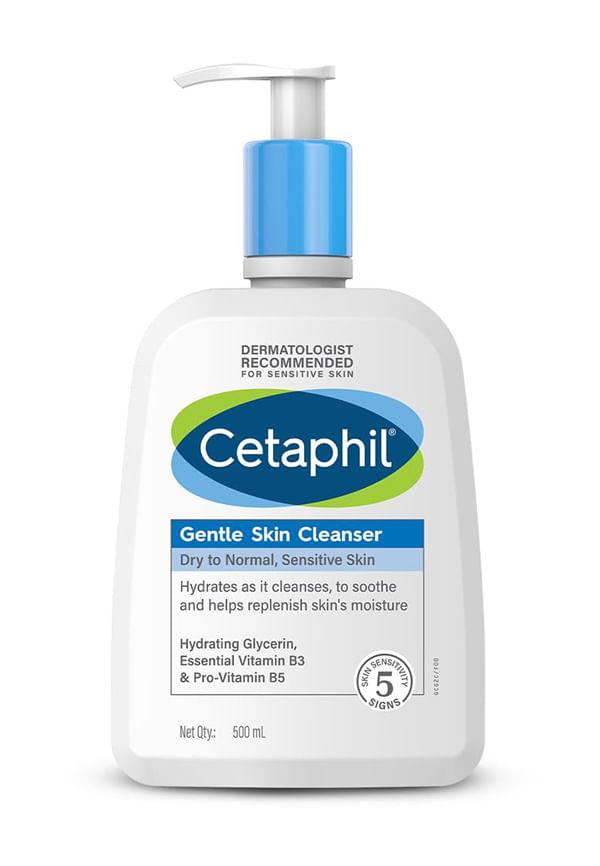
Gentle Skin Cleanser
Gel cleansers are the MVPs for oily skin. They're typically water-based and designed to cut through excess oil without being too harsh. Look for foaming gels if you love that squeaky-clean feeling, or non-foaming versions if your skin is on the sensitive side. The best face cleanser for oily skin often contains ingredients like salicylic acid or tea tree oil.
These are the gentle giants of the cleanser world. Cream cleansers are rich, nourishing, and perfect for dry or mature skin that needs extra TLC. They cleanse without stripping your skin's natural oils, leaving you feeling soft rather than tight. Think of them as a hug for your face.
Don't let the word 'oil' scare you—these work brilliantly for all skin types, even oily skin. Oil cleansers are fantastic at removing makeup and sunscreen, and they're often part of the double cleansing method that's become super popular. Many natural face cleanser options fall into this category, using plant-based oils that are surprisingly gentle.
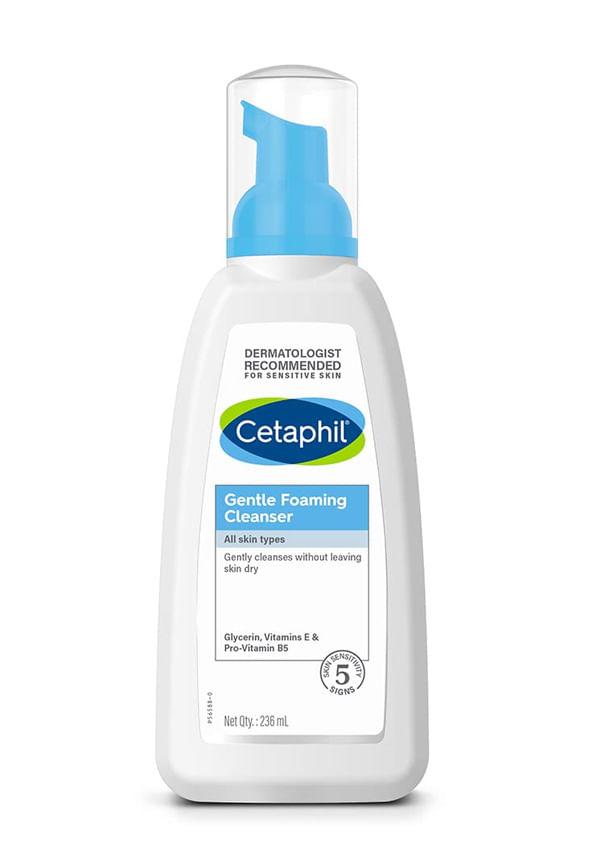
Gentle Foaming Cleanser For All Skin
Micellar water is perfect for lazy days or travel, whilst foam cleansers offer that satisfying lather experience. Both can be great options for your daily face wash routine, especially if you're always on the go or prefer a quick cleansing experience.
Ingredients are where the magic happens. This is where you separate the good cleansers from the great ones. Knowing which ingredients work for your skin type and which ones to avoid can save you from a lot of skin drama.
For oily skin, salicylic acid is your best mate—it gets deep into pores and helps prevent breakouts. Dry skin loves hyaluronic acid and glycerin, which help maintain moisture levels. If you have sensitive skin, look for ceramides and niacinamide, which help strengthen your skin barrier. A good face wash for sensitive skin should be fragrance-free and contain soothing ingredients like chamomile or aloe vera.
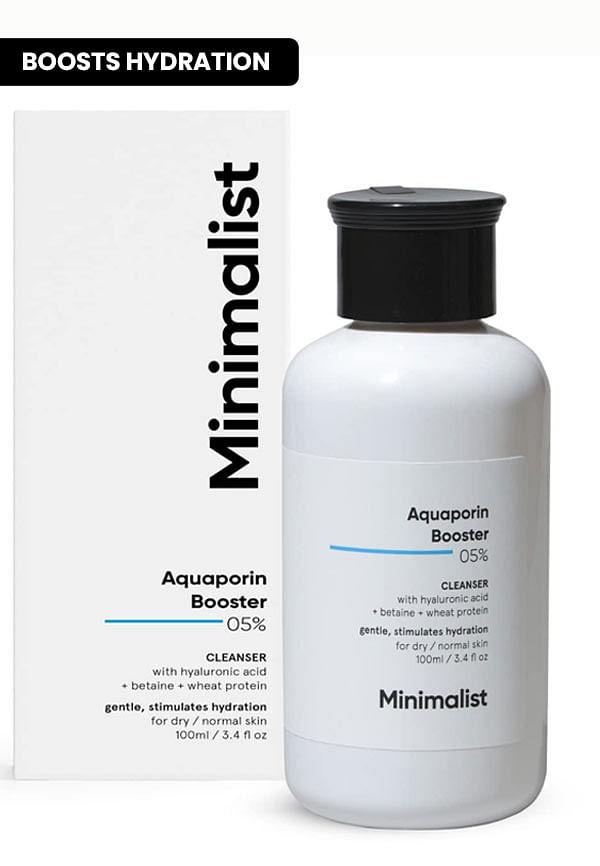
5% Aquaporin Booster Cleanser For Dry Skin With Hyaluronic Acid
Sulfates (like sodium lauryl sulfate) might give you that satisfying foam, but they can be too harsh for daily use, especially if you have sensitive or dry skin. Alcohol-based formulations can be incredibly drying, and artificial fragrances are common culprits behind skin irritation. When learning how to choose face cleanser, these are the ingredients you'll want to avoid.
Here's the truth: natural doesn't automatically mean better, and synthetic doesn't mean harmful. Some of the gentlest, most effective cleansers contain a mix of both. Focus on how ingredients work rather than where they come from. A well-formulated skin care cleanser with synthetic ingredients can be much gentler than a 'natural' one with irritating essential oils.
Sensitive skin requires extra care and attention. If your skin tends to react to new products, gets red easily, or feels irritated after cleansing, you're probably dealing with sensitive skin. The good news is that with the right approach, you can find a gentle face cleanser that works beautifully.
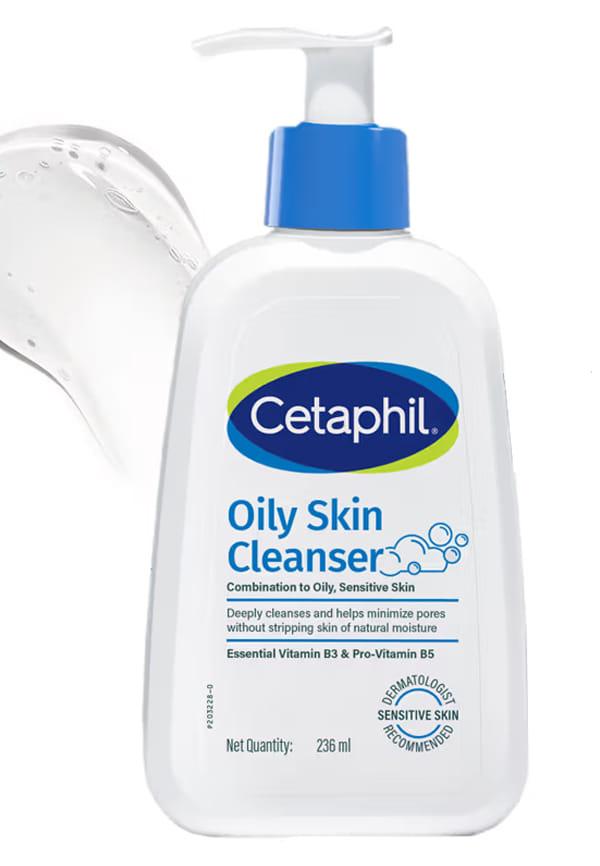
Oily Skin Cleanser
Common triggers include fragrances, essential oils, harsh surfactants, and even some natural ingredients like lemon or peppermint. Keep a skincare diary to track what works and what doesn't. Patch testing new products on a small area of skin before using them on your entire face can save you from major reactions.
Look for pH-balanced formulations (around 5.5), fragrance-free options, and products specifically labelled as hypoallergenic. The best cleansers for sensitive skin often contain minimal ingredients and focus on gentle cleansing without unnecessary additives. Cream-based or lotion cleansers are usually gentler than foaming ones.
If you're struggling with persistent sensitivity, a dermatologist can help identify specific triggers and recommend medical-grade options. Sometimes what we think is sensitive skin is actually a damaged skin barrier that needs specific care to heal properly.
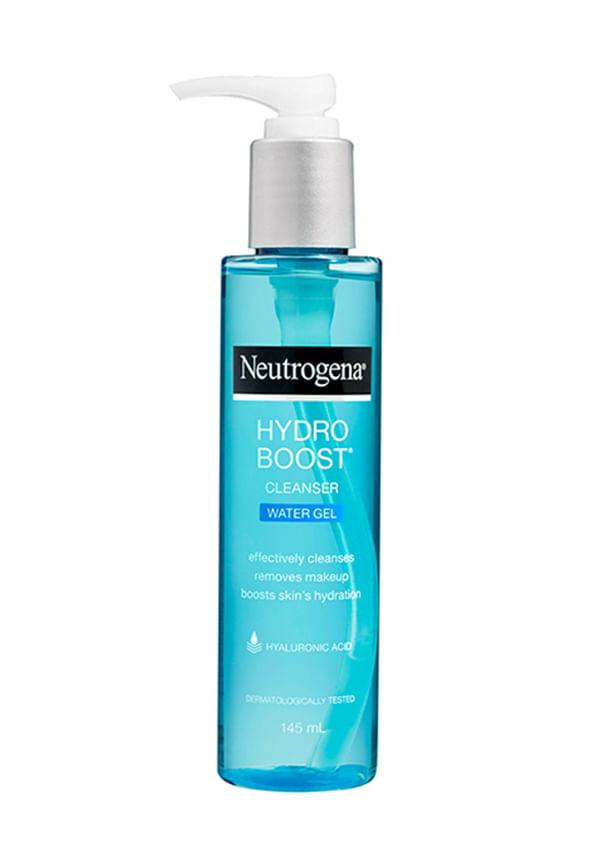
Hydro Boost Cleanser Water Gel With Hyaluronic Acid
Having the right cleanser is only half the battle—how you use it matters just as much. Your face cleansing routine should work with your lifestyle and skin needs, not against them.
Your skin has different needs in the morning versus evening. In the morning, you're mainly removing overnight oil production and preparing your skin for the day ahead. A gentle daily face wash usually does the trick. Evening cleansing is about removing makeup, sunscreen, pollution, and the day's buildup—this might require a more thorough approach or double cleansing.
Use lukewarm water (hot water strips your skin), massage gently for about 30 seconds, and pat dry with a clean towel. Most people do well with cleansing twice daily, but if you have very dry or sensitive skin, once daily might be enough. Over-cleansing can actually make oily skin produce more oil as it tries to compensate.
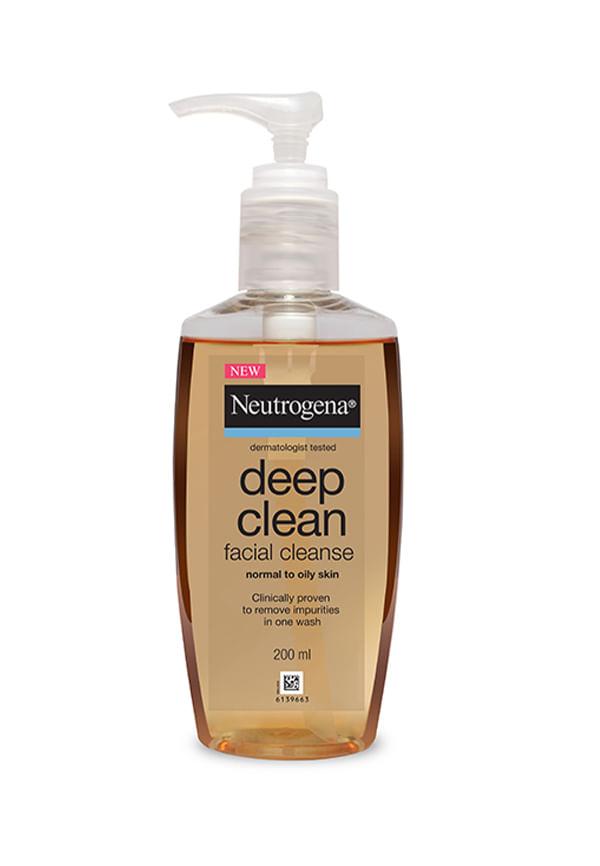
Deep Clean Facial Cleanser
Your cleanser sets the stage for everything else in your routine. If you're using active ingredients like retinol or acids, you might need a gentler cleanser to avoid over-irritation. The key is balance—your entire routine should work together harmoniously.
Even with the best intentions, it's easy to make mistakes that can sabotage your skin. Let's talk about the most common ones so you can avoid them.
More isn't always better when it comes to cleansing. Over-cleansing strips your skin's natural protective barrier, leading to dryness, irritation, and even more oil production. Signs of a compromised skin barrier include persistent dryness, increased sensitivity, and that tight feeling after cleansing.
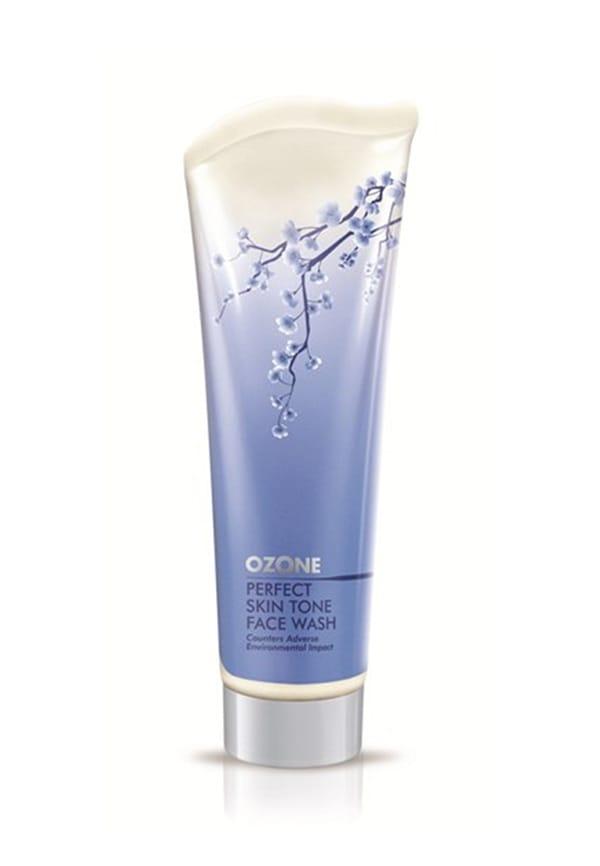
Perfect Skin Tone Face Wash
Your skin changes with seasons, hormones, age, and lifestyle factors. The cleanser that worked perfectly in your twenties might not cut it in your thirties. Similarly, your summer skincare routine might need adjusting for winter weather. Stay flexible and adjust your products as needed.
Cleansers do expire, and using old products can lead to irritation or reduced effectiveness. Store your cleansers in a cool, dry place away from direct sunlight. If the texture, smell, or colour changes, it's time to toss it.
Finding your perfect cleanser often involves some experimentation. Here's how to do it smartly without wreaking havoc on your skin. This is where platforms like Smytten become incredibly valuable—you can try mini versions of different cleansers before committing to full-size products.
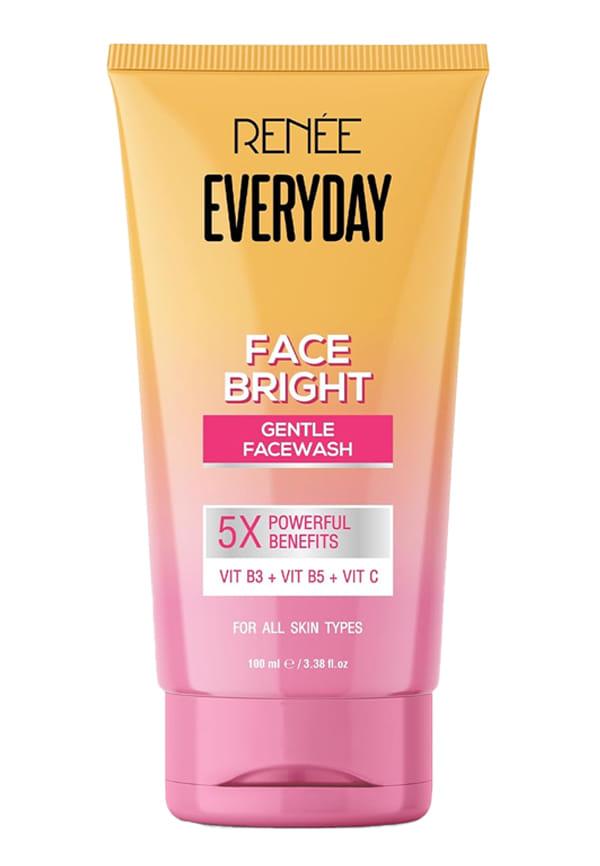
Everyday Face Bright Gentle Facewash
Your skin needs time to adjust to new products. Give a new cleanser at least 2-4 weeks before deciding if it's working for you. Initial reactions don't always indicate long-term results, and sometimes your skin needs time to rebalance.
If you're dealing with persistent acne, severe sensitivity, or skin conditions like rosacea or eczema, professional guidance can be invaluable. A dermatologist can recommend specific products and help you understand your skin's unique needs.
Expensive doesn't always mean better. Some of the most effective cleansers are surprisingly affordable, whilst some luxury options might not deliver results that justify their price tag. Focus on ingredients and formulation rather than price point or fancy packaging.
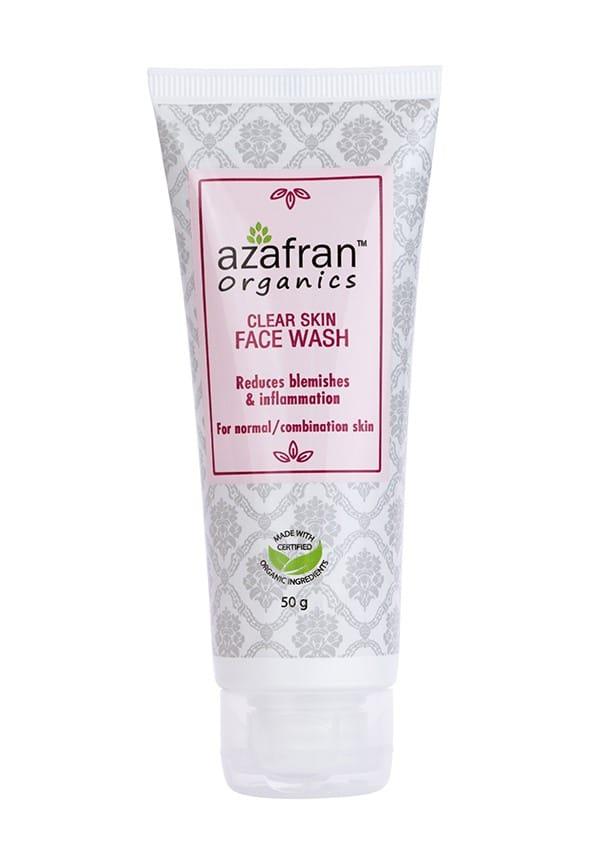
Clear Skin Face Wash
Start by identifying your skin type through simple tests like the blotting paper method. Then match cleanser formulations to your specific needs—gel cleansers for oily skin, cream cleansers for dry skin, and gentle, pH-balanced options for sensitive skin. Consider trying mini versions before investing in full-size products.
Consider your skin type, specific concerns (acne, sensitivity, dryness), lifestyle factors, and ingredient preferences. Test products gradually and monitor your skin's response over 2-4 weeks. Pay attention to how your skin feels immediately after cleansing and throughout the day.
Choose gentle, pH-balanced formulations that can address both oily T-zone areas and drier cheek regions without over-drying or leaving residue. Look for ingredients like niacinamide that help balance oil production, and avoid harsh sulfates that might over-dry some areas.
Your skin's needs may change with seasons, hormones, and age. Consider having 2-3 cleanser options to rotate based on current skin conditions. You might need a gentler formula in winter and something more clarifying in humid summer months.
Evaluate your cleanser's effectiveness every 3-6 months or when you notice changes in your skin's behaviour, seasonal shifts, or life circumstances. If your cleanser stops working as well or your skin type changes, it might be time to switch things up.
Choosing the right face cleanser doesn't have to feel like rocket science. Once you understand your skin type, know what ingredients to look for, and avoid common mistakes, finding your perfect match becomes much more straightforward. Remember, the best face cleanser for you is the one that leaves your skin feeling clean, comfortable, and ready for the rest of your skincare routine. The beauty of skincare is that it's a journey, not a destination. Your skin will change over time, and so will your cleanser needs. Stay curious, be patient with the process, and don't be afraid to experiment. With platforms like Smytten, you can explore trial-sized versions of different cleansers from trusted brands, making it easier and more affordable to find what works for you. After all, why settle for a cleanser that's just 'okay' when you can find one that's absolutely perfect for your skin?
