7 Pro Tips for Choosing Best Face Wash Today


Let's be real—walking down the skincare aisle can feel like navigating a maze blindfolded. With hundreds of face cleansers promising everything from glass skin to acne-free days, choosing the best face wash becomes a proper challenge. Your skin deserves better than a random pick, and honestly, so does your wallet. The right face cleanser can transform your entire skincare routine, whilst the wrong one might leave you dealing with breakouts, dryness, or irritation. Whether you're team natural face wash or hunting for something that tackles stubborn acne, these seven pro tips will help you find your perfect match without the guesswork.
Before diving into ingredient lists or brand recommendations, you need to know what you're working with. Your skin type is basically your skincare GPS—it guides every product choice you make. Getting this wrong is like wearing the wrong shoe size; technically possible, but definitely not comfortable. Think of your skin as having its own personality. Some days it might feel oily by lunchtime, other days it's tight and flaky. Understanding these patterns helps you choose a face cleanser that works with your skin, not against it.
Oily skin loves to make its presence known. If your T-zone could power a small lamp by midday, you're probably dealing with excess sebum production. Look for a face wash for oily skin that contains salicylic acid or niacinamide—these ingredients help control oil without stripping your skin completely.
Dry skin often feels tight after cleansing and might show flaky patches. Your daily face wash should focus on gentle cleansing whilst maintaining your skin's natural moisture barrier. Cream-based cleansers or those with ceramides work brilliantly here.
Combination skin is like having two different skin types on one face. Your T-zone might be oily whilst your cheeks stay dry. A gentle face wash that balances both needs—think gel cleansers with hydrating ingredients—usually does the trick.
Sensitive skin reacts to everything, from weather changes to new products. A face wash for sensitive skin should be fragrance-free and contain minimal ingredients. Look for soothing components like chamomile or aloe vera.
Ingredients are where the magic happens, but they can also be where things go wrong. Reading labels might feel like deciphering ancient texts, but once you know what to look for, it becomes second nature. The best facial wash doesn't need a novel-length ingredient list. Sometimes, simpler formulations work better, especially for sensitive skin types. Focus on understanding the key players rather than memorising every component.
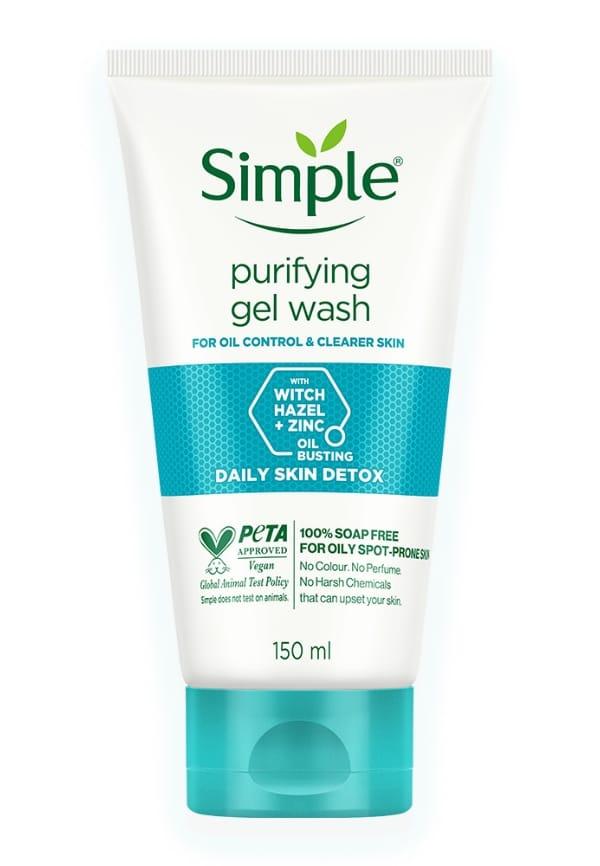
Daily Skin Detox Purifying Facial Wash
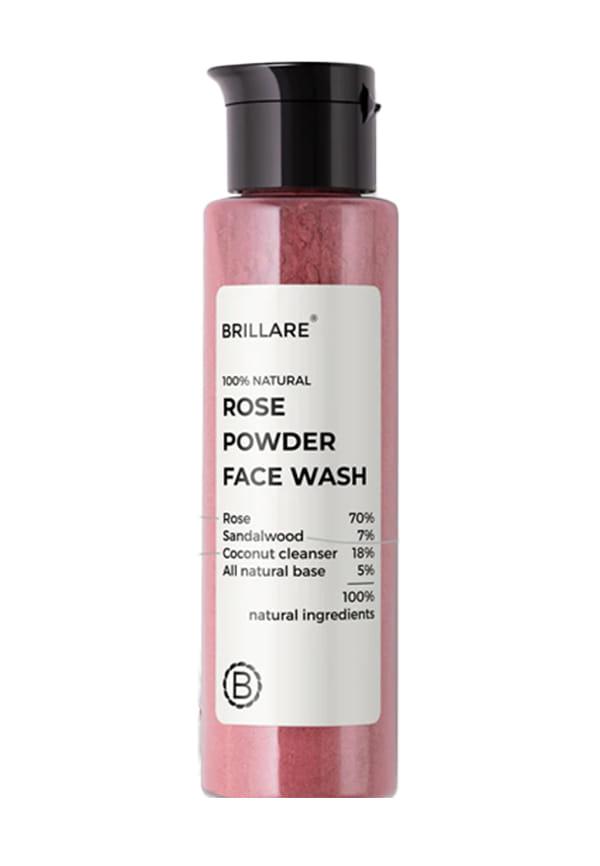
Rose Powder Face Wash For youthful Skin
Your skin's natural pH sits around 5.5, slightly acidic. A good face cleanser should respect this balance. Products that are too alkaline can disrupt your skin barrier, leading to irritation and dryness.
Hyaluronic acid pulls moisture from the air into your skin, whilst ceramides help lock it in. These ingredients transform a basic cleanser into a hydrating face wash that leaves your skin feeling comfortable, not tight.
Natural doesn't always mean better, and synthetic doesn't mean harmful. Some natural ingredients can be irritating, whilst certain synthetic ones are incredibly gentle. Focus on what works for your skin rather than the origin story.
Sensitive skin should steer clear of fragrances and essential oils. Oily skin might react poorly to heavy oils, whilst dry skin should avoid alcohol-based formulas. Know your skin's enemies as well as its friends.
Now that you know your skin type and understand ingredients, it's time to match them up. This is where choosing the best face wash becomes personal—what works for your best mate might be a disaster for you. Every skin concern needs a slightly different approach. Acne-prone skin benefits from different ingredients than mature skin, and what soothes sensitivity might not tackle excess oil effectively.
Acne face wash should contain salicylic acid or benzoyl peroxide to unclog pores and reduce bacteria. Gel or foam cleansers work well here, but avoid over-cleansing—twice daily is plenty. Look for non-comedogenic formulas that won't clog pores further.
Dry skin needs a hydrating face wash that cleanses without stripping. Cream cleansers, cleansing oils, or milk cleansers work beautifully. Ingredients like glycerin, hyaluronic acid, and ceramides help maintain moisture levels throughout the cleansing process.
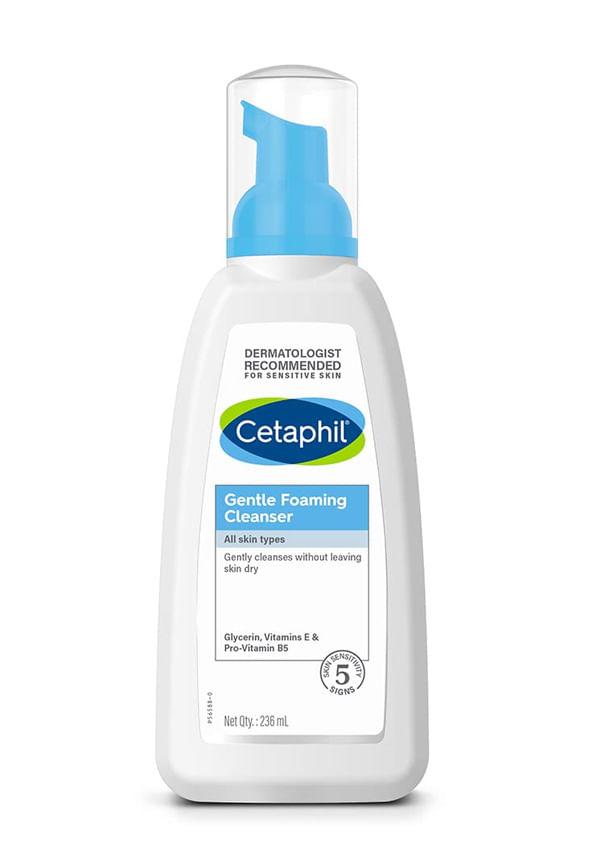
Gentle Foaming Cleanser For All Skin
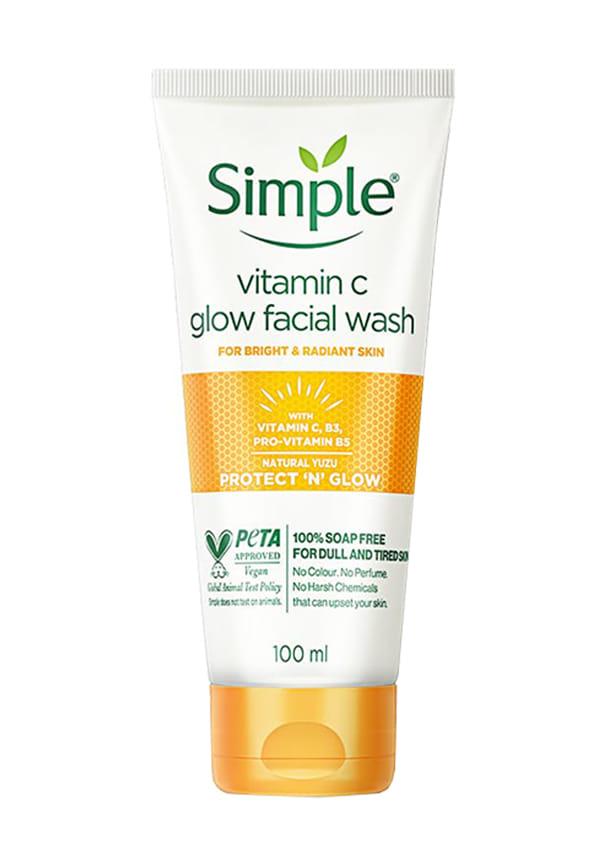
Protect N Glow Vitamin C Glow Facial Wash
Sensitive skin requires the gentlest touch. Look for fragrance-free, hypoallergenic formulas with minimal ingredients. Micellar water or ultra-gentle cream cleansers often work best. Patch test everything before committing to full-face use.
Combination skin benefits from a balanced approach. A gentle gel cleanser that's not too drying usually works well. You might need different products for morning and evening, or consider using different cleansers on different areas of your face.
The clean beauty movement has transformed how we think about skincare. Natural face wash options have exploded in popularity, but navigating this space requires some know-how. Organic face wash products often contain plant-based ingredients that can be incredibly effective. However, natural doesn't automatically mean suitable for everyone—some people react to natural ingredients just as they would to synthetic ones.
Plant extracts like green tea, chamomile, and aloe vera offer anti-inflammatory properties. Fruit acids from citrus or berries can provide gentle exfoliation. These ingredients often work synergistically, creating effective yet gentle formulations.
Certified organic products meet strict standards, whilst 'natural' claims can be more flexible. Look for recognised certification bodies and read ingredient lists carefully. A product can be 95% natural and still contain effective synthetic preservatives.
Homemade cleansers using honey, oatmeal, or yoghurt can work for some people. However, they lack preservatives and proper pH balancing. If you go DIY, make small batches and use them quickly to avoid bacterial growth.
Switching to natural products takes time. Your skin might need a few weeks to adjust, especially if you're coming from products with strong active ingredients. Introduce new products gradually and monitor your skin's response.
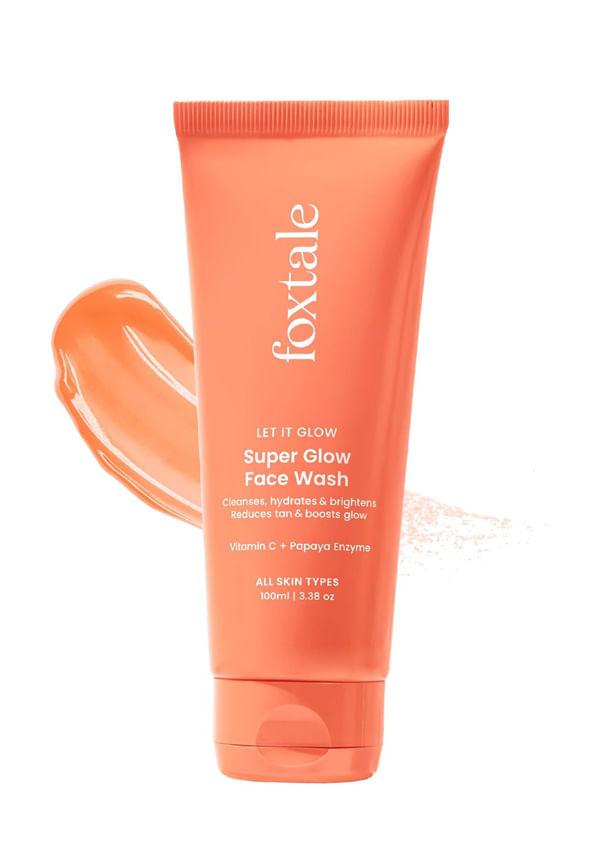
Vitamin C Super Glow Face Wash with Papaya enzyme
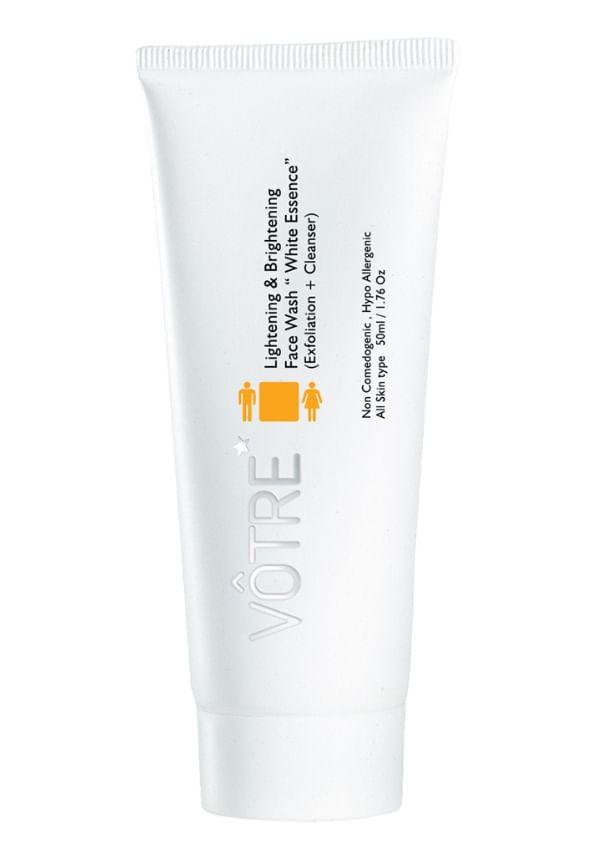
Lightening & Brightening Face Wash “White Essence”
Dermatologists see the results of good and bad product choices daily. Their recommendations for the best facial wash often focus on gentle, effective formulations that support skin health rather than promising dramatic overnight changes. Professional guidance becomes crucial when you're dealing with specific skin conditions or using prescription treatments. Your face cleanser needs to work harmoniously with any medical skincare products you're using.
Look for products that have undergone clinical testing and safety assessments. Dermatologist-tested labels indicate the product has been evaluated by skin professionals, though this doesn't guarantee it'll work for everyone.
Many dermatologists recommend gentle face wash formulas from established brands with good safety records. They often favour products with minimal ingredients and proven track records over trendy newcomers with bold claims.
If you're experiencing persistent skin issues, reactions to multiple products, or have specific skin conditions, professional advice is invaluable. A dermatologist can recommend products that work with your skin's unique needs and any treatments you're using.
If you're using prescription retinoids, acne medications, or other medical skincare products, your daily face wash needs to be extra gentle. Avoid products with strong actives that might interact with your prescribed treatments.
Having the perfect face cleanser is only half the battle—how you use it matters just as much. Proper cleansing technique can make an average product work brilliantly, whilst poor technique can sabotage even the best formulations. Your cleansing routine sets the stage for everything that follows. Get this step right, and your serums, moisturisers, and treatments will work more effectively.
Start with lukewarm water to open pores gently. Apply your face cleanser with clean hands, massaging in circular motions for 30-60 seconds. Focus on areas where makeup and sunscreen accumulate, but don't scrub aggressively.
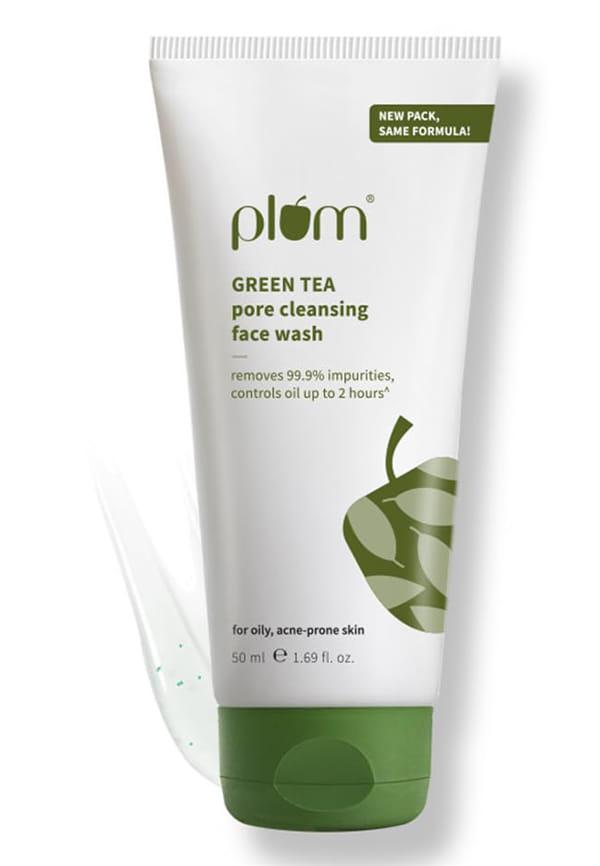
Green Tea Pore Cleansing Face Wash For Oily Skin
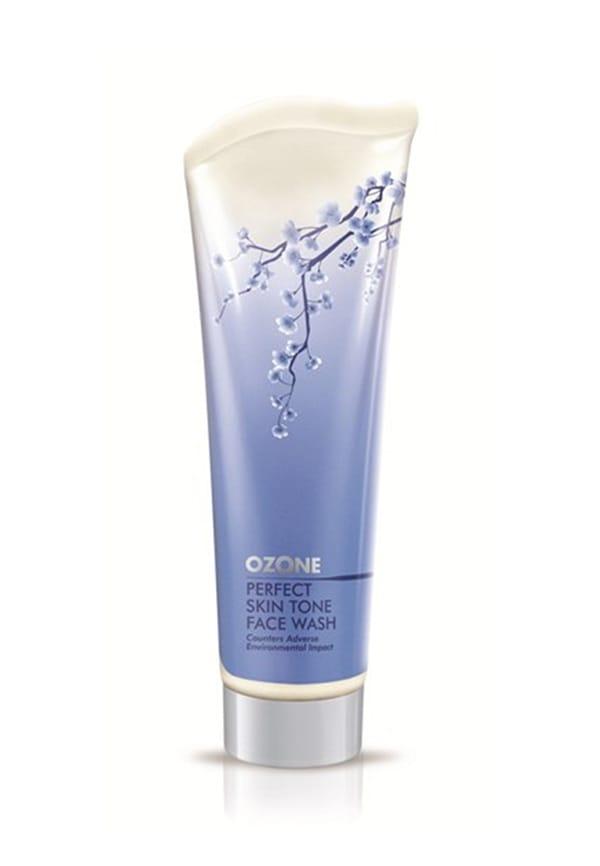
Perfect Skin Tone Face Wash
Most skin types benefit from twice-daily cleansing, but this can vary. Dry or sensitive skin might prefer once daily with water rinses, whilst oily skin might handle twice daily better. Listen to your skin and adjust accordingly.
Hot water strips natural oils and can cause irritation, whilst cold water might not remove products effectively. Lukewarm water hits the sweet spot—effective cleansing without compromising your skin barrier.
What you do after cleansing is crucial. Pat your skin dry gently, apply toner if you use one, and follow with moisturiser whilst your skin is still slightly damp to lock in hydration.
Start by identifying your skin type and primary concerns. Look for products formulated for your specific needs, check ingredient lists for potential irritants, and consider trying sample sizes before committing to full-size products. Smytten's trial packs let you test different face cleansers risk-free, helping you discover what works without the commitment.
These terms are often used interchangeably, but face wash typically refers to foaming or gel formulations that rinse off with water, whilst face cleanser is a broader category that includes creams, oils, and micellar waters. Both serve the same purpose of removing dirt, oil, and makeup.
Your skin's needs can change with seasons, age, hormones, and lifestyle factors. Review your routine every few months and adjust if you notice changes in your skin's behaviour. However, avoid switching products too frequently—give new products at least 4-6 weeks to show results.
Many people can stick with one gentle face wash throughout the year, but others might need seasonal adjustments. Winter might call for a more hydrating face wash, whilst summer could require something that controls oil better. Pay attention to how your skin responds to environmental changes.
When using prescription acne treatments, choose a gentle face wash for sensitive skin without additional active ingredients. Avoid products with salicylic acid, benzoyl peroxide, or strong fragrances that might interact with your medication. Always consult your dermatologist about product compatibility.
Choosing the best face wash doesn't have to feel like rocket science. Once you understand your skin type, know what ingredients to look for, and establish a proper routine, finding your perfect match becomes much simpler. Remember, the most expensive product isn't always the best—sometimes a gentle, well-formulated cleanser does exactly what your skin needs. The beauty of modern skincare is having options. Whether you prefer a natural face wash with plant-based ingredients or a scientifically formulated gentle face wash, there's something out there for everyone. The key is being patient with the process and listening to what your skin tells you. With platforms like Smytten, you can explore different face cleansers through trial packs from over 1,500 trusted brands without the commitment of full-size purchases. This approach lets you test various formulations, from hydrating face wash options to acne-fighting formulas, helping you make informed decisions about what works best for your unique skin needs. After all, why settle for maybe when you can try it all and find your perfect daily face wash routine?
