7 Powerful Home Remedies for Pigmentation


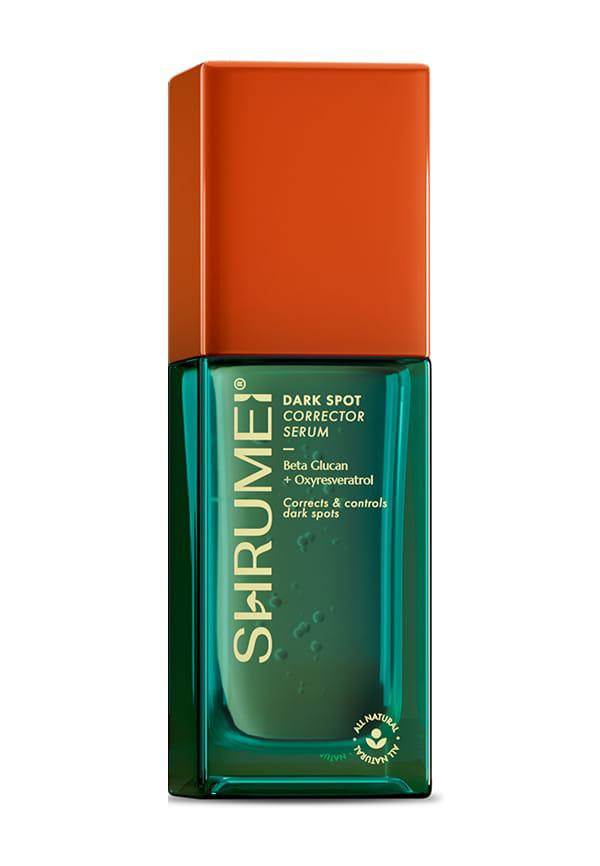
All Natural Dark Spot and Pigmentation Correcting serum
Effective and Fast Results
 5
5“Very effective and fast results”
Dealing with dark spots and uneven skin tone can feel like a never-ending battle. Whether it's from sun damage, acne scars, or hormonal changes, pigmentation issues affect most of us at some point. The good news? Your kitchen might hold some surprisingly effective solutions. Home remedies for pigmentation have been trusted for generations, and modern research backs many of these natural approaches. While they won't work overnight like professional treatments, these gentle methods can gradually improve your skin's appearance without harsh chemicals or hefty price tags. Let's explore seven powerful natural solutions that could become your new skincare allies.
Before diving into specific remedies, it's worth understanding what causes those stubborn dark spots. Your skin produces melanin as protection against UV damage, but sometimes this process goes into overdrive. Hormonal changes, inflammation, and sun exposure can trigger hyperpigmentation treatment needs. Natural skin brightening ingredients work differently than synthetic alternatives. They typically contain gentle acids, antioxidants, or enzymes that help speed up cell turnover and inhibit excess melanin production. The key difference? They're much gentler on your skin barrier, though this also means results take longer to appear. Most natural remedies need consistent use for 6-12 weeks before you'll notice significant changes. This isn't a quick fix, but rather a sustainable approach to healthier skin. Always patch test new ingredients on a small area first – natural doesn't automatically mean irritation-free for everyone.
These time-tested solutions use ingredients you probably already have at home. Each works through different mechanisms, so you might find some more effective for your specific skin concerns.
Fresh aloe vera contains aloin, a compound that naturally inhibits melanin production. It's particularly effective for post-inflammatory pigmentation from acne or minor injuries. Extract gel directly from the plant for maximum potency. Apply a thin layer to clean skin and leave for 20-30 minutes before rinsing. Use twice daily for best results. The cooling effect also helps reduce inflammation that can worsen pigmentation.
This golden combination is a favourite in traditional skincare for good reason. Turmeric contains curcumin, which helps regulate melanin production, while honey provides gentle exfoliation and moisture. Mix half a teaspoon of turmeric powder with two tablespoons of raw honey. Apply the mixture to affected areas and leave for 15-20 minutes. Use this DIY skin lightening treatment 2-3 times weekly. Be careful with clothing – turmeric can stain temporarily.
Potatoes contain vitamin C and mild acids that work as gentle dark spot correctors. Grate a fresh potato and squeeze out the juice, or simply rub a potato slice directly on dark spots. Leave the juice on for 15-20 minutes before washing off. This method works particularly well for age spots and sun damage. The starch also provides mild exfoliation without irritation.
Ripe papaya contains papain, an enzyme that gently dissolves dead skin cells and promotes cell renewal. This natural exfoliation helps fade surface pigmentation over time. Mash a few pieces of ripe papaya into a smooth paste. Apply to clean skin and leave for 10-15 minutes. The enzymes work quickly, so don't leave it on too long. Use this pigmentation reduction method twice weekly for gradual improvement.
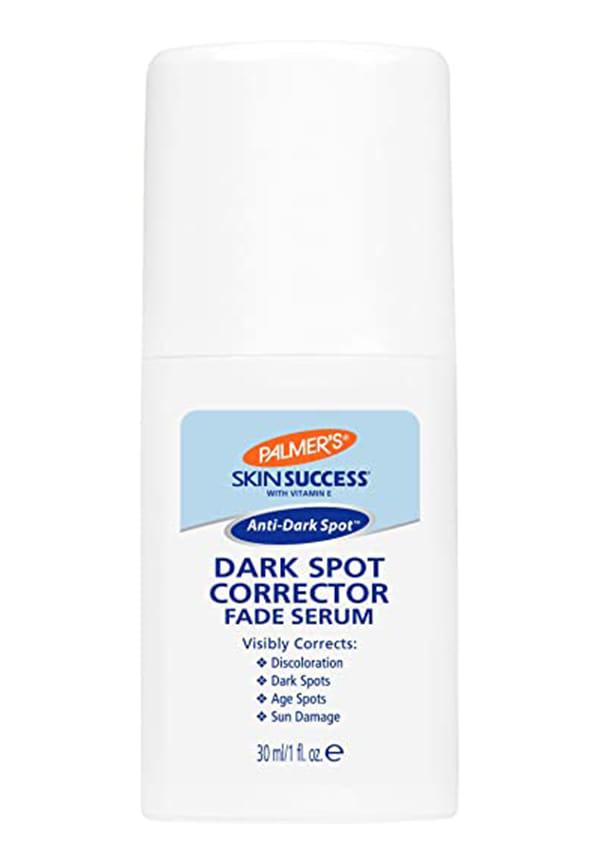
Skin Success Dark Spot Corrector Fade Serum
Green tea's polyphenols help protect against further UV damage while supporting skin repair. Brew strong green tea, let it cool completely, then apply with a cotton pad as a toner. Use this daily after cleansing. You can also freeze the tea in ice cube trays and use the cubes for a refreshing treatment. The antioxidants help prevent new pigmentation while supporting your skin's natural healing process.
This combination provides physical exfoliation without harsh abrasion. Oatmeal contains saponins that gently cleanse, while honey adds moisture and mild acids. Grind oats into a fine powder and mix with honey to form a paste. Massage gently onto damp skin in circular motions, then leave for 5 minutes before rinsing. Use weekly as part of your uneven skin tone solutions routine. This method is safe for sensitive skin.
Dairy products contain natural lactic acid, which provides gentle chemical exfoliation. This helps remove pigmented surface cells and encourages fresh skin growth. Soak a cotton pad in cold milk or buttermilk and apply to affected areas. Leave for 10-15 minutes before rinsing. The proteins in milk also provide nourishment. This gentle approach works well for those who find other treatments too harsh.
For more persistent pigmentation, these slightly stronger natural options might help. However, they require extra caution and proper dilution.
The acetic acid in apple cider vinegar can help with melasma natural treatment, but it must be properly diluted. Mix one part vinegar with three parts water for sensitive areas, or one-to-one for tougher skin. Apply with a cotton pad and rinse after 5 minutes initially, gradually increasing contact time as your skin adjusts. Never use undiluted vinegar, as it can cause burns or worsen pigmentation.
Licorice root contains glabridin, which inhibits melanin production. While you can't easily extract this at home, combining licorice tea (cooled) with other treatments can boost their effectiveness. Brew strong licorice tea, cool completely, and use as a base for mixing other ingredients like honey or aloe vera. This creates synergistic effects for stubborn sun spot remedies.
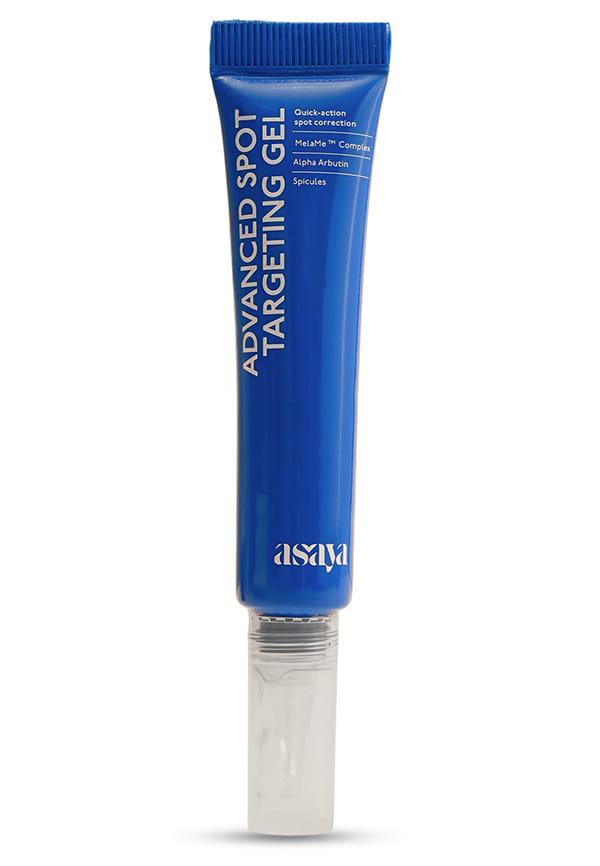
Advanced Dark Spot Targeting Gel
The most effective approach combines treatment with prevention. No remedy will work long-term if you're constantly creating new damage.
Sunscreen is non-negotiable, even when using natural treatments. Many ingredients can increase photosensitivity, making protection even more crucial. Apply broad-spectrum SPF 30 or higher every morning, regardless of weather. Reapply every two hours when outdoors. Physical sunscreens with zinc oxide or titanium dioxide work well with natural skincare routines. Don't forget often-missed areas like your neck, ears, and hands.
What you eat affects your skin's ability to heal and protect itself. Focus on antioxidant-rich foods like berries, leafy greens, and sweet potatoes. These provide the building blocks your skin needs for repair. Stay hydrated – aim for 8 glasses of water daily. Proper hydration supports cell turnover and helps your skin's natural healing processes. Consider this part of your comprehensive skin discoloration remedies approach.
Natural doesn't always mean safe. Some popular DIY treatments can actually worsen pigmentation or damage your skin barrier.
Undiluted lemon juice is a common mistake. While it contains vitamin C, the high acidity can cause chemical burns and post-inflammatory pigmentation. Similarly, avoid baking soda, toothpaste, or hydrogen peroxide on your face. Essential oils should never be used undiluted. They can cause severe reactions and permanent pigmentation changes. Stick to gentle, well-researched ingredients for safe age spot removal.
More isn't always better with natural treatments. Over-exfoliating or using too many active ingredients simultaneously can damage your skin barrier and worsen pigmentation. Limit exfoliating treatments to 2-3 times weekly maximum. If you notice increased redness, sensitivity, or darkening of spots, take a break and let your skin recover.
Success with natural remedies requires a strategic approach. Start by identifying your pigmentation type – is it from sun damage, acne scars, or hormonal changes? This helps you choose the most appropriate treatments. Begin with one remedy and use it consistently for 4-6 weeks before adding others. This helps you identify what works for your skin. Keep a simple photo diary to track progress – changes happen gradually and can be hard to notice day-to-day. While exploring these natural solutions, you might also want to try professionally formulated products. Smytten offers curated trial packs from trusted skincare brands, letting you explore gentle, effective options before committing to full sizes. With over 1,500 brands available, you can discover products that complement your natural routine perfectly.
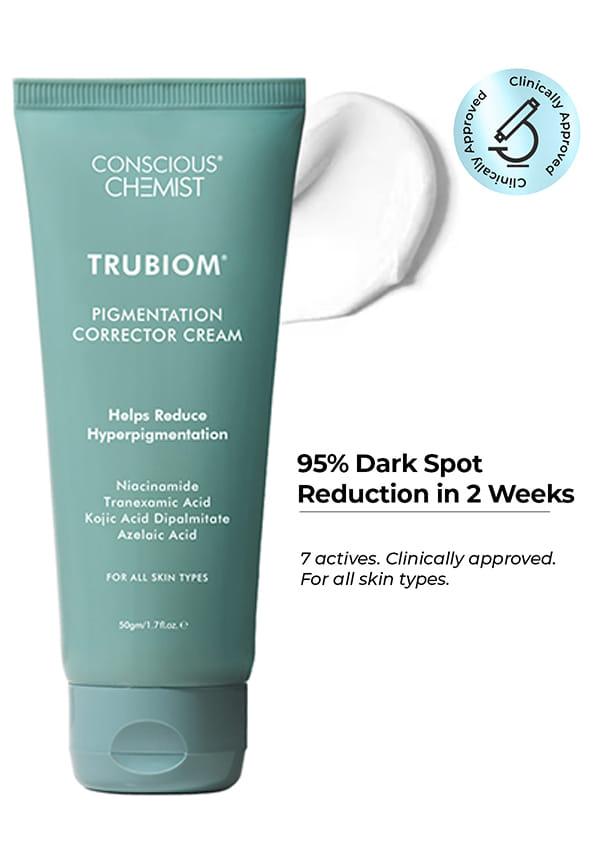
Pigmentation Corrector Moisturiser For Dark Spots
Good Product
5“it is really a very good product”
Good Product
5“it is really a very good product”
Good Product
5“it is really a very good product”
Most natural treatments require 6-12 weeks of consistent use before noticeable results appear. Surface-level improvements might be visible in 3-4 weeks, but deeper pigmentation takes longer to fade.
It's best to introduce one treatment at a time to avoid irritation. Once your skin adjusts to one remedy, you can carefully add others. Always patch test combinations first.
While generally gentler than chemical treatments, natural ingredients can still cause reactions. Those with sensitive skin should start with milder options like aloe vera or milk treatments.
Natural remedies work more slowly but are typically gentler and less expensive. Commercial products often contain higher concentrations of active ingredients for faster results but may cause more irritation.
Consult a professional if pigmentation appears suddenly, changes rapidly, or doesn't respond to gentle treatments after 3 months. Also seek help if you experience persistent irritation or worsening of dark spots.
Natural remedies for pigmentation offer a gentle, accessible approach to improving your skin's appearance. While they require patience and consistency, these time-tested solutions can deliver real results without harsh side effects. Remember that prevention is just as important as treatment – protecting your skin from further damage ensures your efforts aren't wasted. The key to success lies in choosing the right remedies for your skin type, using them consistently, and maintaining realistic expectations. Whether you're dealing with sun spots, acne marks, or uneven tone, there's likely a natural solution that can help. Start with gentler options and gradually work your way up to stronger treatments if needed. With Smytten's extensive range of skincare options, you can also explore professional formulations that work alongside your natural routine. The platform's trial-friendly approach means you can discover what works for your unique skin needs without the commitment of full-size purchases. After all, why settle for maybe when you can try it all and find your perfect pigmentation-fighting combination?
