7 Powerful Collagen Boosting Tricks for Winter


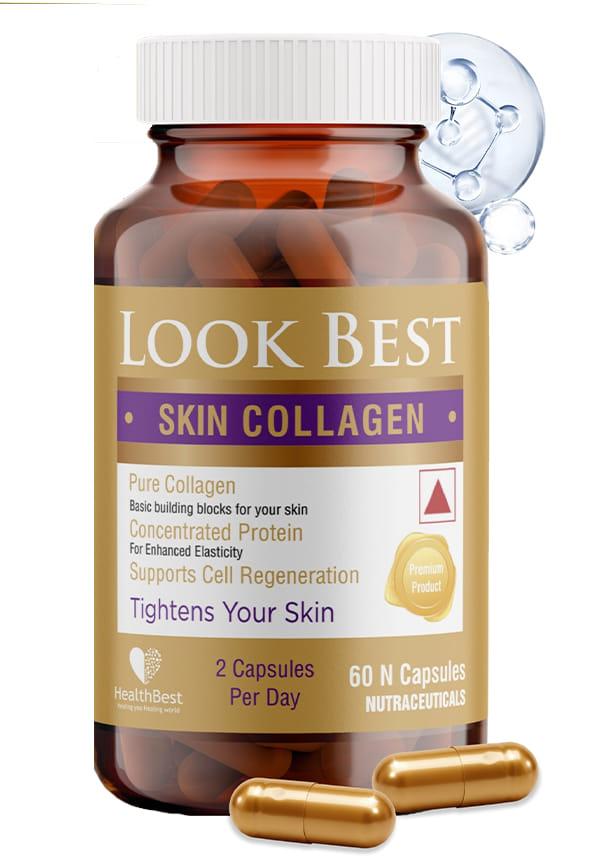
Skin Collagen Supplement for Women & Men - Enhances Skin Tightening, Boosts Elasticity & Firmness
Excellent Product
 5
5“best really good product 👌 👏 👍”
Effective and Improves Skin
5“skin looking best now and effective”
Excellent Acne Treatment
5“"This skin medicine effectively treats acne, blemishes, and inflammation. Its natural ingredients soothe irritation, promote healing, and restore skin balance. Regular use improves skin texture, reduces redness, and prevents future breakouts, making it a reliable solution for healthy, glowing skin”
Winter's here, and your skin's probably sending you some not-so-subtle hints. That tightness after washing your face? The way your usual moisturiser feels like it's doing absolutely nothing? Your skin isn't being dramatic—it's genuinely struggling to maintain its collagen levels when the temperature drops. Cold air, indoor heating, and lower humidity create the perfect storm for collagen breakdown, leaving you with skin that feels less bouncy and looks a bit tired. But here's the thing: winter doesn't have to mean waving goodbye to firm, glowing skin. With the right winter collagen boosting routine, you can actually support your skin's natural repair processes and keep that healthy glow going strong all season long.
Let's be real—winter is basically your skin's nemesis when it comes to collagen production. When temperatures drop, your skin's natural ability to produce collagen slows down significantly, kind of like how your metabolism might feel sluggish on a cold morning. The science behind this is actually quite fascinating. Cold weather reduces blood circulation to your skin, which means fewer nutrients reach the cells responsible for collagen synthesis. Add in the fact that winter air holds less moisture, and you've got a recipe for accelerated collagen breakdown. Your skin elasticity takes a hit because the existing collagen fibres become more brittle in dry conditions.
Your skin has its own way of telling you it needs help. Fine lines might appear more pronounced, especially around your eyes and mouth. Your skin might feel less plump when you gently press it, or you might notice it takes longer to bounce back.
During warmer months, increased blood flow and higher humidity naturally support collagen production. Winter flips this script entirely, which is why your usual winter skincare routine needs a serious upgrade to maintain that healthy, firm appearance.
Think of serums as your skin's personal trainers—they're concentrated, targeted, and get straight to work. During winter, your collagen boosting serum game needs to be absolutely on point because your skin is working overtime just to maintain its basic functions. The key players you want on your team are vitamin C (hello, collagen synthesis!), retinol (the ultimate collagen stimulator), and peptides (think of them as little messengers telling your skin to make more collagen). But here's where most people go wrong—they either use too much at once or layer them incorrectly.
Start with vitamin C serum on clean skin. Give it a few minutes to absorb before adding your moisturiser. This combo works brilliantly for winter skin hydration whilst protecting against environmental damage.
Retinol is your evening hero for anti-aging skincare. Start slowly—maybe twice a week—and build up as your skin adjusts. Follow with a hydrating serum to prevent that tight, uncomfortable feeling.
Here's something your gran probably didn't tell you: when you take collagen supplements matters almost as much as what you take. Your body's natural collagen production peaks during sleep, so timing your supplements to support this process can make a real difference. Marine collagen tends to be more bioavailable than bovine collagen, which means your body can actually use it more effectively. For winter specifically, look for supplements that also contain vitamin C and hyaluronic acid—these work synergistically to support skin firmness.
Take your collagen supplement about 30 minutes before bed with a small amount of vitamin C-rich food (think a few berries or a kiwi). This gives your body the building blocks it needs during its natural repair cycle.
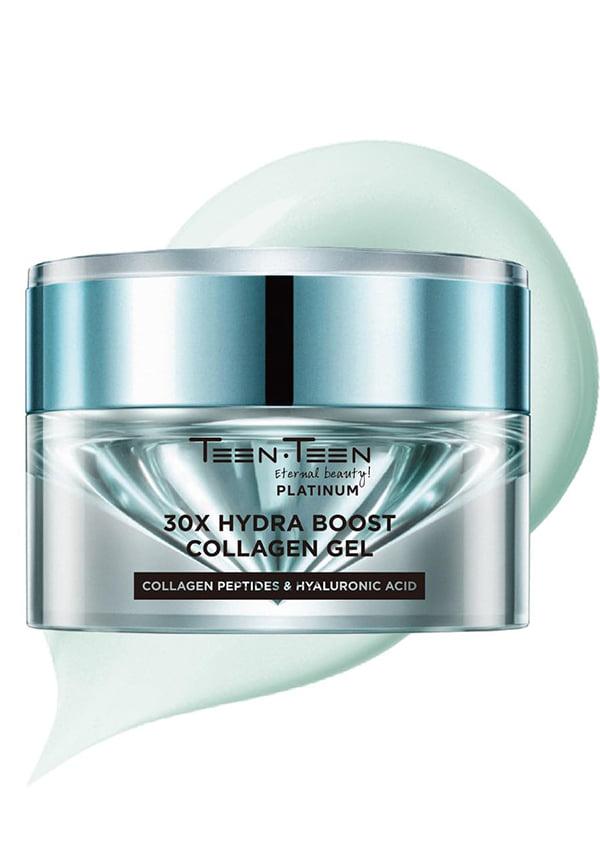
30X Hydra Boost Collagen Gel
Don't expect overnight miracles. Most people start noticing improvements in skin elasticity after about 6-8 weeks of consistent use. Your collagen routine is a marathon, not a sprint.
Facial massage isn't just a luxury spa treatment—it's actually one of the most effective ways to boost circulation and stimulate natural collagen production. When it's cold outside, your facial muscles tend to tense up (hello, winter frown!), which can actually impede blood flow to your skin. A good facial massage increases blood circulation by up to 50%, bringing oxygen and nutrients directly to your skin cells. This enhanced circulation is crucial for collagen boosting because it provides the raw materials your skin needs to repair and rebuild.
Start with clean hands and a few drops of facial oil. Use upward strokes from your jawline to your temples, then gentle circular motions around your eye area. Focus on areas where you want to improve skin firmness.
Gua sha tools and jade rollers aren't just Instagram props—they genuinely help with lymphatic drainage and can enhance your massage technique. Store them in the fridge for an extra circulation boost that feels amazing on winter-stressed skin.
Here's a truth bomb: you can slather on all the collagen creams in the world, but if your skin is dehydrated, none of it will work properly. Dehydrated skin simply cannot produce collagen efficiently, which is why winter skin hydration is absolutely non-negotiable. Think of collagen like a sponge—it needs water to maintain its structure and function. When your skin lacks moisture, existing collagen fibres become rigid and prone to damage, whilst new collagen production grinds to a halt.
Drink warm water throughout the day rather than forcing yourself to chug cold water. Herbal teas count towards your fluid intake and provide additional antioxidants that support collagen health. Aim for at least 8 glasses, but listen to your body.
Invest in a good humidifier for your bedroom. Aim for 40-50% humidity—this is the sweet spot for maintaining skin moisture without encouraging mould growth. Your skin will thank you every morning.
Hyaluronic acid and ceramides are your best friends for dry skin solutions. Hyaluronic acid can hold up to 1000 times its weight in water, whilst ceramides help repair your skin's natural barrier function.
Your skin does most of its repair work whilst you're sleeping, which makes quality sleep absolutely crucial for maintaining healthy collagen levels. During deep sleep, your body increases growth hormone production, which directly stimulates collagen synthesis. Winter can mess with your sleep patterns due to reduced daylight exposure, but this is exactly when your collagen routine needs that restorative sleep the most. Poor sleep quality can reduce collagen production by up to 30%, which explains why you look tired after a bad night's sleep.
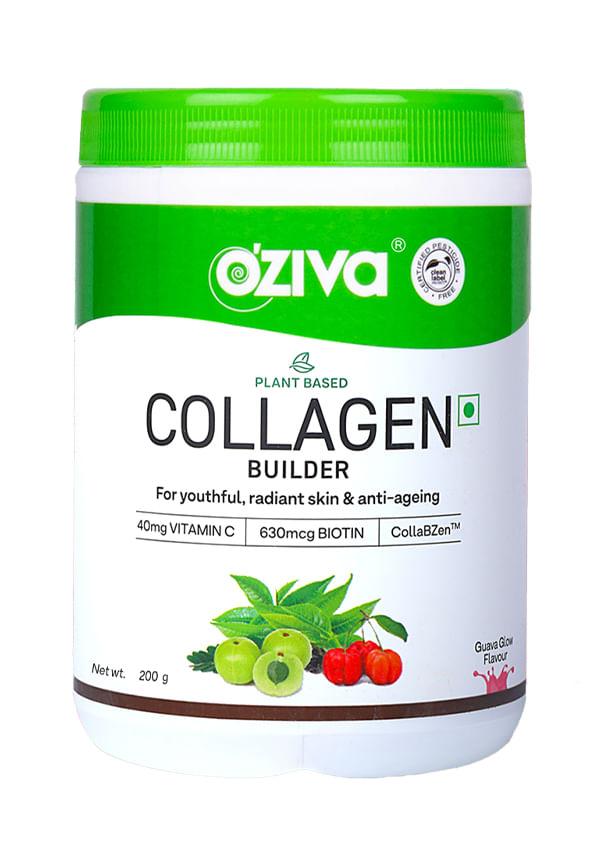
Collagen Builder for Anti-Ageing & Skin Radiance with Vitamin C, Guava Glow 200g
Hard to mix in cold water
5“hard to mix in cold water please improve quality”
Average Product, No Changes
4“Ok Ok product. Dont see any changes in my skin.”
Delicious Watermelon Flavor
5“I have tried different flavours..though my favourite is watermelon and the taste is really good.”
Keep your bedroom cool but not cold—around 18-20°C is ideal. Use a silk or satin pillowcase to reduce friction on your skin, and consider a humidifier to prevent overnight dehydration.
Chronic stress produces cortisol, which breaks down existing collagen and prevents new collagen formation. Winter stress from holiday pressures and seasonal changes can really impact your skin elasticity.
Regular exercise boosts circulation and supports collagen production, but winter workouts need some tweaks. Indoor yoga or pilates can be just as effective as outdoor activities for promoting healthy blood flow to your skin.
Protecting the collagen you already have is just as important as stimulating new production. Winter weather is basically a collagen destroyer—cold winds, UV reflection from snow, and indoor heating all contribute to collagen breakdown. Your skin's natural barrier function becomes compromised in winter, making it easier for environmental aggressors to penetrate and damage collagen fibres. This is where strategic winter skincare protection becomes absolutely essential.
Look for moisturisers with ceramides, niacinamide, and peptides. These ingredients don't just hydrate—they actively support your skin's barrier function and provide dry skin solutions that last.
UV rays are still present in winter, and snow can reflect up to 80% of UV radiation. Daily SPF use is one of the most effective winter skincare tips for preventing collagen breakdown.
Wrap a scarf around your face when it's particularly cold and windy. Physical protection is sometimes the most effective protection, especially for delicate facial skin.
What you eat directly impacts your body's ability to produce collagen, and winter nutrition needs some special attention. Cold weather often makes us crave comfort foods that aren't necessarily collagen boosting, but with a few strategic choices, you can support your skin from the inside out. Collagen synthesis requires specific nutrients: vitamin C (essential for collagen formation), zinc (supports collagen structure), and amino acids (the building blocks of collagen proteins). Winter foods can actually be incredibly rich in these nutrients if you know what to look for.
Citrus fruits, bell peppers, and leafy greens provide vitamin C. Bone broth, fish, and eggs supply amino acids. Nuts and seeds offer zinc and healthy fats that support skin firmness.
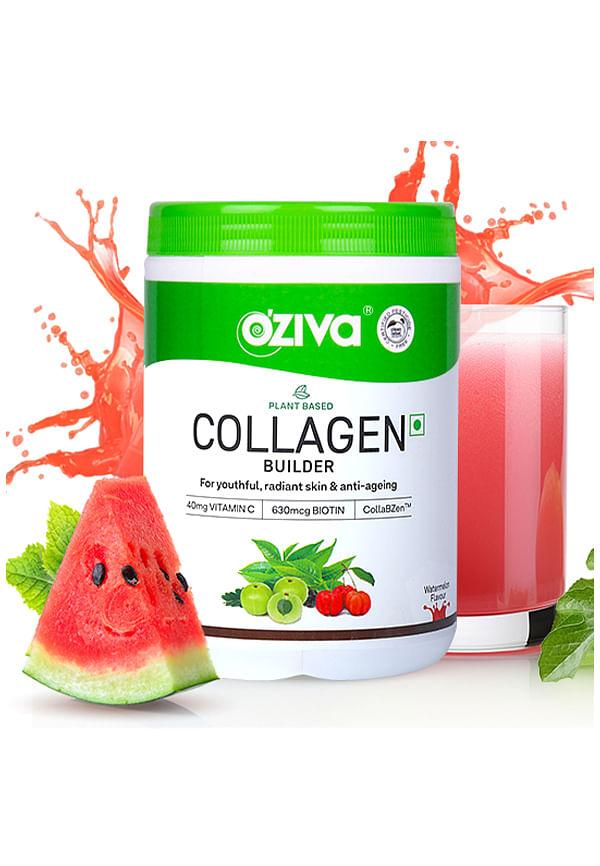
Collagen Builder for Anti-Ageing & Skin Radiance with Vitamin C, Watermelon
Good Product, Recommended
5“good product recommended to use”
Good Product, Recommended
5“good product recommended to use”
Good Product, Recommended
5“good product recommended to use”
Eat collagen-supporting foods with a source of vitamin C to enhance absorption. Having a warm bone broth soup with vegetables provides multiple collagen-building nutrients in one comforting meal.
Excess sugar, processed foods, and alcohol can accelerate collagen breakdown. This doesn't mean complete avoidance, but moderation becomes even more important during winter when your skin is already stressed.
Most people notice improvements in skin texture and hydration within 2-4 weeks, whilst more significant changes in skin elasticity and firmness typically appear after 6-12 weeks of consistent practice.
Absolutely! A combination of proper skincare, facial massage, adequate sleep, and collagen-supporting nutrition can significantly improve your skin's collagen production naturally.
Winter requires more intensive hydration, barrier protection, and circulation-boosting techniques, whilst summer focuses more on UV protection and lighter, gel-based formulations.
Look for improved skin bounce-back when gently pressed, reduced appearance of fine lines, better overall skin texture, and that healthy glow returning to your complexion.
Professional treatments can provide faster results, but consistent at-home care often delivers better long-term benefits. Focus on building sustainable habits rather than quick fixes.
Whilst nutrition is crucial, winter typically requires a multi-faceted approach including topical treatments and lifestyle modifications for optimal results.
Building an effective winter collagen boosting routine isn't about finding one magic product—it's about creating a comprehensive approach that addresses your skin's unique winter challenges. From strategic serum layering to optimising your sleep environment, each element works together to support your skin's natural collagen production. The beauty of this approach is that you don't need to overhaul your entire routine overnight. Start with one or two techniques that feel most manageable, then gradually build your winter skincare arsenal. Remember, consistency beats perfection every time. Smytten makes exploring these collagen-boosting products incredibly accessible through curated trial packs from trusted brands. With over 1,500 brands available, you can discover which serums, moisturisers, and treatments work best for your skin without the commitment of full-size purchases. The platform's Trial Points system lets you get up to 8 minis for just ₹249, with 100% cashback redeemable for future orders. This means you can experiment with different anti-aging skincare products and build your perfect winter routine based on what actually works for your skin, not just what sounds good in theory. After all, why settle for maybe when you can try it all and find your perfect winter collagen boosting combination?
